
 English
 عربى
عربى Español


 English
 عربى
عربى Español
Submit feedback
Potassium Silicate Liquid Suppliers
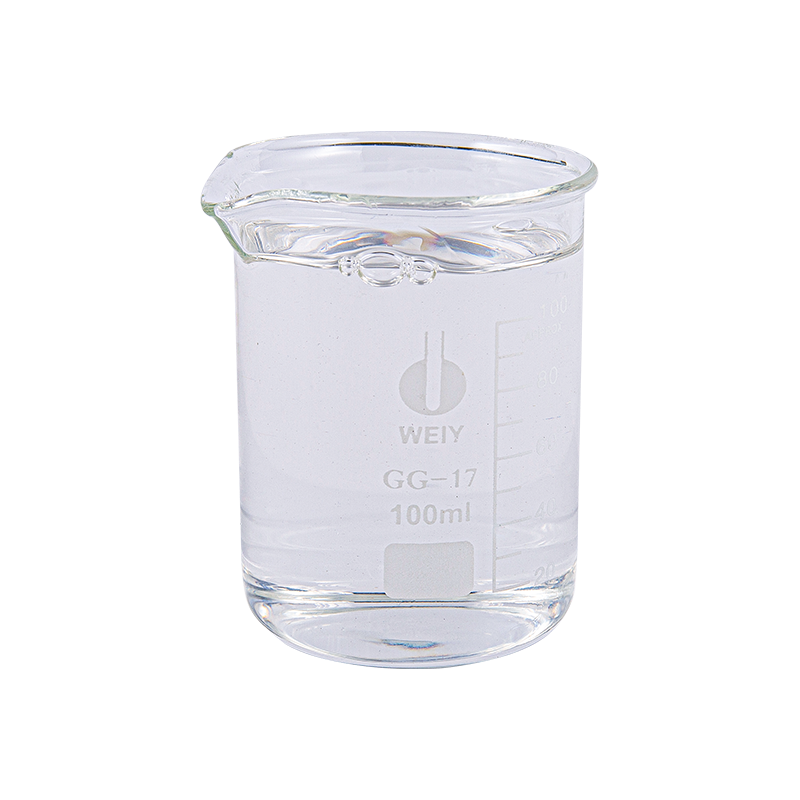
Liquid potassium silicate is a colorless or slightly colored, odorless transparent liquid with a strongly alkaline reaction and certain hygroscopic properties. It easily dissolves in water and acids and can decompose in acid to precipitate silicon dioxide. The modulus of liquid potassium silicate (the molar ratio of SiO₂ to K₂O) significantly affects its properties; the larger the modulus, the higher the viscosity and adhesive strength of its aqueous solution.
It is widely used in various fields such as foundry materials, building materials, and the detergent industry. Applications include use as a binder for steel casting molds, floor hardeners, and coatings for fluorescent screens. Additionally, liquid potassium silicate is employed in the production of welding electrodes, fire retardants, and potash fertilizers, making it an essential raw material in industrial production.
During storage and transportation, it is important to ensure that the packaging is intact and sealed and to avoid transporting it together with acids and oxidizing substances.
About
Tongxiang Hengli Chemical Co., Ltd.
Tongxiang Hengli Chemical Co., Ltd. specializes in the production of inorganic silicon products, we are China Potassium Silicate Liquid Suppliers and
Custom Potassium Silicate Liquid Factory, our products with more than 30 product varieties including sodium silicate, potassium silicate, lithium silicate, silica sol, potassium methyl silicate, and inorganic high-temperature resistant adhesives. We provide OEM processing, welcome to contact us to customize various moduli and concentrations Potassium Silicate Liquid.
The company relocated as a whole to the Fengming Economic Development Zone in Tongxiang City in 2015, covering an area of 18 acres with a building area of nearly 30000 square meters. The company has one national-level technical personnel and three senior technical personnel.
Integrate product development, production, and sales! The product is widely used in industries such as electronics, clothing and papermaking, agriculture, water-based coatings, sand casting, precision casting, and refractory materials. We sincerely welcome cooperation with you to create a better future together!
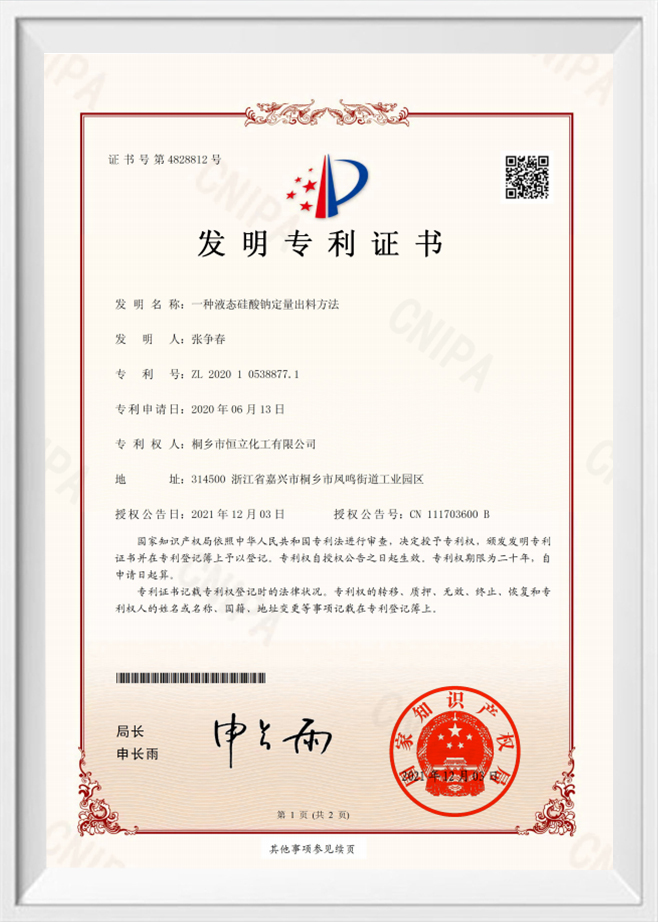
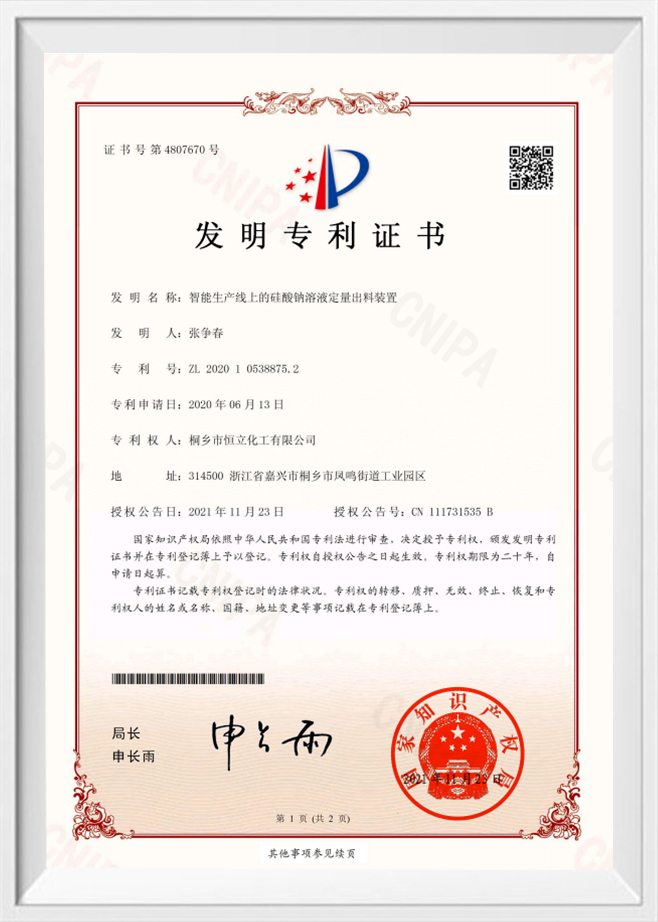
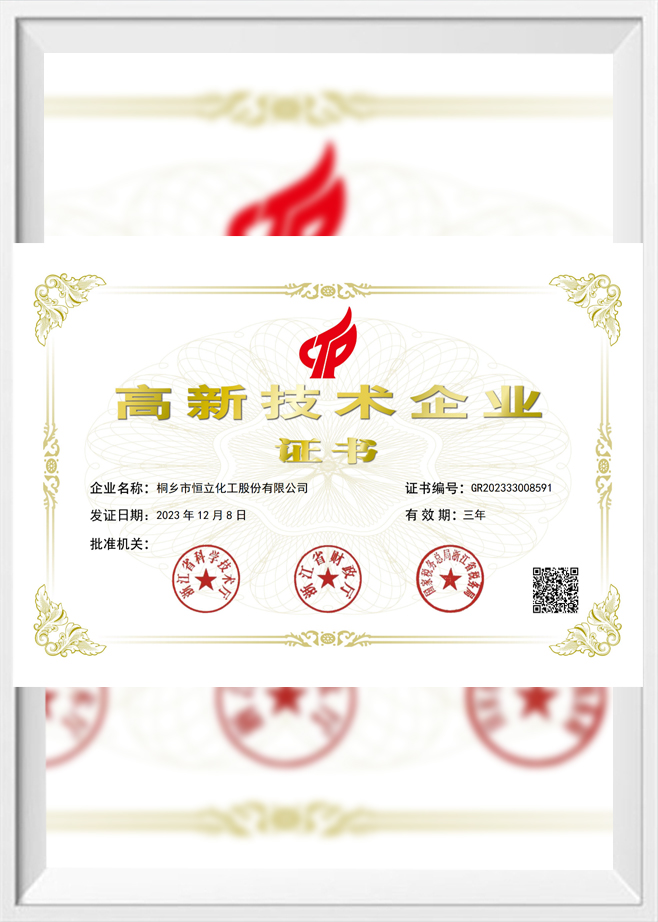
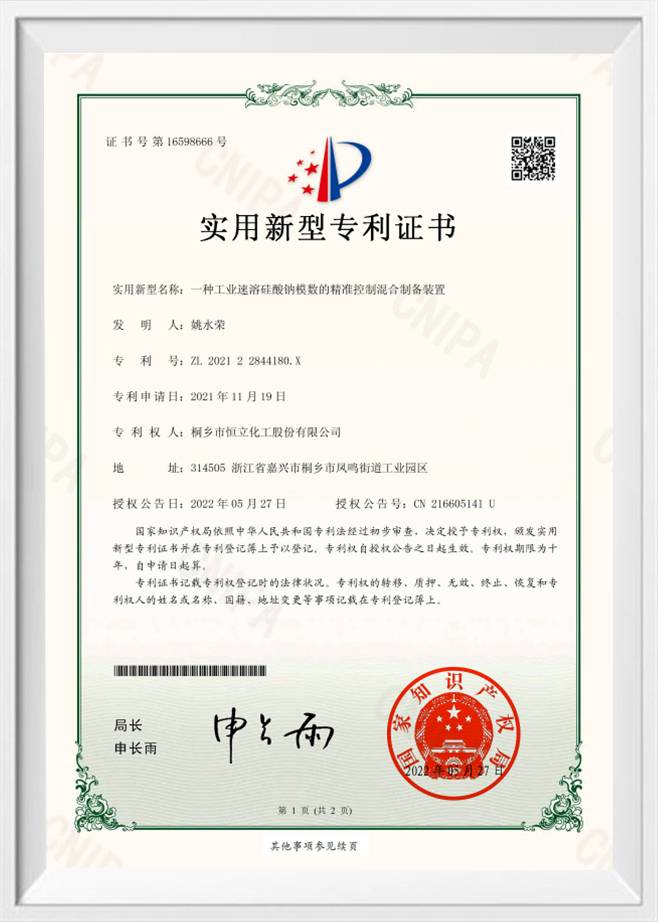
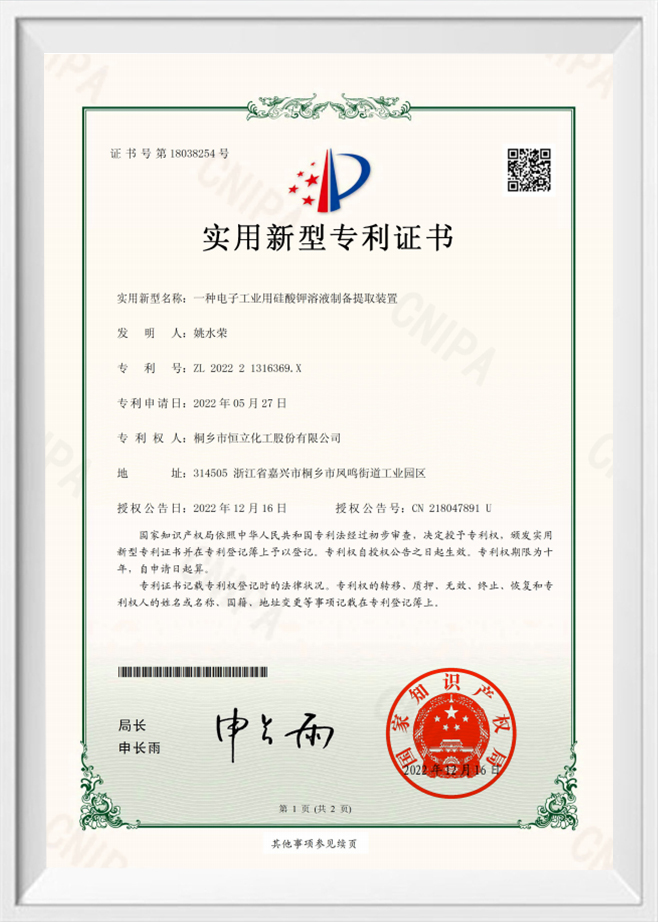
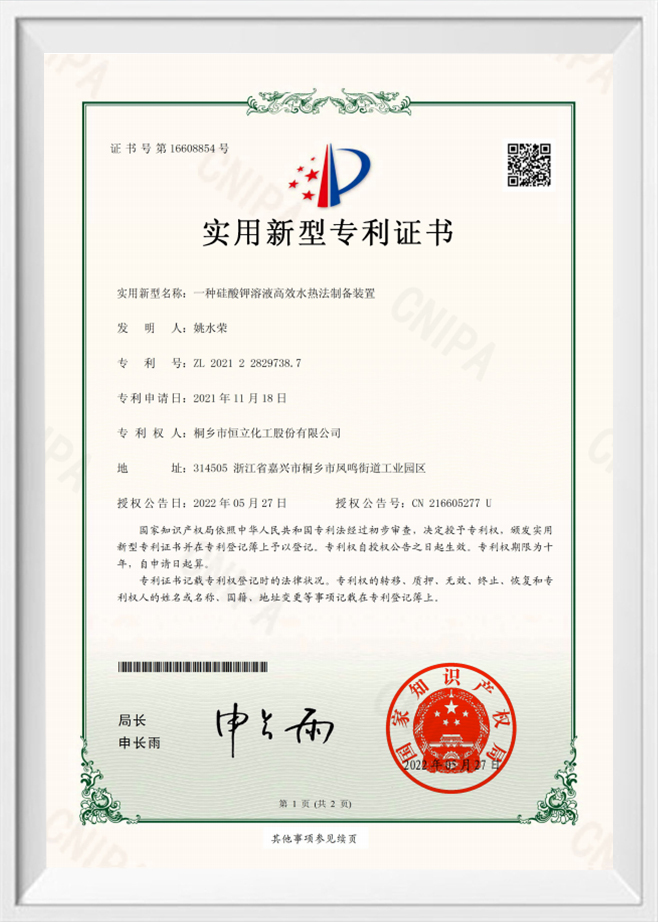
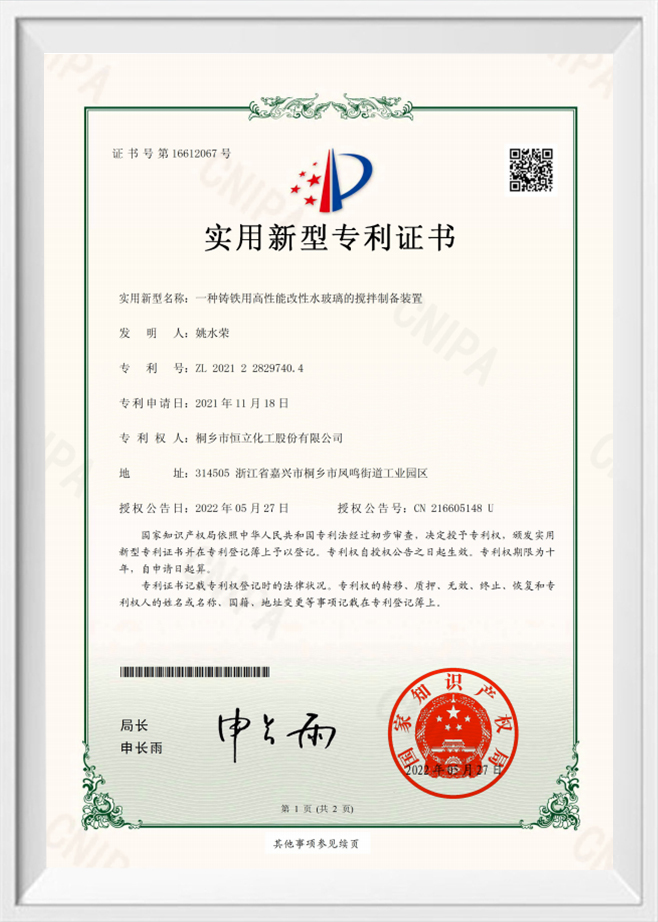
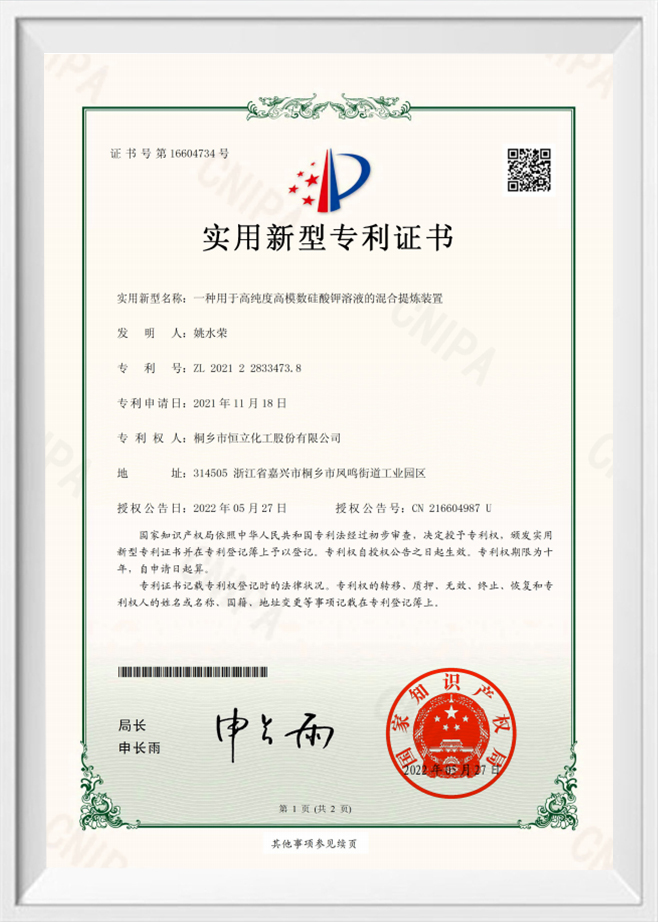
Certificate Of Honor
News
-
The Short Answer: Safe in Use, Never Careless For most construction and industrial users, the core question is practical: can sodium methylsilicate be used without creating avoidable health, structural or compliance pro...
READ MORE -
Why Water Treatment Facilities Are Turning to Sodium Silicate Solutions Water treatment operators today face mounting pressure from multiple directions. Coagulant costs continue to rise, regulatory compliance for lead a...
READ MORE -
In industrial maintenance and corrosion protection, few environments punish formulation mistakes as quickly as high-temperature service. Steel chimneys, exhaust ducts, incinerator linings, kiln shells, engine manifolds,...
READ MORE
Message Feedback
Potassium Silicate Liquid Industry knowledge
The Role of Liquid Potassium Silicate in Industrial Coatings and Fireproofing Materials
Liquid potassium silicate (K₂O·nSiO₂) is a versatile, inorganic compound widely used in industrial coatings and fireproofing materials due to its unique chemical properties. As a water-based binder, it offers excellent adhesion, durability, and resistance to high temperatures, making it a preferred choice in protective and fire-resistant applications.
1. Key Properties Enhancing Industrial Coatings
High Thermal Stability: Withstands extreme temperatures, making it ideal for heat-resistant coatings.
Strong Adhesion: Bonds well with metals, concrete, and ceramics, improving coating longevity.
Chemical Resistance: Resists acids, alkalis, and corrosive environments, protecting substrates in harsh industrial settings.
Low VOC & Eco-Friendly: Unlike organic resins, it emits no harmful volatiles, aligning with green chemistry trends.
2. Applications in Fireproofing Materials
Intumescent Coatings: Expands under heat to form an insulating char layer, slowing fire spread.
Fire-Resistant Paints & Sealants: Used in steel structures, tunnels, and buildings to meet fire safety codes.
Refractory Binders: Reinforces ceramic fiber boards and insulation materials in high-temperature industries.
3. Advantages Over Organic Binders
Non-Combustible: Unlike epoxy or acrylic resins, it does not burn or release toxic smoke.
Long-Term Durability: Resists UV degradation and weathering, reducing maintenance costs.
Cost-Effectiveness: Lower raw material costs compared to some synthetic polymers.
4. Challenges & Considerations
Curing Sensitivity: Requires controlled humidity for proper film formation.
Brittleness: May need modifiers (e.g., colloidal silica) to enhance flexibility.
5. Future Trends
Research focuses on hybrid formulations (e.g., potassium silicate + graphene) to improve mechanical strength and waterproofing for next-gen fireproof coatings.
Liquid potassium silicate is a critical material for fire safety and corrosion protection, offering a sustainable, high-performance alternative to traditional organic coatings. Its role in industrial applications is expected to grow with advancements in material science and regulatory demands for safer, greener solutions.

Products
Sodium Silicate Potassium Silicate Lithium Silicate Sodium Methylsilicate Potassium Methylsilicate Silica Sol Inorganic Coatings And Binders Flooring SystemContact
Add:No. 7 Jiaye Road, Tongxiang City, Zhejiang Province, China Phone:+86-15257095913 Tel: +86-0573-88980238 Mob: +86-0573-88980238 E-mail:[email protected]
Copyright © 2024 Tongxiang Hengli Chemical Co., Ltd. All Rights Reserved.
Custom Potassium Silicate Liquid Suppliers
