
 English
 عربى
عربى Español

 English
 عربى
عربى Español
Sodium silicate(HLNAL-2)
Cat:Sodium Silicate Liquid
Sodium silicate (sodium water glass) model HLNAL-2, as follow the national standard GB/T4209-2008 liquid-2 model pr...
See Details
For most construction and industrial users, the core question is practical: can sodium methylsilicate be used without creating avoidable health, structural or compliance problems? In general, yes, provided the product is handled correctly during mixing and application and the cured material is used for its intended purpose. Safety depends on three factors: the physical state of the material, the way it is applied, and the quality of documentation supplied by the producer. The liquid presents a different hazard from the dried film, and both differ from the risks of dust, spills or accidental over-application.
This guide looks at the topic from an engineering and procurement perspective. It explains how the material works, what safety evidence buyers should expect, where the real risks lie, and how to verify quality before placing an order. A sodium methylsilicate product supported by a complete safety data sheet, consistent batch records and clear handling instructions is far easier to use responsibly than one that arrives without them.
Sodium methylsilicate is a single-component silicone-based waterproofing agent. When applied to a porous substrate such as concrete, cement mortar, brick or natural stone, it penetrates the capillary network of the surface. As the solvent evaporates, the material reacts with carbon dioxide and moisture in the air, forming a thin, insoluble network inside the pores. Because this network lines the pore walls instead of sealing them completely, liquid water is repelled while water vapor can still escape. That balance is the reason the treatment is valued in buildings where trapped moisture would otherwise cause damage.
| Property | Typical behavior | Why it matters |
|---|---|---|
| Water repellency | Strong resistance to liquid water | Limits seepage and freeze-thaw damage |
| Vapor permeability | Largely retained | Reduces trapped moisture and blistering |
| Temperature tolerance | Broad service range | Suits seasonal extremes |
| Weathering resistance | Good UV and aging stability | Supports long exterior service life |
| Chemical stability | Low reactivity once cured | Suitable for finished structures |
Safety questions are easiest to answer when the product is split into its phases. The raw liquid, the partially cured film and the fully cured surface each present different exposure profiles, and a responsible assessment treats them separately rather than relying on a single blanket statement.
In liquid form, the material is alkaline and can irritate skin and eyes, much like many masonry and concrete treatment chemicals. Once fully cured, the film is chemically inert under normal conditions and does not release significant volatile harmful substances. Safety data sheets typically classify the liquid as an irritant requiring protective equipment, while the cured film is handled as a non-hazardous solid in service. Buyers should read these classifications directly on the document rather than accepting general claims.
Regulatory requirements vary by country and by end use. Reliable suppliers can provide a safety data sheet, a technical data sheet and batch-level quality records. Projects involving drinking water systems, food-contact surfaces or enclosed occupied spaces may require additional review. Engineers should confirm that the documentation matches the intended application instead of assuming that general compliance covers every use.
Most incidents occur during mixing, spraying and cleanup rather than after installation. Splashes into the eyes and prolonged skin contact are the main concerns. Mist from spray equipment can irritate the respiratory tract in poorly ventilated areas, so workers should use appropriate masks and keep ventilation running throughout the job.
Most safety problems with this type of product come from how it is handled on site, not from the cured material itself. A well-trained crew with the right protective equipment removes most of the practical risk.
Once cured, treated concrete and masonry do not normally release the agent into living spaces, and the surface can be cleaned with standard methods. The long-term safety benefit is largely structural. Reduced water ingress means fewer conditions for mold growth, efflorescence and corrosion of embedded steel, which together lower the chance of hazardous failures over the building's life.
The material is valued wherever porous mineral surfaces need protection from moisture without losing their ability to breathe. The range of applications spans routine building work and more demanding industrial environments.
In industrial settings, the material is used to protect masonry and concrete structures exposed to moisture cycles, to add moisture resistance to certain porous building products, and as an additive in ceramic and construction formulations. Facility managers often value the reduced maintenance interval that results when surfaces resist water penetration and surface deterioration.
The practical value of a treatment lies in measurable outcomes rather than marketing language. Compared with an untreated porous surface, a properly applied treatment typically shifts several key indicators in a favorable direction. Actual results depend on the substrate, application rate, surface preparation and weather during curing.
| Criterion | Untreated porous surface | Treated surface |
|---|---|---|
| Water absorption | High | Substantially reduced |
| Efflorescence risk | Frequent in damp conditions | Noticeably lower |
| Breathability | Natural | Largely preserved |
| Freeze-thaw exposure | Higher damage risk | Reduced risk |
| Maintenance interval | Shorter | Typically extended |
Engineers who set realistic expectations tend to get the best outcomes. The treatment is most effective as part of a broader moisture management strategy that includes drainage, detailing and regular inspection.
Good handling practice protects workers, keeps product quality consistent and avoids the disputes that arise from poor documentation. The following sequence works well for most crews.
Keep containers sealed in their original packaging, in a cool, dry and ventilated area, ideally between about 5 and 30 degrees Celsius. Protect stock from direct sunlight and from high humidity, and store it separately from acids and other incompatible materials. Rotate stock so older batches are used first.
The product is generally classified as a conventional industrial chemical rather than a dangerous good for road transport. Shippers should still check current regulations and labeling requirements for each route, because rules differ by region and by carrier.
Buyers often compare offers on price alone, but the lowest quote may not reflect the true cost of a project. Consistent quality, documentation and reliable delivery usually matter more over the life of a contract. Those planning a larger order can review options for bulk sodium methylsilicate and ask for specifications tailored to their substrate and climate.
| Price factor | How it affects cost |
|---|---|
| Active content and purity | Higher concentration usually means higher unit cost but lower application volume |
| Order volume | Larger orders generally reduce the per-unit price |
| Packaging format | Drums, totes and bulk containers differ in handling and price |
| Custom specification | Adjusted concentration or formulation adds development cost |
| Logistics and lead time | Distance, storage and shipment timing influence the total landed cost |
If you need current quotations, technical parameters or a trial sample, the supplier's technical team is the most reliable starting point. Sharing your substrate type, project location and volume requirements will allow them to give a more accurate proposal.
Sodium methylsilicate can be used safely and effectively in construction and industrial settings when its liquid and cured phases are understood separately. The liquid requires standard protective measures, while the cured film is generally stable and inert in service. Its strongest advantages are water repellency with preserved breathability, durability in varied climates, and a cost profile that suits large-scale work.
The right outcome depends on verification rather than assumption. Review the documentation, confirm that the product matches the intended application, train the crew on handling, and test before committing to full-scale use. Buyers who follow these steps tend to achieve reliable results and avoid unnecessary risk.
No. The liquid is alkaline and can irritate skin and eyes, so gloves, goggles and long sleeves should be worn during mixing and application. Once the material has cured, the surface poses minimal risk under normal use.
Under normal conditions, a fully cured film does not release significant volatile harmful substances. Ventilation should still be maintained during application, since spray mist is the main exposure concern while the product is wet.
No. A correctly applied treatment repels liquid water while allowing water vapor to escape. This is one of its main advantages over film-forming coatings that trap moisture behind the surface.
At minimum, ask for the current safety data sheet, the technical data sheet and a batch certificate. Projects involving drinking water, food contact or occupied indoor spaces may require additional documentation about intended use.
Curing time depends on temperature, humidity, airflow and the thickness of application. Cold and damp conditions slow the process considerably, so project schedules should allow adequate time before the surface is exposed to heavy water contact.
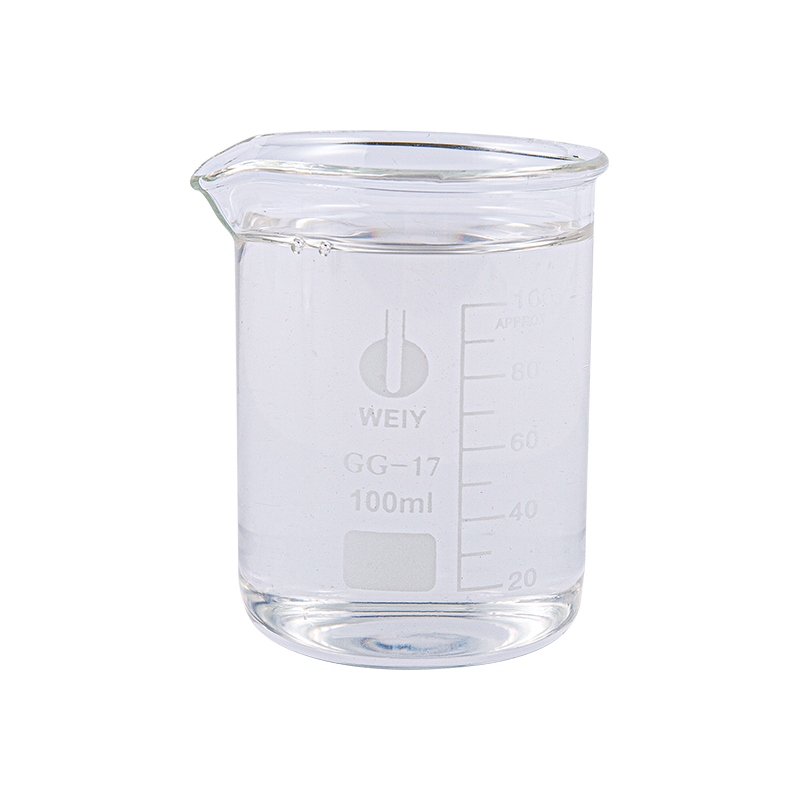
Sodium silicate (sodium water glass) model HLNAL-2, as follow the national standard GB/T4209-2008 liquid-2 model pr...
See Details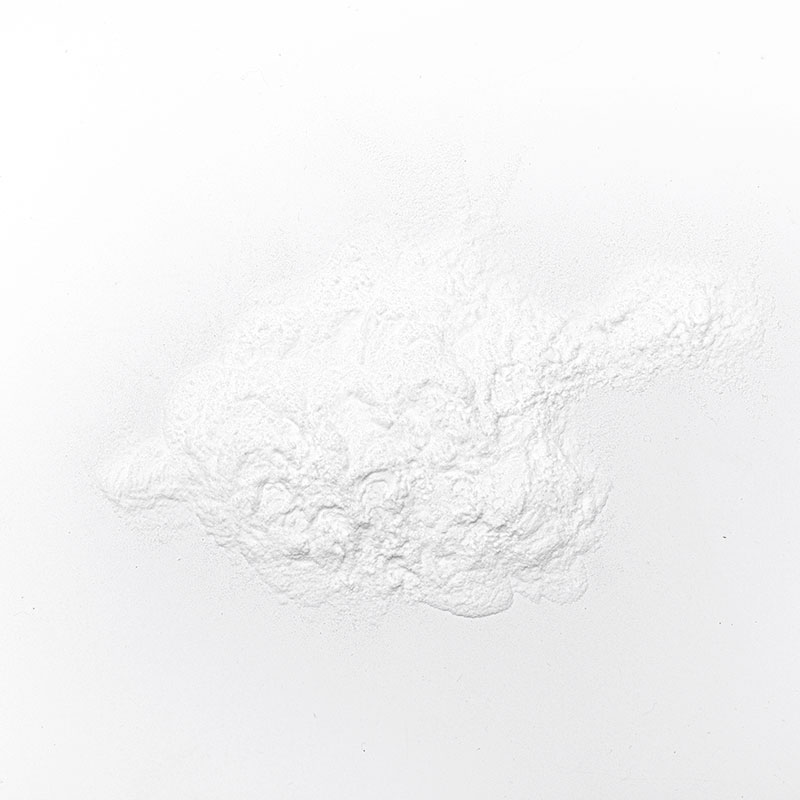
Powdered sodium silicate (model HLNAP-1 modulus 2.0±0.1) is a product made of liquid water glass by drying and spra...
See Details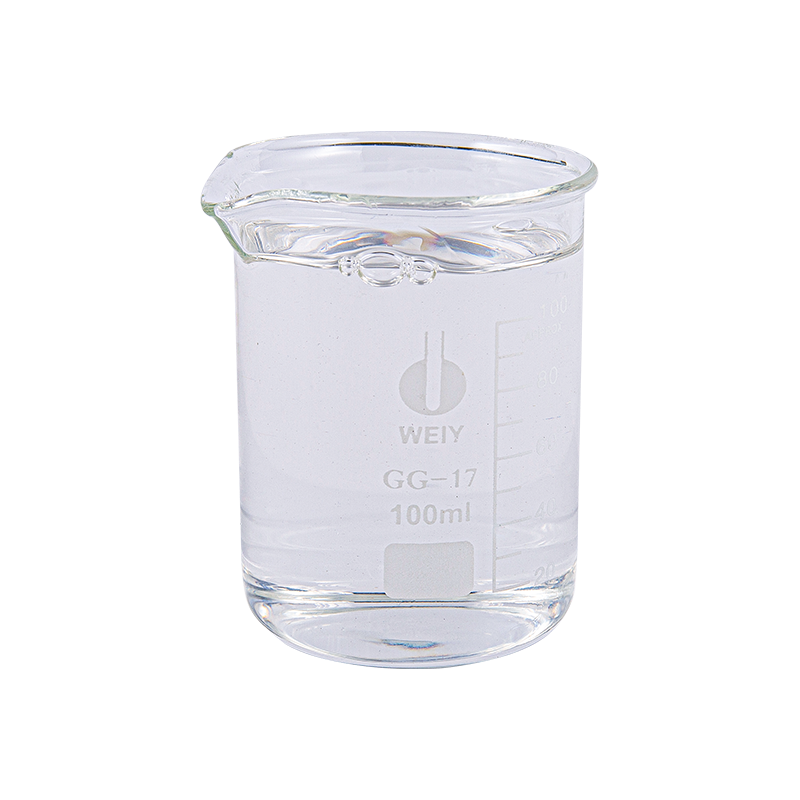
Liquid Potassium Silicate, Model HLKL-3 (Modulus 3.1-3.4), Potassium silicate solution has better appearance and tr...
See Details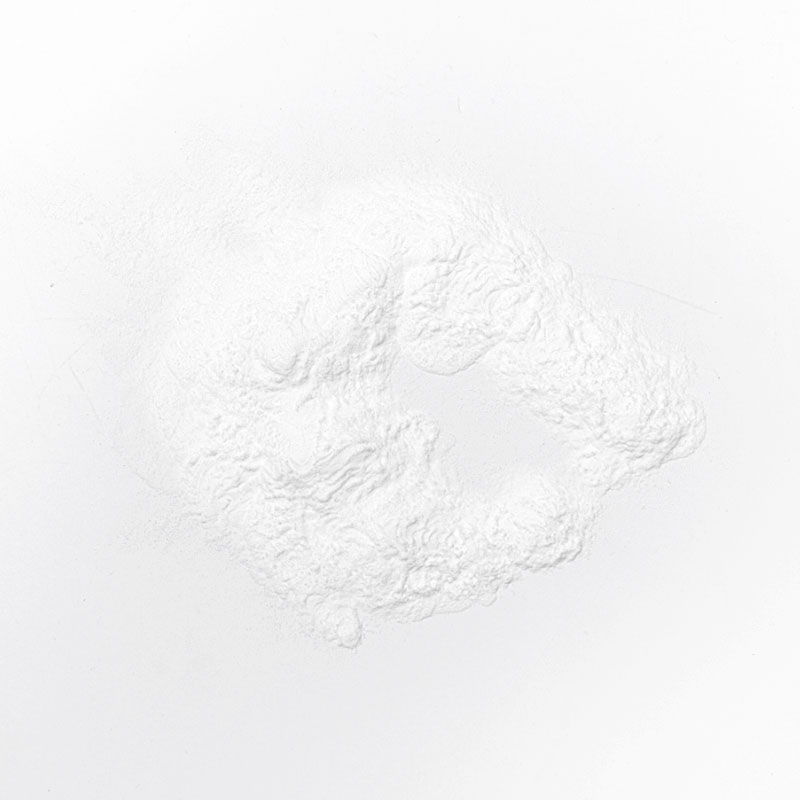
Powdered Potassium Silicate (Model HLKP-2 Modulus 3.3±0.1) is a product made of liquid potassium silicate by drying...
See Details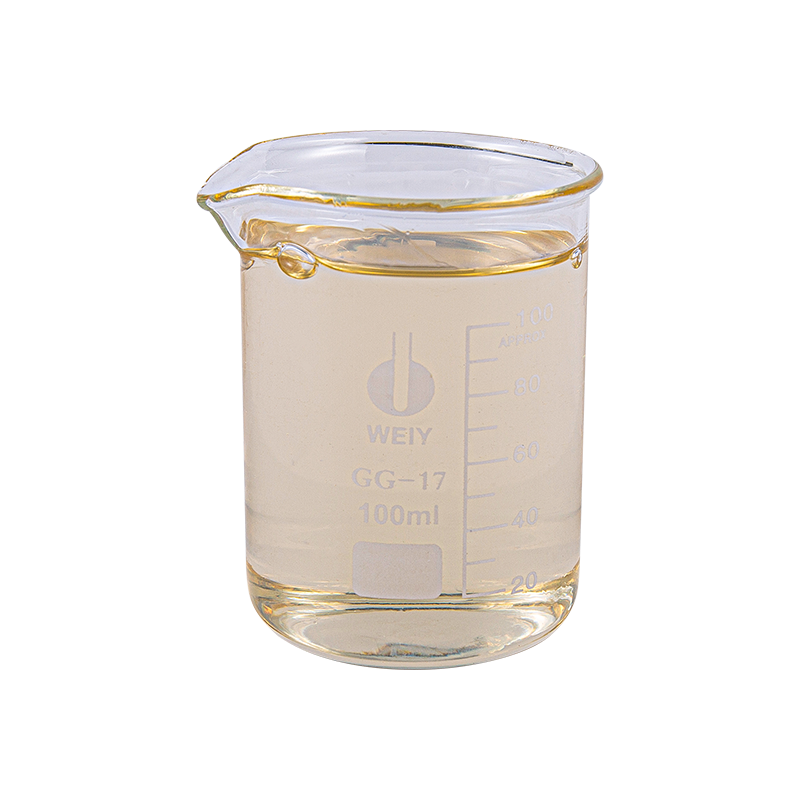
Sodium methyl silicate (model HLKNAL), this product is an organosilicon waterproofing agent, the active ingredient ...
See Details
Hengli Potassium Methyl Silicate (Model HLKKL) is a highly efficient waterproofing material that reacts with CO2 or...
See Details
Products
Sodium Silicate Potassium Silicate Lithium Silicate Sodium Methylsilicate Potassium Methylsilicate Silica Sol Inorganic Coatings And Binders Flooring SystemContact
Add:No. 7 Jiaye Road, Tongxiang City, Zhejiang Province, China Phone:+86-15257095913 Tel: +86-0573-88980238 Mob: +86-0573-88980238 E-mail:[email protected]