
 English
 عربى
عربى Español

 English
 عربى
عربى Español
Sodium silicate(HLNAL-2)
Cat:Sodium Silicate Liquid
Sodium silicate (sodium water glass) model HLNAL-2, as follow the national standard GB/T4209-2008 liquid-2 model pr...
See Details
Water treatment operators today face mounting pressure from multiple directions. Coagulant costs continue to rise, regulatory compliance for lead and copper removal becomes increasingly stringent, and the challenge of maintaining optimal turbidity levels while controlling operational expenses grows more complex each year. Many facilities are discovering that sodium silicate offers a pragmatic solution that addresses several of these pressures simultaneously.
What makes this approach particularly compelling is not novelty, but proven reliability. Sodium silicate has served the water treatment industry for over a century, with well-documented applications across municipalities, industrial systems, and specialized treatment facilities worldwide. When implemented strategically, it reduces total chemical expenditure, improves treatment efficiency, and helps facilities meet increasingly rigorous regulatory standards without requiring major infrastructure overhaul.
This guide walks through the practical dimensions of sodium silicate application: how it works, where it delivers measurable value, what parameters matter most for selection, and how to evaluate true cost-benefit outcomes for your specific water quality challenges.
Coagulation remains one of the most critical steps in conventional water treatment. The goal is straightforward in principle: destabilize suspended particles so they combine into larger, denser agglomerates (floc) that settle or filter effectively. In practice, achieving this consistently across varying water quality conditions requires precision and often, additional chemical assistance.
When sodium silicate is activated through acid treatment (typically sulfuric acid, chlorine, or ammonium sulfate methods), it transforms into colloidal silica sol. This activated form functions as a bridge in the coagulation process. Traditional coagulants like aluminum sulfate or ferric chloride initiate particle destabilization, but activated silica enhances the structure and density of the resulting floc matrix. The silica particles provide additional nucleation sites, enabling faster floc growth and more compact aggregate formation.
The practical outcomes are measurable. Typical sodium silicate application rates range from 1 to 5 ppm, sometimes extending to 20-30 ppm in challenging turbidity scenarios. A critical insight: the addition of this coagulation aid often enables reduction of primary coagulant dosage by 20-40 percent, which offsets the cost of the silicate chemical itself while improving overall treatment economics.
In documented applications, water facilities using activated silica have observed:
One reference case: a conventional treatment facility initially producing 1,000 gpm of treated water observed an increase to 1,700 gpm after implementing activated silica alongside optimized coagulant dosing. This productivity gain represents substantial value from a relatively modest chemical addition.
Three primary activation approaches exist, each with distinct operational characteristics:
| Activation Method | Operating Requirements | Safety Profile | Best Application |
|---|---|---|---|
| Sulfuric Acid | Requires acid-resistant equipment and careful handling | Highest hazard; requires trained operators | Large facilities with dedicated infrastructure |
| Chlorine Gas | Specialized chlorination system required | Hazardous chemical; strict storage protocols | Facilities already using chlorine; not for new installations |
| Ammonium Sulfate | Simple mixing and dosing equipment | Non-hazardous; minimal safety requirements | Preferred for most new applications and smaller facilities |
For facilities evaluating options, the ammonium sulfate activation method (sometimes designated N-Sol A in industry literature) has gained adoption precisely because it eliminates the need for specialized acid-resistant equipment while delivering equivalent coagulation enhancement. The operational simplicity translates to lower training requirements and reduced long-term maintenance costs.
Lead and copper in drinking water represent one of the most closely monitored compliance issues in water treatment today. The regulatory framework is unforgiving: action level exceedances trigger mandatory public notification, treatment adjustments, and operational reviews. For many facilities, especially those with aging distribution infrastructure, maintaining compliant levels requires active corrosion control strategies beyond pH adjustment alone.
This is where sodium silicate deployment delivers substantial operational value. When applied as a corrosion inhibitor, sodium silicate addresses lead and copper release through two synergistic mechanisms: formation of protective films on pipe interiors and pH elevation that inherently suppresses corrosion reactions.
Research data on silicate-based corrosion control demonstrates consistent results across diverse water chemistry scenarios. When sodium silicate is dosed at 25-30 mg/L (expressed as SiO2):
Increasing the silicate dosage to 45-55 mg/L produces even more pronounced reductions, with both lead and copper declining by more than 95 percent in typical applications. These improvements occur regardless of whether the silicate serves as the primary corrosion control agent or complements other strategies like orthophosphate treatment.
Effective corrosion control with sodium silicate requires understanding the distinction between initial dosing and maintenance regimens. A typical implementation follows this pattern:
This phased approach optimizes chemical utilization and prevents the excessive sodium intake that would result from maintaining high silicate levels indefinitely. The maintenance phase typically represents a 70-80 percent cost reduction compared to the initial phase, making the overall program economically sustainable.
Water systems include multiple pipe materials, each presenting distinct corrosion challenges. Sodium silicate addresses corrosion across the full spectrum of materials commonly found in distribution networks:
This universal applicability eliminates the need for system-specific corrosion control agents and simplifies compliance documentation by demonstrating a unified approach across heterogeneous infrastructure.
Many water systems struggle with secondary water quality issues that, while not necessarily harmful at the point of treatment, become problematic during distribution. When iron and manganese oxidize in the treatment process, they form solid particles that should theoretically settle and be removed. However, incomplete removal or mobilization within the distribution system creates visible water discoloration and customer complaints.
Sodium silicate prevents this by maintaining oxidized iron and manganese in a colloidal, suspended state. Rather than allowing these metals to settle into the distribution network (where they create sediment and contribute to discoloration), the silicate keeps them dispersed and removes them through existing filtration. This approach eliminates the source of complaints without requiring specialized iron and manganese removal equipment.
Sequestration effectiveness depends on achieving the correct proportion between sodium silicate and the iron-manganese load present in the raw water. The rule of thumb: sodium silicate (expressed as SiO2 content) should be applied at a concentration 4 to 5 times the combined iron and manganese concentration.
For example, if raw water contains 1.0 mg/L iron and 0.3 mg/L manganese (total 1.3 mg/L), the silicate dosage would target 5.2 to 6.5 mg/L SiO2. This ratio ensures complete sequestration without significant excess that would increase costs unnecessarily.
Alternative strategies exist for managing iron and manganese, most notably polyphosphate sequestration. However, sodium silicate presents distinct advantages:
Sodium silicate exists in different molecular configurations, each characterized by the ratio of silicon dioxide to sodium oxide. This ratio fundamentally influences the chemical behavior and effectiveness of the product for different applications.
The standard ratio range spans from 1.6 to 3.3 (SiO2:Na2O). Within this spectrum:
Selecting the appropriate ratio requires understanding both your primary objective and the pH characteristics of your treated water. A facility using sodium silicate primarily as a coagulation aid might select a lower ratio, while one prioritizing corrosion control would benefit from a higher ratio formulation.
The activation method employed during manufacturing influences not only safety and handling, but also the resulting particle size distribution and reaction kinetics of the activated silica. Different activation approaches produce silica sols with distinct characteristics:
The ammonium sulfate approach has become increasingly popular in modern facilities because the slower aggregation kinetics provide greater control over floc characteristics and reduce the risk of premature precipitation.
In typical treatment sequences, sodium silicate application occurs at a specific stage relative to other chemical additions. General protocol:
While industry guidelines provide starting points, optimal dosages for any specific water source require empirical determination through jar testing. The variation in water chemistry across different seasons and sources means that a dosage effective for one facility may be suboptimal for another.
Effective jar testing for sodium silicate should:
Like most treatment chemicals, sodium silicate pricing reflects multiple cost drivers. Understanding these factors enables informed procurement decisions rather than simple unit cost comparison:
An often-overlooked cost consideration: sodium silicate is not classified as a hazardous material, unlike many alternative coagulation aids and corrosion control chemicals. This classification advantage translates to measurable savings:
When evaluating total cost of ownership for treatment chemicals, these factors often offset marginal differences in raw chemical pricing.
The most common error in chemical procurement occurs when buyers focus exclusively on cost per ton or cost per gallon. This approach ignores the effectiveness dimension entirely. Instead, the relevant metric is cost per treated unit—typically expressed as cost per million gallons of water treated.
A simplified calculation framework:
Historical reference data, now several years old and requiring current verification: activated silica treatment in optimized applications typically costs between USD 35-50 cents per ppm per million gallons. This baseline enables comparison with your current single-chemical treatment cost, but current pricing requires direct quotation based on your specific location, volume, and grade requirements.
Beyond direct chemical costs, sodium silicate deployment often enables secondary operational efficiencies:
A multi-year cost analysis incorporating these factors often reveals that sodium silicate implementation generates positive ROI within 12-18 months, with ongoing savings accruing thereafter.
Transitioning to sodium silicate treatment requires planning rather than immediate switchover. A structured approach minimizes disruption and identifies optimal configuration for your specific system:
Rather than facility-wide implementation, a pilot approach validates performance before full commitment:
After successful pilot validation, transition to facility-wide implementation:
Understanding where sodium silicate excels relative to alternative treatment strategies helps clarify whether this approach suits your facility's needs and constraints:
Water treatment operators who view chemicals primarily as line-item expenses often miss optimization opportunities that reduce total expenditure while improving outcomes. Sodium silicate represents precisely this category of overlooked tool: a single product that simultaneously improves coagulation efficiency, provides corrosion control, and manages iron/manganese challenges through distinct mechanisms.
The case for implementation is strongest when your facility faces multiple treatment challenges in parallel. If you struggle simultaneously with coagulation variability, lead or copper compliance concerns, and occasional red water events, sodium silicate addresses all three problems through one supply stream, one dosing system, and a unified operator training protocol. The economics improve substantially when accounting for secondary benefits: extended filter runs, reduced primary coagulant consumption, and improved regulatory compliance positioning.
However, implementation requires attention to detail. Optimal dosage is water-specific and seasonal. The SiO2:Na2O ratio matters for your particular application. The activation method influences performance characteristics and handling requirements. These variables mean that sodium silicate is not a "add it and forget it" solution—it requires the same analytical attention and optimization that your facility already applies to other critical treatment chemicals.
The most effective approach begins with a structured assessment of your current water quality challenges, followed by comprehensive jar testing to establish whether the improvements available from sodium silicate integration justify the switching costs and operational changes. For most facilities with aging infrastructure, regulatory compliance pressures, and seasonal water quality variation, that calculation yields a compelling case.
To determine whether sodium silicate integration makes economic and technical sense for your facility, provide your water quality parameters, current treatment process configuration, and your compliance objectives. Our technical team will conduct preliminary assessment and, if appropriate, propose a pilot implementation schedule with detailed dosing recommendations and cost-benefit projections for your specific situation.
Yes, sodium silicate is approved for potable water treatment in most regulatory jurisdictions. The silica that remains in treated water after polymerization and removal of larger particles exists at trace levels (typically less than 1-2 mg/L SiO2 equivalent). These residual levels are far below any toxicological concern and are comparable to silica naturally present in many water sources. The silica that remains is primarily in colloidal or ionic form, biologically inert, and does not accumulate in the body.
Sodium silicate solutions typically maintain full potency for 12-24 months when stored in sealed containers at ambient temperature, away from direct sunlight. Extended storage can lead to gradual polymerization, which increases viscosity and may slightly reduce coagulation effectiveness. Storage in cool conditions extends shelf life. Because sodium silicate is non-hazardous, storage requirements are minimal compared to acid coagulants or other treatment chemicals. Secondary polymerization during storage does not render the product unusable; even aged material can be diluted and reactivated, though fresh material is preferred for precise dosing.
Sodium silicate functions most effectively as a coagulation aid or auxiliary agent rather than a primary coagulant. It enhances the performance of conventional coagulants like aluminum sulfate or ferric chloride, but does not replace them entirely in conventional treatment processes. In specialized applications, silicate formulations optimized for direct coagulation can be employed, but this approach is less common and typically requires custom water quality analysis. For most facilities, the strategic value comes from optimizing primary coagulant dosage downward while achieving superior floc formation through silicate assistance.
Sodium silicate itself is alkaline, with a pH typically around 11-12 in concentrated form. When diluted to working concentration (1-5 ppm), the pH impact is minimal in most systems with reasonable buffering capacity. In very low-alkalinity waters (less than 20 mg/L as CaCO3), silicate addition may elevate pH slightly. This is generally beneficial for corrosion control but must be monitored in systems where pH stability is critical. In acidic systems (pH below 6), silicate effectiveness for corrosion control diminishes because the protective film formation requires pH above approximately 6.5. Highly acidic systems require pH adjustment before silicate application.
Accidental overdose of sodium silicate, while undesirable, does not create an acute safety hazard. Excessive silicate can result in excessive floc formation, which may clog filters or increase backwash frequency. Overdosing for corrosion control may increase sodium content in treated water unnecessarily. If overdosing occurs, reduce or halt silicate injection and allow the system to operate with existing silicate concentration while normal treatment processes remove the excess. Unlike overdoses of some coagulants, silicate overdose does not create water quality violations or require emergency corrective action. However, accurate dosing through jar testing and appropriate chemical feed equipment prevents this scenario.
Sodium silicate is generally compatible with most conventional water treatment chemicals, including other coagulants, pH adjustment chemicals, disinfectants (chlorine, ozone, chlorine dioxide), and anti-scaling agents. However, compatibility with specialized chemicals should be confirmed through jar testing before full-scale implementation. Some incompatibilities can arise with strongly acidic chemicals if mixed before dilution, but proper sequencing of chemical addition prevents issues. The typical order—silicate addition before primary coagulant—ensures compatibility in conventional treatment trains.
Establish baseline performance metrics before implementation: typical measurements include turbidity, filter run time, coagulant consumption, and backwash frequency. After implementing sodium silicate, track the same metrics over 4-8 weeks. Measurable improvements should include lower effluent turbidity with reduced coagulant dosage, extended filter run times, or both. For corrosion control applications, measure lead and copper levels in tap water samples collected from distribution system endpoints before and after implementation. Jar testing provides laboratory validation, but facility-wide performance data provides the ultimate confirmation of value.
Sodium silicate can be used year-round, but optimal dosage typically varies seasonally with water temperature and source water quality changes. Cold water (winter) often allows lower silicate dosages to achieve the same coagulation performance compared to warm water (summer), though this depends on specific water chemistry. Seasonal jar testing (at minimum, quarterly) ensures that dosages remain optimized as water characteristics change. Many facilities use lower dosages during winter months and increase slightly during periods of highest turbidity or temperature extremes. This adaptive dosing approach optimizes cost while maintaining consistent treatment performance.
Regulatory requirements vary by jurisdiction, but typically include: documenting the product used (supplier, grade, SiO2:Na2O ratio), dosage parameters established through jar testing, point of application within the treatment process, and ongoing monitoring records confirming target dosage levels. Because sodium silicate is an approved treatment chemical, no additional regulatory permission is typically required for implementation, though notification of treatment process changes to your regulatory authority is standard practice. Most facilities incorporate sodium silicate documentation into their existing Chemical Feed Schedule and Treatment Technique records. Specific requirements should be confirmed with your state drinking water program.
Technical-grade sodium silicate has broader industrial applications and does not necessarily meet purity specifications for potable water treatment. Treatment-grade sodium silicate is manufactured and certified for use in drinking water, with higher purity standards and documentation of heavy metal content, contaminants, and stability. Treatment-grade product is more expensive but essential for drinking water applications. Never substitute technical-grade silicate for treatment-grade in water treatment applications, as contamination risks exist. Your supplier should provide third-party certification confirming treatment-grade suitability.
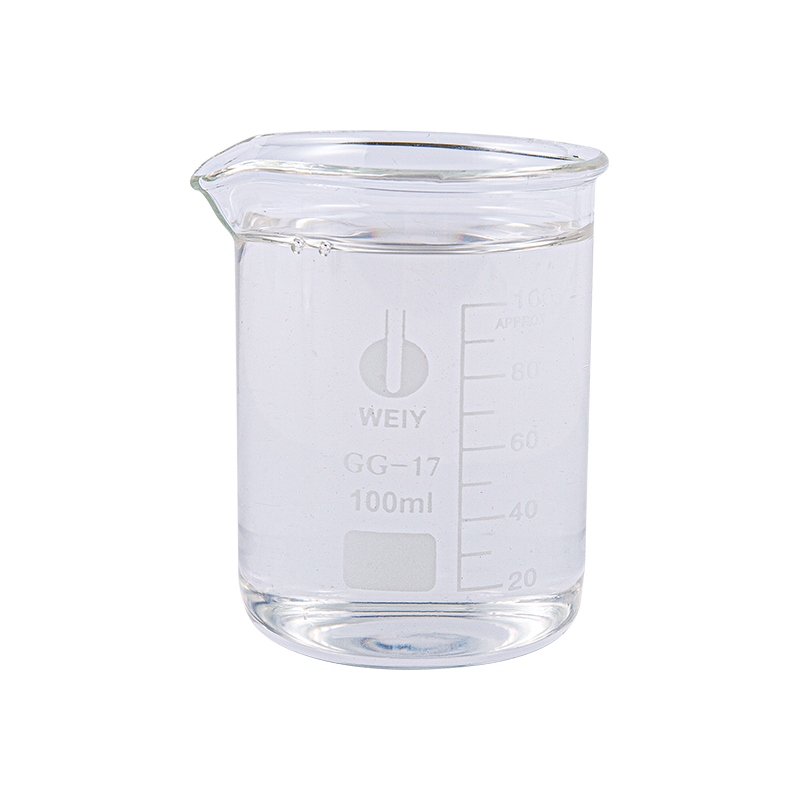
Sodium silicate (sodium water glass) model HLNAL-2, as follow the national standard GB/T4209-2008 liquid-2 model pr...
See Details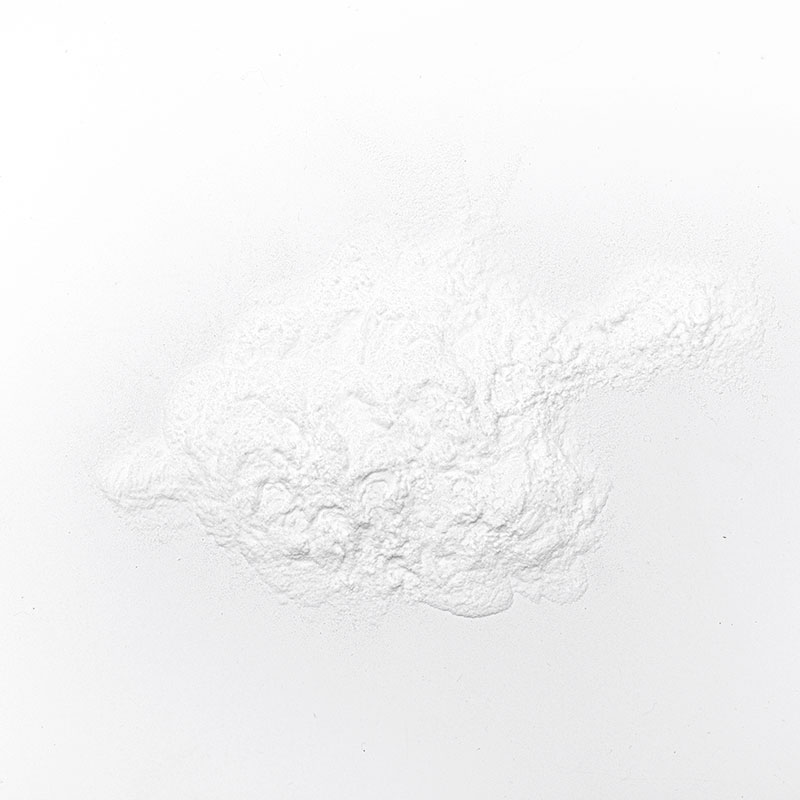
Powdered sodium silicate (model HLNAP-1 modulus 2.0±0.1) is a product made of liquid water glass by drying and spra...
See Details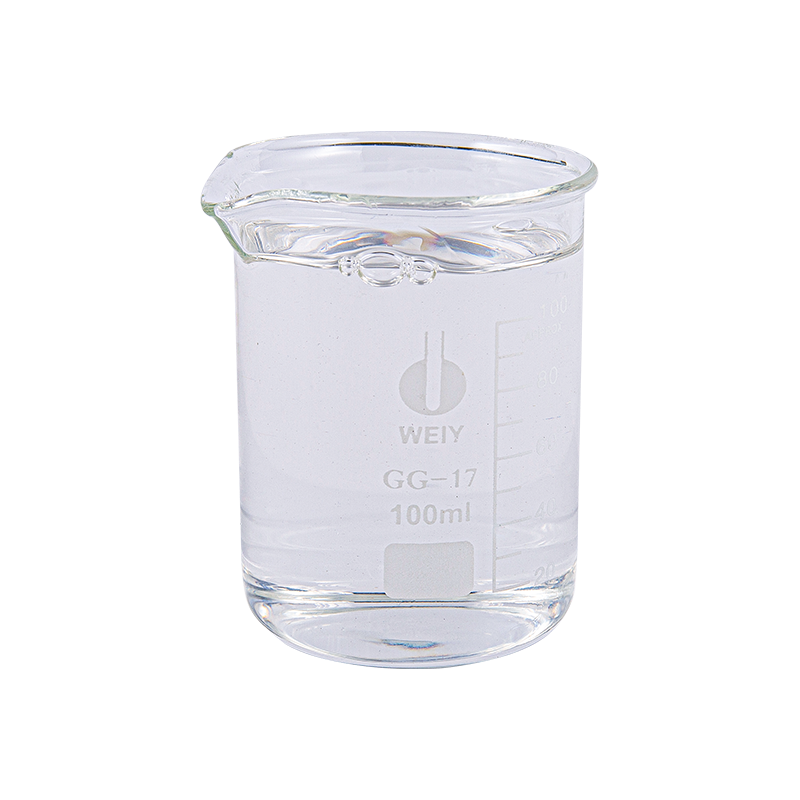
Liquid Potassium Silicate, Model HLKL-2 (Modulus 2.7-3.0), Potassium silicate solution has better appearance and tr...
See Details
Liquid Potassium Silicate, Model HLKL-5 (Modulus 4.8-5.0), this product is a customized product with ultra-high mod...
See Details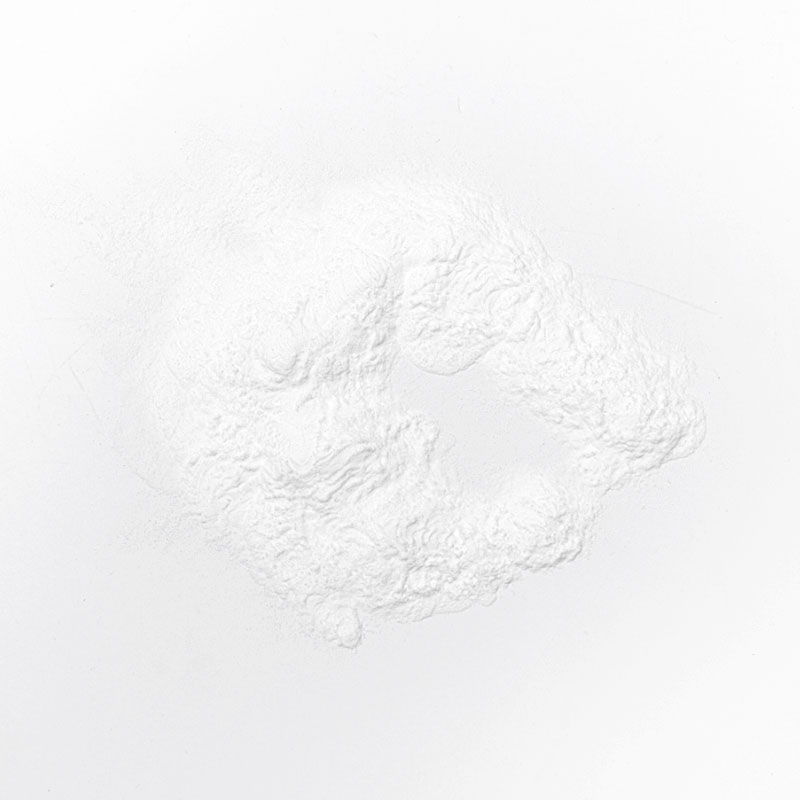
Powdered Potassium Silicate (Model HLKP-1 Mode 2.4±0.1) is a product made of liquid potassium silicate by drying an...
See Details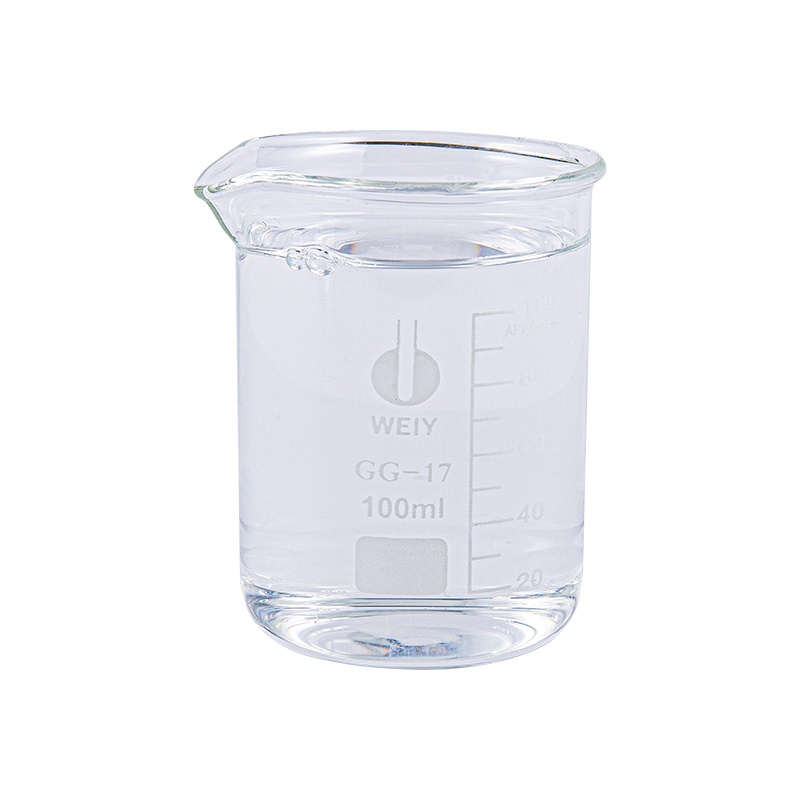
Liquid Lithium Silicate, Model HLLL-1, As an important member of the silicate family, lithium silicate does have a ...
See Details
Products
Sodium Silicate Potassium Silicate Lithium Silicate Sodium Methylsilicate Potassium Methylsilicate Silica Sol Inorganic Coatings And Binders Flooring SystemContact
Add:No. 7 Jiaye Road, Tongxiang City, Zhejiang Province, China Phone:+86-15257095913 Tel: +86-0573-88980238 Mob: +86-0573-88980238 E-mail:[email protected]