
 English
 عربى
عربى Español

 English
 عربى
عربى Español
Sodium silicate(HLNAL-1)
Cat:Sodium Silicate Liquid
Sodium silicate (sodium water glass) model HLNAL-1, as follow the national standard GB/T4209-2008 liquid-1 model pr...
See Details
In industrial maintenance and corrosion protection, few environments punish formulation mistakes as quickly as high-temperature service. Steel chimneys, exhaust ducts, incinerator linings, kiln shells, engine manifolds, and process piping can all operate well above the decomposition temperature of conventional organic resins. When the coating on such an asset fails, the consequence is not a cosmetic blemish but accelerated oxidation, spalling, and structural thinning.
High temperature resistant silicate coating formulation offers a fundamentally inorganic answer to this problem. Silicate films are ceramic in nature after full curing: they do not burn, smoke, or soften, and they can be engineered for continuous service between roughly 400 and 1000 C depending on the selected binder, pigment package, and curing cycle. This article presents a framework for designing such a coating, including binder selection, filler engineering, processing steps, curing procedure, defect correction, and validation testing.
An alkali silicate is produced by fusing silica with an alkaline oxide at high temperature and then dissolving the resulting glass in water to form a viscous, strongly alkaline solution. When this solution is applied as a wet film, water escapes and the dissolved silicate condenses into a three-dimensional siloxane network. Because this network already sits in a highly oxidized mineral state, it has no calorific value to sustain combustion and releases no organic decomposition products under heat.
The practical thermal ceiling of a silicate binder is therefore determined not by ignition but by densification, crystallization, and eventual viscous deformation. Comparative studies in industrial coatings show that well-designed silicate films withstand service temperatures roughly 30-40 percent higher than comparable organic polymer films at the same dry film thickness.
A properly engineered silicate film does not fail by burning away. It degrades only when its pore structure, crystalline phase, or filler chemistry exceeds the designed thermal window.
Three alkali silicate species dominate commercial high-temperature work: sodium silicate, potassium silicate, and lithium silicate. They share the same condensation chemistry but differ in cation mobility, hygroscopicity, curing rate, and adhesion behavior, and those differences steer formulation choices in opposite directions.
Recent technical reviews of inorganic silicates in high-temperature applications emphasize that the cation identity, not just the silica content, is the single most decisive variable in service performance.
Every high-temperature silicate coating can be described with the same structure: one or more silicate binders, a reactive silica source, refractory fillers and pigments, a curing or hardening agent, additives, and water as the carrier.
| Component | Role | Typical Choices | Heat Resistance Impact |
|---|---|---|---|
| Primary binder | Film formation and adhesion | Potassium silicate, sodium silicate, lithium silicate | Sets the upper service limit |
| Reactive silica sol | Network densification | Alkaline or acidic silica sol | Raises softening point, lowers shrinkage |
| Refractory fillers | Thermal barrier and reinforcement | Calcined alumina, mica, wollastonite, silica flour | Controls thermal expansion and crack resistance |
| Functional pigments | Color, corrosion control, heat reflection | Zinc dust, iron oxide, titanium dioxide, aluminum flakes | Extends life and thermal tolerance |
| Curing agent | Acceleration of condensation | Sodium hexafluorosilicate, zinc oxide | Improves early hardness and water resistance |
| Additives | Wetting, defoaming, suspension | Nonionic surfactants, mineral defoamers, clay rheology modifiers | Indirect but critical for film integrity |
The binder forms the continuous phase, so its quality and chemical state deserve the most attention. A stabilised, pre-formulated high-temperature resistant inorganic binder shortens development time and reduces the risk of batch variation, because the silicate has already been processed to a workable modulus, solids level, and pH.
When using a raw silicate instead, the formulator must control the modulus directly. Modulus is the molar ratio of silica to alkali oxide; a higher modulus gives a more water-resistant film but makes the solution harder to dissolve and more sensitive to gelling.
The choice of alkali cation is the first and most consequential decision in a high-temperature formulation. The three options form a continuous spectrum of cost, reactivity, and thermal performance.
Sodium silicate is the lowest-cost member of the family and produces hard, strongly adherent films that develop excellent early mechanical strength. However, sodium cations migrate readily in humid conditions, which makes sodium-rich films prone to efflorescence and water softening if the condensation reaction is incomplete. In high-temperature service, sodium silicate is best limited to primer, fire-stop, and economy systems operating below roughly 500 to 600 C, or heavily modified with silica sol and refractory fillers.
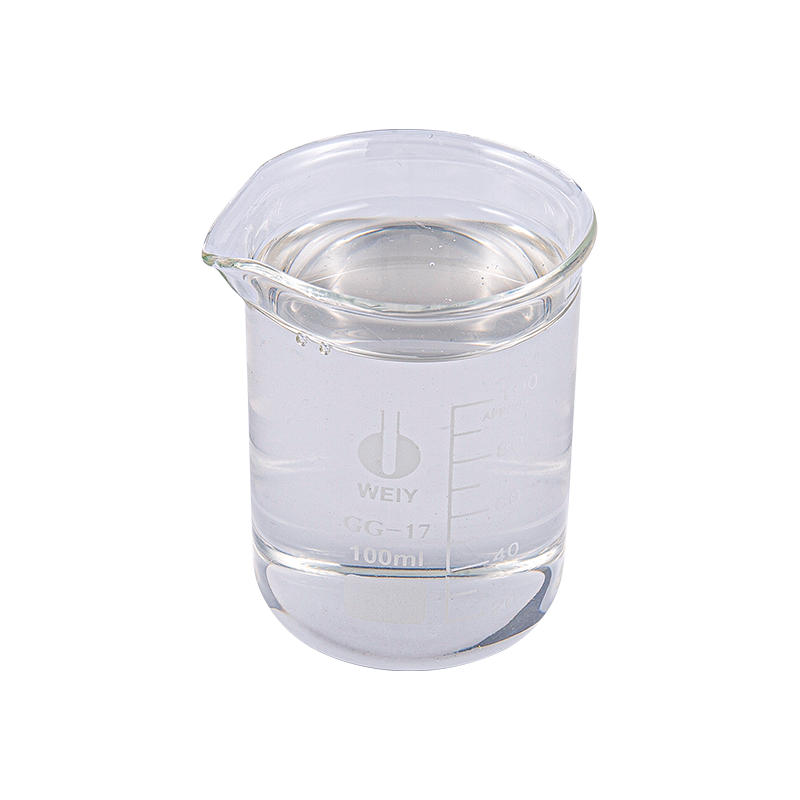 Sodium silicate(HLNAL-1)Brand: Hengli Model: HLNAL-1 Appearance: Transparent or translucent viscous liquid Packaging specifications: 20L, 200L, 1000L. Packaging can be negotiated separately i...View Product →
Potassium silicate is the workhorse of high-temperature and fire-resistive coatings. The larger potassium cation creates a less hygroscopic film than sodium, reacts more readily with atmospheric carbon dioxide during cure, and produces a condensed network with a higher softening point. Potassium systems also adhere strongly to blast-cleaned steel and show less blooming or exudation at elevated temperature. These characteristics explain why most heat-resistant paints, intumescent topcoats, and zinc-rich silicate primers are built on potassium silicate bases.
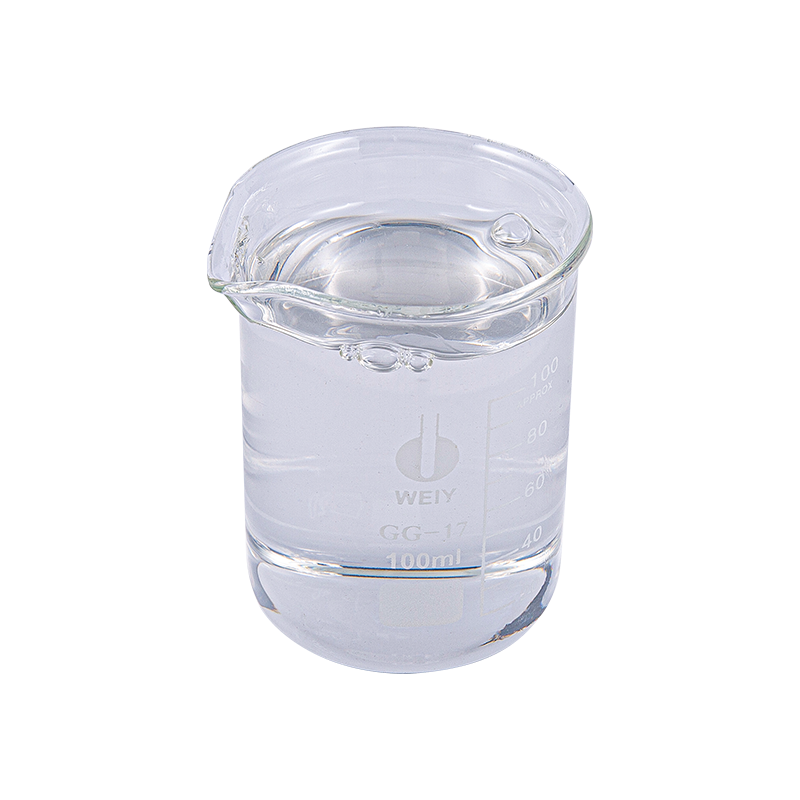 Potassium Silicate(HLKL-1)Brand: Hengli Model: HLKL-1 Product Appearance: Transparent or semi-transparent viscous liquid Packing specification: 20L, 200L, 1000L can be customized packaging Manu...View Product →
Lithium silicate carries the smallest cation and reacts fastest of the three. It cures at ambient temperature to a dense, highly water-resistant film, which makes it valuable in concrete densifiers and anti-corrosion primers. In high-temperature coatings, lithium silicate is rarely used alone; small additions accelerate early hardness and water resistance without diluting the thermal stability of a potassium base. Its higher cost and lower tolerance for heavy pigment loads confine it to a modifying role.
| Property | Sodium Silicate | Potassium Silicate | Lithium Silicate |
|---|---|---|---|
| Relative cost | Low | Medium | High |
| Water sensitivity | Higher | Low | Very low |
| Heat stability | Moderate | High | High |
| Adhesion to steel | Good | Excellent | Excellent |
| Typical role | Primer, fire-stop | Heat-resistant and fire-resistant topcoats | Fast-cure modifier |
Industrial formulators often blend potassium and sodium silicate to optimize cost without surrendering thermal margin. A blend containing roughly 70 percent potassium silicate and 30 percent sodium silicate, for example, preserves most of the heat-stability benefit while meaningfully lowering material spend.
Fillers and pigments are not passive extenders; they control the thermal expansion coefficient, pore structure, oxygen permeability, and mechanical strength of the cured film. The target is to match the expansion behavior of the coating to the substrate so that repeated heating and cooling cycles do not generate delamination.
Calcined alumina and silica flour raise the softening point of the dried film and reduce volumetric shrinkage during the first heat-up. Lamellar fillers such as mica and talc lengthen the diffusion path for oxygen and water, delay crack propagation, and improve the film resistance to thermal shock. Acicular fillers such as wollastonite add bending strength and stop micro-cracks before they grow into visible defects.
Particle size distribution is just as important as chemical identity. A bimodal distribution of roughly 70 percent coarse and 30 percent fine particles packs more efficiently, reducing voids and shrinkage. Dense packing also lowers the water vapor permeability of the film, which protects the substrate interface from corrosion-driven failure.
Functional pigments extend the coating mission. Zinc dust at high loading creates galvanic protection and is the standard choice for high-temperature anti-corrosion primers. Aluminum flakes reflect radiant heat and are classic ingredients in exhaust system coatings. Iron oxide pigments offer an economical color and heat barrier up to about 500 C, while mixed metal oxide ceramic pigments are specified when surface temperatures approach the upper limit of the binder.
Remaining below the critical pigment volume concentration is essential. If the binder cannot fully wet the pigment surface, the film becomes porous, chalky, and mechanically weak after heat exposure. Silicate binders typically tolerate a lower pigment volume concentration than organic resins because the inorganic film former is rigid and cannot flow to heal micro-defects.
Although exact equipment and shear levels vary by plant, the sequence below represents a robust generic process for making a waterborne high-temperature silicate coating in the laboratory or in production.
The order of addition is not cosmetic. Introducing a curing agent too early produces an irreversible viscosity rise, and dispersing fillers before the surface-active additives are dissolved leaves settled agglomerates that sinter into rough, porous defects at high temperature. Silicate liquids have low viscosity, so high-shear impellers designed for organic resins will only whip air into the solution rather than disperse pigment.
Silicate film formation proceeds through a sequence of physical and chemical events: evaporation of free water, concentration of dissolved silicate species, condensation of silanol groups into a siloxane network, and, during high-temperature service, partial sintering of that network. Each stage has its own kinetics and its own failure mode if rushed.
At room temperature, a potassium silicate film dries to the touch within one hour but remains water-sensitive for days because condensation proceeds slowly at 20 to 25 C. Formulators can accelerate this stage with curing agents such as zinc oxide or sodium hexafluorosilicate, or by moderate post-heating.
Two curing routes are common in industry. Ambient cure relies on atmospheric carbon dioxide and slow dewatering; it requires dry, ventilated conditions and typically reaches practical water resistance after seven days. Heat cure is more aggressive: a staged ramp at 60 C, then 120 C, then 250 C, followed by exposure to the intended service temperature, drives out absorbed water before sintering and dramatically reduces blistering risk.
Dry film thickness is a critical control lever. A single coat thicker than 80 to 100 micrometers forms a dense skin that traps water beneath; upon first heating, the trapped steam erupts through the film as blisters. Multiple thin coats of 30 to 50 micrometers, with flash-off time between applications, produce a dense, pore-free film that survives thermal cycling far better.
When a high-temperature silicate coating fails, the root cause can usually be traced to a small set of formulation and application decisions. The table below lists the most frequent defects observed in development testing and production.
| Defect | Most Likely Cause | Formulation Fix |
|---|---|---|
| Cracking after cure | Excess pigment loading, coarse fillers, excessive film thickness | Lower pigment volume concentration, add lamellar filler, spray thinner coats |
| Blistering on heat-up | Trapped water, heating ramp too fast | Extend drying, stage the cure schedule, reduce film thickness |
| Poor adhesion to steel | Oily or contaminated substrate, high solution surface tension | Blast or solvent-clean steel, add wetting agent, reduce silicate modulus |
| Efflorescence and blooming | Residual soluble alkali, humid storage | Shift to potassium or lithium silicate, add reactive silica sol, raise curing agent level |
| Pinholes | Entrained air, insufficient defoamer | Premix defoamer into the water phase, slow the dispersion speed, allow de-aeration before filling |
| Chalking at temperature | Binder burnout, high levels of carbonate filler | Increase binder content, replace carbonate with sintered alumina or silica filler |
Validation must reproduce the intended service environment. A coating for an exhaust stack should be tested on the same substrate, surface preparation, and dry film thickness as the production part, because adhesion and crack behavior depend heavily on interface conditions.
The single most useful experiment is a thermal cycling test with a controlled heating and cooling rate. It reveals not only the failure temperature but also the failure mode, which points directly to the corrective action in the formulation.
Waterborne silicate coatings belong in the lowest-emission class of industrial coatings because the carrier is water and the cured film is mineral. During application and service, the film-forming reaction releases no hazardous organic vapors, which is a decisive advantage in enclosed spaces, tunnels, and fire-rated assemblies.
Silicate liquids are nevertheless strongly alkaline. Concentrated solutions can irritate skin and eyes, and dust from dry raw materials is mechanically irritant. Formulation work requires chemically resistant gloves, eye protection, and adequate ventilation, with neutralization agents such as dilute acid solutions available for spill cleanup.
Sustainability performance is favorable. Silicate minerals are abundant, the cured film does not leach organic toxins, and several high-temperature systems cure at ambient temperature, avoiding the energy demand of bake ovens. Waste batches can be consolidated and disposed of as alkaline inorganic waste, a much simpler and cheaper path than hazardous organic solvent disposal.
With a potassium silicate binder, silica sol modification, and refractory fillers such as calcined alumina and ceramic microspheres, continuous service above 900 C is achievable. Sodium-silicate-only formulations typically peak near 500 to 600 C. The exact limit depends on binder type, filler combination, curing procedure, and film thickness.
Potassium silicate forms a less hygroscopic film, reacts faster with carbon dioxide during cure, and yields a condensed network with a higher softening point. It also shows better adhesion to steel and a lower tendency to bloom or effloresce, all of which matter when a coating must survive both flame exposure and post-fire thermal shock.
It is not recommended. At high service temperatures the organic primer decomposes and releases volatile gases that blister the silicate topcoat, destroying adhesion. Use an inorganic zinc-rich silicate primer or apply the silicate system directly to a properly prepared substrate.
Reduce the dry film thickness per coat, incorporate lamellar or acicular fillers, lower the pigment volume concentration, and use a staged heating ramp that allows absorbed water to escape before sintering begins.
Not always. Lithium silicate and low-modulus sodium silicate can cure without a separate curing agent. However, adding a reactive material such as zinc oxide or sodium hexafluorosilicate markedly improves early water resistance, hardness, and batch consistency, especially when the coating is cured at ambient temperature.
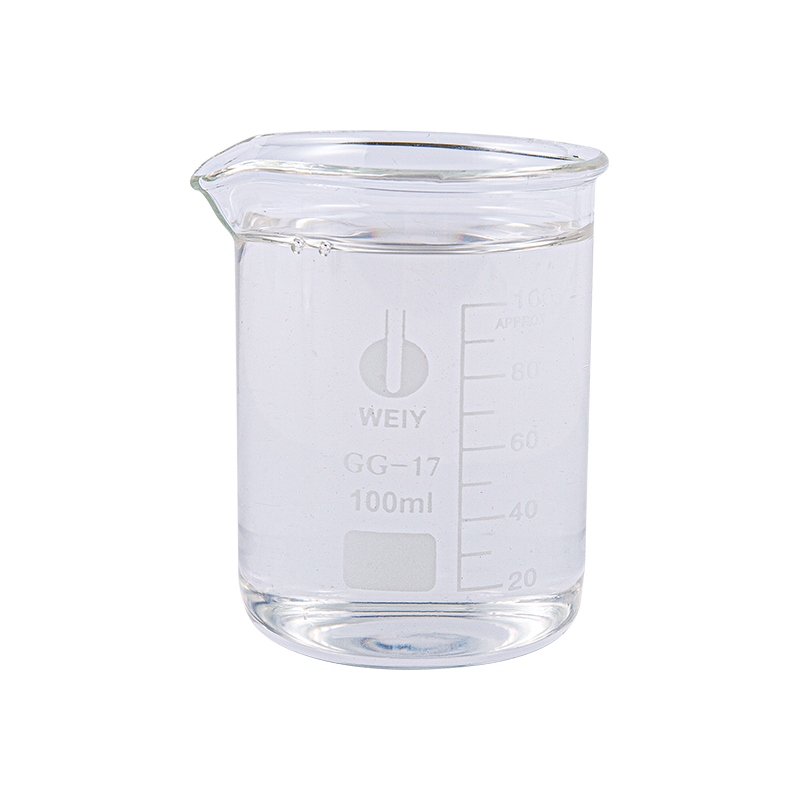
Sodium silicate (sodium water glass) model HLNAL-1, as follow the national standard GB/T4209-2008 liquid-1 model pr...
See Details
Sodium silicate (sodium water glass) model HLNAL-4, as follow the national standard GB/T4209-2008 liquid-4 model pr...
See Details
Sodium silicate (sodium water glass) model HLNAL-5, as a super high modulus (3.8-4.0) product produced beyond the n...
See Details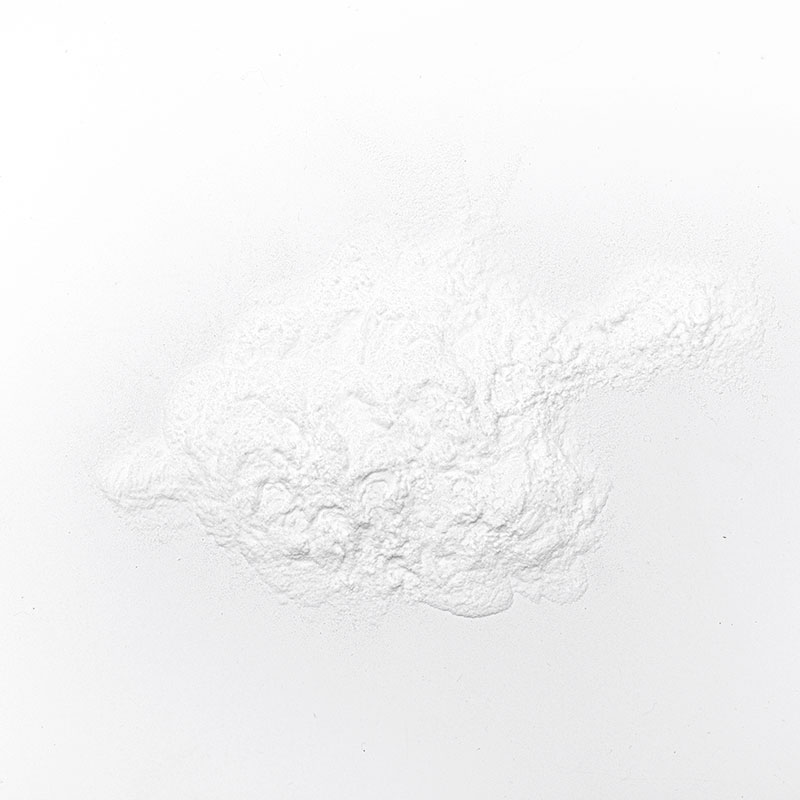
Powdered sodium silicate (model HLNAP-1 modulus 2.0±0.1) is a product made of liquid water glass by drying and spra...
See Details
Powdered Potassium Silicate (Model HLKP-1 Mode 2.4±0.1) is a product made of liquid potassium silicate by drying an...
See Details
Powdered Potassium Silicate (Model HLKP-2 Modulus 3.3±0.1) is a product made of liquid potassium silicate by drying...
See Details
Products
Sodium Silicate Potassium Silicate Lithium Silicate Sodium Methylsilicate Potassium Methylsilicate Silica Sol Inorganic Coatings And Binders Flooring SystemContact
Add:No. 7 Jiaye Road, Tongxiang City, Zhejiang Province, China Phone:+86-15257095913 Tel: +86-0573-88980238 Mob: +86-0573-88980238 E-mail:[email protected]