
 English
 عربى
عربى Español


 English
 عربى
عربى Español
Submit feedback
Home / Products
Inorganic Silicon Products Manufacturers
About
Tongxiang Hengli Chemical Co., Ltd.
Tongxiang Hengli Chemical Co., Ltd. specializes in the production of inorganic silicon products, we are China Inorganic Silicon Products Manufacturers and
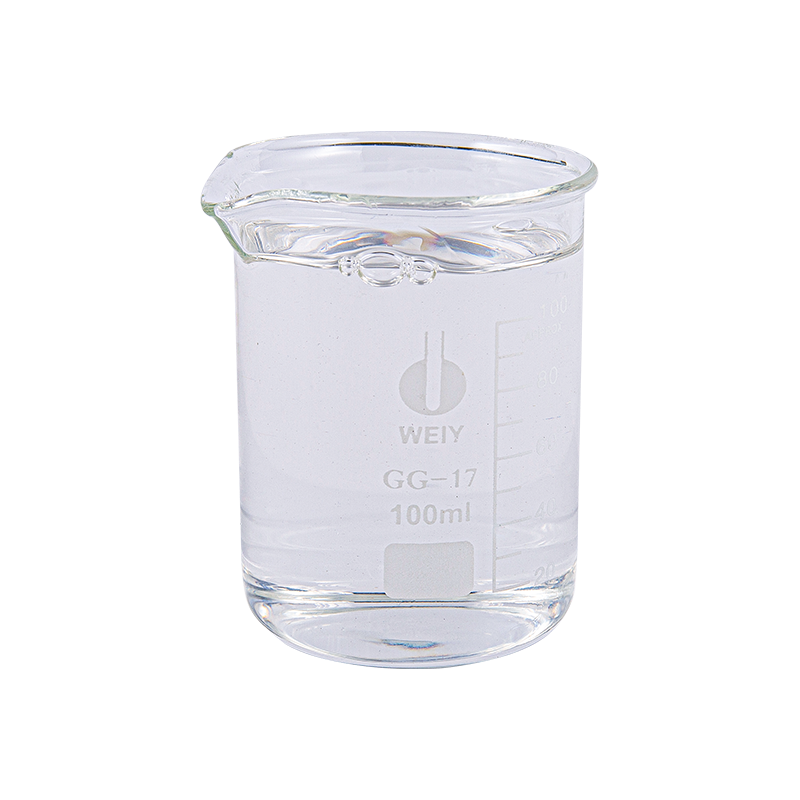
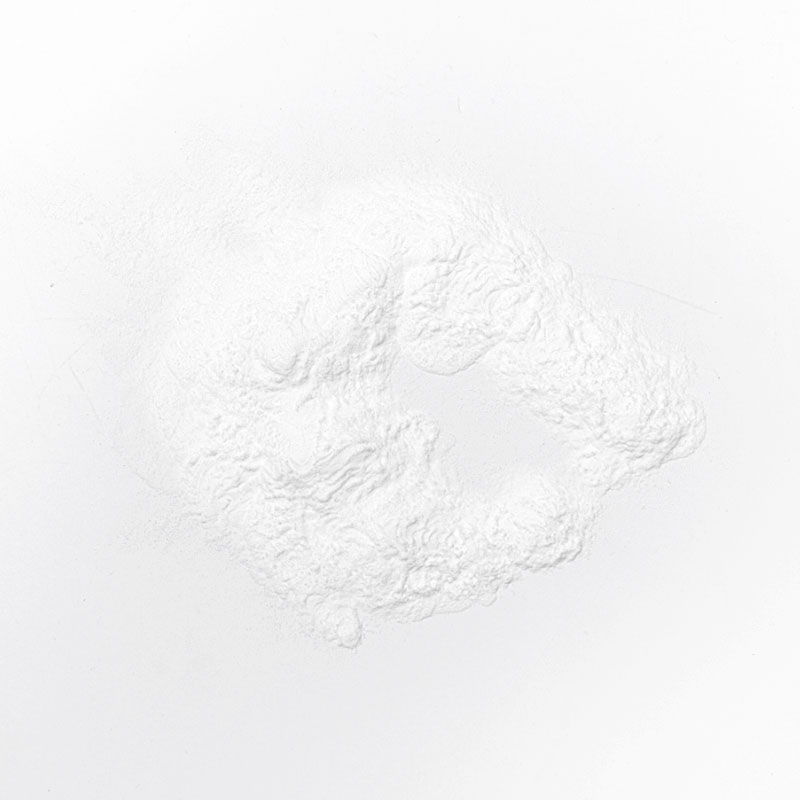
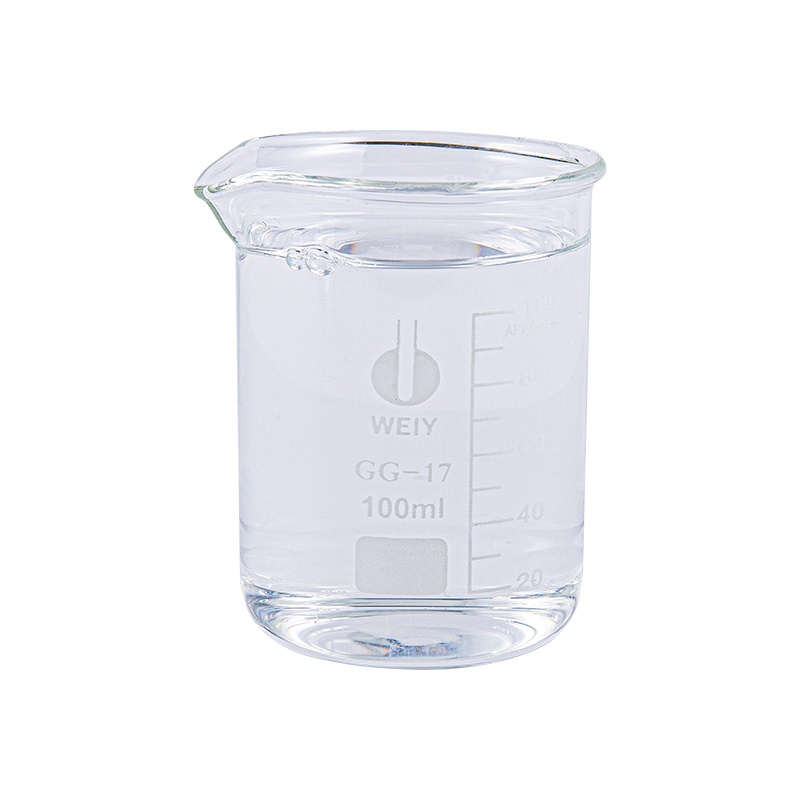
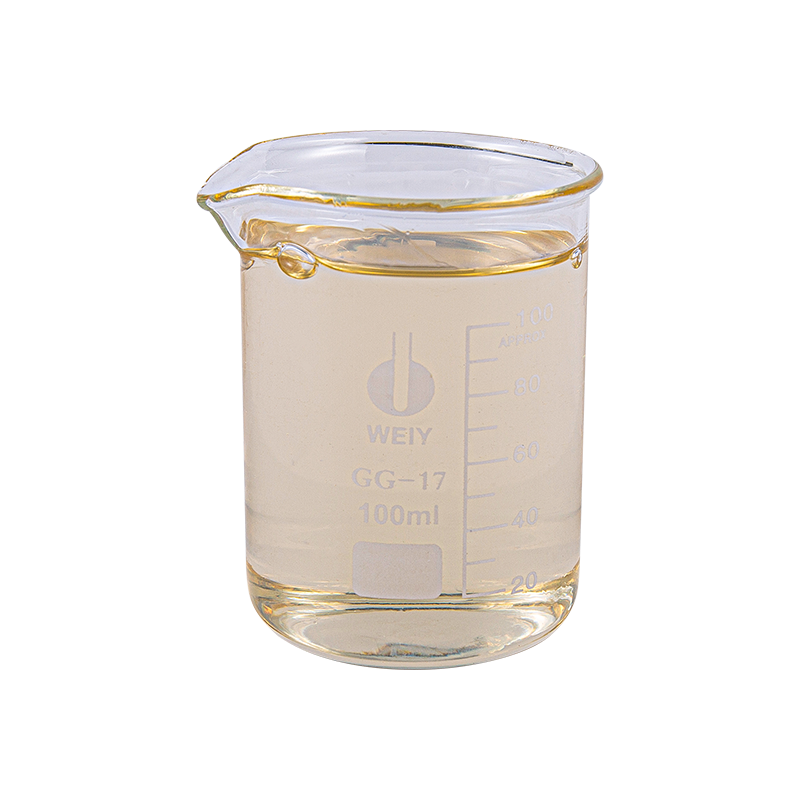
Wholesale Inorganic Silicon Products Company, our products with more than 30 product varieties including sodium silicate, potassium silicate, lithium silicate, silica sol, potassium methyl silicate, and inorganic high-temperature resistant adhesives. We provide OEM processing, welcome to contact us to customize various moduli and concentrations Inorganic Silicon Products.
The company relocated as a whole to the Fengming Economic Development Zone in Tongxiang City in 2015, covering an area of 18 acres with a building area of nearly 30000 square meters. The company has one national-level technical personnel and three senior technical personnel.
Integrate product development, production, and sales! The product is widely used in industries such as electronics, clothing and papermaking, agriculture, water-based coatings, sand casting, precision casting, and refractory materials. We sincerely welcome cooperation with you to create a better future together!
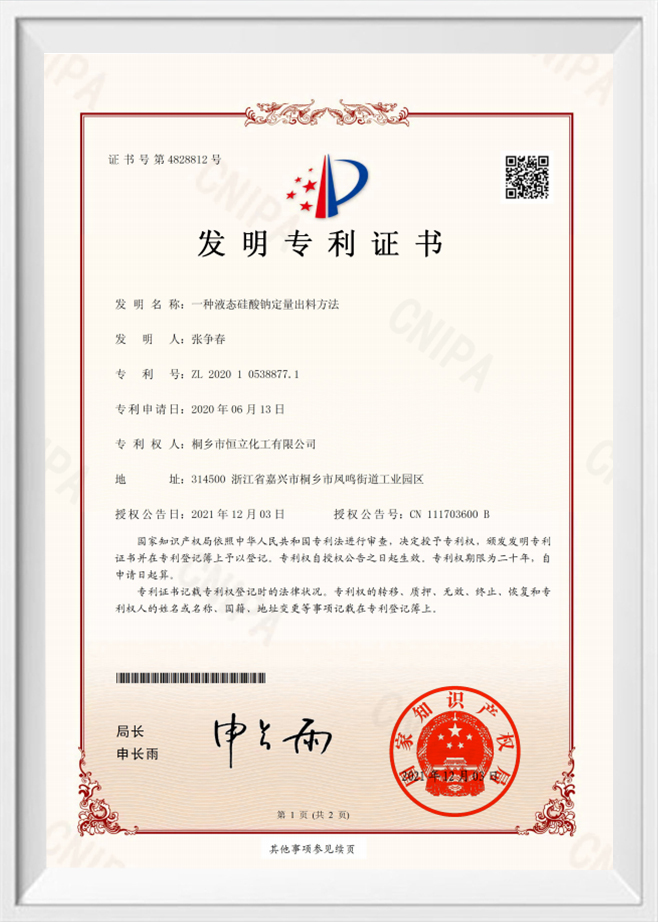
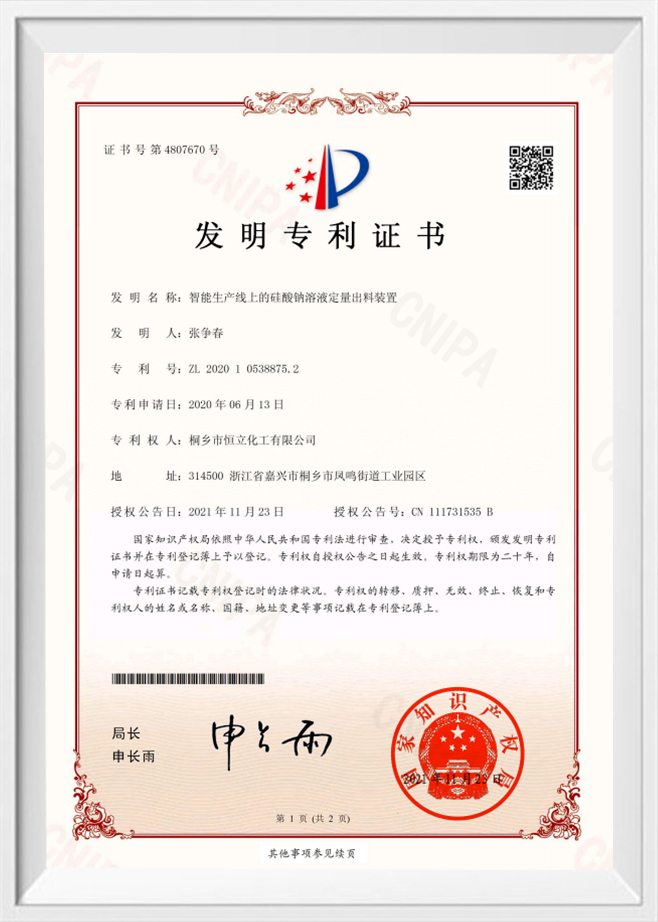
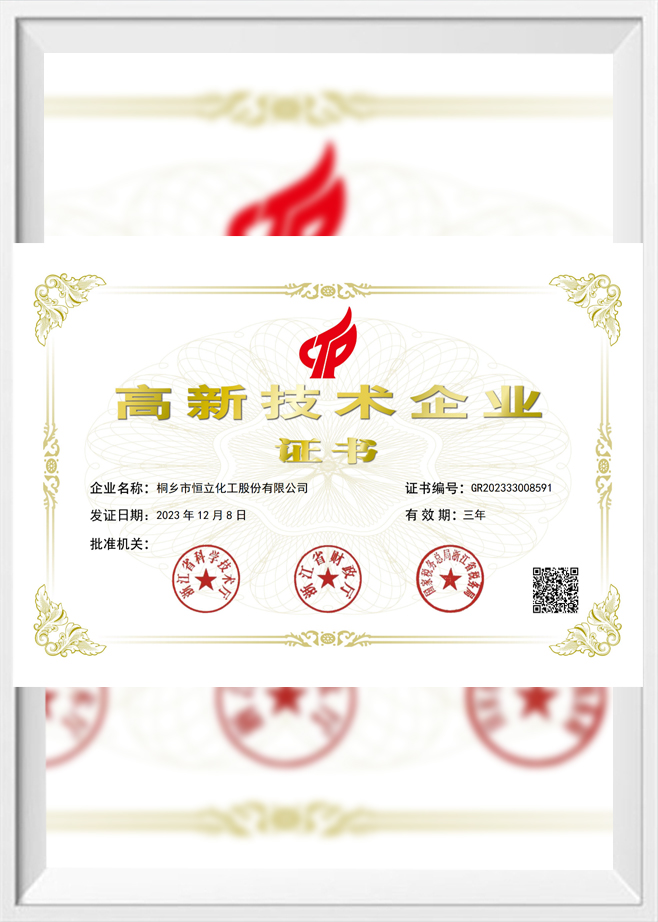
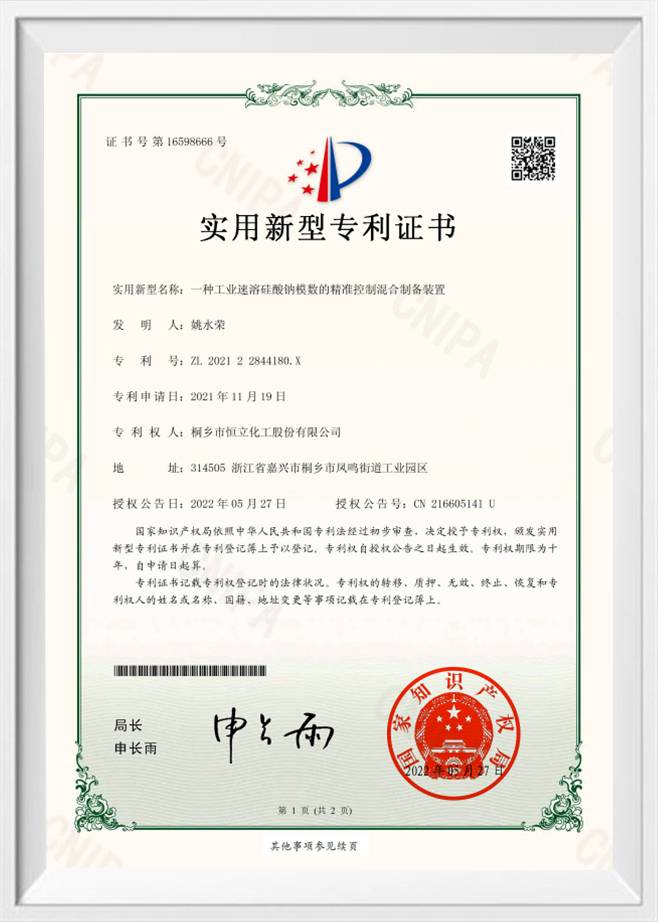
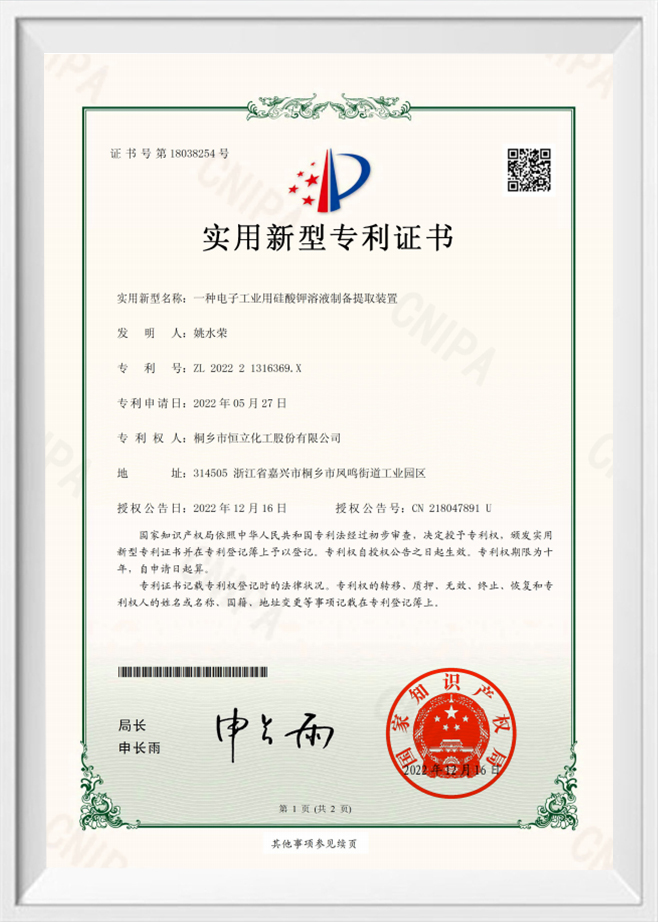
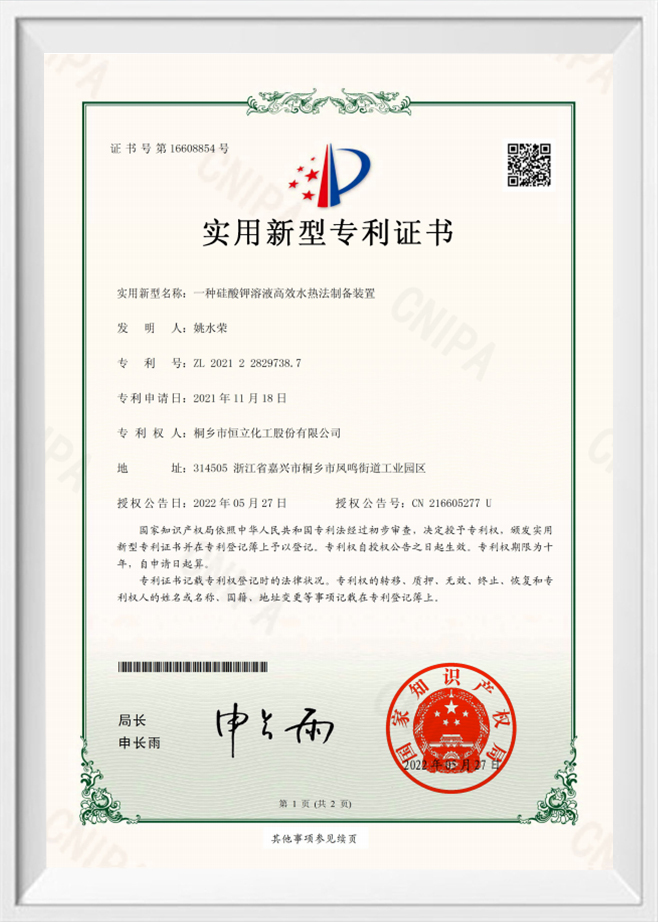
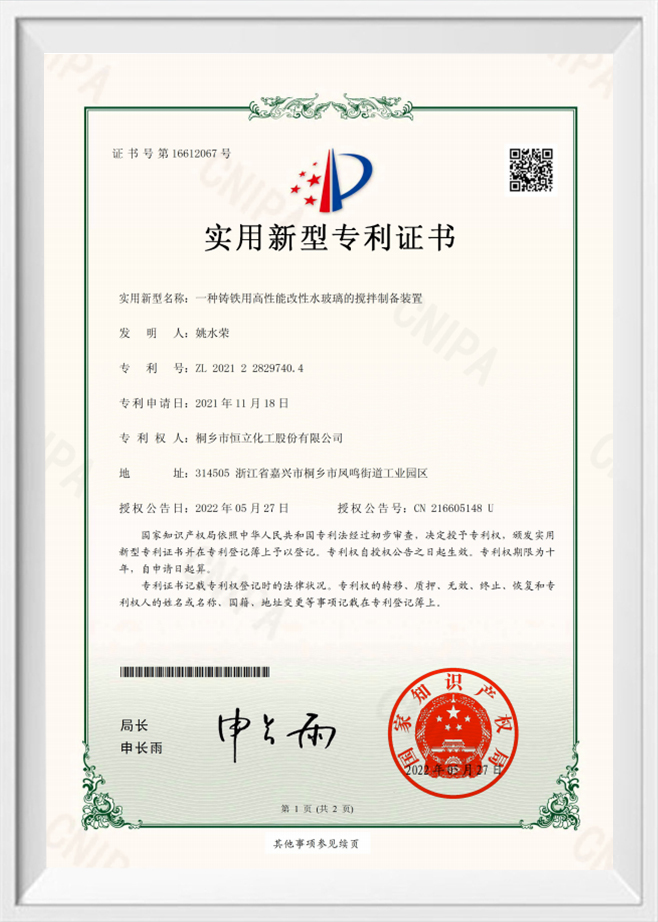
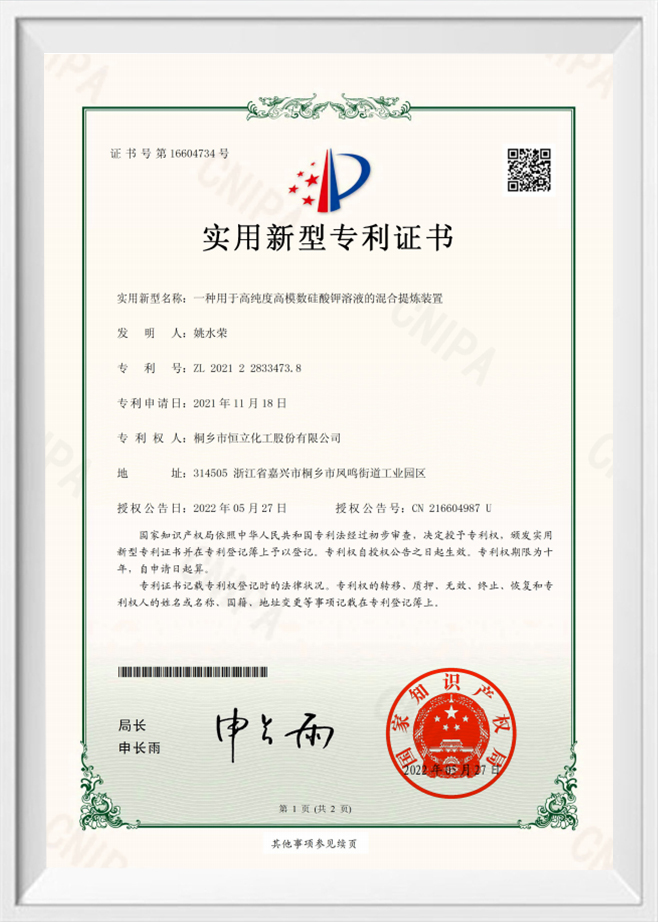
Certificate Of Honor
News
-
The Short Answer: Safe in Use, Never Careless For most construction and industrial users, the core question is practical: can sodium methylsilicate be used without creating avoidable health, structural or compliance pro...
READ MORE -
Why Water Treatment Facilities Are Turning to Sodium Silicate Solutions Water treatment operators today face mounting pressure from multiple directions. Coagulant costs continue to rise, regulatory compliance for lead a...
READ MORE -
In industrial maintenance and corrosion protection, few environments punish formulation mistakes as quickly as high-temperature service. Steel chimneys, exhaust ducts, incinerator linings, kiln shells, engine manifolds,...
READ MORE
Message Feedback
Inorganic Silicon Products Industry knowledge
Inorganic Silicon Products: Technical Specifications and Application Strategy
Industry Position and Product Portfolio
Inorganic silicon products function as fundamental materials across industrial systems spanning electronics, metallurgy, construction, and agriculture. The global market is dominated by the Asia-Pacific region, with China accounting for the largest production capacity and consumption volume. The value chain extends from basic construction materials to advanced semiconductor-grade components, with corresponding variations in technical requirements and application compatibility.
Chinese manufacturers have achieved competitive advantages in production capacity, yet differentiation through quality control and customization capabilities remains the determining factor for long-term competitiveness. Tongxiang Hengli Chemical Co., Ltd. exemplifies this competitive positioning, with an annual production capacity exceeding 200,000 tons of inorganic silicate products. The company’s portfolio encompasses sodium silicate, potassium silicate, lithium silicate, silica sol, potassium methylsilicate, and inorganic high-temperature adhesives—more than thirty product varieties. This comprehensive product integration enables procurement teams to access systematic solutions from a single supplier.
Core Product Technologies and Performance Characteristics
Sodium Silicate Modulus Selection
Sodium silicate performance is determined by the molar ratio of SiO₂ to Na₂O, typically ranging from 2.0 to 3.8. Higher moduli indicate greater silica content, resulting in slower curing but superior final strength; lower moduli accelerate hardening but increase brittleness. In foundry applications, the modulus selection for CO₂ curing directly affects sand mold demold time and plasticity. The choice between liquid and solid forms involves trade-offs among transportation costs, storage conditions, and operational convenience.
Potassium Silicate Application Value
Potassium silicate offers distinct advantages over sodium silicate due to its potassium content. In agricultural applications, potassium silicate foliar fertilizers strengthen plant disease resistance mechanisms by enhancing cell wall silicification, thereby improving resilience against pests and environmental stress. In high-temperature environments, potassium elevates the fusion temperature, making this product particularly valuable for ceramic and glass manufacturing processes requiring extreme thermal stability.
Lithium Silicate Precision Applications
Lithium silicate serves niche high-value markets. In precision casting binder systems, lithium silicate offers low thermal expansion coefficients and superior high-temperature stability, making it essential for producing complex thin-walled components. Its unique drying characteristics also enhance performance in specialized coating formulations.
Silica Sol Particle Control
Silica sol performance depends on SiO₂ particle size distribution and colloidal stability. In semiconductor CMP (Chemical Mechanical Polishing) applications, particle size uniformity directly influences polishing efficiency and surface quality. In ceramic or precision casting contexts, silica sol concentration and pH must align precisely with process requirements to ensure consistent bonding strength. Electronic-grade applications demand nanometer-scale precision in particle distribution.
Industrial Applications and Selection Strategy
Electronics and Semiconductors
Silica sol is indispensable in wafer processing and CMP operations. Its ultra-fine particles and surface properties make it ideal for precision polishing, requiring nanometer-level control of particle distribution to achieve target surface specifications.
Foundry Operations
CO₂ curing has become the dominant casting method, with sodium silicate serving as the critical binder. The reaction between sodium silicate and CO₂ generates silicic acid, rapidly hardening the sand mold. Modulus selection directly impacts mold hardening speed, demolding strength, and mold release characteristics. Precision casting demands more rigorous binder specifications, often requiring specialized silica sol or modified silicate systems.
Construction and Refractory Materials
Concrete densification sealers—typically potassium methylsilicate-based—react with free lime in concrete to fill micro-pores and enhance durability. Hengli Chemical’s potassium methylsilicate formulations have established proven market applications in this sector. Inorganic high-temperature adhesives see extensive use in bonding refractory bricks and ceramic engineering materials.
Textiles, Papermaking, and Coatings
Sodium silicate functions as an additive in papermaking, improving pulp plasticity and paper strength. In water-based coatings, silica sol enhances particle bonding, improving film adhesion and weathering resistance through a strengthened interparticle matrix.
Agricultural Sector
Potassium silicate serves as a foliar nutrient for rice, wheat, and other crops. By increasing plant silicon content, it enhances disease resistance and stress tolerance against drought and saline-alkaline conditions.
Technical Foundations for Procurement Decisions
Parameter Matching and Specification Confirmation
Selecting appropriate inorganic silicon products requires precise definition of key parameters: modulus (for silicates), concentration (for liquid products and silica sol), particle size distribution (for silica sol), pH value, and viscosity. Different applications exhibit varying sensitivity to these parameters; silica sol specifications for CMP applications demand far greater precision than those for ceramic bonding.
OEM Customization and Performance Stability
Large-scale procurement often requires product customization to match specific processes. Hengli Chemical’s technical team and extensive production experience enable comprehensive support across product development, manufacturing, and application phases, ensuring microstructure control and batch-to-batch consistency—critical factors for production stability.
Quality Verification and Supply Chain Reliability
Inorganic silicon product quality encompasses multiple dimensions: chemical composition (SiO₂, Na₂O, K₂O content), physical properties (viscosity, density, particle size), and impurity control. Establishing clear testing standards and conducting regular third-party verification ensures long-term supply reliability.
Industry Trends and Sustainable Development
Low-Carbon Production Initiatives
Strengthening global environmental regulations impose carbon emission constraints on inorganic silicon manufacturing. Advanced technologies such as carbon capture and pure oxygen combustion represent pathways toward low-carbon production, affecting raw material costs, process optimization, and final product performance.
Emerging Market Demand
New energy sectors—including lithium batteries and photovoltaics—demonstrate expanding demand for high-purity silica sol and premium silicate materials, driving continuous product innovation and application development.
Regional Market Differentiation
Different regions exhibit distinct demand structures. Developed markets prioritize high-end customized products, while emerging markets demonstrate cost-sensitivity. Suppliers with multi-location production capacity or rapid logistics capabilities gain competitive advantages.
Selecting inorganic silicon products fundamentally reflects deep process comprehension. From precise parameter matching to supplier stability and innovation capability, each element influences final product quality and cost efficiency. Choosing partners with strong technical expertise, comprehensive product portfolios, and reliable service support represents the optimal strategy for managing procurement risk and achieving process breakthrough.

Products
Sodium Silicate Potassium Silicate Lithium Silicate Sodium Methylsilicate Potassium Methylsilicate Silica Sol Inorganic Coatings And Binders Flooring SystemContact
Add:No. 7 Jiaye Road, Tongxiang City, Zhejiang Province, China Phone:+86-15257095913 Tel: +86-0573-88980238 Mob: +86-0573-88980238 E-mail:[email protected]
Copyright © 2024 Tongxiang Hengli Chemical Co., Ltd. All Rights Reserved.
Wholesale Inorganic Silicon Products Manufacturers
