
 English
 عربى
عربى Español

 English
 عربى
عربى Español
Sodium silicate(HLNAL-4)
Cat:Sodium Silicate Liquid
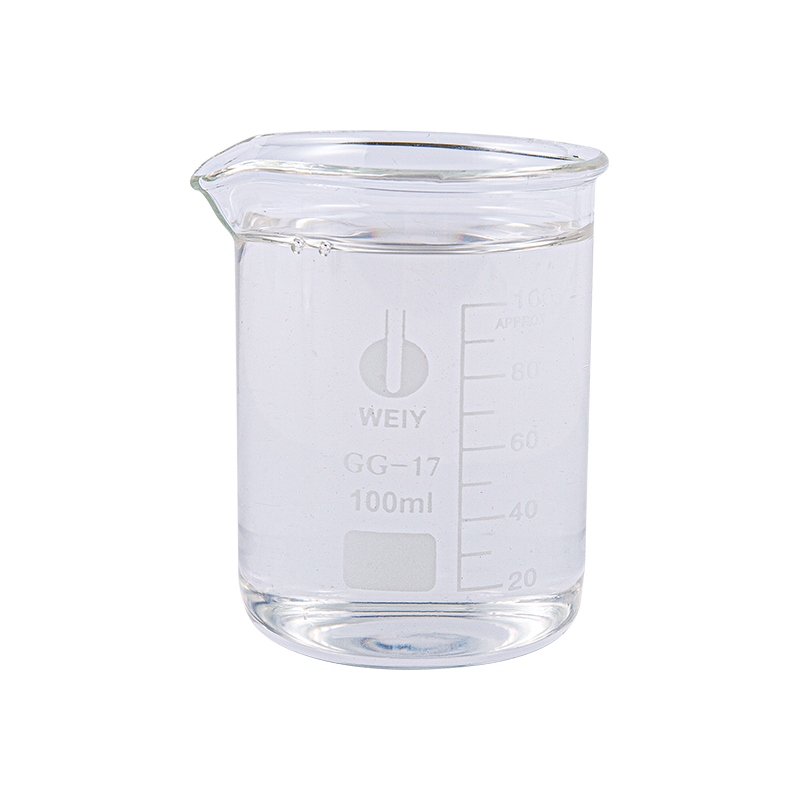
Sodium silicate (sodium water glass) model HLNAL-4, as follow the national standard GB/T4209-2008 liquid-4 model pr...
See Details
Sodium silicate, commonly known as water glass, is a versatile inorganic chemical compound that plays a foundational role in numerous industrial processes. Despite its unassuming appearance—typically a white powder or a viscous, clear liquid—this material is integral to manufacturing, construction, environmental management, and even art conservation. Understanding what sodium silicate is, how it works, and where it is applied can help industry professionals make informed choices about materials and process optimization.
Sodium silicate is produced by fusing silica sand (silicon dioxide) with sodium carbonate (soda ash) at high temperatures, typically around 1300–1400°C. The resulting solid glass is then dissolved in water under pressure to form liquid solutions of varying ratios of SiO₂ to Na₂O. The ratio determines the compound’s properties: higher silica content yields a more viscous, chemically resistant product, while higher alkali content improves solubility and reactivity.
The general chemical formula is Na₂O·nSiO₂, where n (the molar ratio) commonly ranges from 1.6 to 3.2. This tunability makes sodium silicate adaptable to a wide spectrum of industrial requirements.
Several intrinsic characteristics explain why sodium silicate is preferred over organic or other inorganic binders in many sectors:
Below is a structured overview of the primary industries using sodium silicate, followed by detailed explanations of each use case.
| Industry Sector | Primary Function | Example Application |
|---|---|---|
| Construction & Building | Binder, sealant, fireproofing | Cement additives, refractory cements, wood fireproofing |
| Foundry & Metal Casting | Core and mold binder | Sand cores for iron/steel casting |
| Water & Wastewater Treatment | Coagulant aid and corrosion inhibitor | Potable water clarification, pipe protection |
| Detergents & Cleaning | Builder and anti-redeposition agent | Laundry powders, industrial cleaners |
| Textiles & Paper | Sizing, coating, and flame retardant | Corrugated board adhesives, fabric back-coating |
| Automotive & Machinery | Repair sealant, exhaust system binder | Gasket sealers, muffler patching compounds |
| Art & Cultural Heritage | Consolidant and adhesive | Egg tempera preservation, wall painting fixation |
In the construction industry, sodium silicate is added to cement and mortar to reduce porosity and improve acid resistance. It reacts with calcium hydroxide in hydrated cement to form a calcium silicate gel that blocks capillary pores. This results in stronger, less permeable concrete—critical for sewage pipes and chemical plant floors.
For fireproofing, wood and textiles are impregnated with dilute sodium silicate solution. Upon heating, the material intumesces and releases water vapor, delaying ignition and heat transfer. Many passive fire protection coatings rely on this mechanism.
One of the oldest and largest uses of sodium silicate is as a binder for sand molds and cores. When mixed with silica sand and exposed to carbon dioxide gas, the mixture hardens rapidly, forming a rigid mold that holds fine details. Unlike organic resin binders, the sodium silicate system produces minimal toxic smoke during metal pouring, and used sand can be reclaimed with less environmental impact.
This application is particularly valued in jobbing foundries and for large castings where dimensional stability and collapsibility after casting are essential.
Municipal and industrial water treatment plants use sodium silicate for two main purposes. First, as a coagulant aid: it enhances the flocculation of suspended particles, especially in cold water where alum or ferric salts alone perform poorly. Second, as a corrosion inhibitor for lead and copper pipes. The silicate forms a thin, protective film on pipe interiors, reducing metal leaching into drinking water. This method is a common lead mitigation strategy in older distribution systems.
In powder detergents, sodium silicate serves multiple roles. It alkalizes wash water to aid in saponification of fats, disperses dirt to prevent redeposition on fabrics, and protects washing machine components from corrosion. It also acts as a processing aid during spray-drying of detergent powders, helping to form free-flowing granules.
Higher ratio silicate (e.g., 2.4–3.2) is preferred in heavy-duty industrial cleaners because it remains stable in liquid formulations and resists gelation.
In corrugated box manufacturing, sodium silicate remains a low-cost adhesive for bonding linerboard to fluting, especially in applications requiring fast setting at room temperature. For textiles, it is used as a back-coating to add weight, stiffness, and flame resistance. Some non-woven fabrics are bonded using silicate-based binders.
Industrial users typically handle sodium silicate in one of four forms:
Liquid solutions – Most common, supplied in bulk tanks or drums. Concentrations range from 35–50% solids.
Solid lumps or powder – Dissolved on-site when transport of liquid is uneconomical.
Two-part systems – Liquid silicate and a separate reactant (e.g., cement, diatomaceous earth, or acid salt) are mixed just before use.
CO₂ gassing setups – For foundry molds: sand + silicate mixture is compacted and purged with carbon dioxide.
Key handling considerations include avoiding contact with acids, which cause rapid gelation, and preventing prolonged skin contact due to alkalinity.
Sodium silicate is not classified as hazardous under most regulations, but its alkaline nature (liquid pH often 11–12) requires standard PPE: gloves, goggles, and protective clothing. Inhalation of dust from solid forms should be avoided.
From an environmental perspective, it is low in toxicity to aquatic life and is not bioaccumulative. Spent foundry sand containing sodium silicate can often be neutralized and reused as aggregate or soil conditioner, unlike phenolic resin-bonded sands that require hazardous waste disposal.
When choosing a sodium silicate product for a specific process, engineers should consider the following parameters:
Sodium silicate may be one of the oldest synthetic chemicals still in widespread industrial use, but its versatility keeps it relevant across disparate fields—from hard hats to historic frescoes, from water mains to muffler paste. It offers a rare combination of low cost, thermal stability, tunable reactivity, and environmental compatibility. For plant engineers, material specifiers, and process designers, understanding the basic relationships between its composition and performance unlocks practical solutions in bonding, sealing, protecting, and shaping materials.
Sodium silicate (sodium water glass) model HLNAL-4, as follow the national standard GB/T4209-2008 liquid-4 model pr...
See Details
Sodium silicate (sodium water glass) model HLNAL-6, as beyond the national standard GB/T4209-2008 standard producti...
See Details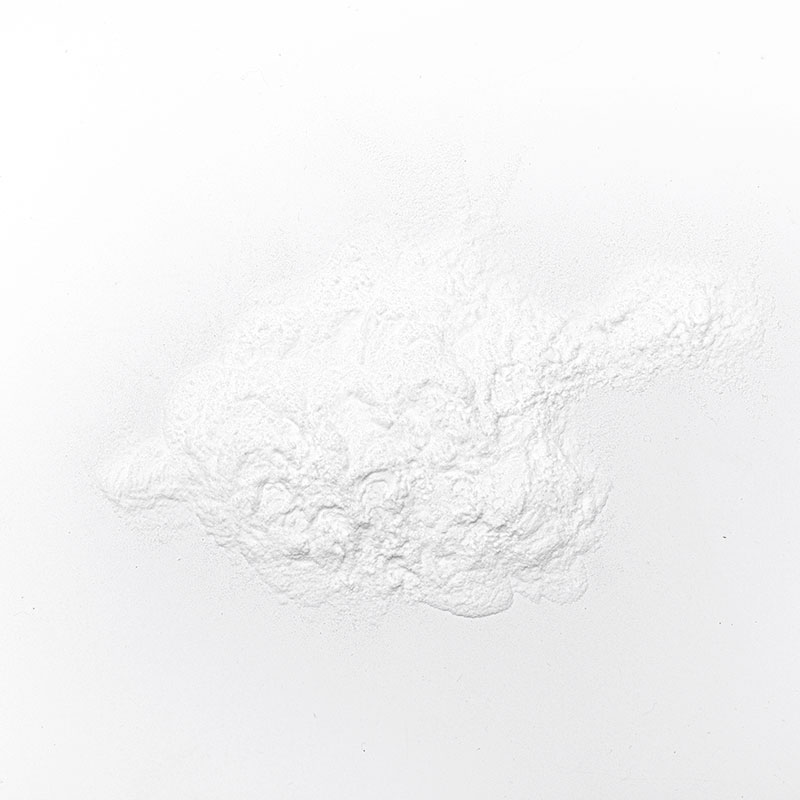
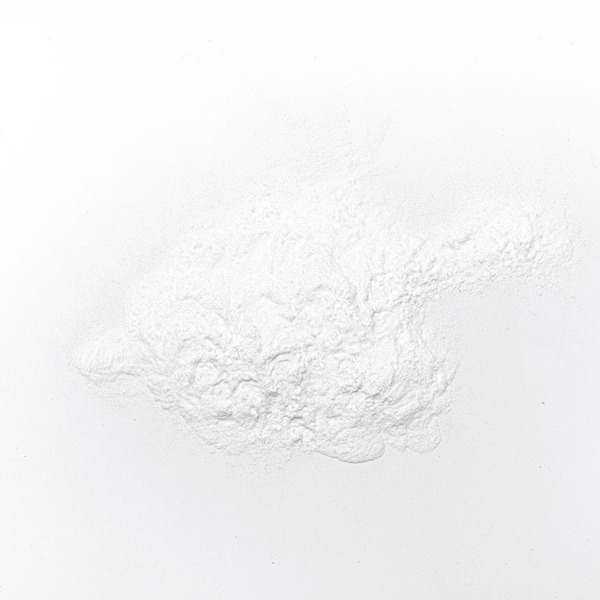
Powdered sodium silicate (model HLNAP-2 modulus 2.4±0.1) is a product made of liquid water glass by drying and spra...
See Details
Powdered sodium silicate (model HLNAP-3 modulus 2.9±0.1) is a product made of liquid water glass by drying and spra...
See Details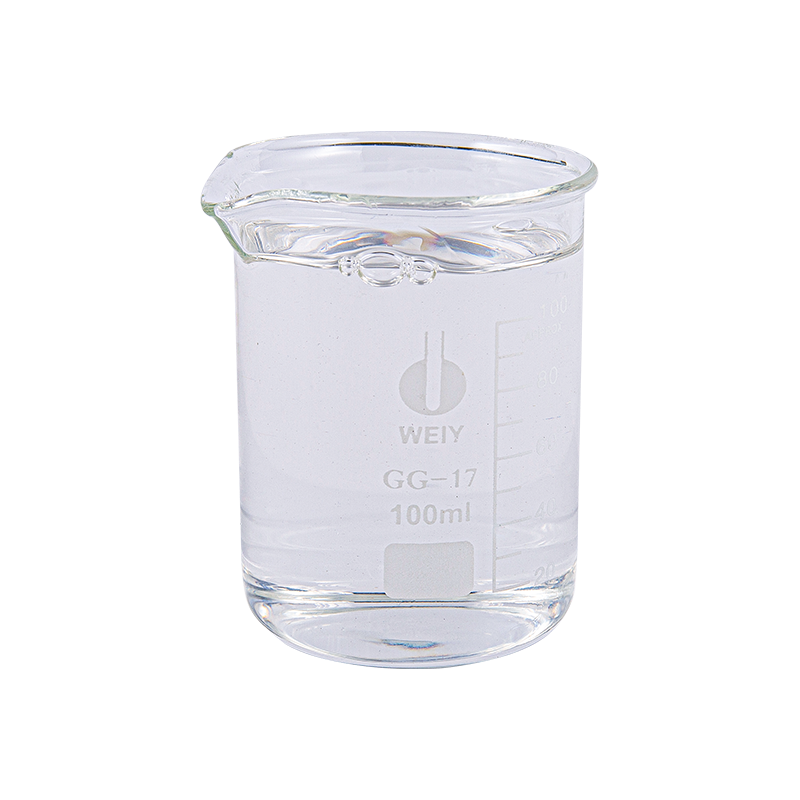
Liquid Potassium Silicate, Model HLKL-5 (Modulus 4.8-5.0), this product is a customized product with ultra-high mod...
See Details
Powdered Potassium Silicate (Model HLKP-2 Modulus 3.3±0.1) is a product made of liquid potassium silicate by drying...
See Details
Products
Sodium Silicate Potassium Silicate Lithium Silicate Sodium Methylsilicate Potassium Methylsilicate Silica Sol Inorganic Coatings And Binders Flooring SystemContact
Add:No. 7 Jiaye Road, Tongxiang City, Zhejiang Province, China Phone:+86-15257095913 Tel: +86-0573-88980238 Mob: +86-0573-88980238 E-mail:[email protected]