
 English
 عربى
عربى Español

 English
 عربى
عربى Español
Sodium silicate(HLNAL-1)
Cat:Sodium Silicate Liquid
Sodium silicate (sodium water glass) model HLNAL-1, as follow the national standard GB/T4209-2008 liquid-1 model pr...
See Details
The construction industry is undergoing a major transformation driven by sustainability goals, environmental regulations, and the demand for energy-efficient infrastructure. Among the materials supporting this shift, potassium silicate has gained increasing attention due to its unique chemical stability, binding capabilities, and environmentally friendly characteristics.
As a key component in modern green construction materials, potassium silicate plays an essential role in improving durability, reducing environmental impact, and enhancing building performance across multiple applications.
Potassium silicate is an inorganic compound formed by combining potassium oxide and silica under controlled conditions. It typically appears as a water-soluble alkaline solution or solid glass-like material when dried.
Its molecular structure provides strong adhesion, heat resistance, and chemical stability, making it suitable for a wide range of sustainable construction applications.
In green building technologies, potassium silicate functions primarily as a binder, stabilizer, and protective agent. Its eco-friendly properties help reduce reliance on organic solvents and synthetic resins, which are often associated with higher environmental impact.
Key contributions include:
Potassium silicate is widely integrated into various green construction technologies. The following table outlines its key applications and benefits:
| Application Area | Function of Potassium Silicate | Sustainability Benefit |
|---|---|---|
| Protective coatings | Forms durable, heat-resistant layers | Extends material lifespan |
| Concrete treatment | Strengthens surface structure | Reduces maintenance and resource use |
| Mineral paints | Acts as inorganic binder | Low VOC emissions |
| Soil stabilization | Improves ground cohesion | Reduces need for chemical additives |
| Fire-resistant materials | Enhances thermal stability | Improves building safety |
These applications demonstrate how potassium silicate supports both structural performance and environmental efficiency.
Potassium silicate is inorganic and does not release harmful volatile compounds. This makes it suitable for environmentally responsible construction systems focused on indoor air quality and sustainability.
When used in coatings or binders, it creates a hardened mineral layer that resists weathering, UV exposure, and chemical attack, reducing the need for frequent repairs.
One of the most important properties of potassium silicate is its ability to withstand high temperatures. It contributes to fire-resistant coatings and materials that slow flame spread and reduce structural damage.
It bonds effectively with mineral-based substrates such as concrete, stone, and masonry, improving surface integrity and reducing material degradation over time.
Potassium silicate integrates well with other eco-friendly construction materials such as lime-based systems, mineral fillers, and recycled aggregates.
Green construction is not only about materials but also about improving energy efficiency. Potassium silicate contributes indirectly by:
These effects contribute to lower energy consumption in heating and cooling systems.
While potassium silicate offers multiple advantages, its use requires careful formulation and application control.
Common considerations include:
Proper engineering design ensures optimal performance in construction systems.
1. What is potassium silicate used for in construction?
It is used as a binder, coating ingredient, and stabilizing agent in sustainable construction materials, especially for fire-resistant and mineral-based systems.
2. Is potassium silicate environmentally friendly?
Yes, it is inorganic and produces low or no volatile organic compounds, making it suitable for green building applications.
3. Can potassium silicate improve building durability?
Yes, it enhances resistance to weathering, chemicals, and UV exposure, extending the lifespan of construction materials.
4. How does potassium silicate support fire resistance?
It forms a heat-resistant mineral layer that slows down combustion and protects underlying structures.
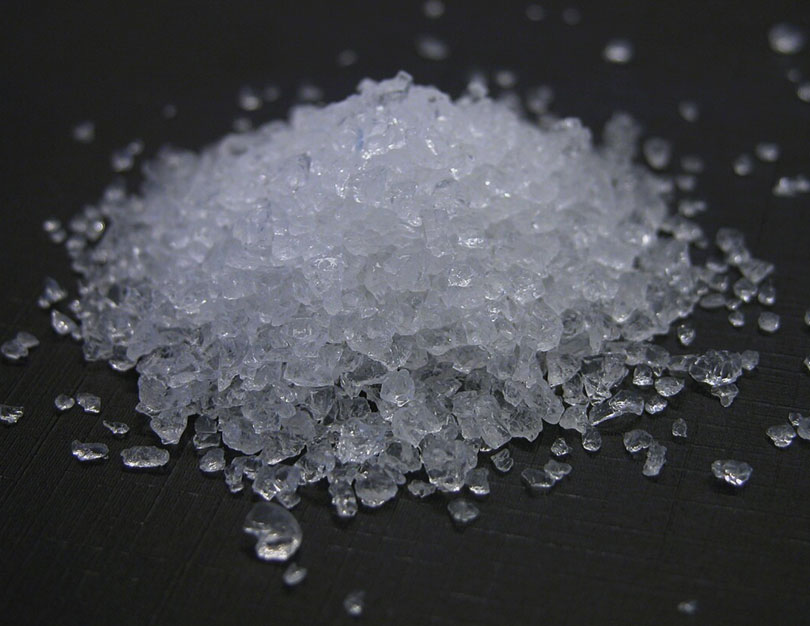
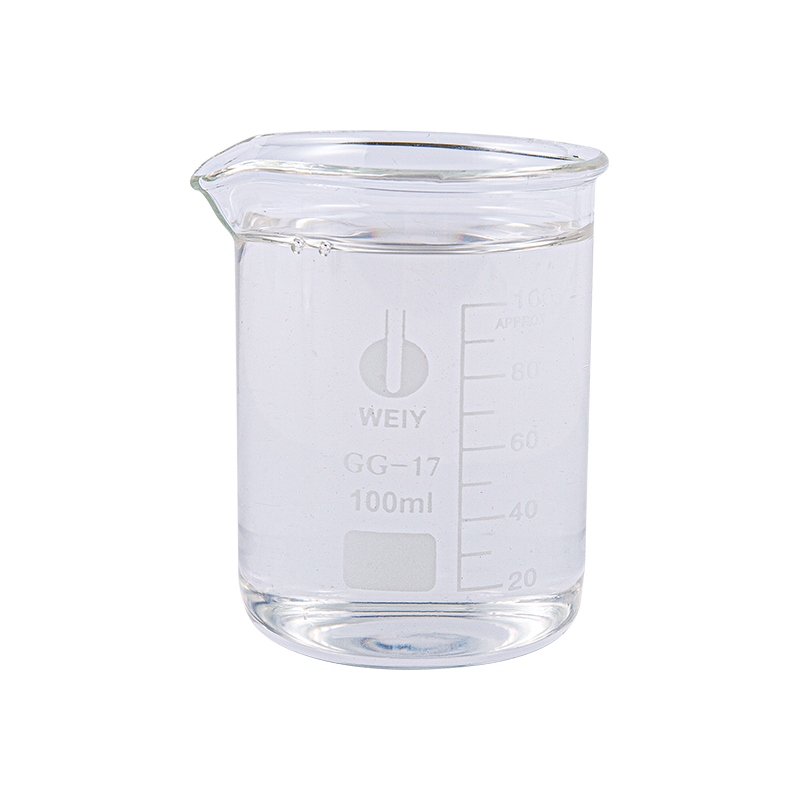
Sodium silicate (sodium water glass) model HLNAL-1, as follow the national standard GB/T4209-2008 liquid-1 model pr...
See Details
Sodium silicate (sodium water glass) model HLNAL-2, as follow the national standard GB/T4209-2008 liquid-2 model pr...
See Details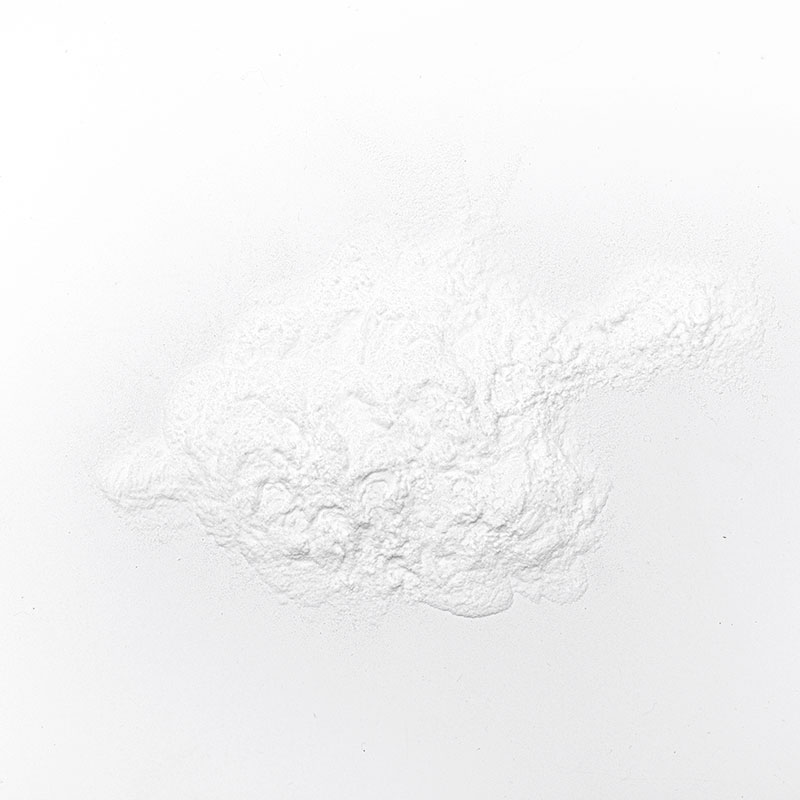
Powdered sodium silicate (model HLNAP-3 modulus 2.9±0.1) is a product made of liquid water glass by drying and spra...
See Details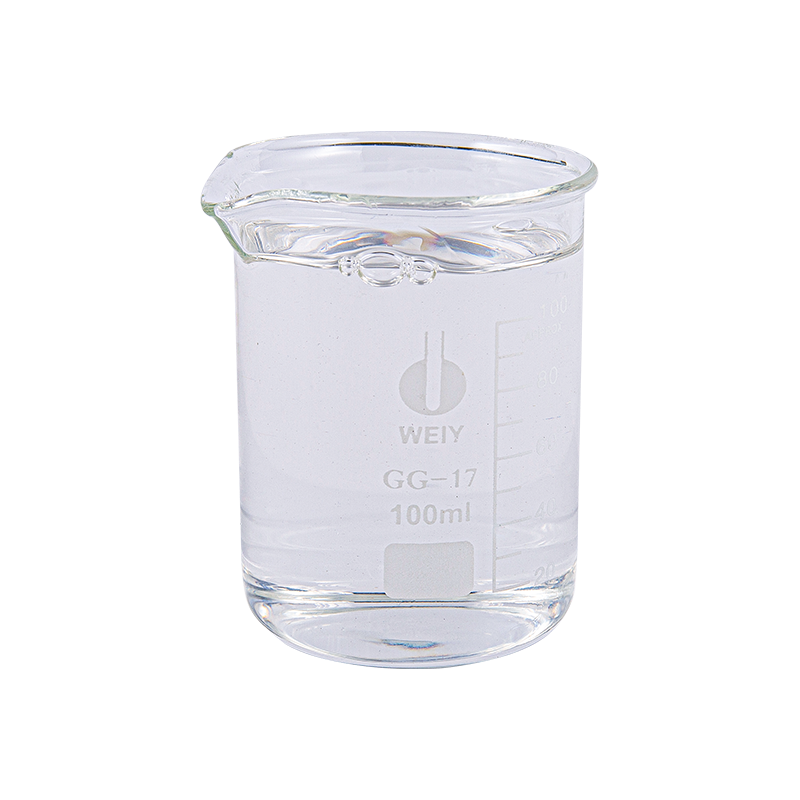
Liquid potassium silicate, model HLKL-1 (modulus 2.2-2.4), potassium silicate solution has better appearance and tr...
See Details
Liquid potassium silicate, model HLKL-4 (modulus 3.6-3.8), potassium silicate solution has better appearance and tr...
See Details
Powdered Potassium Silicate (Model HLKP-1 Mode 2.4±0.1) is a product made of liquid potassium silicate by drying an...
See Details
Products
Sodium Silicate Potassium Silicate Lithium Silicate Sodium Methylsilicate Potassium Methylsilicate Silica Sol Inorganic Coatings And Binders Flooring SystemContact
Add:No. 7 Jiaye Road, Tongxiang City, Zhejiang Province, China Phone:+86-15257095913 Tel: +86-0573-88980238 Mob: +86-0573-88980238 E-mail:[email protected]