
 English
 عربى
عربى Español

 English
 عربى
عربى Español
Sodium silicate(HLNAL-1)
Cat:Sodium Silicate Liquid
Sodium silicate (sodium water glass) model HLNAL-1, as follow the national standard GB/T4209-2008 liquid-1 model pr...
See Details
Natural stone materials are widely used in construction, landscaping, and architectural decoration due to their durability and aesthetic value. However, exposure to weathering, moisture penetration, acid rain, and mechanical wear gradually weakens stone structures. In modern material science, potassium methylsilicate has emerged as a highly effective chemical for stone protection and surface reinforcement.
This compound is known for its ability to penetrate porous stone structures and react with internal components, forming a hardened, stable matrix that significantly improves durability and resistance to environmental damage.
Potassium methylsilicate functions through a deep penetration and chemical reaction mechanism. Once applied to stone surfaces, it enters capillary pores and reacts with moisture and mineral components. This process leads to the formation of a silica-based structure that strengthens the internal bonding of the stone.
Unlike surface coatings that form a film, this treatment modifies the internal structure, ensuring long-term protection without altering the natural appearance of the stone.
The advantages of potassium methylsilicate in stone protection can be summarized as follows:
| Function | Performance Effect | Result |
|---|---|---|
| Deep Penetration | Enters porous stone structure | Internal reinforcement |
| Water Resistance | Reduces moisture absorption | Prevents cracking and erosion |
| Surface Hardening | Improves density and compactness | Higher abrasion resistance |
| Chemical Stability | Resists acid and pollutant attack | Longer service life |
| Breathability | Maintains vapor permeability | Prevents trapped moisture damage |
These properties make it suitable for both new stone treatment and restoration of aged materials.
Potassium methylsilicate is widely used in protecting building facades made of limestone, sandstone, and granite. It enhances structural stability while preserving the original texture and color.
In restoration projects, stone conservation requires materials that do not alter historical appearance. This compound strengthens deteriorated stone without forming visible layers.
Garden paths, decorative stone walls, and sculptures are continuously exposed to rain and temperature changes. The treatment improves resistance to freeze-thaw cycles and surface erosion.
Stone-based industrial floors require high wear resistance. The material enhances surface hardness, reducing dust formation and mechanical degradation.
In manufacturing environments, potassium methylsilicate is applied before installation to improve long-term performance and reduce maintenance needs.
Proper application is critical to achieving optimal performance. The general process includes:
Surface cleaning to remove dust, oil, and contaminants
Uniform spraying or brushing of potassium methylsilicate solution
Allowing sufficient penetration time into stone pores
Natural drying and chemical stabilization
Optional second application for high-absorption stone
This simple process ensures deep structural enhancement without complex equipment requirements.
| Treatment Type | Protection Mode | Durability | Appearance Impact |
|---|---|---|---|
| Surface Coating | External film barrier | Medium | May alter texture |
| Wax Treatment | Temporary sealing | Low | Glossy finish |
| potassium methylsilicate | Internal chemical strengthening | High | No visible change |
This comparison highlights why chemical-based stone hardening is increasingly preferred in modern construction applications.
One of the major benefits of potassium methylsilicate is its environmentally compatible behavior. It does not create thick surface films that block natural breathing of stone. Instead, it supports moisture balance and reduces long-term structural decay.
Additionally, by extending the service life of stone materials, it helps reduce replacement frequency and overall material consumption in construction projects.
potassium methylsilicate represents a significant advancement in stone protection technology. Through internal reinforcement rather than surface sealing, it provides durable, breathable, and environmentally stable protection for a wide range of stone materials. Its innovative applications in architecture, restoration, and industrial flooring demonstrate its importance in modern construction chemistry.
Q1: What types of stone can be treated with potassium methylsilicate?
It is suitable for porous natural stones such as limestone, sandstone, and similar mineral-based materials.
Q2: Does it change the appearance of stone surfaces?
No, it penetrates internally and preserves the original color and texture.
Q3: How long does the protection effect last?
The effect is long-term due to internal structural reinforcement, though durability may vary depending on environmental conditions.
Q4: Can it be used for old or damaged stone?
Yes, it is commonly used in restoration projects to strengthen weakened stone structures.
Q5: Is reapplication necessary?
In some high-exposure environments, a second application may be recommended for enhanced protection.
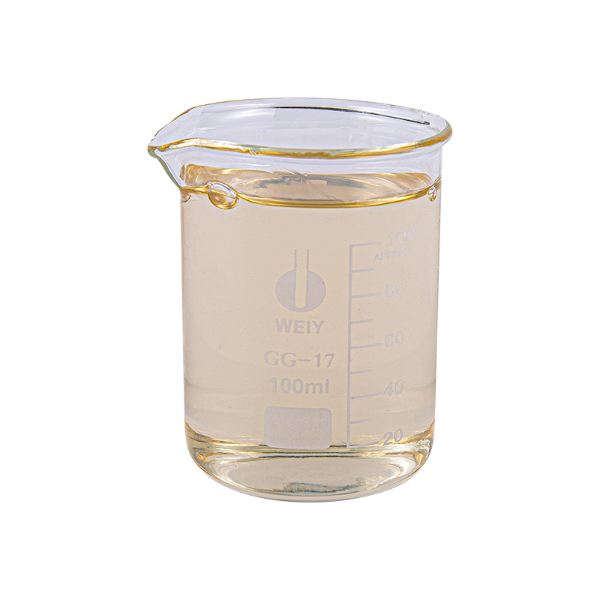
Sodium silicate (sodium water glass) model HLNAL-1, as follow the national standard GB/T4209-2008 liquid-1 model pr...
See Details
Sodium silicate (sodium water glass) model HLNAL-3, as follow the national standard GB/T4209-2008 liquid-3 model pr...
See Details
Sodium silicate (sodium water glass) model HLNAL-4, as follow the national standard GB/T4209-2008 liquid-4 model pr...
See Details
Powdered sodium silicate (model HLNAP-2 modulus 2.4±0.1) is a product made of liquid water glass by drying and spra...
See Details
Liquid Potassium Silicate, Model HLKL-2 (Modulus 2.7-3.0), Potassium silicate solution has better appearance and tr...
See Details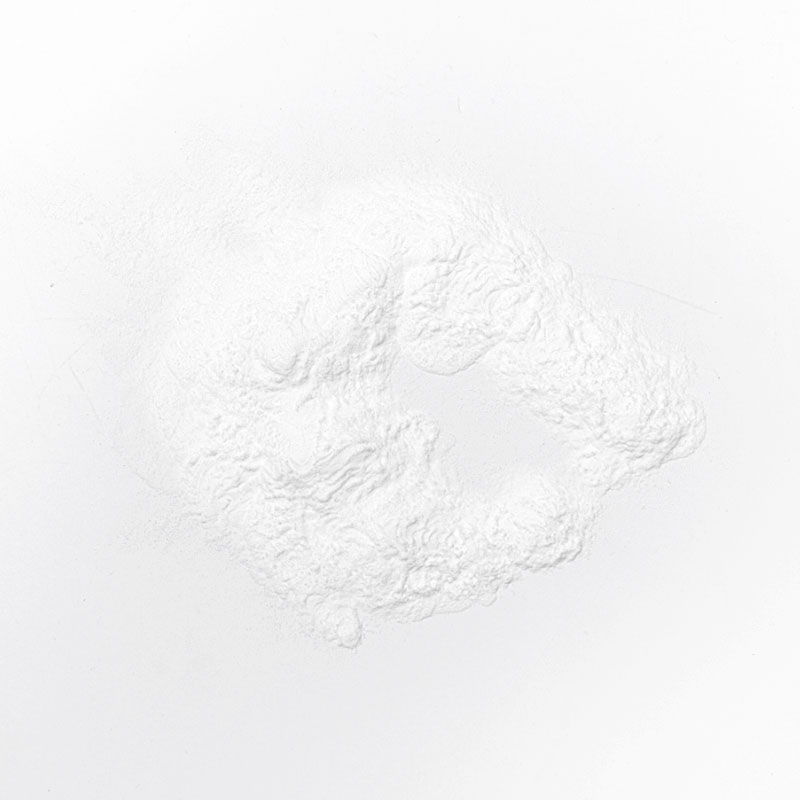
Powdered Potassium Silicate (Model HLKP-1 Mode 2.4±0.1) is a product made of liquid potassium silicate by drying an...
See Details
Products
Sodium Silicate Potassium Silicate Lithium Silicate Sodium Methylsilicate Potassium Methylsilicate Silica Sol Inorganic Coatings And Binders Flooring SystemContact
Add:No. 7 Jiaye Road, Tongxiang City, Zhejiang Province, China Phone:+86-15257095913 Tel: +86-0573-88980238 Mob: +86-0573-88980238 E-mail:[email protected]