
 English
 عربى
عربى Español

 English
 عربى
عربى Español
Sodium silicate(HLNAL-4)
Cat:Sodium Silicate Liquid
Sodium silicate (sodium water glass) model HLNAL-4, as follow the national standard GB/T4209-2008 liquid-4 model pr...
See Details
Potassium silicate has emerged as a versatile material in a wide array of industrial, agricultural, and chemical applications. Its unique chemical structure, high alkalinity, and ability to form protective silicate layers make it indispensable in applications ranging from crop protection to coatings, adhesives, and water treatment. Both powder potassium silicate and liquid potassium silicate are widely used, but their effectiveness depends largely on their purity and intrinsic performance characteristics. Understanding the factors that influence these properties is critical for manufacturers, formulators, and end-users aiming to maximize the benefits of this compound.
Potassium silicate, a potassium salt of silicic acid, is commonly available in two forms: solid powder and aqueous solution. Powder potassium silicate typically contains high concentrations of silica and potassium oxide, making it suitable for long-term storage and transport. Liquid potassium silicate, also known as silicate solutions or water glass, is used extensively for immediate application in agriculture, construction, and industrial processes due to its ease of dispersion and reactivity.
Its core functionalities include:
The performance of potassium silicate is directly linked to its purity, particle morphology (for powders), concentration (for liquids), and chemical stability. Slight variations in manufacturing processes or storage conditions can significantly impact its effectiveness in these applications.
The purity of potassium silicate determines its chemical stability, reactivity, and overall application performance. Several key factors influence its purity:
The quality of raw materials used in the production of potassium silicate is paramount. Silica sources, such as quartz sand or silicate rock, must be free from metal impurities like iron, aluminum, or calcium. Potassium hydroxide, the main alkali reagent, should also be of high purity to avoid introducing contaminants that can interfere with solubility or stability.
| Raw Material | Typical Impurity | Effect on Purity |
|---|---|---|
| Quartz sand | Iron, aluminum | Causes coloration and reduces chemical stability |
| Potassium hydroxide | Sodium, carbonate | Reduces alkalinity and may introduce insoluble residues |
| Silicate rock | Calcium, magnesium | Forms insoluble silicate by-products, lowering purity |
The production method—commonly involving the reaction of silica with potassium hydroxide at elevated temperatures—significantly affects purity. Key considerations include:
Environmental control during production and storage is essential. Humidity, temperature fluctuations, and exposure to CO₂ can affect purity:
The performance of potassium silicate is closely tied to its chemical composition, physical form, and processing. Performance can be evaluated in terms of solubility, reactivity, stability, and functional efficacy in target applications.
The SiO₂:K₂O ratio in potassium silicate determines its alkalinity and film-forming capacity. Higher silica content generally enhances structural stability but can reduce solubility, particularly in powder potassium silicate. Conversely, a lower SiO₂:K₂O ratio increases alkalinity but may compromise mechanical strength in coatings or binders.
| Form | Advantages | Limitations |
|---|---|---|
| Powder potassium silicate | Long shelf life, easy to transport, customizable concentration | Requires dissolution before use, risk of incomplete hydration |
| Liquid potassium silicate | Ready-to-use, uniform dispersion, rapid application | Heavier to transport, prone to carbonation and microbial growth |
Smaller particle sizes increase surface area, leading to faster dissolution and higher reactivity. However, ultra-fine powders can absorb moisture more readily, which may lead to caking or reduced shelf stability.
The performance of liquid potassium silicate depends on its concentration and resulting viscosity. High-viscosity solutions can form thicker protective films in coatings or adhesives but may be more difficult to spray or mix. Low-viscosity solutions are easier to handle but may require higher dosages to achieve the same effect.
In many industrial applications, potassium silicate is combined with stabilizers, surfactants, or other chemical modifiers to enhance performance. While these additives can improve handling and functional properties, they may also introduce impurities if not carefully selected.
The following table summarizes the typical performance characteristics of powder and liquid potassium silicate:
| Property | Powder Potassium Silicate | Liquid Potassium Silicate |
|---|---|---|
| SiO₂:K₂O Ratio | Adjustable, typically 2–3:1 | Fixed by solution concentration |
| Solubility | Requires dissolution; influenced by particle size | Fully soluble, immediate application |
| Alkalinity | Moderate to high | Moderate to high |
| Shelf Life | Long, if sealed | Shorter, requires proper storage |
| Application Ease | Moderate; needs preparation | High; ready-to-use |
| Moisture Sensitivity | High | Moderate; stable in sealed containers |
| Typical Uses | Industrial binders, fertilizers, refractory materials | Coatings, liquid fertilizers, surface treatment |
To achieve high-quality potassium silicate, manufacturers and end-users can consider the following strategies:
Q1: What is the difference between powder potassium silicate and liquid potassium silicate?
A1: Powder potassium silicate is a solid form that requires dissolution before use, offering long shelf life and easy transport. Liquid potassium silicate is an aqueous solution, ready-to-use, and provides immediate application advantages but requires careful storage to avoid degradation.
Q2: How does the SiO₂:K₂O ratio affect performance?
A2: The SiO₂:K₂O ratio influences alkalinity, solubility, and film-forming capacity. Higher silica improves structural stability but may reduce solubility, while higher potassium content increases alkalinity but may compromise mechanical strength.
Q3: What storage conditions are ideal for potassium silicate?
A3: Both powder and liquid forms should be stored in sealed containers, away from moisture and carbon dioxide. Temperature fluctuations should be minimized to maintain purity and performance.
Q4: Can additives improve the performance of potassium silicate?
A4: Yes, stabilizers, surfactants, and modifiers can enhance handling, solubility, and functional properties. However, care must be taken to avoid introducing impurities.
Q5: How can manufacturers ensure consistent quality?
A5: Consistent quality can be achieved through careful raw material selection, controlled reaction conditions, post-processing treatments, proper storage, and regular quality testing of key parameters like SiO₂:K₂O ratio and soluble silica content.
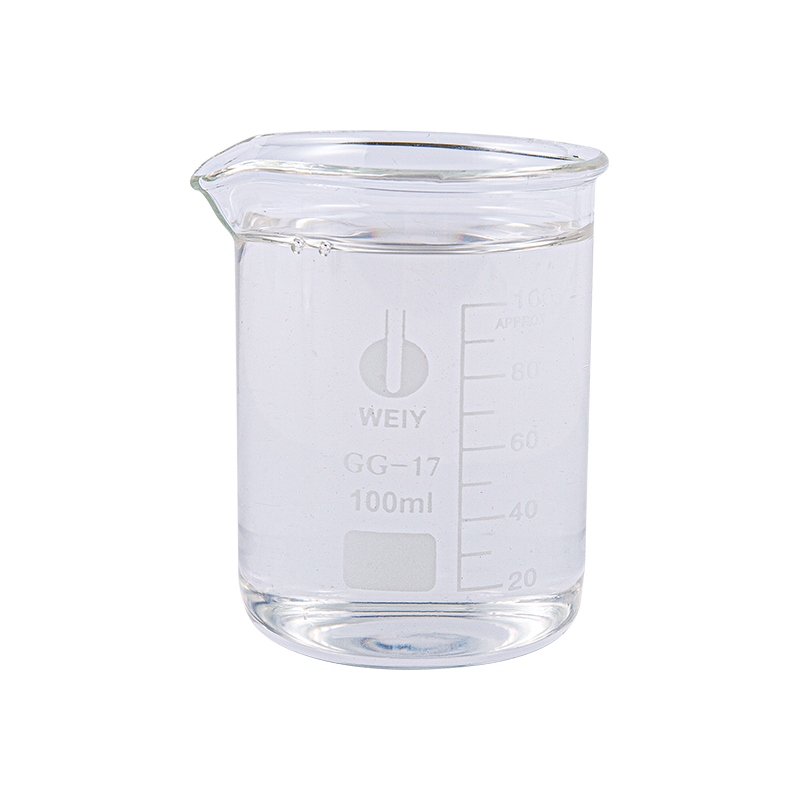
Sodium silicate (sodium water glass) model HLNAL-4, as follow the national standard GB/T4209-2008 liquid-4 model pr...
See Details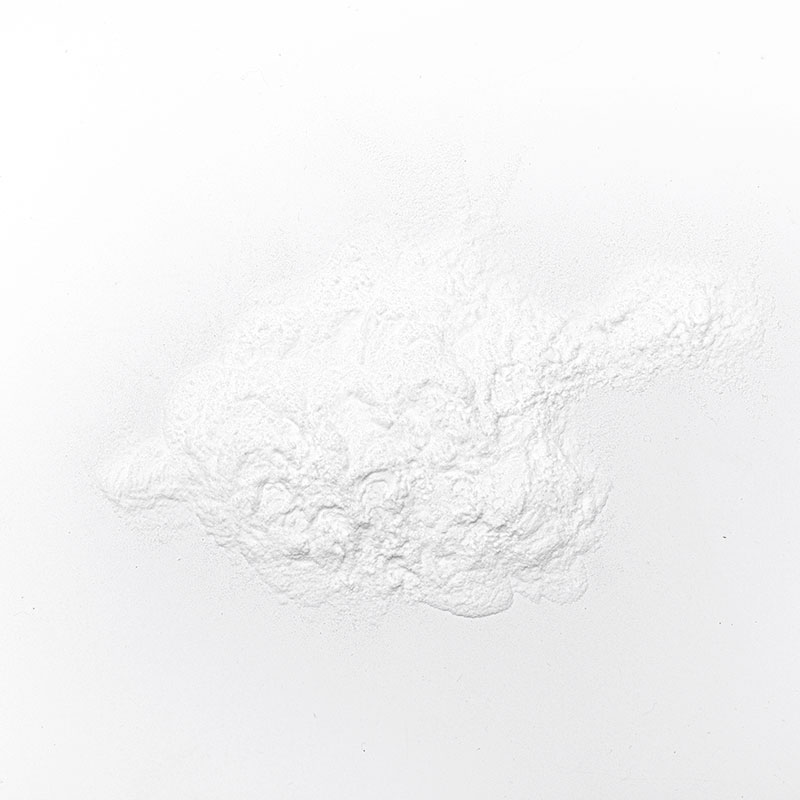
Powdered sodium silicate (model HLNAP-3 modulus 2.9±0.1) is a product made of liquid water glass by drying and spra...
See Details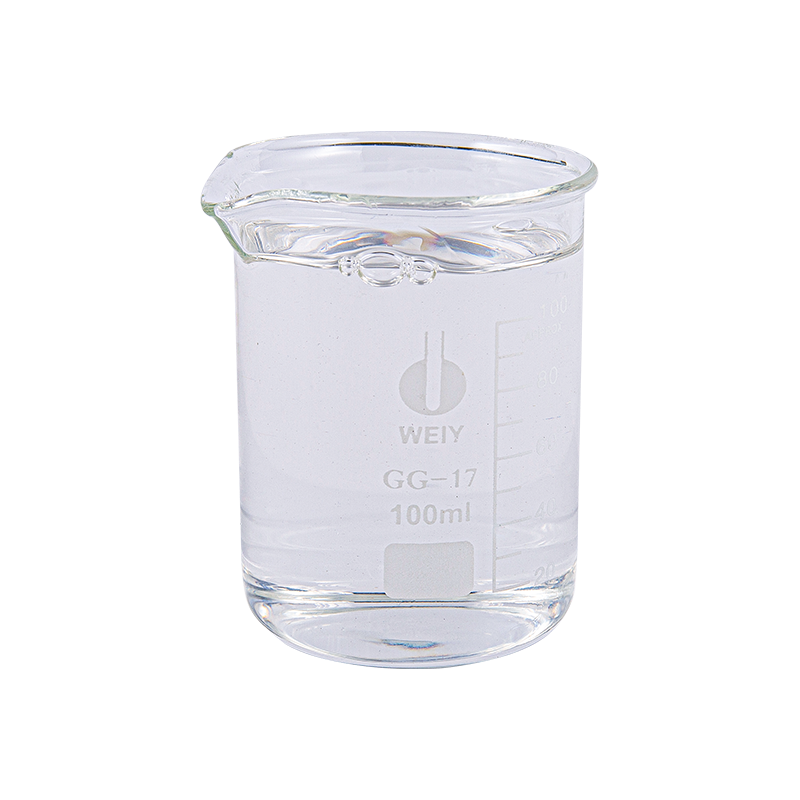
Liquid potassium silicate, model HLKL-1 (modulus 2.2-2.4), potassium silicate solution has better appearance and tr...
See Details
Liquid potassium silicate, model HLKL-4 (modulus 3.6-3.8), potassium silicate solution has better appearance and tr...
See Details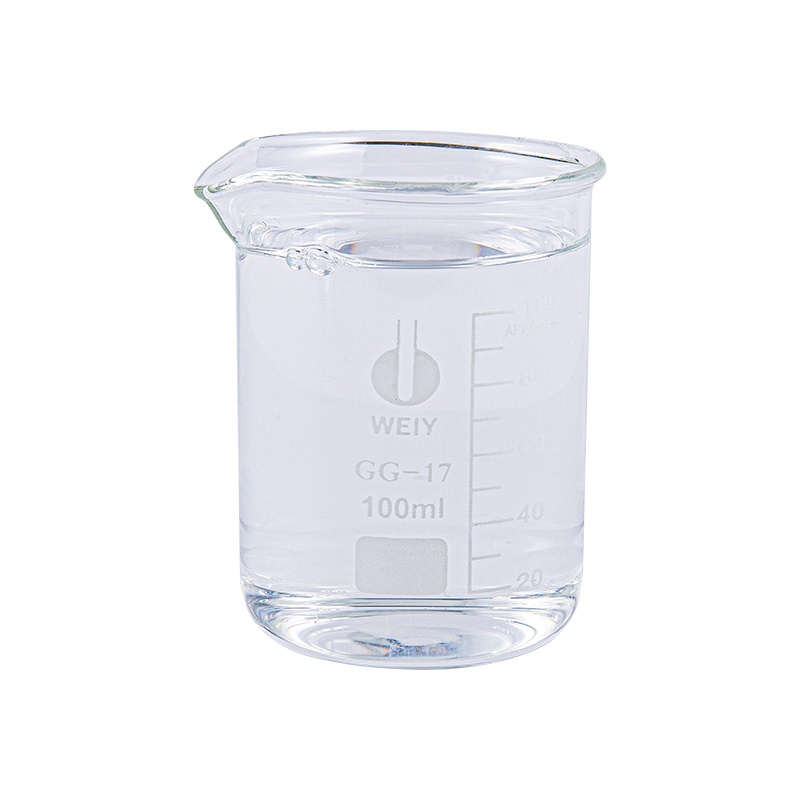
Liquid Lithium Silicate, Model HLLL-1, As an important member of the silicate family, lithium silicate does have a ...
See Details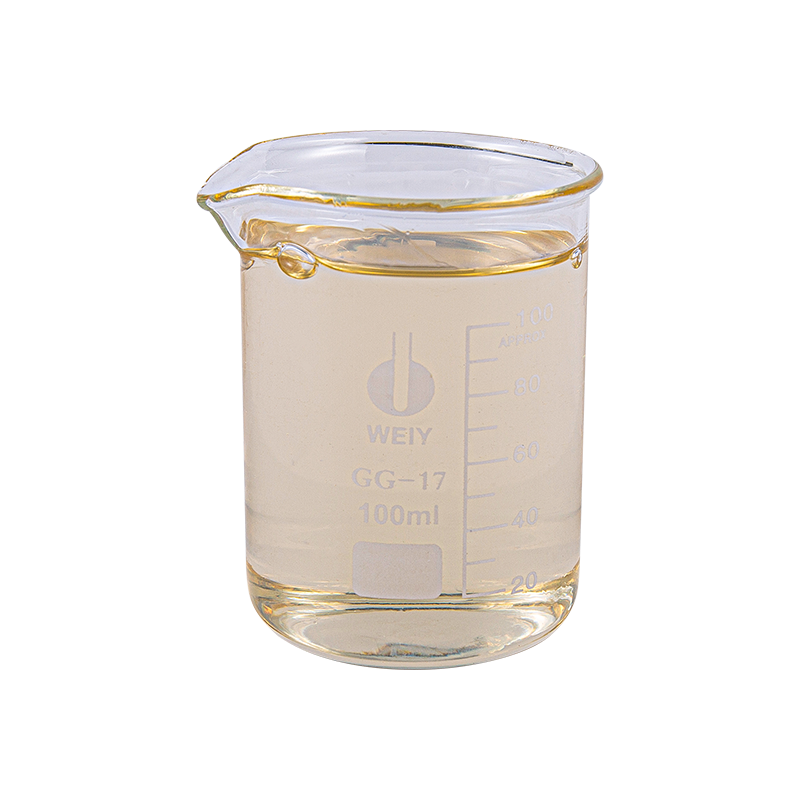
Hengli Potassium Methyl Silicate (Model HLKKL) is a highly efficient waterproofing material that reacts with CO2 or...
See Details
Products
Sodium Silicate Potassium Silicate Lithium Silicate Sodium Methylsilicate Potassium Methylsilicate Silica Sol Inorganic Coatings And Binders Flooring SystemContact
Add:No. 7 Jiaye Road, Tongxiang City, Zhejiang Province, China Phone:+86-15257095913 Tel: +86-0573-88980238 Mob: +86-0573-88980238 E-mail:[email protected]