
 English
 عربى
عربى Español

 English
 عربى
عربى Español
Sodium silicate(HLNAP-2)
Cat:Sodium Silicate Powder
Powdered sodium silicate (model HLNAP-2 modulus 2.4±0.1) is a product made of liquid water glass by drying and spra...
See Details
In industrial applications, sodium silicate and potassium silicate are two commonly used inorganic compounds. These compounds have a wide range of uses, including water treatment, adhesives, cleaning agents, and refractory materials. Despite having similar chemical structures, they differ in terms of performance, cost, environmental impact, and suitability for specific applications.
In this section, we will explore the chemical differences between sodium silicate and potassium silicate, and how these differences affect their performance. Both compounds contain silicon, oxygen, and an alkali metal, but the difference between sodium and potassium gives them distinct solubility, stability, and reactivity.
Chemical Properties Comparison
| Property | Sodium Silicate (Na₂O·SiO₂) | Potassium Silicate (K₂O·SiO₂) |
|---|---|---|
| Chemical Composition | Na₂O·SiO₂ | K₂O·SiO₂ |
| Solubility | High | Moderate |
| Stability | Higher stability | Lower stability |
| Melting Point | 1080°C | 1120°C |
| Primary Applications | Water treatment, adhesives, detergents, paper-making | Refractories, pesticides, coatings |
As seen in the table, the primary differences between sodium silicate and potassium silicate lie in their solubility and stability. Sodium silicate is more soluble in water, making it more suitable for liquid-based products. Potassium silicate, on the other hand, is better suited for applications requiring higher temperature resistance and corrosion resistance.
The performance of silicates at high temperatures is critical, especially in industrial applications. Sodium silicate and potassium silicate each offer varying degrees of temperature tolerance and durability.
This difference in performance can significantly impact specific applications. For instance, in high-temperature processes, sodium silicate may lose its effectiveness due to melting, whereas potassium silicate remains stable.
The environmental impact and safety of sodium silicate and potassium silicate also differ. While both compounds are generally considered safe, their environmental footprints and sustainability factors may influence the selection process.
As a result, factors like environmental sustainability and cost may play a key role in the decision-making process.
The applications of sodium silicate and potassium silicate vary across multiple industries, including water treatment, agriculture, and manufacturing.
Application Comparison
| Application Area | Sodium Silicate (Na₂O·SiO₂) | Potassium Silicate (K₂O·SiO₂) |
|---|---|---|
| Water Treatment | Excellent, removes heavy metals and impurities | Moderate, less used |
| Agricultural Use | Less common | Used in pesticides and fertilizers |
| Coatings & Adhesives | Widely used | Used in high-temperature applications |
| Refractory Materials | Used in low-temperature refractories | Preferred for high-temperature refractories |
The choice between sodium silicate and potassium silicate depends on the specific requirements of the industrial application. Sodium silicate is a better choice for applications requiring higher solubility and lower costs. For applications that demand higher temperature resistance and longer service life, potassium silicate may be the more suitable option.
What is the primary difference between sodium silicate and potassium silicate?
The key difference is in their chemical composition and solubility. Sodium silicate has higher solubility, making it more suitable for liquid-based applications, while potassium silicate offers better thermal stability and is preferred for high-temperature environments.
In which industries is sodium silicate used?
Sodium silicate is commonly used in water treatment, adhesives, detergents, and paper-making industries.
Why is potassium silicate better for high-temperature environments?
Potassium silicate has a higher melting point and greater thermal stability, making it more effective in applications that involve extreme heat.
What are the environmental impacts of sodium silicate and potassium silicate?
Both compounds are considered environmentally friendly, but sodium silicate has a lower environmental impact and is easier to remove from wastewater. Potassium silicate production may require more energy, and potassium is a less abundant resource.
How do I choose between sodium silicate and potassium silicate?
The choice depends on your specific application needs. Sodium silicate is more cost-effective and suited for liquid products, while potassium silicate is ideal for high-temperature or high-durability applications.
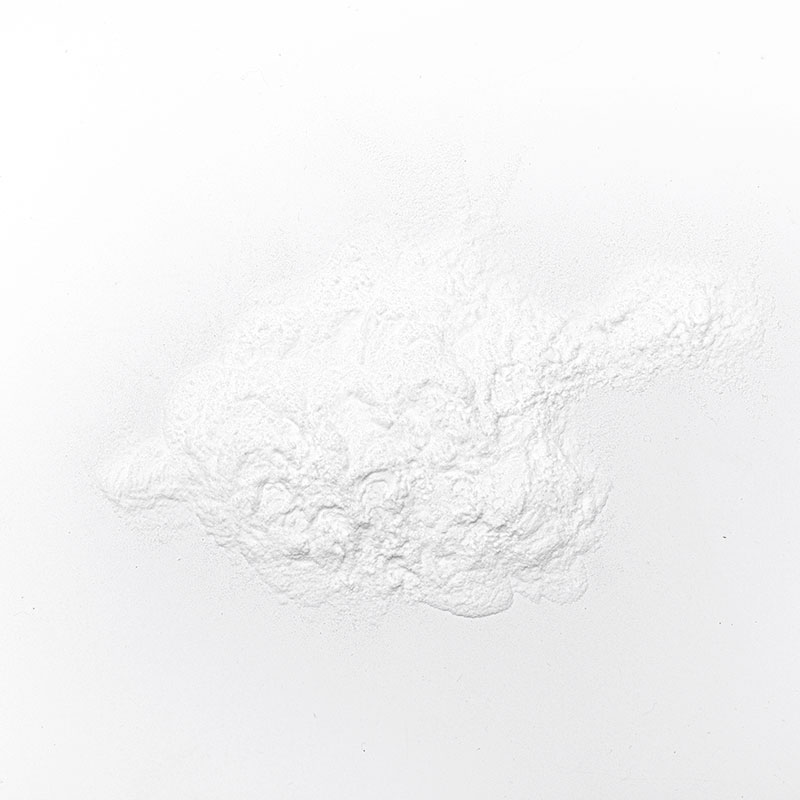
Powdered sodium silicate (model HLNAP-2 modulus 2.4±0.1) is a product made of liquid water glass by drying and spra...
See Details
Liquid potassium silicate, model HLKL-1 (modulus 2.2-2.4), potassium silicate solution has better appearance and tr...
See Details
Liquid Potassium Silicate, Model HLKL-2 (Modulus 2.7-3.0), Potassium silicate solution has better appearance and tr...
See Details
Liquid potassium silicate, model HLKL-4 (modulus 3.6-3.8), potassium silicate solution has better appearance and tr...
See Details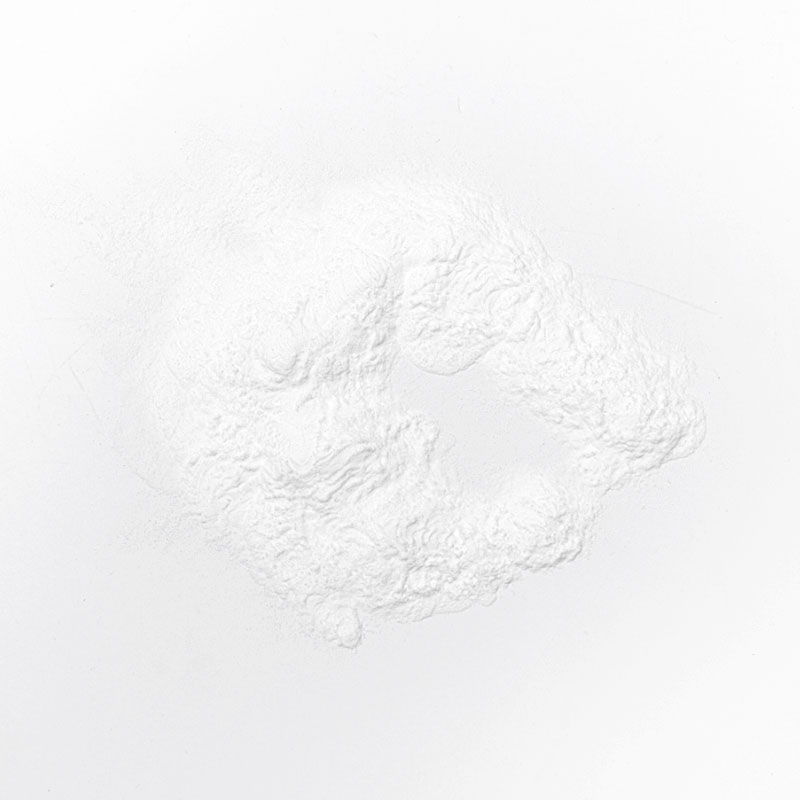
Powdered Potassium Silicate (Model HLKP-1 Mode 2.4±0.1) is a product made of liquid potassium silicate by drying an...
See Details
Powdered Potassium Silicate (Model HLKP-2 Modulus 3.3±0.1) is a product made of liquid potassium silicate by drying...
See Details
Products
Sodium Silicate Potassium Silicate Lithium Silicate Sodium Methylsilicate Potassium Methylsilicate Silica Sol Inorganic Coatings And Binders Flooring SystemContact
Add:No. 7 Jiaye Road, Tongxiang City, Zhejiang Province, China Phone:+86-15257095913 Tel: +86-0573-88980238 Mob: +86-0573-88980238 E-mail:[email protected]