
 English
 عربى
عربى Español

 English
 عربى
عربى Español
Sodium silicate(HLNAL-3)
Cat:Sodium Silicate Liquid
Sodium silicate (sodium water glass) model HLNAL-3, as follow the national standard GB/T4209-2008 liquid-3 model pr...
See Details
In modern construction and materials engineering, chemical compounds that enhance durability and protection have become increasingly essential. Among them, potassium methylsilicate stands out as a versatile substance widely utilized for surface protection, waterproofing, and prolonging the lifespan of building materials.
Potassium methylsilicate is an organosilicon compound formed through the reaction of potassium hydroxide with methylsilicic acid derivatives. Its unique molecular structure allows it to react with carbon dioxide in the air to form a durable silicate film, which is highly resistant to water, alkalis, and environmental degradation. Unlike traditional coatings, potassium methylsilicate does not merely form a surface layer; it penetrates porous substrates to create long-lasting protection.
The chemical stability and low toxicity of potassium methylsilicate make it suitable for a wide range of construction applications. Its primary functions include:
The effectiveness of potassium methylsilicate is largely attributed to its physicochemical properties. A concise overview of its features is presented in the following table:
| Property | Description |
|---|---|
| Chemical Formula | C₆H₁₅KO₃Si |
| Appearance | Colorless to light yellow liquid |
| pH Value | 11–12 (alkaline) |
| Solubility | Soluble in water |
| Reaction Mechanism | Forms insoluble silicate film upon exposure to CO₂ |
| Key Benefits | Waterproofing, alkali resistance, surface sealing, long-term durability |
These properties allow potassium methylsilicate to perform multiple roles in building protection, making it an indispensable component in contemporary construction materials.
Potassium methylsilicate is extensively applied as a protective coating for building facades and walls. It penetrates porous materials such as concrete, brick, and natural stone, forming a silicate film that prevents moisture ingress and reduces the risk of mold or efflorescence. The breathable nature of the film allows water vapor to escape while blocking liquid water, maintaining the structural integrity of the walls.
Concrete structures are particularly susceptible to water damage, which can cause cracking and degradation over time. Potassium methylsilicate-based coatings create a hydrophobic layer that prevents water from penetrating, effectively enhancing the lifespan of concrete structures. Its compatibility with cementitious materials ensures a strong chemical bond, which is crucial for durable protection.
For stone, brick, or other porous masonry, potassium methylsilicate acts as an invisible sealant. It does not alter the appearance of the substrate, making it ideal for architectural preservation. The sealant also protects surfaces from air pollutants and acid rain, which are common contributors to structural erosion in urban environments.
Beyond buildings, potassium methylsilicate is utilized in industrial applications for the protection of equipment exposed to harsh environments. Its water- and chemical-resistant properties help prevent corrosion and surface wear, ensuring longer operational life and reducing maintenance costs.
| Application Area | Functionality | Key Advantage |
|---|---|---|
| Facade Coatings | Moisture protection, anti-efflorescence | Breathable and long-lasting |
| Concrete Waterproofing | Hydrophobic layer formation | Increases structural durability |
| Stone/Masonry Sealant | Invisible protective layer | Preserves aesthetic appearance |
| Industrial Equipment Protection | Corrosion resistance, chemical stability | Reduces maintenance and prolongs equipment lifespan |
Traditional coatings often provide short-term protection and may degrade quickly under environmental stress. Potassium methylsilicate, by contrast, offers several advantages:
The combination of these features makes potassium methylsilicate a preferred choice for architects, engineers, and building maintenance professionals.
To achieve optimal performance, proper application techniques and surface preparation are essential. Key considerations include:
Potassium methylsilicate represents a critical advancement in protective coatings, offering a combination of waterproofing, alkali resistance, and long-term durability. Its applications span facades, concrete, masonry, and industrial equipment, addressing the needs of modern construction and maintenance. By understanding its properties, advantages, and correct application methods, industry professionals can maximize the benefits of this versatile compound.
Q1: What is potassium methylsilicate used for?
A1: It is primarily used for waterproofing, surface sealing, alkali resistance, and enhancing the durability of construction materials such as concrete, brick, and stone.
Q2: Is potassium methylsilicate safe to use?
A2: Yes, it has low toxicity and is environmentally friendly, making it suitable for both industrial and residential applications.
Q3: Can potassium methylsilicate alter the appearance of surfaces?
A3: No, it forms an invisible protective layer, preserving the original appearance of treated substrates.
Q4: How should potassium methylsilicate be applied?
A4: Common methods include spraying, brushing, or rolling. Proper surface preparation and curing are essential for optimal performance.
Q5: Does it require maintenance after application?
A5: Once applied correctly, potassium methylsilicate forms a durable, long-lasting film that requires minimal maintenance.
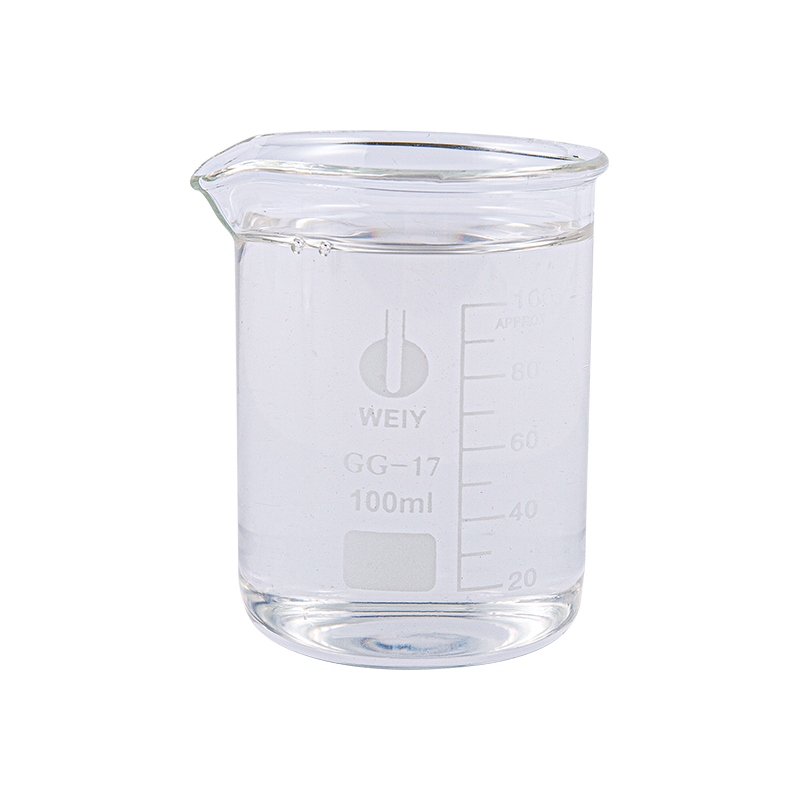
Sodium silicate (sodium water glass) model HLNAL-3, as follow the national standard GB/T4209-2008 liquid-3 model pr...
See Details
Sodium silicate (sodium water glass) model HLNAL-5, as a super high modulus (3.8-4.0) product produced beyond the n...
See Details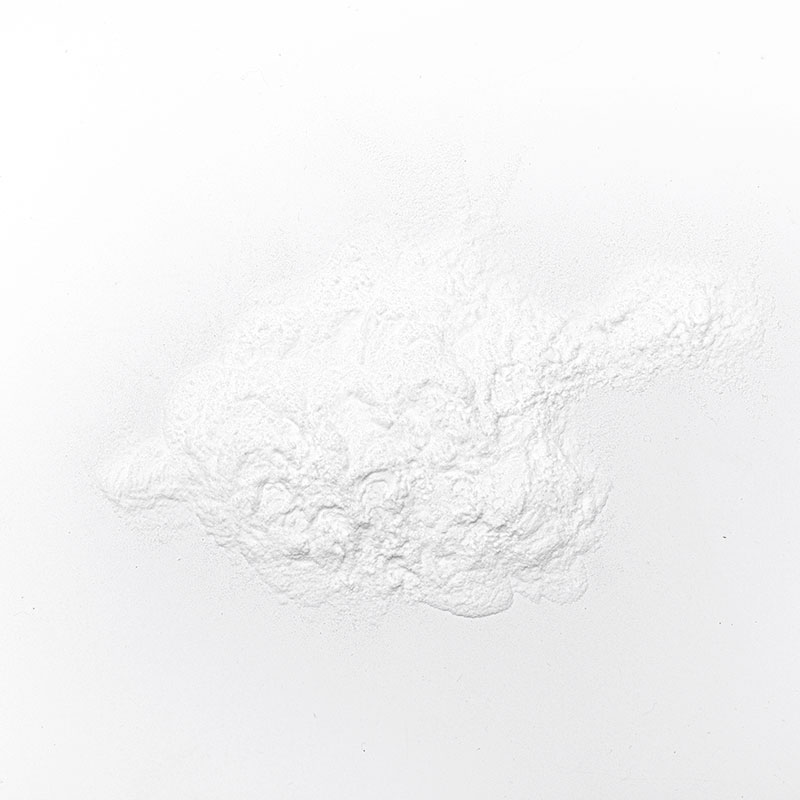
Powdered sodium silicate (model HLNAP-1 modulus 2.0±0.1) is a product made of liquid water glass by drying and spra...
See Details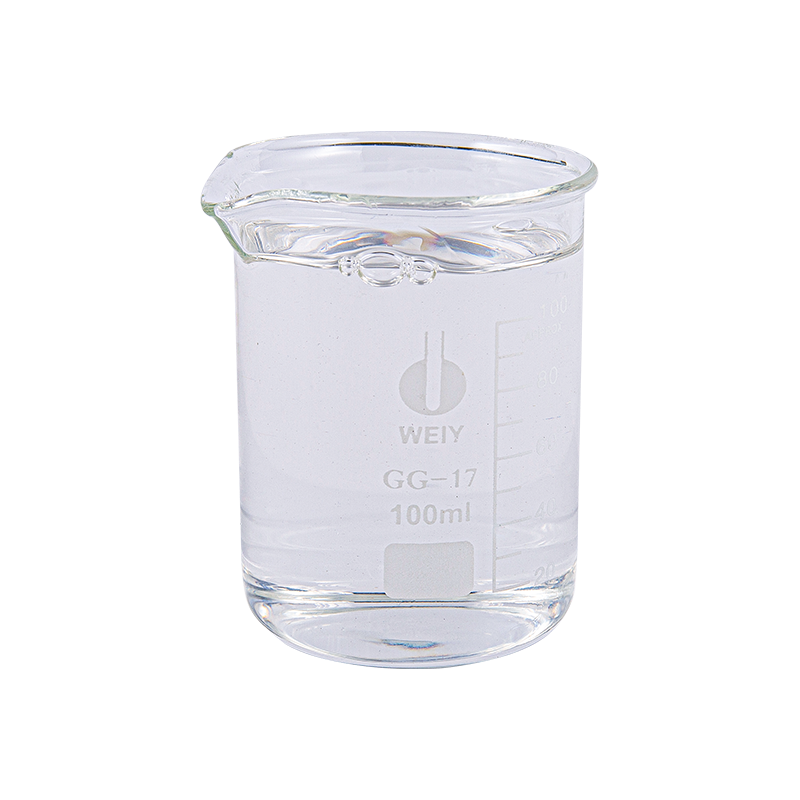
Liquid potassium silicate, model HLKL-4 (modulus 3.6-3.8), potassium silicate solution has better appearance and tr...
See Details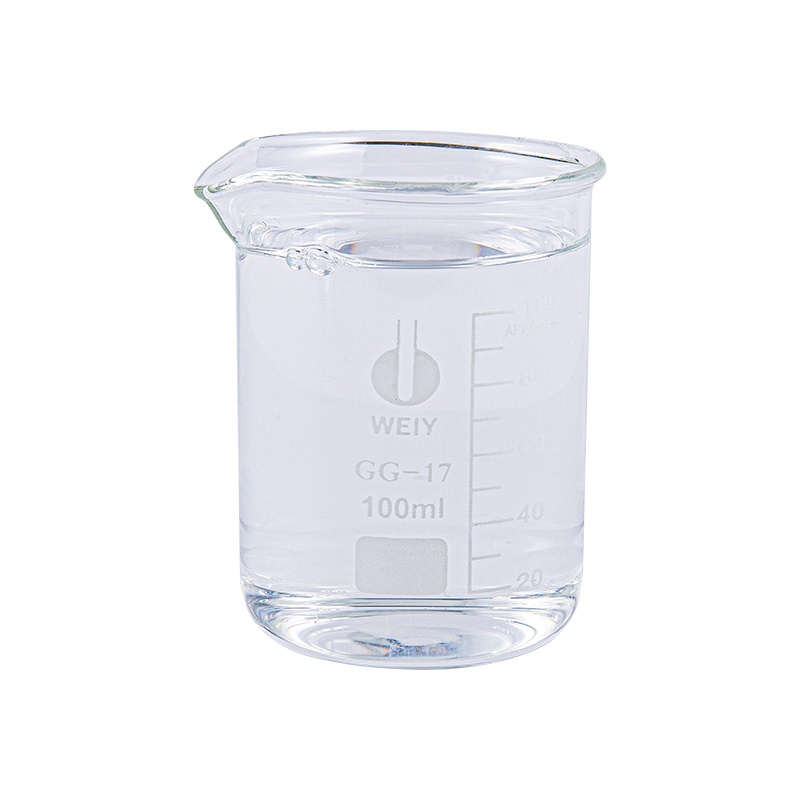
Liquid Lithium Silicate, Model HLLL-1, As an important member of the silicate family, lithium silicate does have a ...
See Details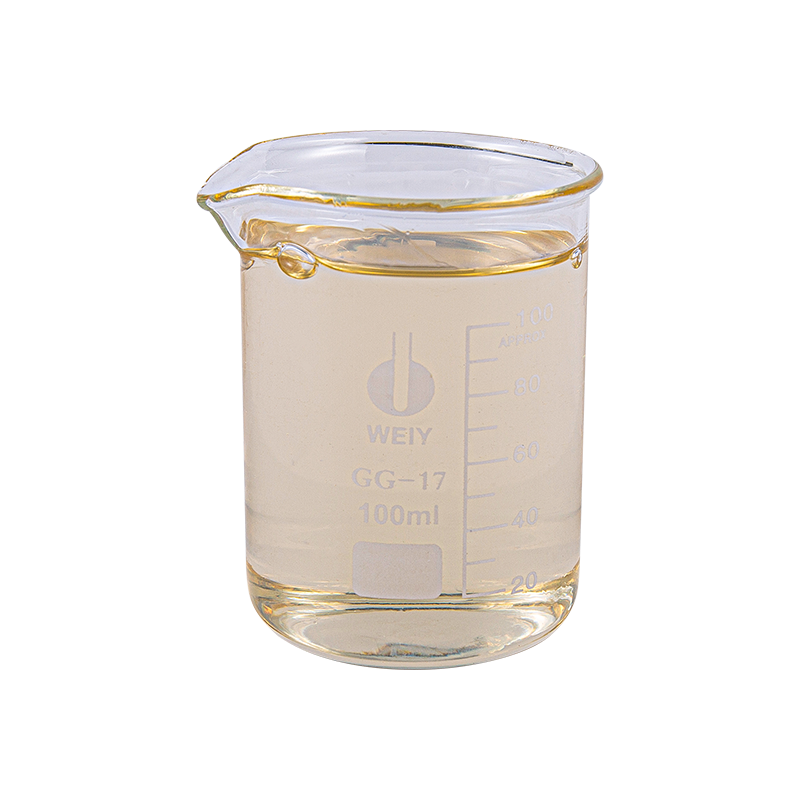
Hengli Potassium Methyl Silicate (Model HLKKL) is a highly efficient waterproofing material that reacts with CO2 or...
See Details
Products
Sodium Silicate Potassium Silicate Lithium Silicate Sodium Methylsilicate Potassium Methylsilicate Silica Sol Inorganic Coatings And Binders Flooring SystemContact
Add:No. 7 Jiaye Road, Tongxiang City, Zhejiang Province, China Phone:+86-15257095913 Tel: +86-0573-88980238 Mob: +86-0573-88980238 E-mail:[email protected]