
 English
 عربى
عربى Español

 English
 عربى
عربى Español
Sodium silicate(HLNAL-1)
Cat:Sodium Silicate Liquid
Sodium silicate (sodium water glass) model HLNAL-1, as follow the national standard GB/T4209-2008 liquid-1 model pr...
See Details
Waterproofing has become a critical consideration in modern construction and infrastructure maintenance. Among the various solutions available, sodium methylsilicate has emerged as a highly effective waterproofing agent due to its unique chemical properties and versatile applications.
Sodium methylsilicate is a water-soluble alkali silicate compound with hydrophobic properties. Chemically, it consists of sodium ions bonded with methylsilicate groups, forming a structure that allows it to penetrate porous materials and react with their surface. When applied to concrete or masonry, sodium methylsilicate undergoes a series of reactions that result in the formation of a water-repellent layer while maintaining the breathability of the substrate.
Key characteristics of sodium methylsilicate include:
| Property | Description |
|---|---|
| Chemical formula | NaCH₃SiO₃ |
| Appearance | Colorless to slightly cloudy solution |
| Solubility | Highly soluble in water |
| pH | Strongly alkaline (around 11–12) |
| Application forms | Liquid solution, aqueous dispersion |
These properties make sodium methylsilicate highly compatible with various construction materials, enabling its widespread use as a long-lasting waterproofing agent.
The effectiveness of sodium methylsilicate lies in its chemical interaction with the substrate. When applied to concrete, the compound penetrates the capillaries and reacts with calcium hydroxide, naturally present in cement matrices, forming a water-insoluble, crystalline silicate network. This network fills pores and microcracks, significantly reducing water permeability.
The waterproofing mechanism can be summarized in three steps:
| Step | Chemical Process | Effect |
|---|---|---|
| Penetration | NaCH₃SiO₃ solution enters pores | Uniform distribution in substrate |
| Reaction | NaCH₃SiO₃ + Ca(OH)₂ → C-S-H + NaOH | Formation of water-insoluble layer |
| Sealing | Hydrophobic methyl groups line pores | Prevents water penetration, maintains vapor permeability |
The hydrophobic treatment achieved by sodium methylsilicate differs from surface coatings. Rather than forming a separate film, it integrates chemically into the substrate, enhancing durability and resistance to environmental stressors.
Concrete is highly susceptible to water-related deterioration, such as freeze-thaw damage, carbonation, and chloride penetration. Sodium methylsilicate addresses these issues effectively:
Proper application of sodium methylsilicate is crucial to achieving optimal waterproofing performance. The general steps include:
| Application Method | Advantages | Considerations |
|---|---|---|
| Brush | Precise application | Labor-intensive for large areas |
| Roller | Suitable for flat surfaces | Limited penetration in rough textures |
| Spray | Efficient for large areas | Requires controlled pressure and coverage |
| Immersion | Deep penetration | Only feasible for small or modular components |
Consistent application ensures that the substrate achieves maximum water resistance while retaining structural breathability.
Sodium methylsilicate is generally considered environmentally friendly compared to traditional solvent-based waterproofing agents. Key points include:
Adhering to recommended safety protocols ensures safe handling and maximizes product performance.
Sodium methylsilicate finds applications in various sectors requiring effective waterproofing solutions:
Its versatility makes sodium methylsilicate a preferred choice for long-term waterproofing solutions in challenging environments.
Compared to other waterproofing agents, sodium methylsilicate offers several intrinsic advantages:
| Feature | Sodium Methylsilicate | Traditional Coatings |
|---|---|---|
| Penetration | Deep, chemically bonded | Surface-only |
| Durability | Long-term resistance | May degrade or peel |
| Breathability | Maintained | Often blocked |
| Maintenance | Minimal | Regular inspections required |
| Environmental impact | Low VOC, water-based | Higher VOC, solvent-based |
The combination of these characteristics explains why sodium methylsilicate is increasingly adopted in modern waterproofing applications.
The waterproofing mechanism of sodium methylsilicate is rooted in its chemical interaction with construction materials, forming an integrated, hydrophobic silicate network. Its ability to penetrate deep into substrates, maintain breathability, and provide long-term resistance makes it highly effective for protecting concrete and masonry structures. With proper application, sodium methylsilicate represents a durable, environmentally conscious, and versatile solution for modern waterproofing challenges.
Q1: Can sodium methylsilicate be applied to damp surfaces?
A: Minor dampness is acceptable, but excess water may reduce penetration and reaction efficiency. Surfaces should be reasonably dry for optimal results.
Q2: How long does it take for the waterproofing effect to develop?
A: The reaction typically completes within 24–72 hours, depending on substrate porosity and environmental conditions. Full hydrophobic properties are generally achieved within a week.
Q3: Is sodium methylsilicate suitable for all types of concrete?
A: Yes, it is compatible with most cementitious materials, though highly dense or non-porous surfaces may require multiple applications for deeper penetration.
Q4: Does it affect the color or appearance of treated surfaces?
A: Sodium methylsilicate is generally colorless and does not alter the appearance of most substrates. Slight whitening may occur on highly porous surfaces during initial application but typically disappears after curing.
Q5: Can it be used in combination with other waterproofing agents?
A: It can be combined with complementary treatments if carefully managed, but over-application or incompatible chemicals may interfere with the formation of the hydrophobic network.
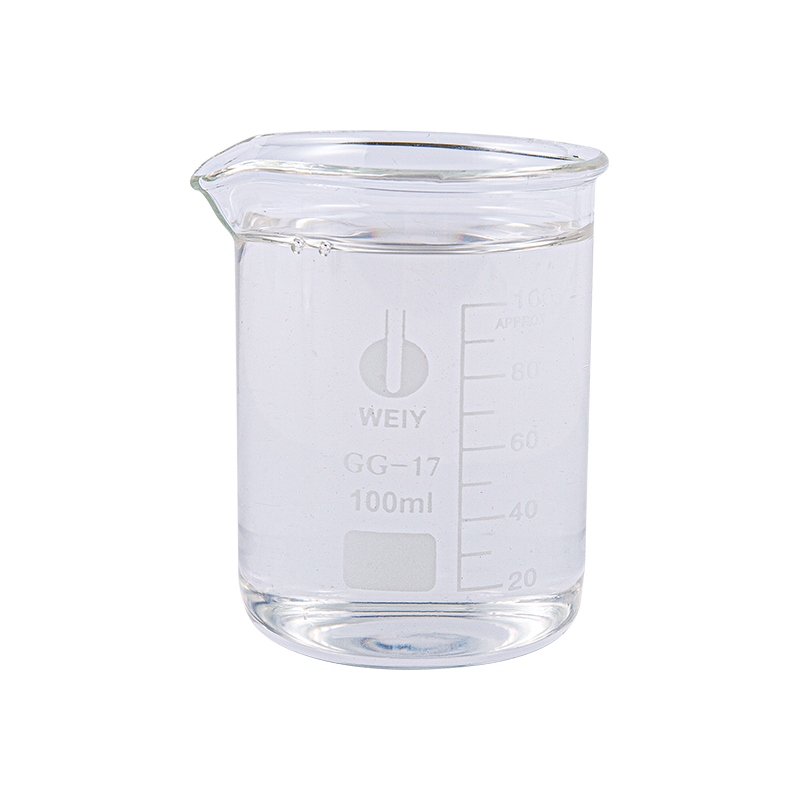
Sodium silicate (sodium water glass) model HLNAL-1, as follow the national standard GB/T4209-2008 liquid-1 model pr...
See Details
Sodium silicate (sodium water glass) model HLNAL-6, as beyond the national standard GB/T4209-2008 standard producti...
See Details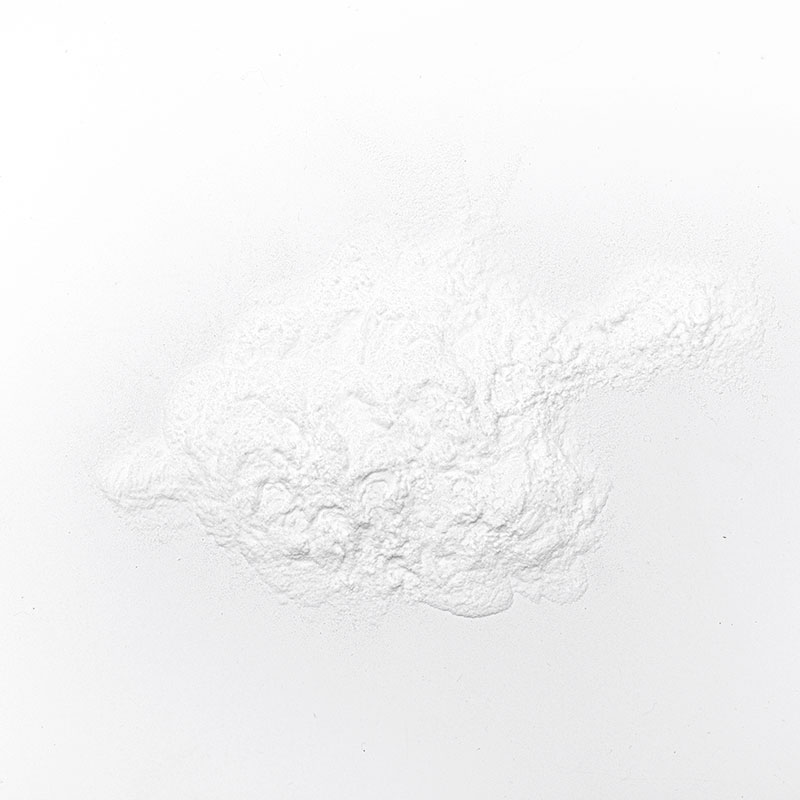
Powdered sodium silicate (model HLNAP-2 modulus 2.4±0.1) is a product made of liquid water glass by drying and spra...
See Details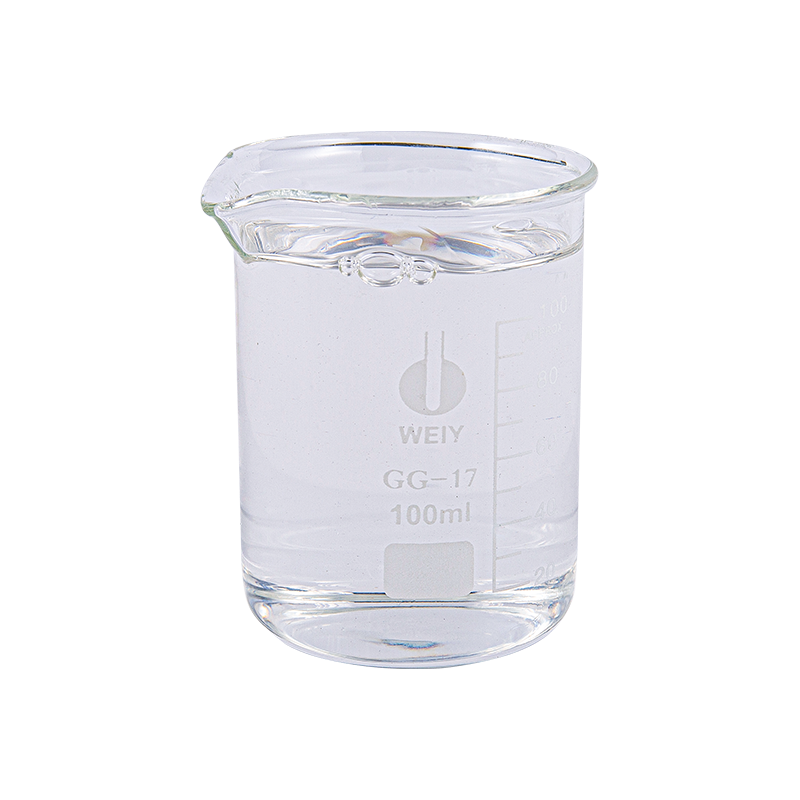
Liquid potassium silicate, model HLKL-1 (modulus 2.2-2.4), potassium silicate solution has better appearance and tr...
See Details
Liquid potassium silicate, model HLKL-4 (modulus 3.6-3.8), potassium silicate solution has better appearance and tr...
See Details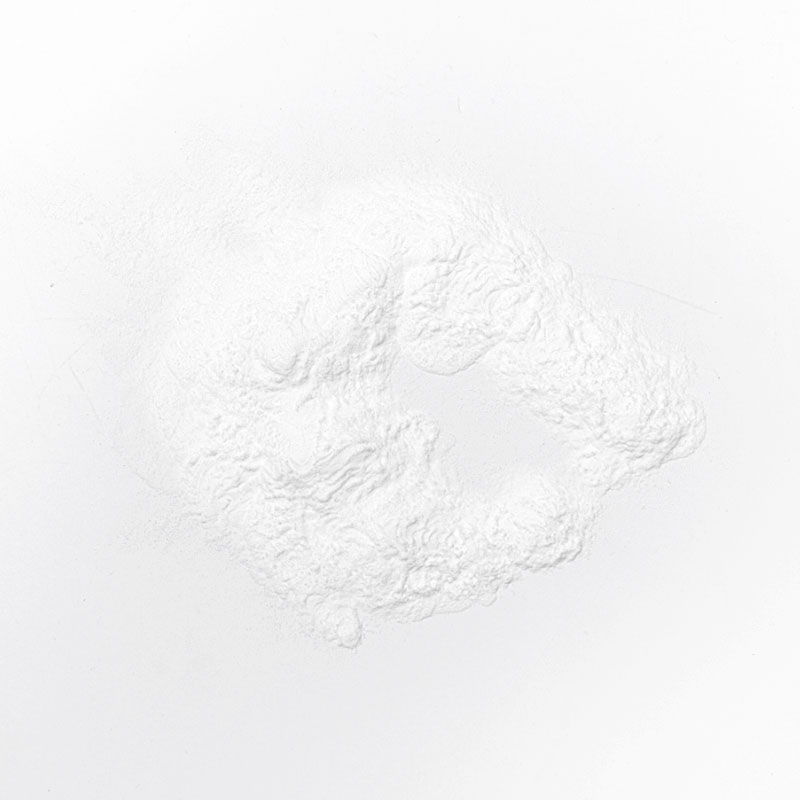
Powdered Potassium Silicate (Model HLKP-2 Modulus 3.3±0.1) is a product made of liquid potassium silicate by drying...
See Details
Products
Sodium Silicate Potassium Silicate Lithium Silicate Sodium Methylsilicate Potassium Methylsilicate Silica Sol Inorganic Coatings And Binders Flooring SystemContact
Add:No. 7 Jiaye Road, Tongxiang City, Zhejiang Province, China Phone:+86-15257095913 Tel: +86-0573-88980238 Mob: +86-0573-88980238 E-mail:[email protected]