
 English
 عربى
عربى Español

 English
 عربى
عربى Español
Sodium silicate(HLNAL-3)
Cat:Sodium Silicate Liquid
Sodium silicate (sodium water glass) model HLNAL-3, as follow the national standard GB/T4209-2008 liquid-3 model pr...
See Details
Waterproof coatings are essential in protecting structures and materials from water damage, which can lead to degradation, corrosion, and loss of functionality. Potassium methylsilicate has emerged as a valuable component in enhancing the performance of these coatings.
Potassium methylsilicate is a silicate compound that combines the properties of both potassium and methyl groups. This compound is known for its excellent adhesive properties, high chemical stability, and resistance to water and weathering, making it highly suitable for use in waterproof coatings. The key to its effectiveness lies in its ability to form a durable, non-porous layer that prevents water penetration while maintaining the integrity of the coated surface.
Potassium methylsilicate is increasingly used in the production of waterproof coatings for various industries. Its properties make it a versatile material for protecting surfaces from water, moisture, and weathering.
Construction Industry
Marine Industry
Automotive Industry
Agricultural Equipment
Protective Coatings for Industrial Equipment
Formulation and Mixing of Potassium Methylsilicate in Coatings
When formulating coatings with potassium methylsilicate, it is important to maintain the correct balance of materials to ensure optimal performance. The compound is often mixed with water, resins, and other additives to create a coating solution that can be easily applied.
| Component | Function |
|---|---|
| Potassium Methylsilicate | Provides water resistance and adhesion |
| Resin | Enhances durability and flexibility |
| Water | Solvent for easy application |
| Additives | Improves UV resistance and abrasion resistance |
While potassium methylsilicate offers numerous advantages, it is important to consider certain factors during its application:
Potassium methylsilicate is an excellent choice for waterproof coatings due to its superior water resistance, durability, and chemical stability. Its applications span various industries, from construction to marine and automotive sectors.
1. What makes potassium methylsilicate ideal for waterproof coatings?
Potassium methylsilicate offers high water resistance, durability, and excellent adhesion to a variety of surfaces, making it an ideal ingredient in waterproof coatings.
2. Can potassium methylsilicate be used on all surfaces?
While potassium methylsilicate is versatile, it is important to ensure surface compatibility. Testing is recommended before large-scale application.
3. Is potassium methylsilicate environmentally friendly?
Yes, potassium methylsilicate is a non-toxic and eco-friendly option for waterproof coatings.
4. How long does it take for potassium methylsilicate coatings to cure?
The curing time depends on environmental conditions, such as temperature and humidity. It is typically recommended to allow adequate time for the coating to fully cure.
5. Can potassium methylsilicate coatings be used in marine environments?
Yes, potassium methylsilicate coatings are ideal for marine applications due to their excellent resistance to seawater and corrosion.
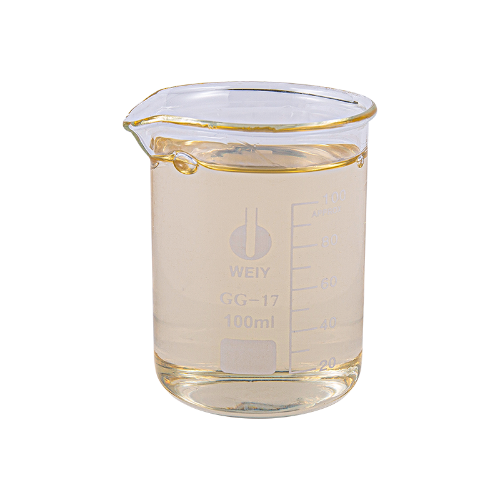
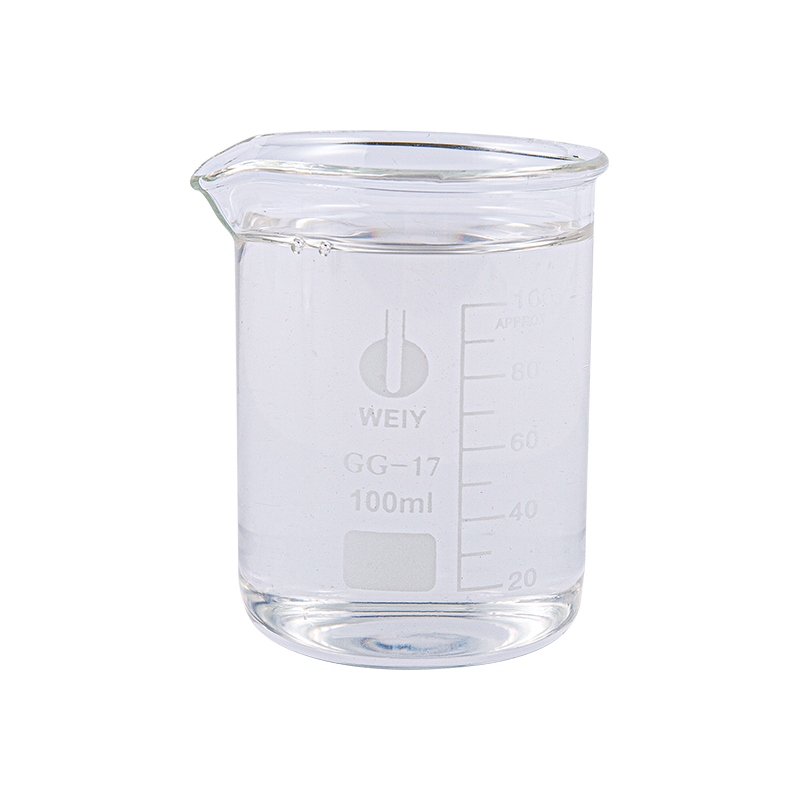
Sodium silicate (sodium water glass) model HLNAL-3, as follow the national standard GB/T4209-2008 liquid-3 model pr...
See Details
Sodium silicate (sodium water glass) model HLNAL-6, as beyond the national standard GB/T4209-2008 standard producti...
See Details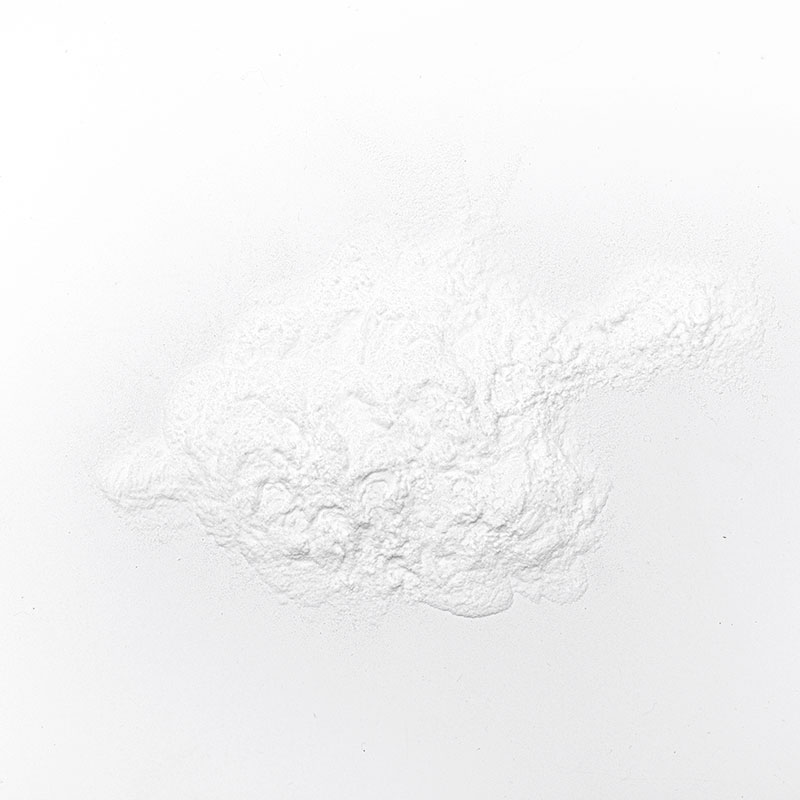
Powdered sodium silicate (model HLNAP-3 modulus 2.9±0.1) is a product made of liquid water glass by drying and spra...
See Details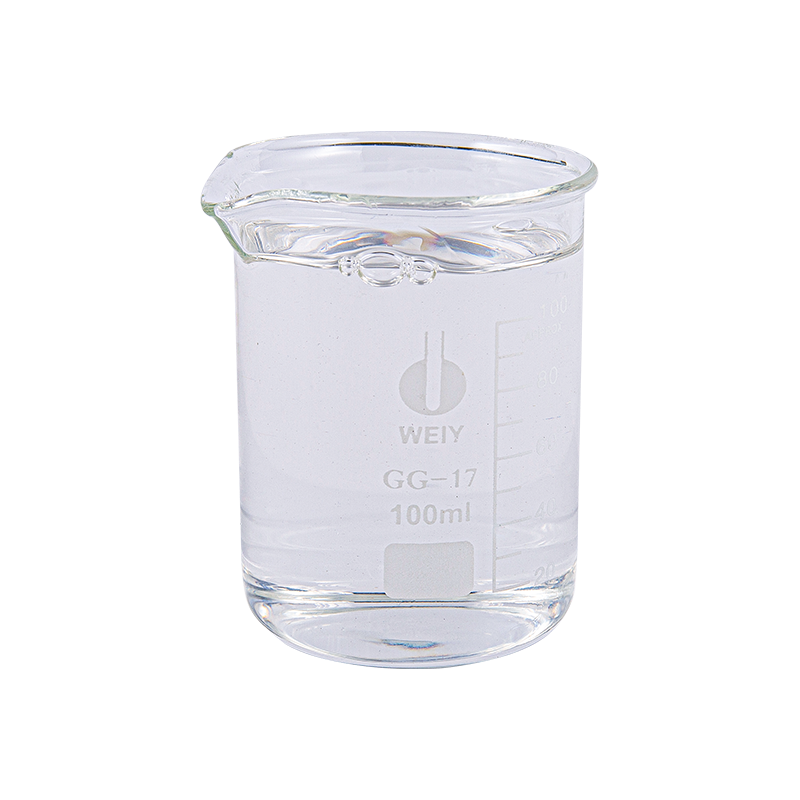
Liquid potassium silicate, model HLKL-1 (modulus 2.2-2.4), potassium silicate solution has better appearance and tr...
See Details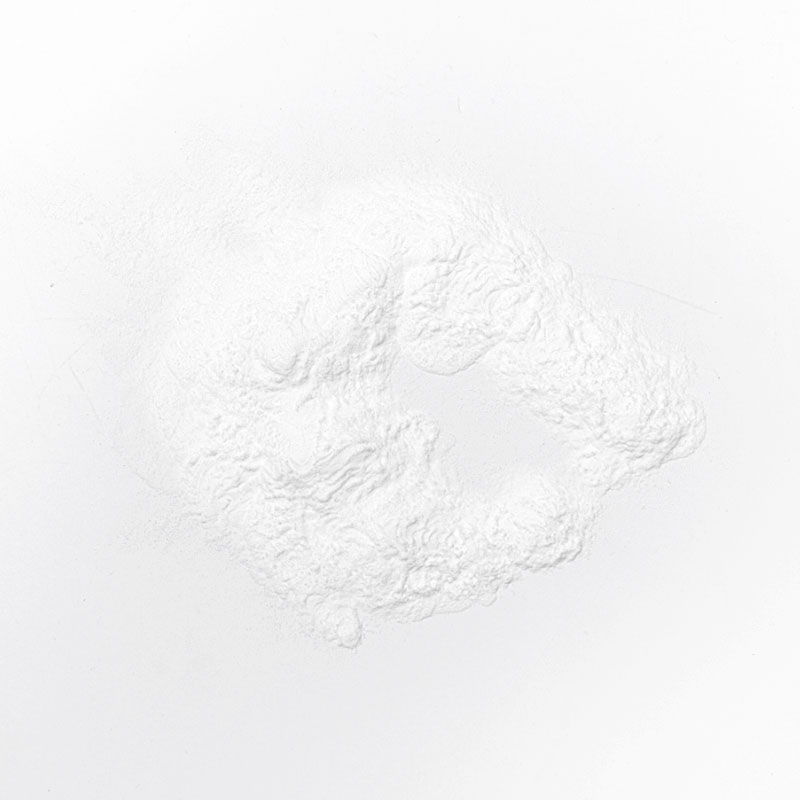
Powdered Potassium Silicate (Model HLKP-1 Mode 2.4±0.1) is a product made of liquid potassium silicate by drying an...
See Details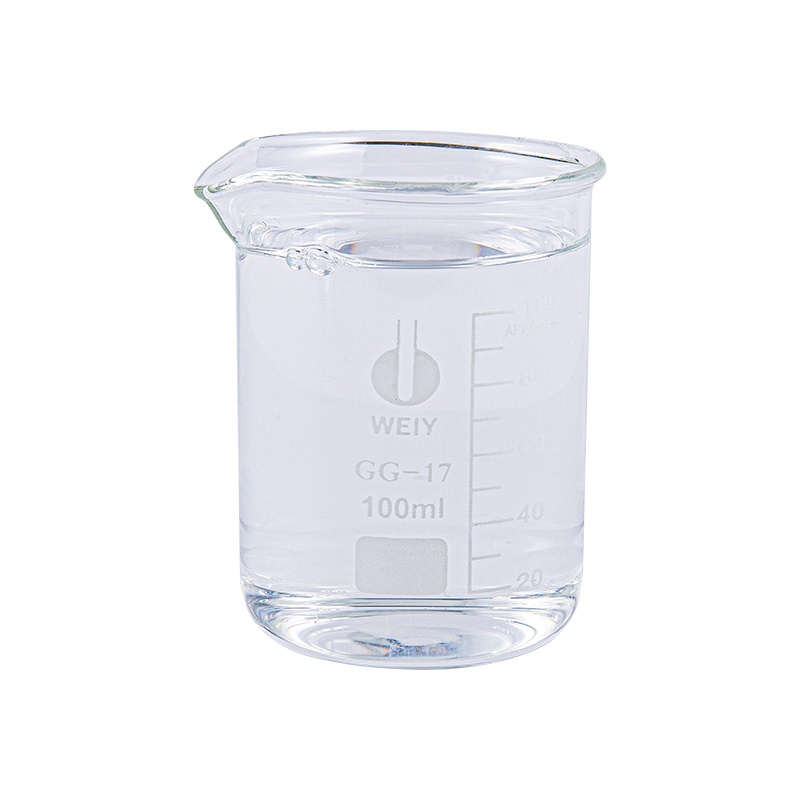
Liquid Lithium Silicate, Model HLLL-1, As an important member of the silicate family, lithium silicate does have a ...
See Details
Products
Sodium Silicate Potassium Silicate Lithium Silicate Sodium Methylsilicate Potassium Methylsilicate Silica Sol Inorganic Coatings And Binders Flooring SystemContact
Add:No. 7 Jiaye Road, Tongxiang City, Zhejiang Province, China Phone:+86-15257095913 Tel: +86-0573-88980238 Mob: +86-0573-88980238 E-mail:[email protected]