
 English
 عربى
عربى Español

 English
 عربى
عربى Español
Sodium silicate(HLNAL-4)
Cat:Sodium Silicate Liquid
Sodium silicate (sodium water glass) model HLNAL-4, as follow the national standard GB/T4209-2008 liquid-4 model pr...
See Details
Potassium silicate, a compound that combines potassium oxide and silicon dioxide, has become an increasingly popular ingredient in the development of eco-friendly coatings. These coatings are used in a wide variety of industries, including construction, automotive, and industrial applications. Potassium silicate-based coatings not only offer functional benefits such as durability and resistance but also contribute positively to environmental sustainability.
Potassium silicate is a versatile material widely used in industrial applications, particularly as a binder in coatings. Unlike conventional coatings that rely heavily on synthetic resins or toxic solvents, potassium silicate offers a more natural alternative.
The production and application of traditional coatings often involve the use of high amounts of energy and the release of harmful volatile organic compounds (VOCs). Potassium silicate, however, is considered a low-carbon alternative because it requires fewer energy-intensive processes during production. Additionally, coatings containing potassium silicate contribute to lower VOC emissions, reducing their environmental impact.
Many conventional coatings use toxic solvents, heavy metals, and other harmful chemicals. These substances can be detrimental to both human health and the environment. Potassium silicate-based coatings are free from such toxic ingredients, making them a safer option for both workers and the environment. The use of this material ensures that there are no harmful by-products that would otherwise pollute air, water, or soil.
A major concern with many modern coatings is their environmental persistence after disposal. Traditional coatings may take years to degrade, contributing to landfill waste and environmental contamination. Potassium silicate coatings, on the other hand, are highly biodegradable. Once they have reached the end of their useful life, they break down naturally and do not persist in the environment, which is a significant advantage in reducing environmental pollution.
Potassium silicate is derived from abundant natural resources, including minerals such as feldspar and silica. This makes the material sustainable in terms of its raw material base. In contrast to petroleum-based resins and synthetic compounds used in traditional coatings, potassium silicate provides a more sustainable option that helps to reduce reliance on fossil fuels.
Manufacturing processes that use potassium silicate often require lower temperatures and less energy compared to traditional coatings production. This not only reduces greenhouse gas emissions but also helps to lower the overall energy consumption of the manufacturing process.
Potassium silicate-based coatings are known for their durability. These coatings create a strong bond with surfaces, providing a long-lasting protective layer that reduces the need for frequent reapplications. This longevity means fewer resources are consumed in the maintenance of coated structures, making them more sustainable in the long run.
Potassium silicate coatings are highly resistant to external factors such as weathering, abrasion, and UV degradation. This resistance contributes to their environmental benefits by reducing the need for periodic touch-ups or replacements. Structures coated with potassium silicate can withstand the test of time without the environmental burden of frequent repairs.
In the green building sector, potassium silicate coatings are increasingly favored for their environmental benefits. These coatings can contribute to sustainable construction practices by improving energy efficiency, enhancing the lifespan of building materials, and reducing the environmental impact of construction activities.
Potassium silicate coatings can help enhance the energy efficiency of buildings by providing better insulation properties. This can lead to lower energy consumption for heating and cooling, contributing to a building’s overall environmental performance.
Using potassium silicate-based coatings can contribute to earning LEED (Leadership in Energy and Environmental Design) credits for green building certification. The use of sustainable materials, such as potassium silicate, is often a requirement for achieving high LEED ratings.
Potassium silicate coatings are not limited to buildings; they are also used in outdoor and industrial applications where environmental durability is essential. These coatings protect equipment, machinery, and structures from the elements, while also reducing the environmental impact of the maintenance required.
In this section, we can compare potassium silicate coatings with more conventional options, focusing on their environmental and practical advantages.
| Feature | Potassium Silicate Coatings | Traditional Coatings |
|---|---|---|
| VOC Emissions | Low or none | High |
| Durability | Long-lasting | Requires frequent maintenance |
| Biodegradability | High | Low |
| Energy Efficiency in Production | Low energy requirement | High energy requirement |
| Toxic Ingredients | None | May contain toxic chemicals |
| Raw Materials | Natural, sustainable | Petroleum-based or synthetic |
Potassium silicate is a compound that combines potassium oxide and silicon dioxide. It is used in coatings because of its environmental benefits, including reduced VOC emissions, durability, and non-toxicity.
Potassium silicate coatings reduce VOC emissions, require lower energy for production, and are biodegradable, making them a more eco-friendly option compared to traditional coatings.
Yes, potassium silicate coatings are free from toxic solvents and heavy metals, making them a safer option for both workers and consumers.
Yes, potassium silicate coatings are highly resistant to weathering, UV radiation, and wear, making them ideal for outdoor and industrial applications.
Potassium silicate coatings have a long lifespan and degrade naturally at the end of their use, reducing the need for frequent reapplications and minimizing waste.
Sodium silicate (sodium water glass) model HLNAL-4, as follow the national standard GB/T4209-2008 liquid-4 model pr...
See Details
Liquid potassium silicate, model HLKL-1 (modulus 2.2-2.4), potassium silicate solution has better appearance and tr...
See Details
Liquid Potassium Silicate, Model HLKL-2 (Modulus 2.7-3.0), Potassium silicate solution has better appearance and tr...
See Details
Liquid Potassium Silicate, Model HLKL-3 (Modulus 3.1-3.4), Potassium silicate solution has better appearance and tr...
See Details
Powdered Potassium Silicate (Model HLKP-2 Modulus 3.3±0.1) is a product made of liquid potassium silicate by drying...
See Details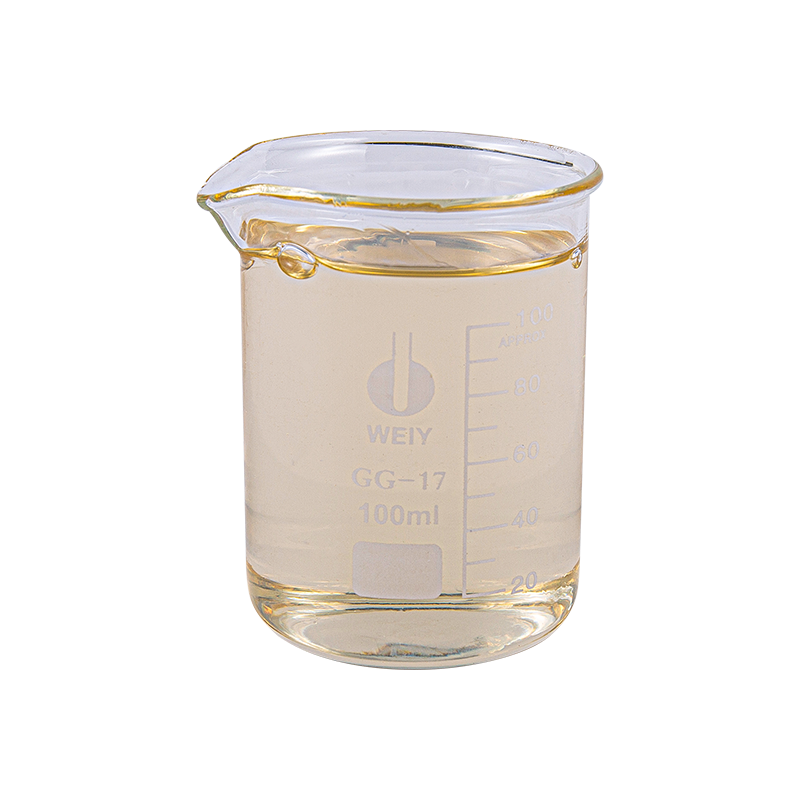
Sodium methyl silicate (model HLKNAL), this product is an organosilicon waterproofing agent, the active ingredient ...
See Details
Products
Sodium Silicate Potassium Silicate Lithium Silicate Sodium Methylsilicate Potassium Methylsilicate Silica Sol Inorganic Coatings And Binders Flooring SystemContact
Add:No. 7 Jiaye Road, Tongxiang City, Zhejiang Province, China Phone:+86-15257095913 Tel: +86-0573-88980238 Mob: +86-0573-88980238 E-mail:[email protected]