
 English
 عربى
عربى Español

 English
 عربى
عربى Español
Sodium silicate(HLNAL-2)
Cat:Sodium Silicate Liquid
Sodium silicate (sodium water glass) model HLNAL-2, as follow the national standard GB/T4209-2008 liquid-2 model pr...
See Details
Potassium silicate, a chemical compound consisting of potassium oxide (K2O) and silicon dioxide (SiO2), has long been recognized for its crucial role in various industrial applications. One of the most prominent uses of potassium silicate is in fireproofing solutions.
Potassium silicate is a versatile compound that is commonly known for its ability to form stable, heat-resistant coatings. As a result, it is highly sought after in industries where fire resistance is critical. Potassium silicate’s primary function in fireproofing materials is its role in creating an insulating barrier that prevents or slows down the spread of fire.
To understand why potassium silicate is so effective in fireproofing, it is essential to look at its chemical properties. When potassium silicate is exposed to heat, it undergoes a chemical transformation that makes it even more resistant to flames. This transformation involves the formation of a silica gel layer that provides both thermal insulation and resistance to flame penetration.
| Property | Description |
|---|---|
| Melting Point | Over 1000°C (1832°F) |
| Chemical Structure | K2SiO3 (Potassium Silicate) |
| Thermal Stability | Excellent, maintains structural integrity under high temperatures |
| Water Resistance | Forms a stable gel upon drying that resists water damage |
| Corrosive Resistance | Shows resistance to corrosion, even in acidic or alkaline environments |
These properties allow potassium silicate to act as an effective fire barrier, especially when applied as a coating or integrated into construction materials.
One of the most common applications of potassium silicate is in fireproof coatings. These coatings are typically applied to steel structures, electrical cables, and other materials that need to withstand high temperatures. When applied, potassium silicate creates a hard, durable surface that not only resists flames but also provides a thermal insulating layer. This layer slows down the transfer of heat, preventing the underlying material from reaching its ignition point.
The use of potassium silicate-based coatings is particularly important in industries such as construction, manufacturing, and transportation, where fire safety is a top priority. Fire-resistant coatings are essential for ensuring structural integrity in the event of a fire.
Another significant use of potassium silicate is in fireproof building materials. Potassium silicate is incorporated into cement, plaster, and drywall to enhance their fire resistance. When mixed with other compounds, it improves the material’s ability to withstand heat and prevent the spread of fire.
Building materials treated with potassium silicate exhibit excellent resistance to fire while maintaining their structural properties. In addition, potassium silicate helps to prevent the formation of cracks that can occur due to high heat exposure, ensuring that the material remains intact during a fire.
Potassium silicate also finds applications in fire retardant treatments for fabrics. Textiles such as curtains, upholstery, and carpets are often treated with potassium silicate-based solutions to enhance their fire resistance. When applied to fabrics, potassium silicate forms a protective layer that reduces the risk of ignition. This is particularly important in environments like hotels, theaters, and public buildings, where fire safety regulations require the use of fire-retardant materials.
By incorporating potassium silicate into textile fireproofing treatments, manufacturers can provide products that comply with fire safety standards while maintaining their aesthetic and functional qualities.
Several key advantages make potassium silicate an ideal choice for fireproofing solutions:
These benefits, coupled with its cost-effectiveness and ease of application, make potassium silicate an essential ingredient in modern fireproofing solutions.
| Application | Material Treated | Purpose |
|---|---|---|
| Fireproof Coatings | Steel, Concrete, Electrical Cables | Prevents heat transfer and flame spread |
| Building Materials | Cement, Plaster, Drywall | Enhances fire resistance of construction materials |
| Fire Retardant Fabrics | Textiles (Curtains, Upholstery) | Reduces the risk of ignition in fabrics |
| Fireproof Paints | Wood, Metal Surfaces | Protective layer for fire resistance |
While potassium silicate offers numerous benefits in fireproofing solutions, there are certain challenges to consider. For instance, the application of potassium silicate-based coatings requires precise preparation to ensure uniform coverage and effectiveness. In addition, while potassium silicate is effective at high temperatures, its performance can be influenced by the specific environment in which it is applied. For example, exposure to excessive moisture or certain chemicals may degrade its effectiveness over time. Despite these challenges, potassium silicate remains a top choice for fireproofing due to its long-term reliability and ability to withstand extreme conditions.
1. What is the difference between potassium silicate and sodium silicate in fireproofing?
Potassium silicate has a higher melting point and better thermal stability compared to sodium silicate, making it more suitable for high-temperature fireproofing applications.
2. Can potassium silicate be used for fireproofing residential homes?
Yes, potassium silicate can be used in residential construction, especially in areas where fire safety is a concern, such as kitchens or garages.
3. How does potassium silicate enhance the fire resistance of materials?
Potassium silicate forms a silica gel layer upon exposure to heat, which acts as an insulating barrier to prevent fire from spreading to the underlying material.
4. Is potassium silicate environmentally friendly?
Yes, potassium silicate is non-toxic and environmentally friendly, making it a safer choice for both human health and the environment compared to other fire retardants.
5. How long does potassium silicate-based fireproofing last?
Potassium silicate-based fireproofing treatments are durable and can last for many years, depending on environmental conditions and maintenance practices.
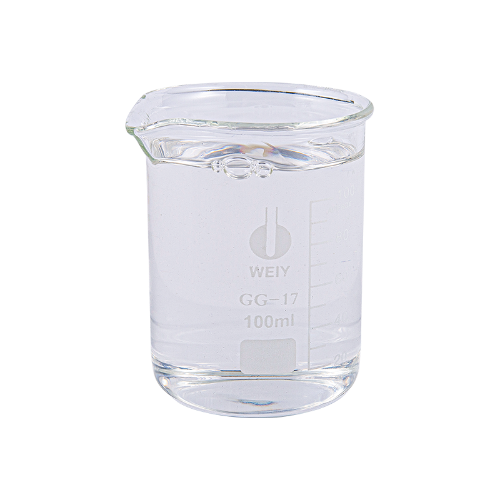
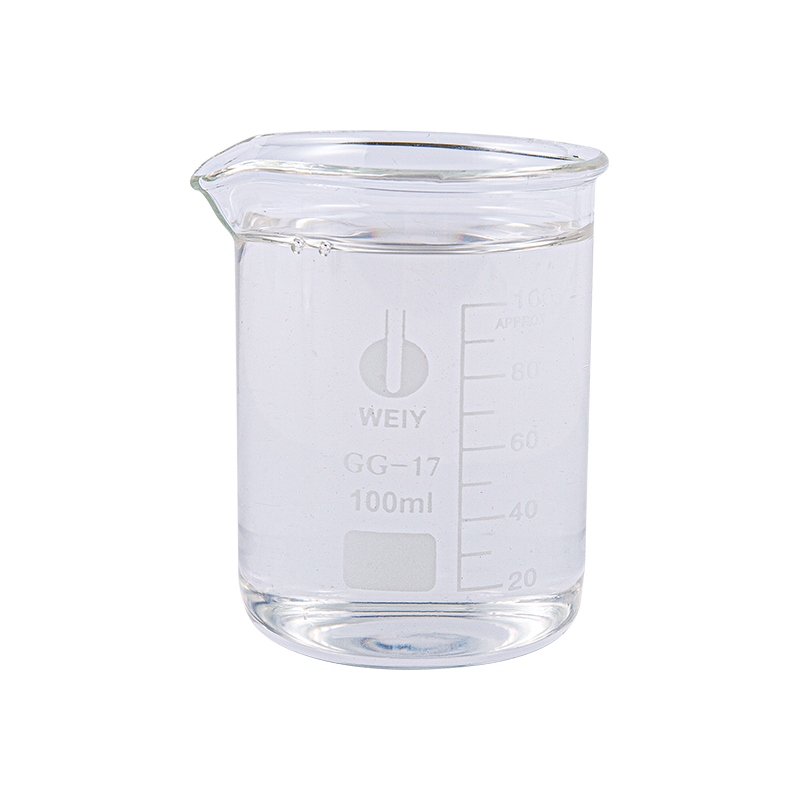
Sodium silicate (sodium water glass) model HLNAL-2, as follow the national standard GB/T4209-2008 liquid-2 model pr...
See Details
Sodium silicate (sodium water glass) model HLNAL-3, as follow the national standard GB/T4209-2008 liquid-3 model pr...
See Details
Sodium silicate (sodium water glass) model HLNAL-4, as follow the national standard GB/T4209-2008 liquid-4 model pr...
See Details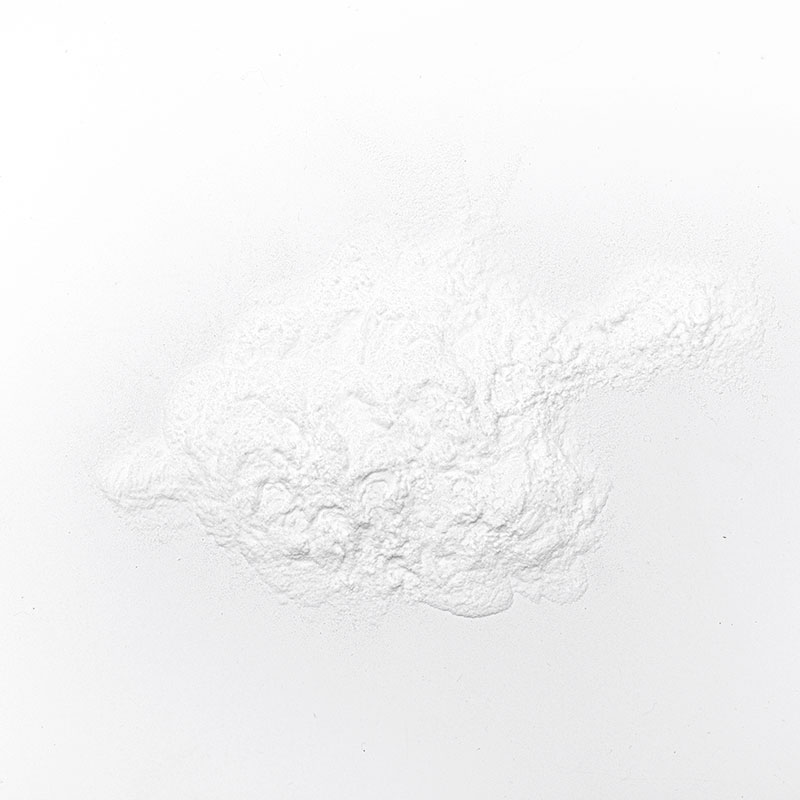
Powdered sodium silicate (model HLNAP-4 modulus 3.4±0.1) is a product made of liquid water glass by drying and spra...
See Details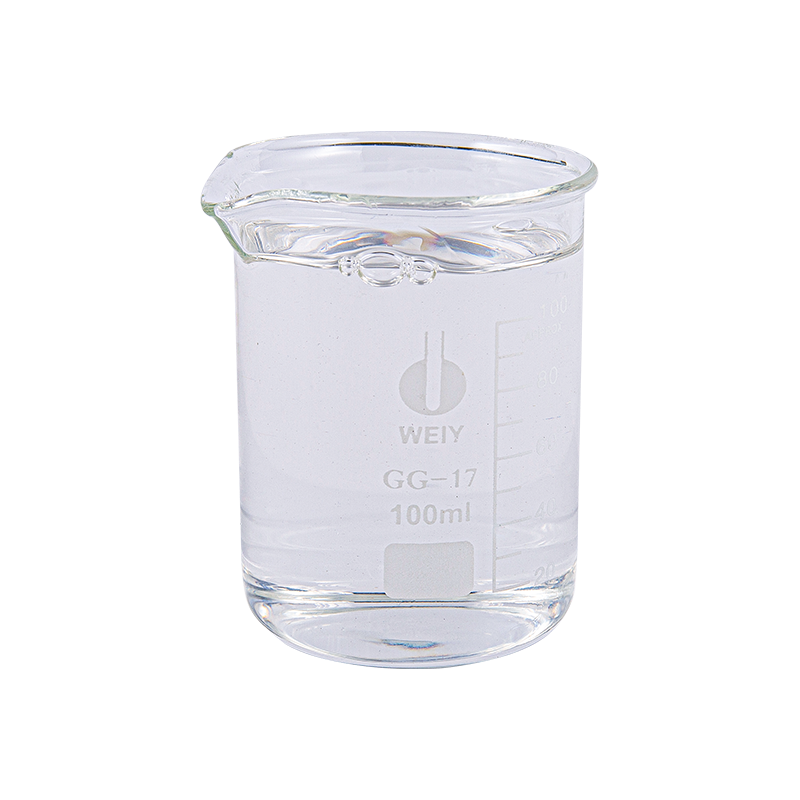
Liquid Potassium Silicate, Model HLKL-3 (Modulus 3.1-3.4), Potassium silicate solution has better appearance and tr...
See Details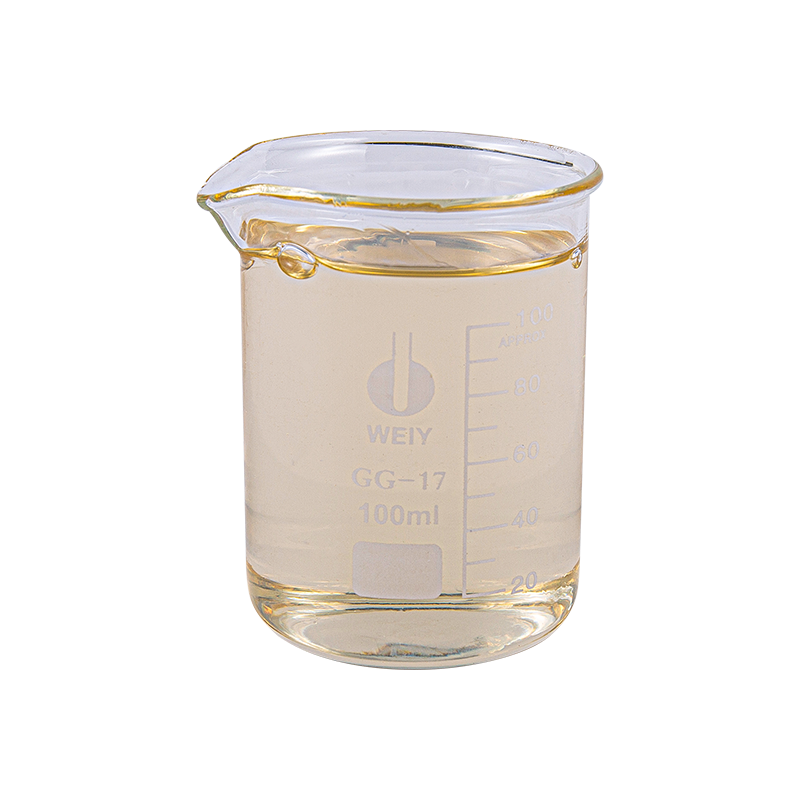
Sodium methyl silicate (model HLKNAL), this product is an organosilicon waterproofing agent, the active ingredient ...
See Details
Products
Sodium Silicate Potassium Silicate Lithium Silicate Sodium Methylsilicate Potassium Methylsilicate Silica Sol Inorganic Coatings And Binders Flooring SystemContact
Add:No. 7 Jiaye Road, Tongxiang City, Zhejiang Province, China Phone:+86-15257095913 Tel: +86-0573-88980238 Mob: +86-0573-88980238 E-mail:[email protected]