
 English
 عربى
 Español


 English
 عربى
 Español
Sodium silicate(HLNAL-6)
Cat:Sodium Silicate Liquid
Sodium silicate (sodium water glass) model HLNAL-6, as beyond the national standard GB/T4209-2008 standard producti...
See Details
The liquid is applied to the surface and migrates into capillaries and micro-pores. Once inside, it reacts with carbon dioxide from the air and with moisture present in the substrate. This reaction converts the solution into a network of silicone resin that lines the pore walls rather than blocking them.
Because the film is extremely thin, the substrate keeps its ability to exchange vapor. Water droplets are repelled from the pore surfaces, which limits capillary suction while still allowing internal moisture to escape. This balance is the main reason the material is chosen for masonry, plaster and stone.
Specification sheets for this product family typically report the values below. Figures are reference ranges and should always be confirmed against the batch test report supplied with each shipment.
| Property | Typical Reference Value | Relevance in Use |
|---|---|---|
| Appearance | Colorless to light yellow liquid | Easy visual inspection on receipt |
| Density | 1.1 to 1.2 g/cm3 | Helps estimate volume per coverage area |
| pH value | About 13 | Alkaline; requires appropriate handling gear |
| Solid content | 40 percent or higher | Affects film build and dilution planning |
| Active substance | 18 percent or higher | Indicator of protective efficiency |
| Iron content | 0.01 percent or lower | Low iron reduces staining risk on light surfaces |
| Flammability | Non-flammable | Simplifies storage and transport classification |
Application choices depend on the substrate, exposure conditions and the performance the owner expects. The examples below reflect common scenarios described by contractors and specifiers working with silicate-based treatments.
Surface treatment of slabs, retaining walls and precast elements reduces water uptake. In reinforced structures the treatment slows the ingress of chlorides, which helps delay corrosion of embedded steel over many years.
Blended into certain coating systems, the liquid can improve resistance to moisture, ultraviolet exposure and cracking under thermal movement, supporting longer repaint intervals.
Gypsum boards and perlite insulation lose strength or insulating value when wet. Treatment helps them tolerate humid rooms, such as bathrooms and kitchens, where condensation is frequent.
The material can serve as a component in protective layers on metal surfaces, adding a barrier against moisture and airborne contaminants in outdoor or industrial atmospheres.
Conservation teams use compatible silicate treatments to slow weathering caused by rain, freeze-thaw cycles and acidic deposition, while keeping the stone able to breathe.
As an auxiliary in certain cleaning and surface-preparation formulations, it can help create surfaces that resist staining and are easier to wipe clean.
Procurement and technical teams usually follow a structured review before approving a treatment. The checklist below summarizes the questions that tend to matter most.
| Package Size | Typical Use | Handling Note |
|---|---|---|
| 10 L plastic drum | Trials and small repairs | Manual handling possible |
| 20 L plastic drum | Medium-scale maintenance | Two-person lift recommended |
| 200 L drum | Large contractor projects | Forklift or drum handler required |
| 1000 L IBC tank | Bulk production or formulation | Use forklift, check valve tightness |
Custom filling and labeling are commonly available for bulk buyers. Ask the supplier to confirm pallet configuration, drum closure type and labeling language before placing an order.
Keep containers tightly closed to prevent evaporation and contamination. Store away from acids and oxidizing agents, and avoid direct sunlight or excessive heat.
The product is classified as non-flammable in its standard form, which simplifies storage planning and shipping paperwork. Always confirm the current safety data sheet for regulatory details in your region.
Mineral-based materials with open porosity, including concrete, cement mortar, gypsum, perlite, stone, brick and ceramic tiles, are the most common candidates. Trial areas are recommended for materials with unusual composition.
Because the film is extremely thin and sits inside the pores, most surfaces keep their natural color and texture. Slight darkening can occur on some stones, so testing on an inconspicuous area is advisable.
Sodium-based silicates and potassium-based methyl silicates behave differently in alkalinity, reactivity and resin structure. The methyl silicate family generally forms a more hydrophobic lining, while sodium variants are often used for hardening and densifying.
Request the technical data sheet, batch test report, safety data sheet, packaging options and minimum order quantity. For larger contracts, ask for a sample to verify performance on your actual substrate.
Liquid potassium methyl silicate offers a balanced route to moisture control, combining penetration, breathability and reinforcement protection in a single treatment. When specified with proper substrate assessment and trial testing, it can extend service life across construction, restoration and industrial surface applications.
For a full technical overview, batch specifications and current availability, review the product details at potassium methylsilicate HLKKL product page and compare the data with your project requirements before finalizing your selection.
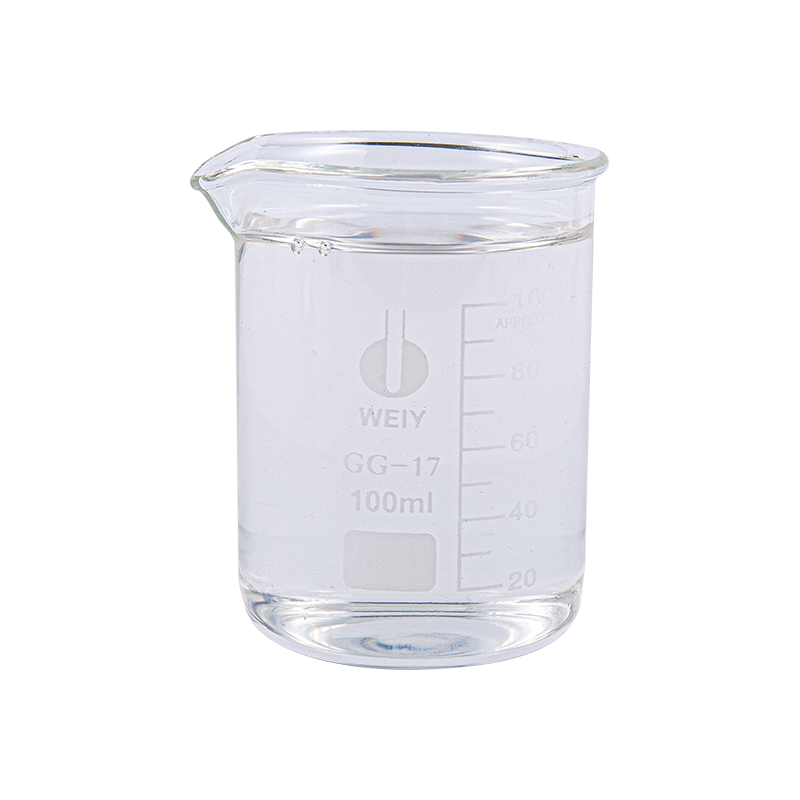
Sodium silicate (sodium water glass) model HLNAL-6, as beyond the national standard GB/T4209-2008 standard producti...
See Details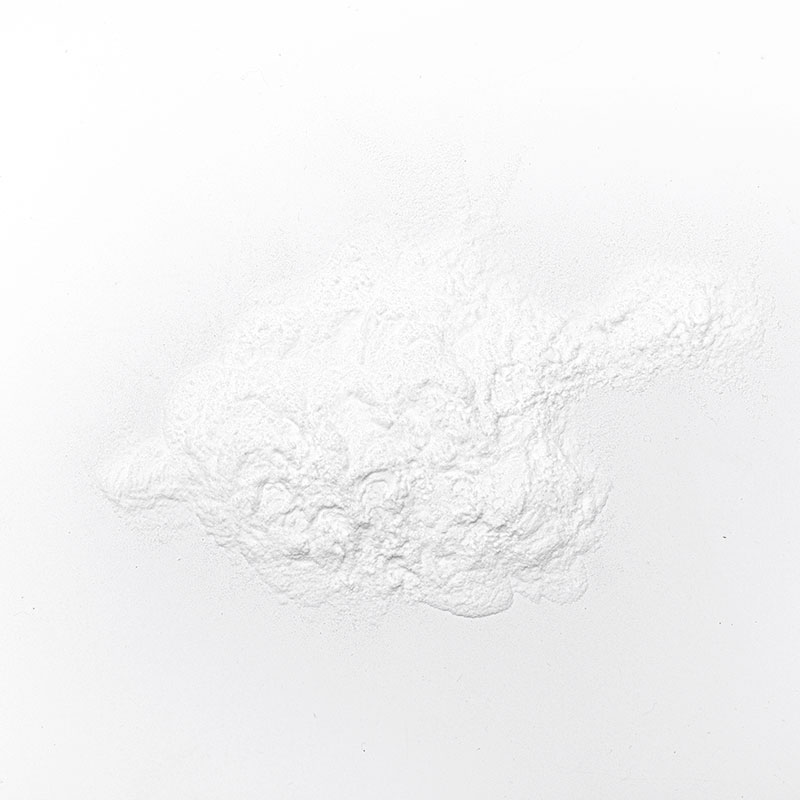
Powdered sodium silicate (model HLNAP-1 modulus 2.0±0.1) is a product made of liquid water glass by drying and spra...
See Details
Powdered sodium silicate (model HLNAP-2 modulus 2.4±0.1) is a product made of liquid water glass by drying and spra...
See Details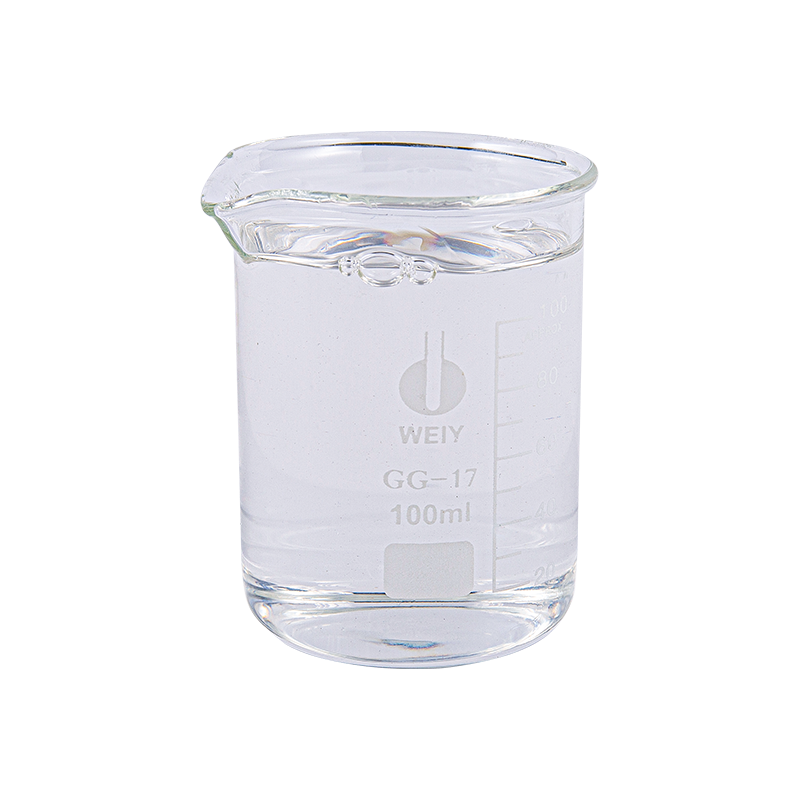
Liquid potassium silicate, model HLKL-1 (modulus 2.2-2.4), potassium silicate solution has better appearance and tr...
See Details
Liquid Potassium Silicate, Model HLKL-2 (Modulus 2.7-3.0), Potassium silicate solution has better appearance and tr...
See Details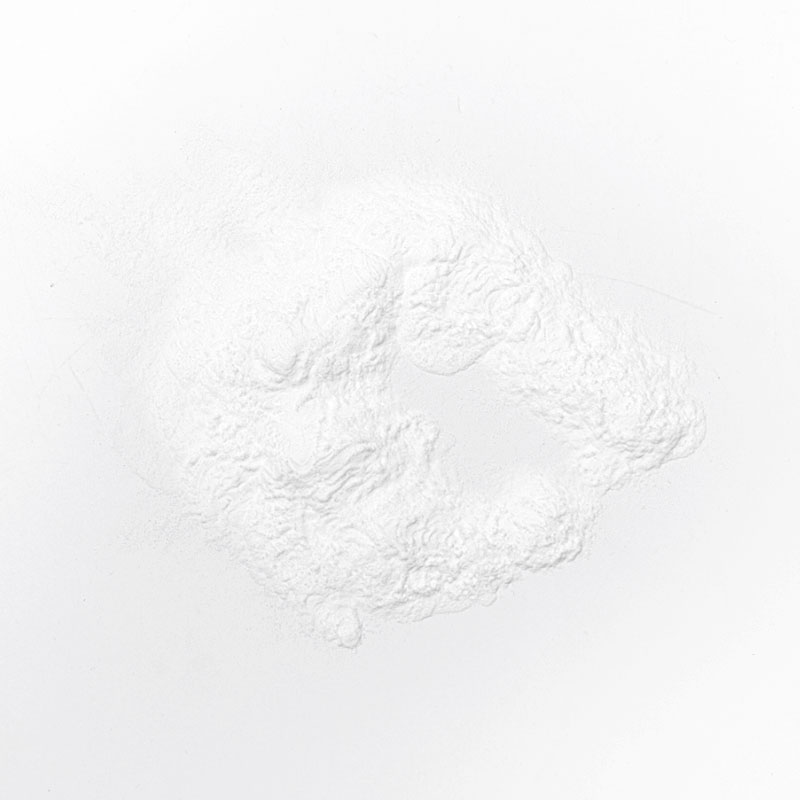
Powdered Potassium Silicate (Model HLKP-2 Modulus 3.3±0.1) is a product made of liquid potassium silicate by drying...
See Details
Products
Sodium Silicate Potassium Silicate Lithium Silicate Sodium Methylsilicate Potassium Methylsilicate Silica Sol Inorganic Coatings And Binders Flooring SystemContact
Add:No. 7 Jiaye Road, Tongxiang City, Zhejiang Province, China Phone:+86-15257095913 Tel: +86-0573-88980238 Mob: +86-0573-88980238 E-mail:[email protected]