
 English
 عربى
 Español


 English
 عربى
 Español
Sodium silicate(HLNAL-4)
Cat:Sodium Silicate Liquid
Sodium silicate (sodium water glass) model HLNAL-4, as follow the national standard GB/T4209-2008 liquid-4 model pr...
See Details
A coating line can run smoothly for months, only to reveal a faint white bloom after the first wet season. The surface looks clean once it dries, yet the haze returns whenever moisture moves through the substrate. Many formulators have seen this scenario, and it often traces back to one early decision: the choice of alkali silicate binder. The paint itself is rarely the sole culprit. The binder chemistry, the porosity of the surface, and the local climate all interact to decide how the finish ages.
This article compares potassium silicate with sodium silicate in practical terms. Both materials belong to the water glass family, both are supplied as aqueous solutions, and both have long records in mineral coatings, binders, and surface treatments. Yet they behave differently in ways that affect film performance, long-term appearance, and total project cost. The goal is to give engineers and purchasing managers a clear logic for choosing between them, rather than relying on habit or price alone.
Throughout the discussion we focus on properties and selection criteria rather than promotional claims. Where we mention typical ranges, they describe general industry patterns. Actual results depend on grade, modulus, solids content, formulation, and substrate, so every final choice should be confirmed with samples and controlled testing.
Potassium silicate is an alkali silicate formed by combining silica with a potassium-based alkaline medium. It is most often supplied as a clear to slightly opalescent liquid, although solid forms exist for dry-mix and powder applications. Liquid grades dominate coatings and sealers because they blend easily with pigments, fillers, and co-binders.
The behavior of any water glass is strongly influenced by its modulus, a practical way of describing how much silica is present relative to the alkali. A higher modulus generally produces a harder, more water-resistant film and a slower, more controlled setting profile, but it also raises viscosity and can make the solution more sensitive to temperature. Lower modulus grades are easier to handle and react faster, which may suit fast-setting or penetrating treatments. Selecting the right modulus is therefore as important as selecting the right alkali.
Film formation is the main reason many engineers specify potassium-based systems. When applied to a mineral surface and allowed to dry, the solution gradually loses water and leaves behind a glassy, silica-rich network that bonds with the substrate. This network can penetrate shallow pores and anchor itself to calcium-containing surfaces such as concrete, render, and natural stone, which helps explain its durability on masonry.
Sodium silicate, often called sodium water glass, shares the same basic silicate architecture but uses sodium as the alkali. It has been produced and used across many industries for a long time, and its supply network is broad and mature. Commercial grades are also mostly liquids, with solids content and modulus adjusted for applications ranging from adhesives and detergents to soil stabilization and water treatment.
The sodium-based chemistry generally provides a lower raw material cost and a wider range of standardized grades. Those advantages explain why sodium silicate remains the default in many high-volume, cost-sensitive processes. Its films, however, can be more prone to salt migration and whitening under certain moisture conditions, which is the central trade-off buyers must weigh.
Lower with potassium
Lower with sodium
Generally higher with potassium
The table below summarizes typical trends that engineers see when comparing the two materials under similar application conditions. The ratings are relative rather than absolute, and they assume properly prepared substrates and recommended curing practices.
| Property | Potassium silicate | Sodium silicate |
|---|---|---|
| Film water resistance | Generally higher | Moderate, often improved with additives |
| Efflorescence tendency | Low | Higher on porous substrates |
| Cured film hardness | Generally harder | Hard, but may be more brittle |
| Weather and UV durability | Strong inorganic stability | Good, with possible surface whitening |
| Pigment compatibility | Good with inorganic pigments | Good and widely documented |
| Raw material cost | Higher | Lower |
| Typical application focus | Premium coatings and sealers | General binders and bulk industrial uses |
The data show a consistent pattern. Potassium silicate tends to win on surface quality and durability, while sodium silicate wins on cost and supply breadth. Neither result is absolute. A sheltered interior wall may never reveal the difference, whereas an exposed facade will expose it quickly.
These trends can also be shifted by formulation. Hydrophobic additives, co-binders such as resins or colloidal silica, and carefully chosen fillers can narrow the gap for either material. Still, the base binder sets the ceiling for what the system can achieve, so the initial choice matters more than most later adjustments.
Efflorescence is the white crystalline deposit that appears when soluble salts migrate to a surface and remain after water evaporates. In silicate-based systems, the alkali content, the moisture regime, and the porosity of the substrate determine how much of this happens. Sodium-based systems tend to produce visible deposits more readily, especially where water moves through the substrate from behind. Potassium-based films usually show less conspicuous bloom under similar conditions, which is one of the most valued differences in exterior and architectural work.
Salt migration follows a simple physical pattern. Water enters the substrate, dissolves soluble compounds, and carries them toward the surface as it evaporates. When the film is dense and well bonded, the transport path is restricted and fewer deposits form. When the film is thin, cracked, or poorly bonded, salts find easier pathways out. For this reason, both the quality of film formation and the choice of alkali matter.
On projects where appearance will be judged for many years, avoiding bloom can justify a higher material cost. A clean finish that holds its color through several seasons often reduces repainting, cleaning, and warranty claims, which are real costs that rarely appear in the initial quotation.
Silicate films are inorganic, so they do not degrade in the same way that organic polymers do under ultraviolet exposure. Chalking and yellowing associated with some resin systems are generally less of a concern. Even so, long-term durability depends on how well the film cures, how thick it is, and how firmly it bonds to the substrate. Several practical steps help ensure the material performs as expected.
Potassium silicate systems often reward careful curing with a dense, hard surface that handles repeated wetting better than many sodium-based equivalents. Sodium silicate films can also perform very well, particularly when protected by a suitable topcoat or when the substrate is sheltered. The practical question is therefore not which material is inherently durable, but which one is more forgiving of the conditions your project will actually face.
Thermal behavior also deserves attention. Silicate-bonded materials are used in refractory and high-temperature applications because the inorganic network tolerates heat that would degrade many organic binders. Performance under heating still depends on formulation, so engineers should consult technical data for the specific grade rather than assuming a single temperature rating applies across the board.
Purchasing decisions rarely rest on price per kilogram alone. A low-cost binder that needs an extra coat, generates callbacks, or fails within a few seasons can cost far more than a premium grade that performs as specified from the start. For this reason, procurement teams increasingly evaluate total cost of ownership, which includes material cost, labor, rework, maintenance, and risk.
Sodium silicate usually holds the advantage in unit cost because its raw materials are abundant and its production volumes are high. Potassium silicate carries a premium that reflects a more specialized raw material base and a narrower production footprint. The gap changes with region, volume commitment, and market conditions, so current quotations should always be requested rather than relying on older benchmarks.
Supply reliability matters just as much for large orders. Ask suppliers for batch consistency data, modulus tolerance ranges, solids content specifications, and typical lead times. Stable specifications matter because small variations in modulus can shift setting speed and film appearance, which may force unplanned adjustments on a production line.
Potassium silicate earns its place in applications where a durable, low-bloom surface is essential. In each case, the combination of film quality and surface stability is the deciding factor. Many specifiers begin with liquid potassium silicate when designing a new inorganic coating system, because it offers flexibility in formulation while keeping the core binder behavior predictable.
The underlying logic is similar across these uses. When the surface is visible, exposed, and expected to last, the advantages of potassium chemistry become more valuable over time.
Sodium silicate is the right answer when cost drives the project, the application is sheltered, and surface bloom is not a critical concern. It is widely used across industries, and many standard processes were designed around its behavior. In those settings, switching to a more expensive alkali would add cost without a measurable benefit.
Many manufacturers also reduce the efflorescence drawback of sodium systems through surface sealing layers, appropriate additives, or better curing practice. These measures can close much of the performance gap at a lower total cost, which is why sodium silicate continues to hold a large share of general-purpose work.
Before requesting samples, work through a few structured questions. The answers usually point clearly toward one material or the other, and the tags below highlight the core decision drivers.
Appearance Substrate Exposure Budget
Simplified decision path for silicate selection
Laboratory and field checks reduce the risk of costly mistakes. A focused test plan can be completed in a few weeks and should run on the same substrate, surface preparation, and climate exposure expected on the job.
| Test | What to observe | Suggested approach |
|---|---|---|
| Efflorescence trial | White bloom after wetting cycles | Cure panels, then alternate water spray and drying |
| Adhesion check | Film lifting or peeling | Cross-hatch or tape test after full cure |
| Water resistance | Softening, swelling, or whitening | Drip or immersion test on cured samples |
| Color stability | Shift in tone or surface chalking | Outdoor exposure panel compared with a reference |
| Formulation compatibility | Gelling, thickening, or separation | Mix with the full formulation and observe over several days |
Record batch numbers, modulus, solids content, and curing conditions for every trial. Reproducible records make it far easier to explain results to colleagues and to troubleshoot if production conditions change later.
Not universally. Potassium silicate generally offers better water resistance and lower efflorescence, while sodium silicate offers lower cost and broad availability. The better choice depends on exposure conditions, substrate type, and budget.
Potassium silicate typically costs more per unit of binder. The gap varies with grade, order volume, region, and market conditions, so request current quotations rather than relying on older figures.
Often not without adjustment. Setting speed, viscosity, and final film properties can differ, so test a small batch with your full formulation before switching production over.
Yes, it is widely used in exterior mineral coatings, provided the substrate is properly prepared and the system is applied and cured within the recommended conditions.
Sealed liquids generally remain stable for an extended period when stored in a cool, dry place away from freezing. Check the datasheet for your specific grade, and keep containers closed to prevent contamination.
Sodium silicate and potassium silicate are both valuable water glass materials, and neither is a universal winner. Sodium silicate serves cost-driven and sheltered applications very well. Potassium silicate justifies its premium where anti-efflorescence performance, water resistance, and long-term surface appearance matter most.
The most reliable path is a short, disciplined test program on your actual substrate and exposure conditions. Engineers who want to compare grades can review the specifications for potassium water glass before finalizing their sample list, and purchasing teams should request batch data alongside pricing so that comparisons stay fair.
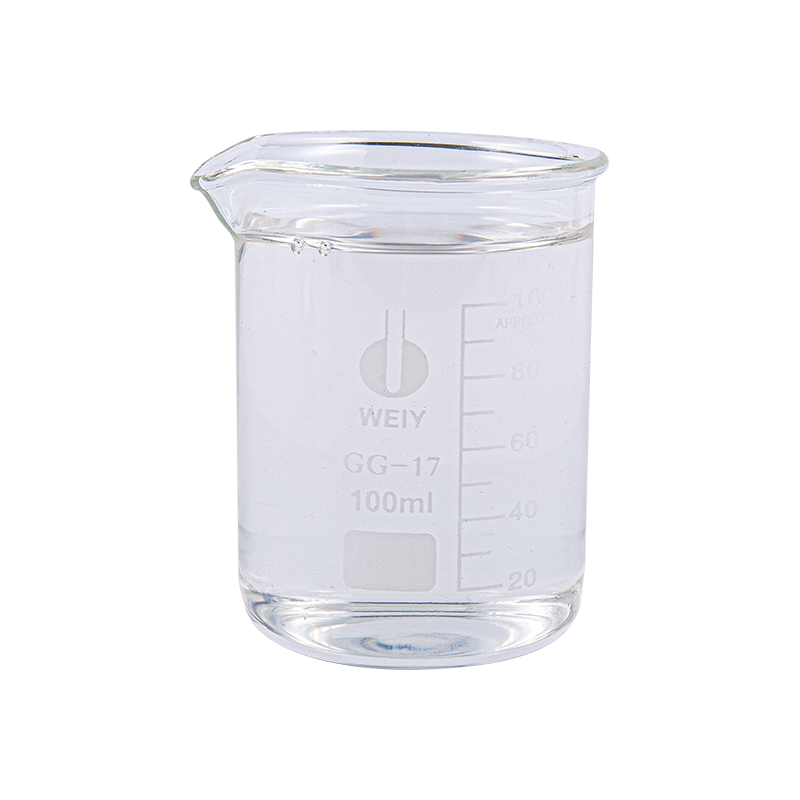
Sodium silicate (sodium water glass) model HLNAL-4, as follow the national standard GB/T4209-2008 liquid-4 model pr...
See Details
Sodium silicate (sodium water glass) model HLNAL-5, as a super high modulus (3.8-4.0) product produced beyond the n...
See Details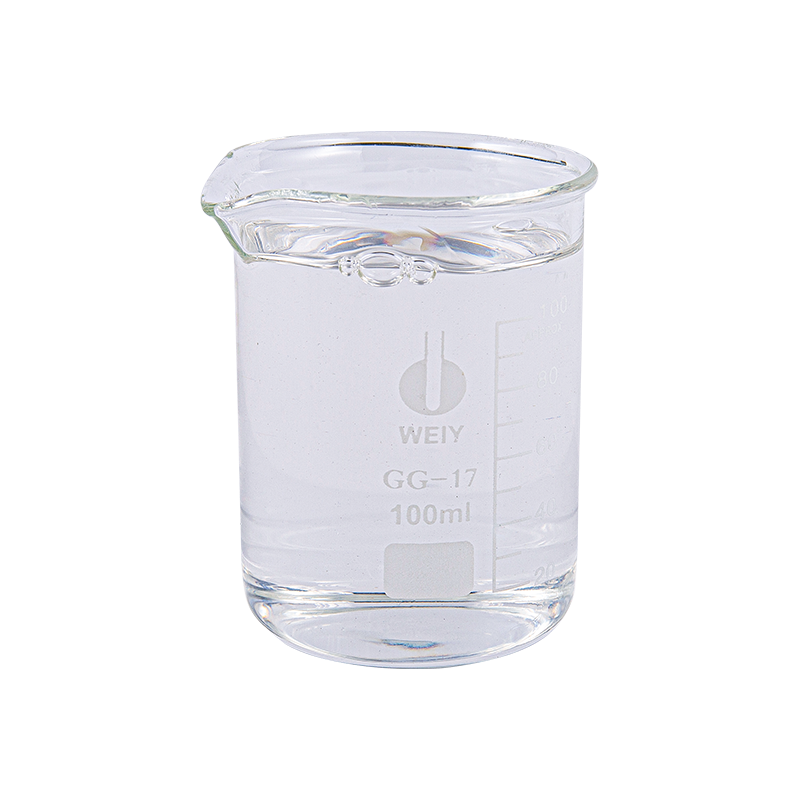
Liquid Potassium Silicate, Model HLKL-5 (Modulus 4.8-5.0), this product is a customized product with ultra-high mod...
See Details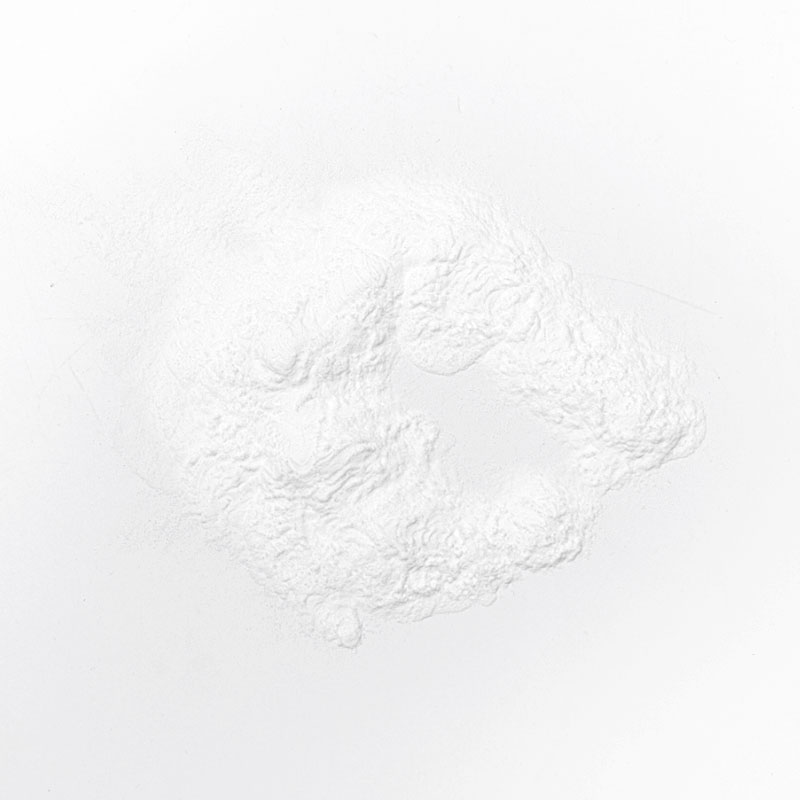
Powdered Potassium Silicate (Model HLKP-1 Mode 2.4±0.1) is a product made of liquid potassium silicate by drying an...
See Details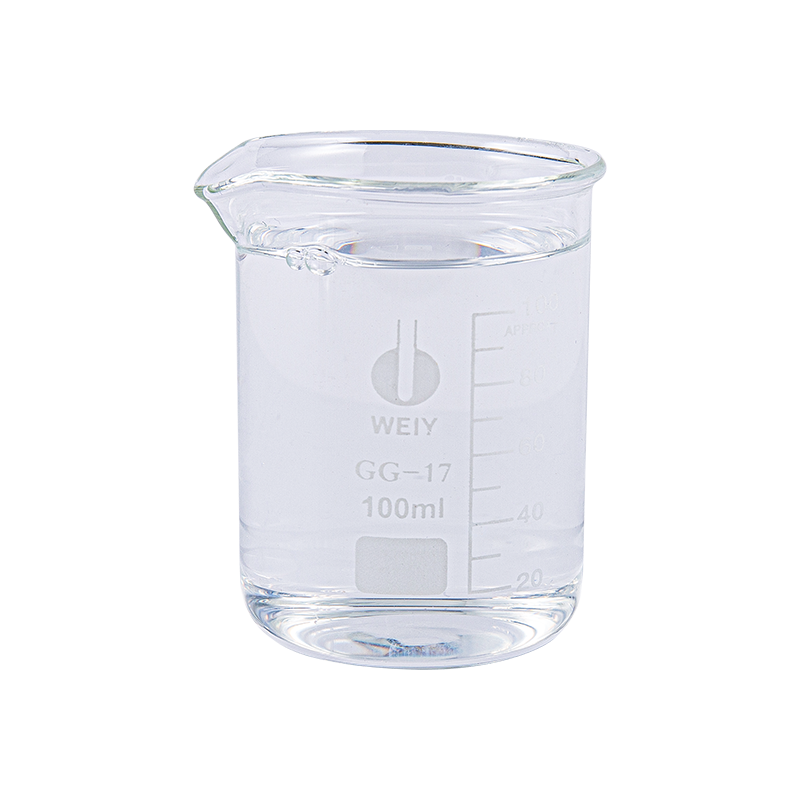
Liquid Lithium Silicate, Model HLLL-1, As an important member of the silicate family, lithium silicate does have a ...
See Details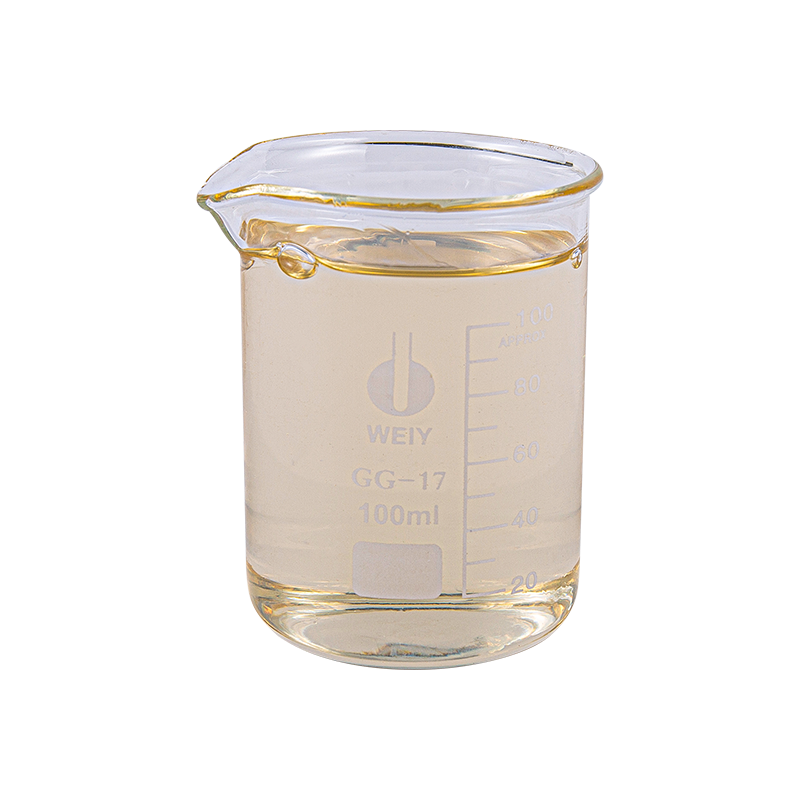
Hengli Potassium Methyl Silicate (Model HLKKL) is a highly efficient waterproofing material that reacts with CO2 or...
See Details
Products
Sodium Silicate Potassium Silicate Lithium Silicate Sodium Methylsilicate Potassium Methylsilicate Silica Sol Inorganic Coatings And Binders Flooring SystemContact
Add:No. 7 Jiaye Road, Tongxiang City, Zhejiang Province, China Phone:+86-15257095913 Tel: +86-0573-88980238 Mob: +86-0573-88980238 E-mail:[email protected]