
 English
 عربى
 Español


 English
 عربى
 Español
Sodium silicate(HLNAL-1)
Cat:Sodium Silicate Liquid
Sodium silicate (sodium water glass) model HLNAL-1, as follow the national standard GB/T4209-2008 liquid-1 model pr...
See Details
Buyers who compare options quickly learn that potassium silicate powder is more than a simple alkaline additive. It is a dry, solid form of potassium silicate, prepared so that the active silicate content can be shipped, stored and dissolved on site without handling a heavy liquid. That difference changes logistics, dosing and the way technical teams plan their trials.
The real value appears once the powder meets water. A well-made grade dissolves in a predictable time, forms a stable solution and delivers consistent binding or nutrient effects from one batch to the next. Most applications rely on a small number of grades, and those grades differ mainly in their silica-to-potassium ratio, known as modulus.
Start with the process requirement rather than the product list. The working condition decides the grade, and the grade decides the trial plan.
Dissolution speed is often the first property engineers check. A powder that dissolves slowly can create lumps, uneven viscosity and wasted mixing time. Particle fineness, storage humidity and modulus all influence how quickly the powder becomes a clear working solution. For many projects, a short dissolving window is more useful than a high nominal strength.
In bonded materials and coatings, the powder forms a silicate network as water evaporates and the system cures. The network supplies hardness, adhesion and heat tolerance. The degree of binding depends on the ratio of silica to potassium and on the drying conditions. Higher-ratio grades usually produce denser films, while lower-ratio grades stay more reactive during early mixing.
Because the product is a solid, its main enemy is moisture. Exposure to humid air can cause caking, which slows dissolution and makes dosing less accurate. Sealed inner liners and dry warehouse conditions protect the powder far better than any process adjustment made later on the production line.
Before ordering, review the full potassium silicate powder specifications so that each property is checked against your own working conditions.
| Property | What It Means | Why It Matters |
|---|---|---|
| Solubility | Speed of dissolving in water | Sets mixing time on site |
| Binding strength | Ability to hold particles together | Affects green strength in refractory work |
| Water resistance | Tolerance to moisture after curing | Influences coating durability |
| Storage stability | Behavior under dry storage | Protects shelf life and dosing accuracy |
Modulus describes the balance between silica and potassium oxide in the powder. It is the single most important specification for matching a grade to an application. Lower-modulus grades are more alkaline and dissolve faster, which suits fast-mixing systems and soil treatment. Higher-modulus grades contain more silica, form harder films and resist water better once they have cured.
| Attribute | Lower Modulus Grade | Higher Modulus Grade |
|---|---|---|
| Alkalinity | Higher | Lower |
| Dissolution speed | Faster | Slower |
| Film hardness | Softer | Harder |
| Water resistance | Moderate | Stronger |
| Typical fit | Soil treatment and fast-mix systems | Coatings and bonded materials |
As a practical rule, choose the modulus that matches the stage where the silicate does its work. If it must act quickly in solution, lean lower. If it must harden and resist water, lean higher.
Industrial users rely on potassium silicate powder because it combines binding, bonding and surface-protection functions in one material. The most common applications fall into four groups, each with its own performance expectations.
Across all four groups, the same lesson applies. A grade that performs well in one system can fail in another if the modulus, particle size or moisture level is wrong. Testing under real process conditions is therefore more valuable than comparing datasheets alone.
Silicon deposited in plant tissues strengthens cell walls and helps crops handle stress more effectively. Growers commonly observe benefits during drought, salinity, heavy pest pressure and nutrient imbalance. The silicate supplied by the powder is a practical route for delivering this element, especially where soils are depleted or highly weathered.
Many trial programs compare treated plots with untreated plots over a full season. Teams that record growth, stress symptoms and yield side by side tend to reach clearer conclusions than those relying on visual impressions alone.
A good purchase starts with the process, not with the price list. The following steps help buyers align the specification with the actual working environment before they request a quotation.
When your process needs a modulus outside the standard range, ask early about custom potassium silicate powder options so that trial schedules are not delayed by late specification changes.
Quality control determines whether a powder behaves the same way in production as it did in the lab. Buyers who understand the key checkpoints can review supplier documents with more confidence and spot warning signs early.
| Test | Purpose | What to Look For |
|---|---|---|
| Appearance | Detect contamination | Uniform color and fine texture |
| Moisture content | Predict caking risk | Low and stable results across lots |
| Modulus check | Confirm the grade | Values within the stated tolerance |
| Particle fineness | Control dissolving time | Consistent sieve results |
| Dissolution test | Verify mixing behavior | Clear solution within the agreed time |
| Packaging integrity | Protect against humidity | Sealed liners and undamaged bags |
Checks at the dissolving, filtering and drying stages reveal problems that a finished-product test may miss. Ask suppliers how each stage is monitored and whether batch records are retained for reference.
Avoiding these errors usually costs far less than correcting a failed batch. A short planning session, a small test and clear specifications prevent most of the problems described above.
Many projects run for months or years, which makes batch-to-batch consistency as important as the initial specification. A grade that matches the datasheet today must still match it when the next shipment arrives. Otherwise, engineers may need to adjust mixing procedures, dosing rates or curing schedules repeatedly.
Long-term buyers often value documentation as much as material properties. Clear batch records, stable packaging and advance notice of any process change help production planners maintain confidence. These factors reduce the hidden cost of rework and unplanned downtime.
Consistency is easier to protect when the specification, the test method and the communication channel are agreed at the start of the relationship.
It is used in refractory binding, drilling fluid additives, coatings, casting and catalyst supports in industry, and in soil and crop programs that aim to support plant stress tolerance.
Dissolving speed depends on the grade, particle fineness and water temperature. Warm water usually speeds dissolving, and a short trial helps confirm the mixing time for your system.
The answer depends on the binding requirement and curing method. Many buyers test both directions and select the grade that gives the most stable green strength during drying.
Minimum order quantities vary with grade, packaging and production schedule. Share your expected annual usage and sample needs with the supplier so they can recommend a practical starting order.
Custom modulus options are available for many projects. Early discussion of your working conditions helps the supplier define a specification and a realistic trial timeline.
Pricing reflects raw material costs, grade, packaging and order volume, and these factors change over time. Request a current quotation with your specification to receive accurate figures for your situation.
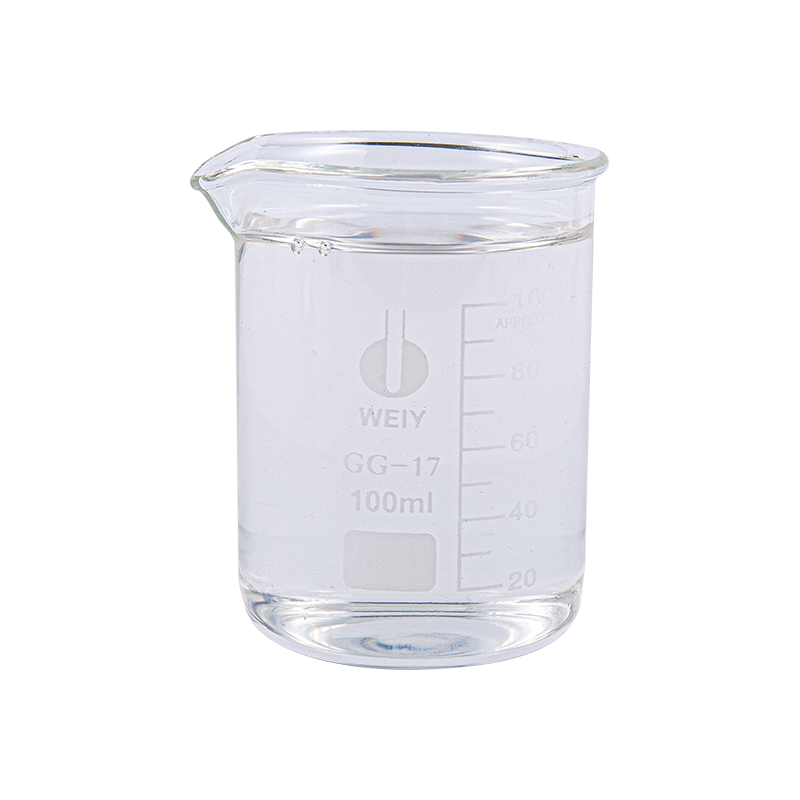
Sodium silicate (sodium water glass) model HLNAL-1, as follow the national standard GB/T4209-2008 liquid-1 model pr...
See Details
Sodium silicate (sodium water glass) model HLNAL-4, as follow the national standard GB/T4209-2008 liquid-4 model pr...
See Details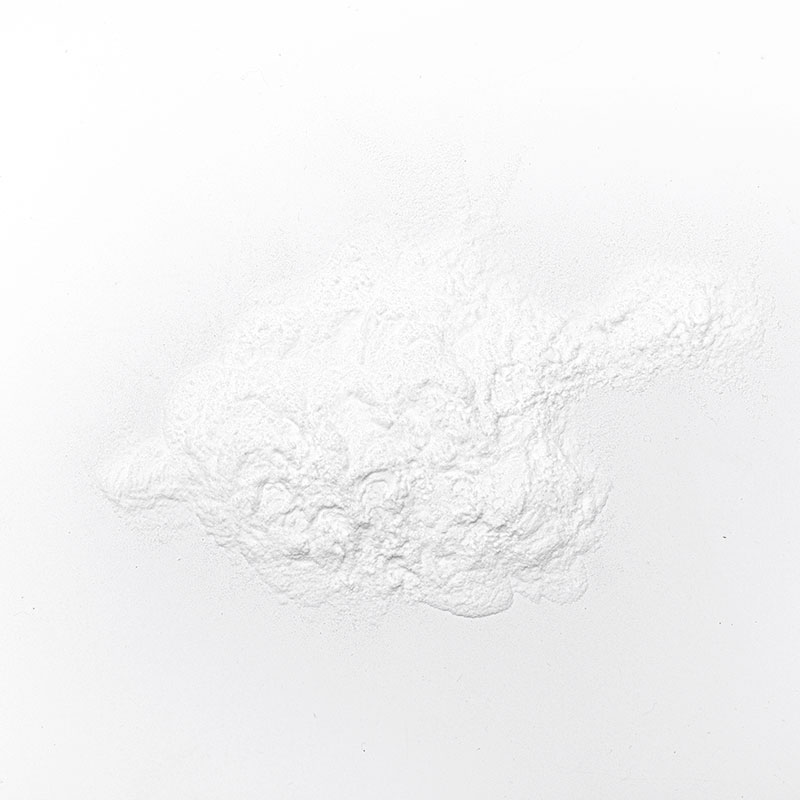
Powdered sodium silicate (model HLNAP-2 modulus 2.4±0.1) is a product made of liquid water glass by drying and spra...
See Details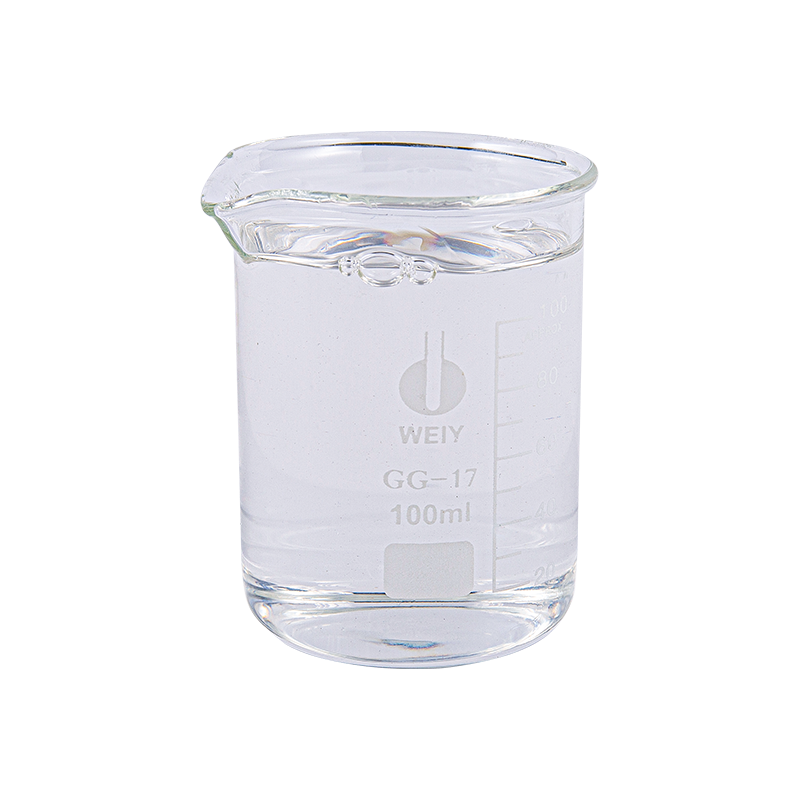
Liquid Potassium Silicate, Model HLKL-2 (Modulus 2.7-3.0), Potassium silicate solution has better appearance and tr...
See Details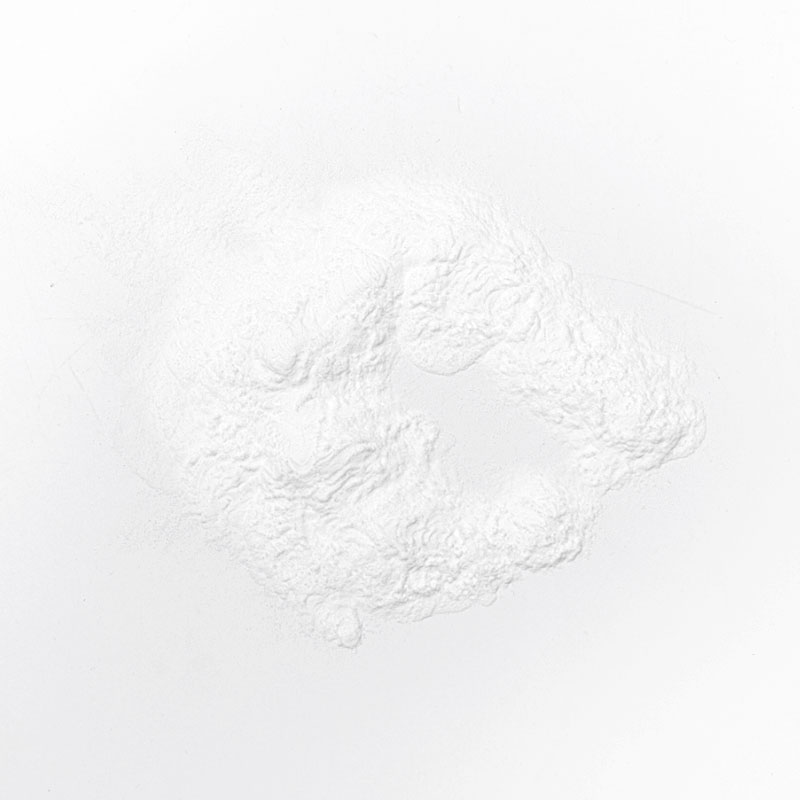
Powdered Potassium Silicate (Model HLKP-2 Modulus 3.3±0.1) is a product made of liquid potassium silicate by drying...
See Details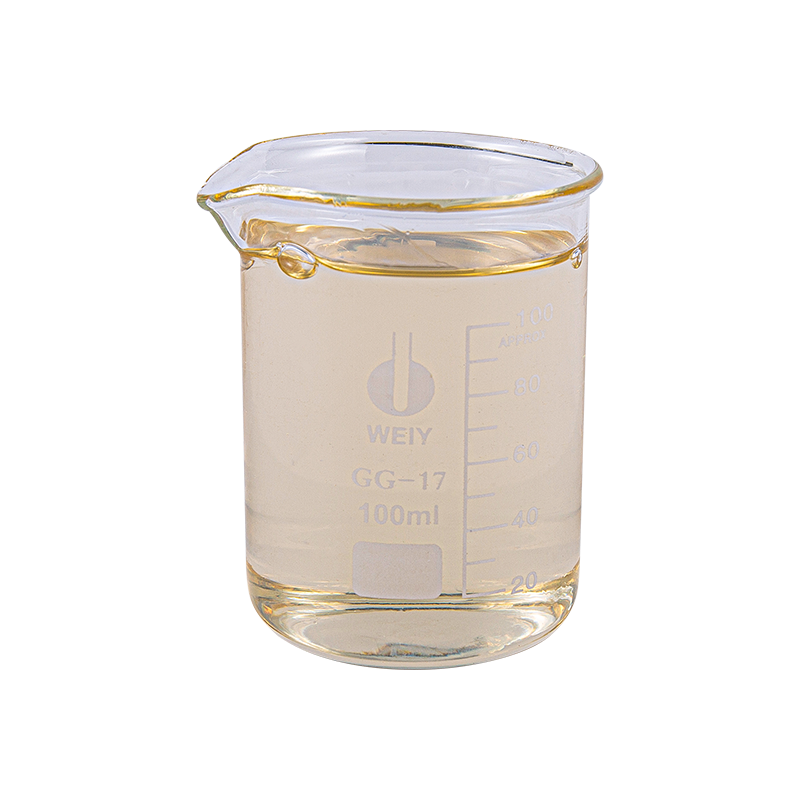
Sodium methyl silicate (model HLKNAL), this product is an organosilicon waterproofing agent, the active ingredient ...
See Details
Products
Sodium Silicate Potassium Silicate Lithium Silicate Sodium Methylsilicate Potassium Methylsilicate Silica Sol Inorganic Coatings And Binders Flooring SystemContact
Add:No. 7 Jiaye Road, Tongxiang City, Zhejiang Province, China Phone:+86-15257095913 Tel: +86-0573-88980238 Mob: +86-0573-88980238 E-mail:[email protected]