
 English
 عربى
 Español


 English
 عربى
 Español
Sodium silicate(HLNAL-6)
Cat:Sodium Silicate Liquid
Sodium silicate (sodium water glass) model HLNAL-6, as beyond the national standard GB/T4209-2008 standard producti...
See Details
Carbon dioxide hardening of sodium silicate binder remains one of the most direct ways to turn a flowable sand mix into a rigid foundry core. The process does not rely on external heat, long oven cycles, or complex catalyst packages. Instead, a controlled pulse of carbon dioxide gas converts a soluble silicate film into a silica-rich gel that bridges sand grains. The result is a core that can be stripped, handled, and cast within minutes.
That apparent simplicity hides a narrow operating window. Gas too little, and the core collapses at the mold line. Gas too much, and the surface becomes friable, dusty, and prone to erosion. The difference often comes down to binder chemistry, sand condition, gassing pressure, and dwell time. Understanding those variables turns a fragile recipe into a repeatable foundry process.
Foundries continue to use carbon dioxide hardening because it solves a specific production problem: how to make a strong core quickly without heating the entire tooling package. The method is sometimes called the CO2-silicate process, and it belongs to the broader family of cold-box and gas-cured systems. Its main appeal is speed, low capital intensity, and compatibility with simple core boxes.
The process also fits foundries that cast large cores or short-run work where thermal tooling would be difficult to justify. A core can be gassed at the machine, stripped while still warm from reaction, and sent to molding before the day shift ends. For shops that need flexibility rather than high-volume automation, that combination is difficult to beat.
Core advantage: carbon dioxide hardening delivers immediate handling strength at room temperature, which reduces fixture time and allows small batches to move through the foundry without a dedicated curing oven.
The trade-off is that the same chemistry that makes the process fast also makes it sensitive. Sodium silicate is a water-based binder, so its curing behavior depends on moisture migration as much as on chemical reaction. When gas flow, sand temperature, or binder modulus drift, the core can move from excellent to unusable within a few seconds of gassing.
Sodium silicate binder is an aqueous solution of alkali metal silicate. Its key structural variable is the molar ratio of silicon dioxide to sodium oxide, commonly called the modulus. A higher modulus means a more silica-rich solution that can develop greater strength, but it also raises viscosity and shortens storage stability.
When carbon dioxide contacts the binder film, it dissolves in the water present in the silicate solution. The dissolved gas forms carbonic acid species, which lower the local pH. That pH shift destabilizes the soluble silicate and causes silicic acid to polymerize into a hydrated silica network. At the same time, sodium carbonate and sodium bicarbonate salts form in the film.
The hardening mechanism is therefore not a simple drying step. It is an acid-driven gelation process. Water is still present after gassing, and the core continues to gain strength as the gel network matures and some moisture equilibrates with the surrounding air.
Moisture is a double-edged condition. The binder needs enough water to allow carbon dioxide to dissolve and react, but excess water dilutes the silicate film and slows strength development. Very dry sand can pull moisture away from the binder before gassing, leaving unreacted silicate and a weak core surface.
Gas distribution matters just as much as gas volume. Carbon dioxide follows the path of least resistance, so a core with poor venting or dense sand packing may develop hard edges and soft centers. In practice, foundries often judge a gassing cycle by the color and feel of the core surface, then confirm the result with a fracture test or a simple bending check.
Carbon dioxide purity also affects repeatability. Industrial-grade gas that contains oil, compressor condensate, or excessive moisture can contaminate the binder film and produce inconsistent cure. A clean, dry gas supply is a basic requirement for a stable process.
The sand must be dry, clean, and closely sized for consistent permeability. Clay, fines, and organic residues compete with the binder for surface area and can consume carbon dioxide before it reaches the active silicate film. Most foundries aim for a narrow grain distribution and a low acid demand value.
Binder addition usually falls between 2.0 and 4.0 percent by sand weight, depending on core geometry and required strength. The binder should be mixed long enough to coat every grain, but not so long that the sand heats up or the silicate begins to dry. A uniform, slightly tacky mix is easier to blow and gas than a mix with dry pockets or binder balls.
Gassing is a balance between reaction time and gas penetration. A short pulse at moderate pressure often outperforms a long, high-pressure blast because it avoids channeling and surface over-cure. The table below summarizes practical starting ranges for a cold-box style carbon dioxide silicate process.
| Parameter | Practical Range | Why It Matters |
|---|---|---|
| Binder addition | 2.0 to 4.0 percent by sand weight | Too low gives weak bridges; too high raises gas demand and friability. |
| Sodium silicate modulus | 2.0 to 3.0 SiO2 to Na2O molar ratio | Higher modulus develops faster strength but increases viscosity. |
| CO2 flow rate | 1 to 4 liters per minute per kilogram of sand | Controls gelation speed and gas penetration into the core. |
| Gassing time | 5 to 30 seconds | Short pulses may leave unreacted binder; long pulses dry and embrittle. |
| CO2 pressure | 0.1 to 0.5 MPa | Low pressure gives poor distribution; high pressure channels gas. |
| Sand temperature | 15 to 35 C | Cold sand slows reaction; hot sand flashes moisture and over-hardens. |
| Room humidity | 40 to 70 percent | Dry air pulls moisture from the binder film; damp air can condense. |
These values are starting points, not fixed rules. A heavy core with thick sections may need a longer dwell or a lower flow rate to allow gas to diffuse evenly. A thin, complex core may need a shorter, sharper pulse to avoid over-gassing the edges.
After gassing, the core should be stripped as soon as it can resist handling. Waiting too long can allow the surface to dry and become brittle, while stripping too early can deform the core. A gentle air purge after gassing can help remove residual gas without drying the binder film.
Immediate strength is not the same as final strength. The core continues to cure in air as the silica gel matures and moisture redistributes. Bench life depends on ambient humidity, core thickness, and binder level. In dry climates, cores may need to be wrapped or stored in a controlled area to prevent surface cracking.
CO2-hardened sodium silicate cores offer a distinct set of advantages. They cure at room temperature, require relatively simple equipment, and can be produced in small batches without a large thermal investment. The binder is inorganic, so it does not release the same volatile organic compounds associated with many organic resin systems during curing.
The limitations are equally important. Sodium silicate is alkaline and can attack certain tooling materials over time. Residual sodium salts in the sand can affect sand reclamation and increase shakeout difficulty. Cores can also be sensitive to over-gassing, which produces a brittle surface that breaks down during handling or pouring.
| Factor | CO2-Hardened Sodium Silicate | Practical Implication |
|---|---|---|
| Cure speed | Seconds to minutes | High productivity without heated tooling. |
| Equipment demand | Low to moderate | Simple gas supply and core box venting. |
| Surface finish | Good when gas is controlled | Over-gassing creates friable, dusty skin. |
| Sand reclamation | More difficult than organic systems | Residual sodium salts require attention. |
| Process window | Narrow | Small changes in gas or sand can shift strength. |
These limits do not make the process obsolete. They simply define where it works best: short-run and medium-run cores, large cores with simple geometry, and operations that value fast stripping and low capital cost over maximum sand reclamation efficiency.
Most carbon dioxide hardening problems appear as strength loss, surface defects, or gas-related marks. The table below connects common symptoms to likely causes and corrective actions.
| Defect | Likely Cause | Corrective Action |
|---|---|---|
| Soft core | Under-gassing, low binder, cold sand | Increase gas time, verify binder level, warm sand to room temperature. |
| Friable surface | Over-gassing, dry sand, high modulus | Reduce gas time, adjust binder, control moisture in the mix. |
| Gas channels | High pressure, poor venting | Lower pressure, improve vent placement, reduce gas flow rate. |
| Core sag | Insufficient immediate strength, early stripping | Increase binder or dwell time, support the core after stripping. |
| Veining | Thermal expansion, low hot strength | Adjust sand additives, binder modulus, and gassing cycle. |
| Poor shakeout | Excess binder, over-gassing | Reduce binder addition, optimize gas time, review sand grain shape. |
Rule of thumb: if the core is soft in the center but hard on the surface, the gas is not penetrating. If it is hard and dusty on the surface but weak underneath, the gas is reacting too quickly and drying the binder film.
Binder selection begins with the modulus, solids content, and viscosity of the sodium silicate solution. A low-modulus binder is more alkaline and easier to handle, but it develops strength more slowly. A high-modulus binder offers faster strength and higher final hardness, but it can be viscous and less stable during storage.
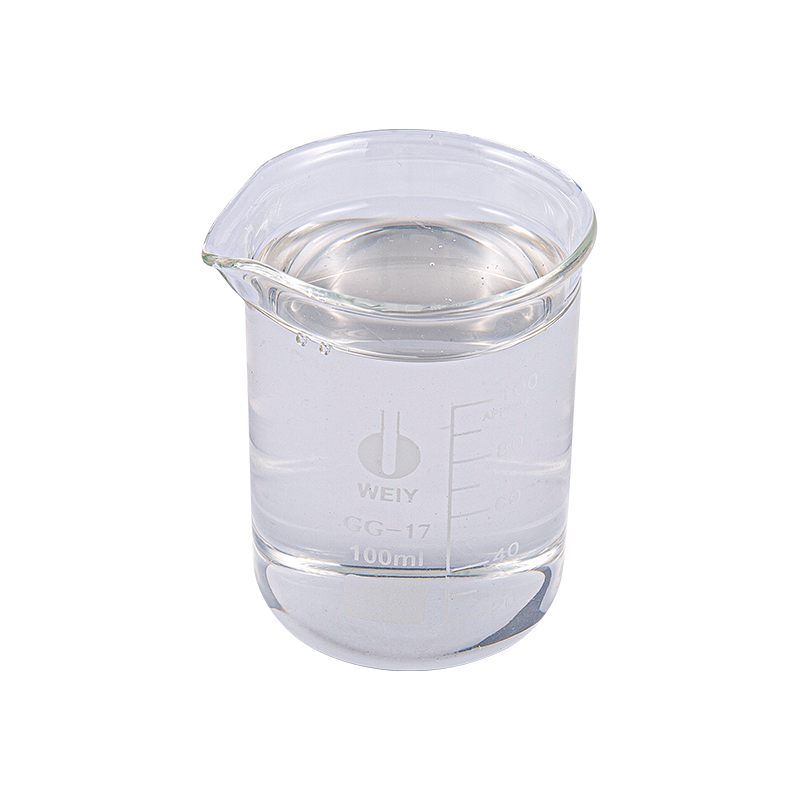 Sodium silicate(HLNAL-2)Brand: Hengli Model: HLNAL-2 Appearance: Transparent or semi-transparent thick liquid Packing specifications: 20L, 200L, 1000L, if necessary, we can agree on the packi...View Product →
Liquid sodium silicate grades are often chosen for foundry sand mixing because they disperse easily and soak into the sand surface. The optimum grade depends on the gassing equipment, sand temperature, and the strength required at stripping. In many cases, a moderate-modulus liquid silicate with consistent solids content gives the best balance between cure speed and surface quality.
Powdered sodium silicate can be useful when the foundry wants to prepare a dry sand blend or control moisture separately. It dissolves in the water added during mixing, but it requires longer mulling to reach a uniform binder film. Powder handling also creates dust, so ventilation and housekeeping are important.
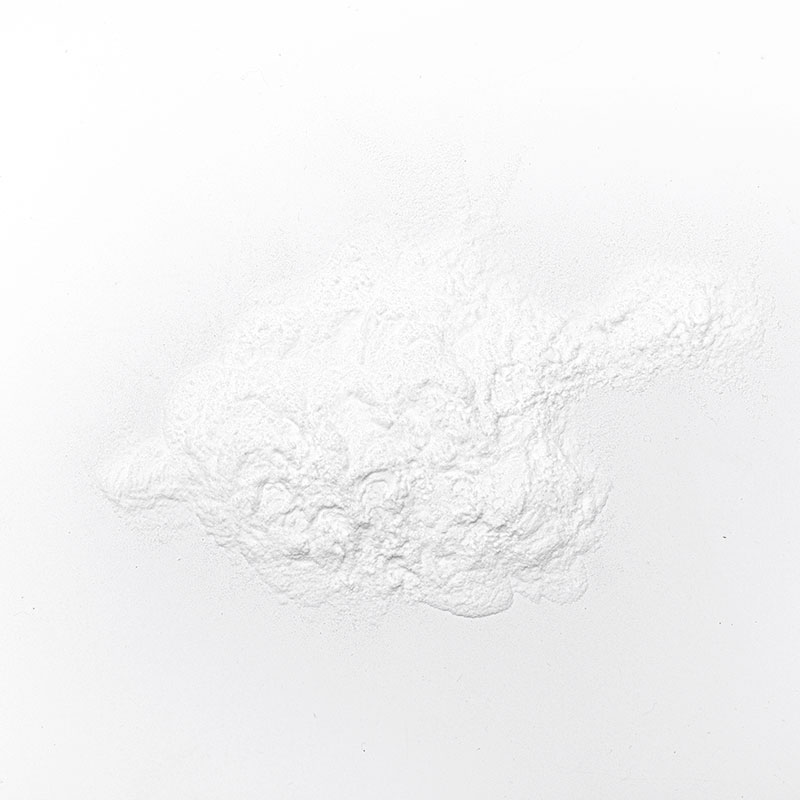 Sodium silicate(HLNAP-1)Brand: Hengli Model: HLNAL-1 Product Appearance: White powder Packing: 25kg woven bag or kraft paper bag Manufacturer: Tongxiang Hengli Chemical Co.View Product →
For carbon dioxide hardening, the choice between liquid and powder usually comes down to plant logistics rather than chemistry. Liquid is simpler for most core rooms. Powder can be advantageous when storage stability, dry mixing, or transport conditions favor a solid raw material.
Whichever form is used, the same principle applies: the binder must be consistent from batch to batch. Variations in modulus or solids content change the gas demand and the final strength. A foundry that tracks those values will spend less time chasing defects. For a broader background on inorganic silicate chemistry, the relationship between composition, solubility, and cured structure is worth reviewing before changing grades.
Carbon dioxide hardening is often described as a low-energy process because it avoids heated core boxes and long baking cycles. That advantage is real, but it does not remove all environmental concerns. Carbon dioxide is still a greenhouse gas, and excessive gassing wastes gas while damaging the core. Good process control reduces both emissions and defect rates.
Sodium silicate is alkaline. Direct skin contact can cause irritation, and dust from powdered grades should be controlled with local exhaust ventilation. Sand preparation areas should be kept clean because dried binder films can create airborne dust during mixing and core handling.
These measures are not only safety requirements. They also improve repeatability. A stable process uses less binder, less gas, and less rework, which lowers cost and environmental impact at the same time.
It is a cold curing process in which carbon dioxide gas is passed through a sand core containing sodium silicate. The gas lowers the pH of the binder film and causes silica gel to form, bonding the sand grains together.
Most cores require 5 to 30 seconds of gassing, depending on core size, sand permeability, binder level, and gas flow rate. Large or dense cores may need a longer dwell, while thin cores can be over-gassed in only a few seconds.
Edge crumble usually points to over-gassing, dry sand, or a binder with a high modulus. Reduce the gas time, check sand moisture, and confirm that the binder is mixed evenly throughout the sand.
Yes. Powdered sodium silicate can be dry-blended with sand and activated by the water added during mixing. It requires longer mulling and careful dust control, but the hardening chemistry is the same as with liquid silicate.
A sand temperature between 15 and 35 C is practical for most foundries. Cold sand slows the reaction and may leave soft centers, while hot sand can flash moisture and produce a brittle surface.
Improve gas distribution, reduce over-gassing, control sand moisture, and use a consistent binder modulus. Better venting and a moderate gas pulse often increase strength more effectively than simply raising the binder percentage.
Carbon dioxide hardening of sodium silicate binder is a compact, fast, and technically elegant process. It works because carbon dioxide triggers gelation in a water-based inorganic binder, creating strength without heat. That same mechanism demands discipline in sand preparation, gas control, and binder selection.
The foundries that get the best results treat the process as a system rather than a single step. They document gassing parameters, monitor sand temperature and moisture, and verify core strength with simple fracture tests. They also understand that the binder grade is not an isolated purchase decision. Modulus, solids, and form all influence how the core behaves at the machine and in the mold.
When those variables are aligned, carbon dioxide hardening delivers what it promises: strong cores, fast cycles, and a practical route from sand mix to casting without unnecessary heat or complexity.
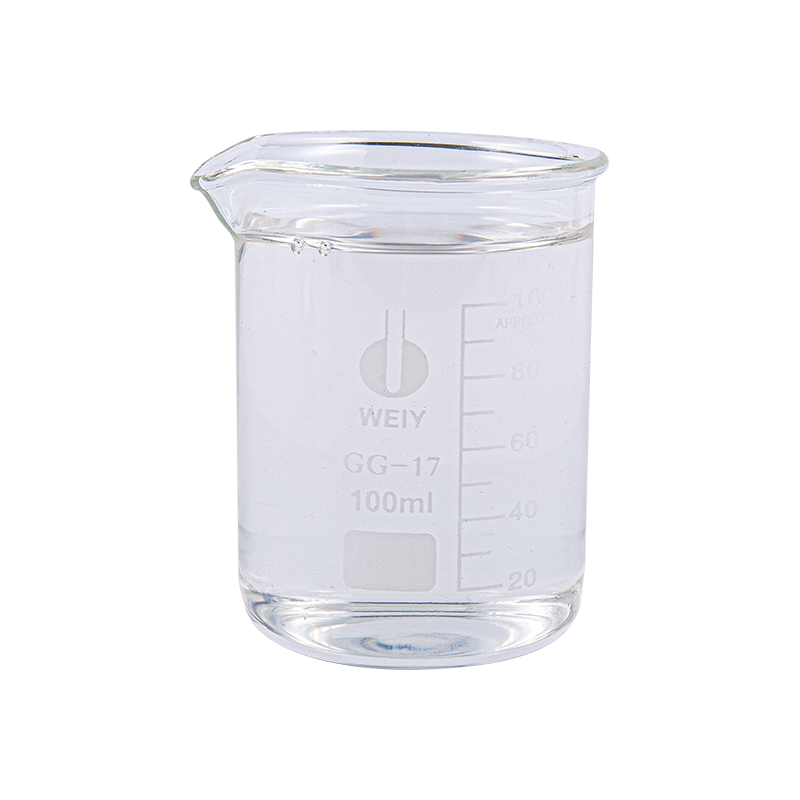
Sodium silicate (sodium water glass) model HLNAL-6, as beyond the national standard GB/T4209-2008 standard producti...
See Details
Powdered sodium silicate (model HLNAP-1 modulus 2.0±0.1) is a product made of liquid water glass by drying and spra...
See Details
Powdered sodium silicate (model HLNAP-2 modulus 2.4±0.1) is a product made of liquid water glass by drying and spra...
See Details
Powdered sodium silicate (model HLNAP-4 modulus 3.4±0.1) is a product made of liquid water glass by drying and spra...
See Details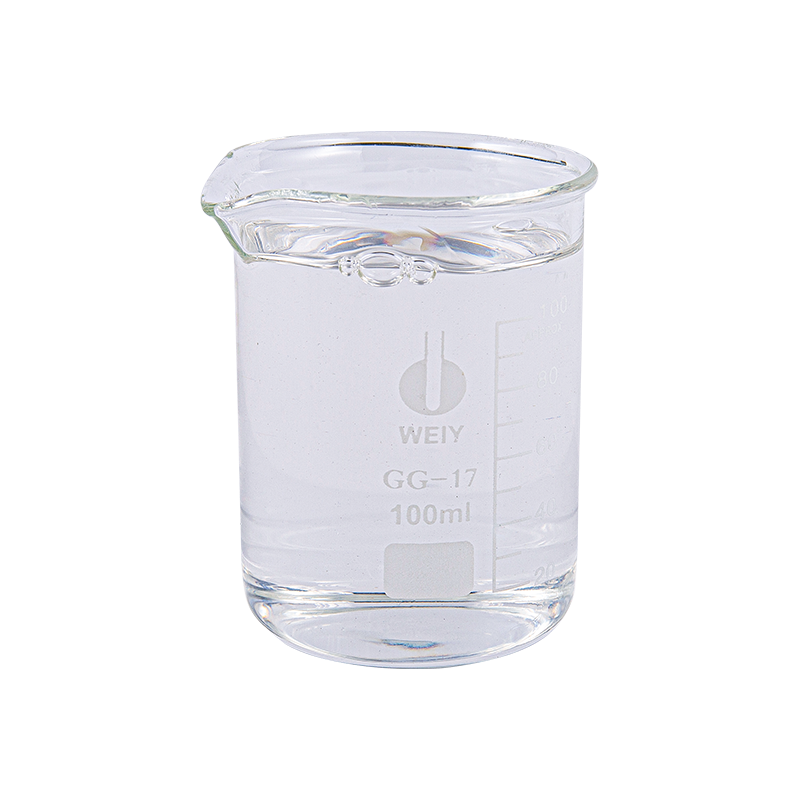
Liquid Potassium Silicate, Model HLKL-2 (Modulus 2.7-3.0), Potassium silicate solution has better appearance and tr...
See Details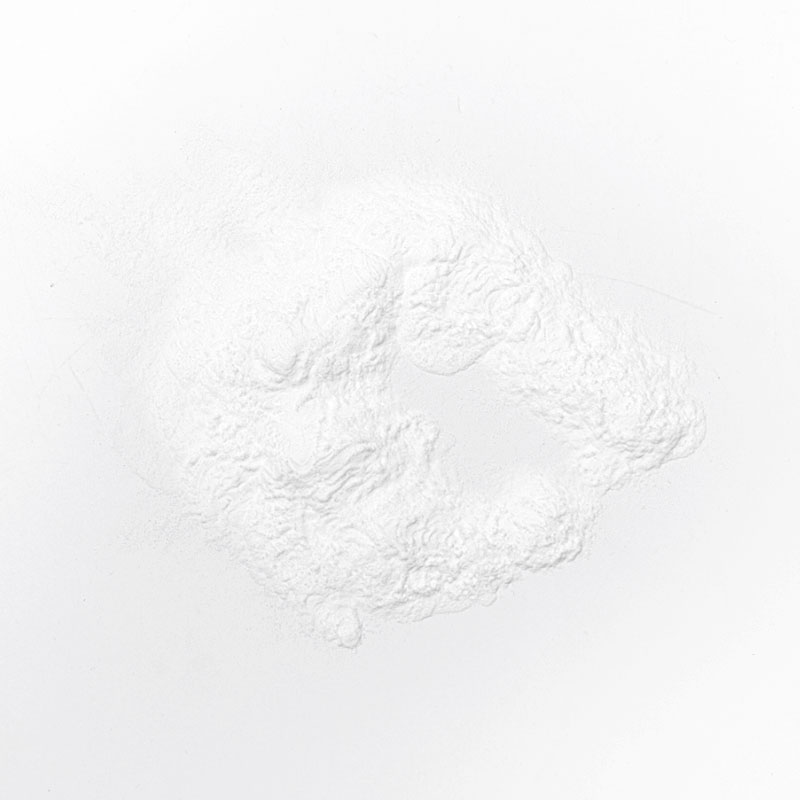
Powdered Potassium Silicate (Model HLKP-1 Mode 2.4±0.1) is a product made of liquid potassium silicate by drying an...
See Details
Products
Sodium Silicate Potassium Silicate Lithium Silicate Sodium Methylsilicate Potassium Methylsilicate Silica Sol Inorganic Coatings And Binders Flooring SystemContact
Add:No. 7 Jiaye Road, Tongxiang City, Zhejiang Province, China Phone:+86-15257095913 Tel: +86-0573-88980238 Mob: +86-0573-88980238 E-mail:[email protected]