
 English
 عربى
عربى Español

 English
 عربى
عربى Español
Sodium silicate(HLNAL-1)
Cat:Sodium Silicate Liquid
Sodium silicate (sodium water glass) model HLNAL-1, as follow the national standard GB/T4209-2008 liquid-1 model pr...
See Details
Sodium silicate liquid, often referred to as water glass, is a clear to slightly reddish, transparent or translucent viscous liquid that has found widespread use across various industries due to its exceptional properties. Known for its high viscosity, heat resistance, and good water resistance, this chemical compound has become an essential component in construction, textiles, paper manufacturing, and oil extraction, among others.
Sodium silicate liquid is a compound composed of sodium oxide (Na₂O) and silicon dioxide (SiO₂) in varying proportions. It is typically produced by melting silica sand with soda ash at high temperatures, resulting in a viscous solution. The liquid can vary in appearance, ranging from colorless to slightly reddish, but it retains its characteristic high viscosity and ability to form strong bonds.
Sodium silicate liquid is valued for its unique set of properties that make it highly effective in several industrial applications:
In the construction industry, liquid sodium silicate is primarily used as an enhancer for concrete and mortar. It significantly improves the strength and durability of the materials, especially in environments where moisture resistance and long-term stability are critical. Sodium silicate is often used to seal concrete surfaces, providing an added layer of protection against water penetration and environmental wear.
| Key Attributes | Details |
|---|---|
| Application | Concrete and Mortar Enhancement |
| Primary Benefits | Strength, Durability, Moisture Resistance |
| Common Uses | Concrete Sealant, Mortar Enhancer |
| Properties | High Viscosity, Water Resistance |
Liquid sodium silicate is used extensively as a sizing agent in the textile industry. It helps to improve the strength and appearance of fabrics by bonding the fibers and preventing fraying. Additionally, it provides resistance to moisture and can enhance the finish of textiles, making them more durable. The liquid’s alkaline properties are also useful in the dyeing process, where it aids in the fixation of dyes onto fabrics.
| Key Attributes | Details |
|---|---|
| Application | Textile Sizing |
| Primary Benefits | Fiber Bonding, Strength, Durability |
| Common Uses | Fabric Sizing, Dye Fixation |
| Properties | Alkaline, Moisture Resistance |
In the paper industry, liquid sodium silicate serves as an adhesive and a binder for paper pulp. It helps to improve the paper’s strength and resistance to degradation. Its role as an adhesive is particularly crucial in the production of corrugated cardboard, where it ensures the structural integrity of the final product.
| Key Attributes | Details |
|---|---|
| Application | Paper Adhesive |
| Primary Benefits | Paper Strength, Adhesion, Durability |
| Common Uses | Cardboard Production, Paper Bonding |
| Properties | Alkaline, Strong Bonding |
Liquid sodium silicate is used in the oil and gas industry as an additive in drilling fluids. The compound helps to enhance the performance of drilling operations by improving the viscosity and stability of the drilling mud. It also plays a crucial role in preventing the collapse of boreholes, contributing to the overall efficiency and safety of oil extraction processes.
| Key Attributes | Details |
|---|---|
| Application | Drilling Fluid Additive |
| Primary Benefits | Viscosity Enhancement, Stability |
| Common Uses | Oil Extraction, Drilling Operations |
| Properties | Heat Resistance, High Viscosity |
While liquid sodium silicate has many industrial benefits, it is crucial to handle it with care due to its strongly alkaline nature. Direct contact with the skin or eyes can cause irritation or burns. Protective equipment such as gloves, goggles, and proper ventilation should be used when handling the liquid.
When storing liquid sodium silicate, it is important to keep it in a tightly sealed container to prevent contamination and maintain its efficacy. The storage area should be cool, dry, and away from incompatible materials.
1. What are the primary uses of liquid sodium silicate?
Liquid sodium silicate is widely used in industries such as construction, textiles, paper manufacturing, and oil extraction. It enhances concrete and mortar, acts as a sizing agent for textiles, serves as an adhesive in paper production, and is used in drilling fluids for oil fields.
2. Is liquid sodium silicate safe to use in household products?
While liquid sodium silicate is commonly used in industrial applications, it is not typically recommended for household products due to its alkaline properties. Proper safety precautions should be followed when handling it in industrial settings.
3. How should liquid sodium silicate be stored?
Liquid sodium silicate should be stored in tightly sealed containers in a cool, dry place, away from incompatible materials. It should be handled with care to avoid contact with skin and eyes.
4. What are the benefits of using liquid sodium silicate in concrete?
Liquid sodium silicate enhances the strength and durability of concrete, improving its resistance to water penetration and environmental wear. It is commonly used to seal concrete surfaces and enhance the material’s overall performance.
5. Can liquid sodium silicate be used for fireproofing?
Yes, liquid sodium silicate can be used in fireproofing applications due to its high heat resistance. It can be incorporated into fireproof coatings and materials to improve their performance in high-temperature environments.
Liquid sodium silicate is a versatile compound that plays an essential role in various industries, from construction and textiles to paper manufacturing and oil extraction. Its unique properties, such as high viscosity, heat resistance, and water resistance, make it a valuable additive in a range of applications.
Sodium silicate (sodium water glass) model HLNAL-1, as follow the national standard GB/T4209-2008 liquid-1 model pr...
See Details
Sodium silicate (sodium water glass) model HLNAL-3, as follow the national standard GB/T4209-2008 liquid-3 model pr...
See Details
Sodium silicate (sodium water glass) model HLNAL-5, as a super high modulus (3.8-4.0) product produced beyond the n...
See Details
Powdered sodium silicate (model HLNAP-3 modulus 2.9±0.1) is a product made of liquid water glass by drying and spra...
See Details
Liquid potassium silicate, model HLKL-4 (modulus 3.6-3.8), potassium silicate solution has better appearance and tr...
See Details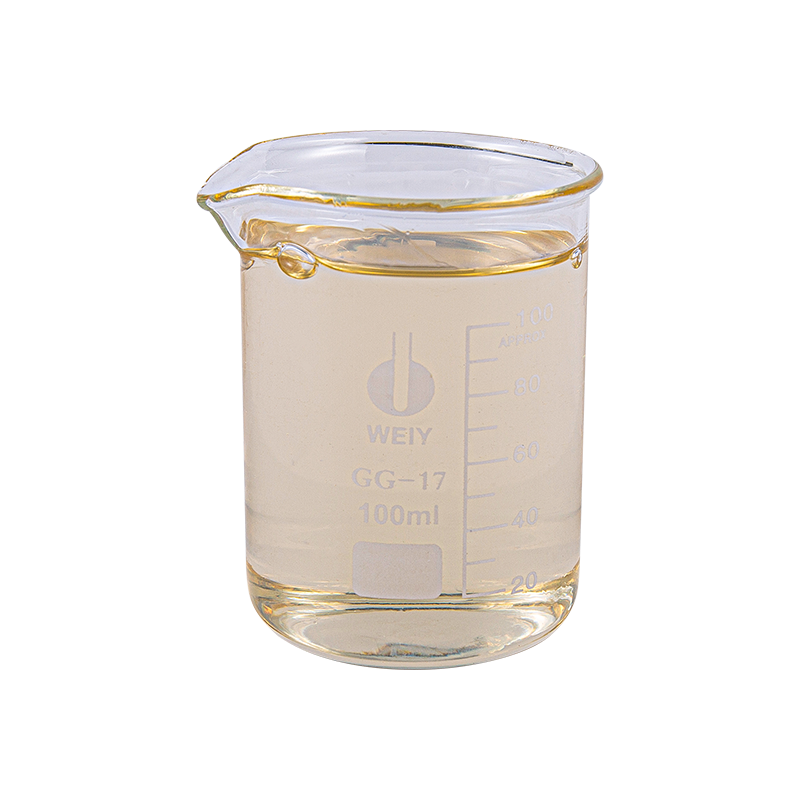
Sodium methyl silicate (model HLKNAL), this product is an organosilicon waterproofing agent, the active ingredient ...
See Details
Products
Sodium Silicate Potassium Silicate Lithium Silicate Sodium Methylsilicate Potassium Methylsilicate Silica Sol Inorganic Coatings And Binders Flooring SystemContact
Add:No. 7 Jiaye Road, Tongxiang City, Zhejiang Province, China Phone:+86-15257095913 Tel: +86-0573-88980238 Mob: +86-0573-88980238 E-mail:[email protected]