
 English
 عربى
عربى Español

 English
 عربى
عربى Español
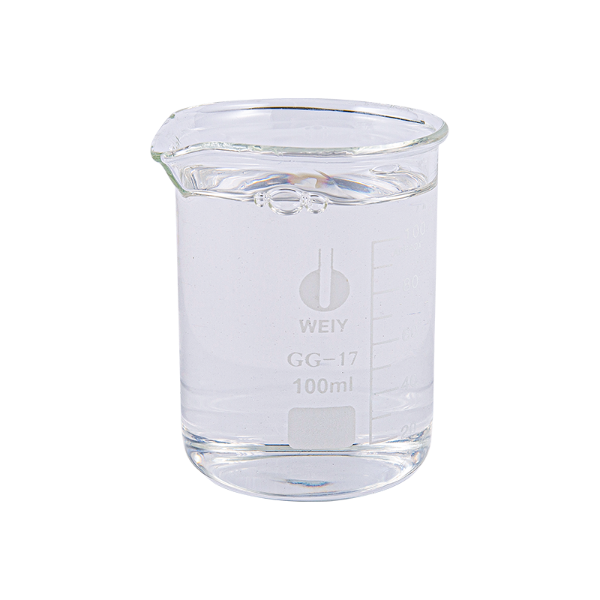
Sodium silicate(HLNAL-2)
Cat:Sodium Silicate Liquid
Sodium silicate (sodium water glass) model HLNAL-2, as follow the national standard GB/T4209-2008 liquid-2 model pr...
See Details
Inorganic silicates represent one of the most abundant and chemically versatile families of materials on Earth. From the composition of planetary crusts to advanced industrial formulations, these compounds play a foundational role in both natural geochemistry and human technology. Understanding what inorganic silicates are and how they function at a molecular level is essential for professionals in materials science, construction, coatings, and environmental engineering.
Inorganic silicates are salts derived from silicic acid (H₄SiO₄) or its condensed forms. Structurally, they consist of silicon and oxygen atoms arranged in tetrahedral units, where a central silicon atom bonds covalently to four oxygen atoms. These tetrahedra can exist as discrete units or link together by sharing oxygen atoms to form chains, sheets, or three-dimensional frameworks. The negative charge generated by oxygen atoms is balanced by metal cations such as sodium, potassium, calcium, magnesium, or aluminum.
Unlike organic silicates, which contain silicon‑carbon bonds, inorganic silicates lack direct silicon‑carbon linkages. This distinction gives them greater thermal stability, resistance to oxidation, and compatibility with mineral systems. Common natural examples include feldspars, micas, clays, and zeolites. Industrially, synthetic inorganic silicates such as sodium metasilicate, potassium silicate, and calcium silicate are produced for a wide range of applications.
The diversity of inorganic silicates arises from the different ways silicate tetrahedra polymerize. The table below summarizes the main structural classes and their general characteristics.
| Structural Class | Tetrahedra Connectivity | Typical Examples | Key Properties |
|---|---|---|---|
| Orthosilicates (nesosilicates) | Isolated SiO₄⁴⁻ units | Olivine, zircon | High density, high melting point |
| Disilicates (sorosilicates) | Two SiO₄ tetrahedra sharing one oxygen | Thortveitite | Moderate hardness |
| Ring silicates (cyclosilicates) | Closed rings of 3, 4, or 6 tetrahedra | Beryl, tourmaline | Stability, piezolectricity |
| Chain silicates (inosilicates) | Single or double chains | Pyroxenes, amphiboles | Fibrous or prismatic habit |
| Sheet silicates (phyllosilicates) | Infinite two‑dimensional sheets | Micas, clays, talc | Cleavage, ion exchange capacity |
| Framework silicates (tectosilicates) | Three‑dimensional network | Quartz, feldspars, zeolites | High hardness, porosity (zeolites) |
All these classes share the fundamental inorganic silicates motif, but their physical and chemical behaviors differ significantly based on how tightly the oxygen bridges bind the structure and how cations or water molecules occupy interstitial spaces.
The working mechanisms of inorganic silicates depend on their environment—aqueous, thermal, or mechanical. Three primary modes of action are especially relevant for industrial and environmental applications.
When a soluble inorganic silicate such as sodium silicate is dissolved in water, it does not simply dissociate into simple ions. Instead, it undergoes hydrolysis and forms a complex equilibrium mixture of silicic acid monomers, dimers, and oligomers. The solution is alkaline, typically with a pH above 11. Over time or with the addition of acids, these species condense to form larger three‑dimensional networks, eventually gelling into a solid amorphous silica framework.
This sol‑gel transition is one of the most useful behaviors. By controlling pH, temperature, and ionic strength, manufacturers can adjust the setting time, final porosity, and mechanical strength of the silicate‑derived material. This principle underlies the use of inorganic silicates in binders, adhesives, and refractory coatings.
In aqueous environments containing ferrous metals, inorganic silicates can act as anodic corrosion inhibitors. The silicate species migrate to metal surfaces and form a thin, protective iron‑silicate film. This film isolates the metal from oxygen and moisture, drastically reducing corrosion rates. Unlike organic inhibitors, inorganic silicates do not break down at high temperatures and remain effective in neutral to mildly alkaline conditions. They are commonly applied in closed water circulation systems, cooling towers, and pretreatment rinses before painting.
The mechanism involves adsorption of negatively charged silicate oligomers onto the positively charged metal surface, followed by chemical reaction with iron ions to form a sparingly soluble complex. Over time, this passive layer becomes more compact and self‑repairs if mildly disturbed, provided residual silicate remains in the water.
In sheet and framework silicates, the negative charge of the aluminosilicate lattice (when Al³⁺ substitutes for Si⁴⁺) is balanced by exchangeable cations such as Na⁺, K⁺, Ca²⁺, or Mg²⁺. These cations are hydrated and can be replaced by other ions from solution, a process known as cation exchange. This capability makes certain inorganic silicates—especially zeolites and clays—valuable for water softening, heavy metal removal, and catalytic cracking.
Additionally, in cementitious systems, calcium silicate hydrates (C‑S‑H) are the primary binding phases responsible for the strength of concrete. When calcium hydroxide reacts with amorphous silica or silicates, a rigid gel forms that glues aggregate particles together. This pozzolanic reaction is the reason why ground granulated blast furnace slag or natural pozzolans are blended with Portland cement.
Because inorganic silicates work through distinct mechanisms, their applications span multiple sectors.
Adhesives and Binders: Sodium silicate (water glass) is used to bond corrugated cardboard, abrasives, and fire‑resistant panels. Upon heating or exposure to carbon dioxide, the silicate solution sets irreversibly.
Coatings and Paints: Inorganic silicate‑based paints penetrate mineral substrates like concrete or brick, reacting chemically to form a highly durable, breathable coating that does not peel. They are also used for anti‑graffiti and high‑temperature resistant coatings.
Construction Materials: Calcium silicate bricks, boards, and insulation products offer fire resistance, moisture regulation, and dimensional stability. Injected silicate grouts stabilize loose soils and seal cracks.
Water Treatment: Sodium aluminate silicate (a synthetic zeolite) softens water by exchanging sodium for calcium and magnesium. Iron and manganese removal also relies on silicate‑coated filter media.
Detergents and Cleaners: Sodium disilicate and metasilicate provide alkalinity and sequester hardness ions, preventing soap scum and enhancing cleaning efficiency.
Foundry and Refractories: Inorganic silicates serve as temporary binders in sand molds for metal casting. The molds break down easily after casting, allowing clean separation.
Most solid inorganic silicates are mildly alkaline and can cause skin or eye irritation. Inhaling dust from dried silicates should be avoided. Soluble forms (e.g., sodium silicate) are corrosive to mucous membranes. Standard industrial hygiene measures—gloves, goggles, dust masks—are sufficient for safe handling. Amorphous synthetic silicates are generally not classified as carcinogens, unlike some crystalline silica polymorphs.
Silica (SiO₂) is the simplest silicon‑oxygen compound, a network solid without balancing cations. Inorganic silicates contain silica tetrahedra plus metal cations, making them salts of silicic acid. Silica dissolves only at very high pH, whereas many inorganic silicates dissolve readily in water or acid. In practical terms, silicates are more reactive and therefore more versatile for chemical processes.
Yes, especially where fire resistance, low volatile organic compound (VOC) emissions, and long‑term durability are required. For example, inorganic silicate paints do not burn or emit toxic fumes, unlike many organic paints. Similarly, silicate‑based wood impregnations reduce flammability. However, inorganic silicates are generally more brittle and less flexible than organic polymers, limiting their use in dynamic loading or high‑flexibility scenarios.
Inorganic silicates are abundant, non‑toxic, and often derived from natural minerals or industrial byproducts like slag or fly ash. Alkali‑activated materials—sometimes called geopolymers—use silicates to bind aggregates without Portland cement, potentially reducing CO₂ emissions by up to 80%. They also improve durability, leading to longer service life and lower maintenance needs.
Solubility depends on the degree of polymerization and the cation type. Sodium and potassium silicates with a high alkali content (molar ratio SiO₂:M₂O around 1 to 2) are water‑soluble because the small, highly hydrated alkali ions prevent extensive network formation. As the silica ratio increases (e.g., 3:1 or higher), the material becomes less soluble and eventually insoluble. Calcium silicates are insoluble because divalent calcium ions crosslink the silicate chains strongly.
Despite their many advantages, inorganic silicates have limitations. They are sensitive to carbon dioxide, which can cause precipitation of silica gel and reduce effectiveness. In highly acidic environments (pH < 4), silicate‑based coatings and binders degrade rapidly. Water‑soluble silicates can leach out over time if not properly cured or if exposed to continuous rain. Furthermore, some applications require precise control of the silica‑to‑alkali ratio, which adds complexity to formulation.
Inorganic silicates are far more than simple rocks and minerals. Their ability to polymerize, passivate metal surfaces, exchange ions, and form durable mineral binders makes them indispensable across dozens of industries. By understanding the structural classification and working mechanisms—particularly hydrolysis, surface film formation, and cation exchange—engineers and formulators can deploy inorganic silicates with precision. Whether in water treatment, corrosion control, eco‑friendly adhesives, or fire‑resistant buildings, these compounds offer a reliable, sustainable, and scientifically fascinating set of tools.
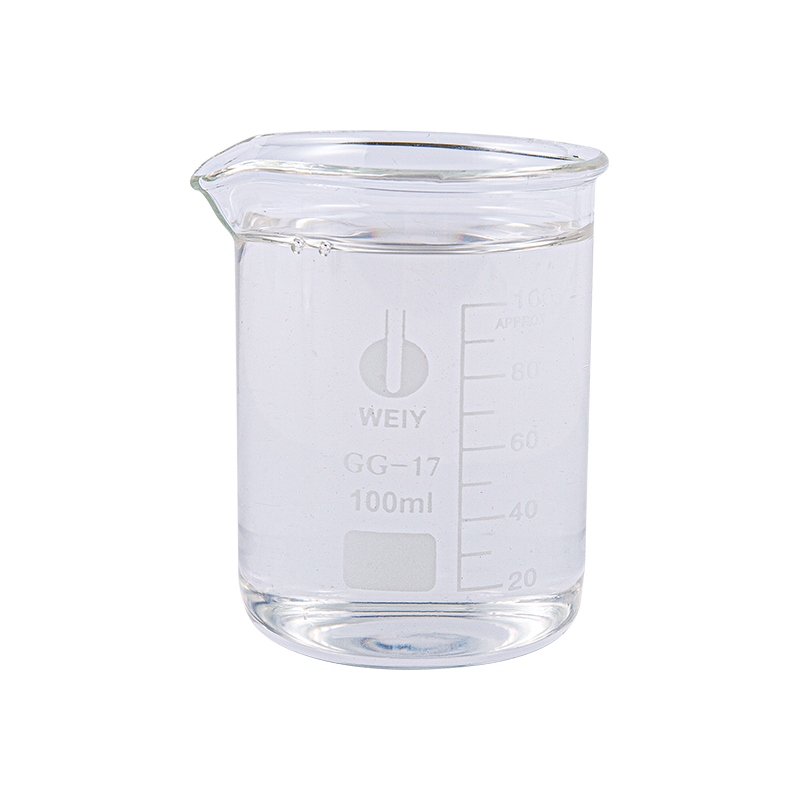
Sodium silicate (sodium water glass) model HLNAL-2, as follow the national standard GB/T4209-2008 liquid-2 model pr...
See Details
Sodium silicate (sodium water glass) model HLNAL-4, as follow the national standard GB/T4209-2008 liquid-4 model pr...
See Details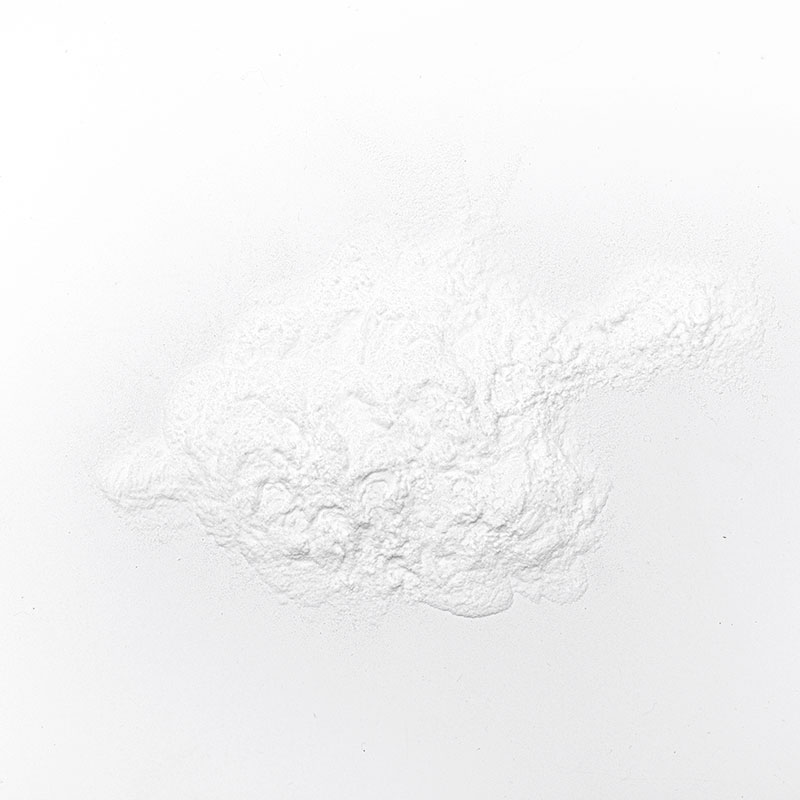
Powdered sodium silicate (model HLNAP-4 modulus 3.4±0.1) is a product made of liquid water glass by drying and spra...
See Details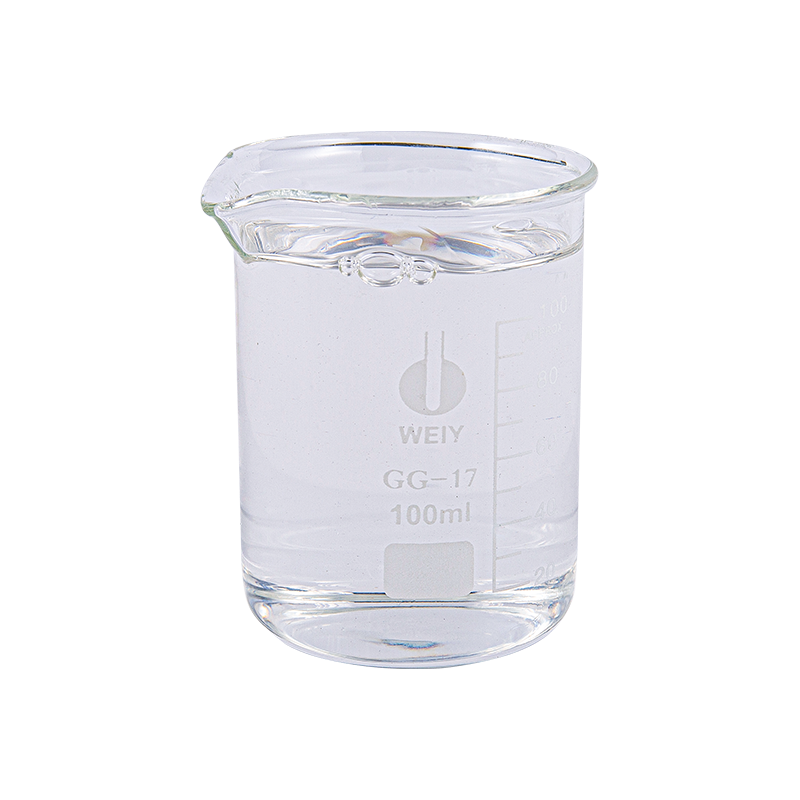
Liquid potassium silicate, model HLKL-1 (modulus 2.2-2.4), potassium silicate solution has better appearance and tr...
See Details
Liquid Potassium Silicate, Model HLKL-5 (Modulus 4.8-5.0), this product is a customized product with ultra-high mod...
See Details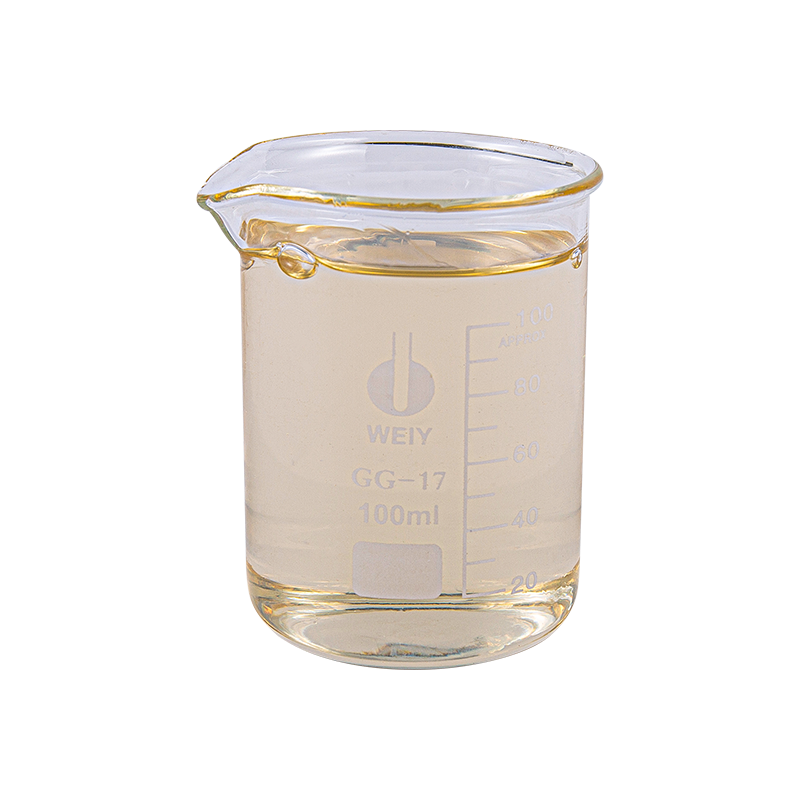
Sodium methyl silicate (model HLKNAL), this product is an organosilicon waterproofing agent, the active ingredient ...
See Details
Products
Sodium Silicate Potassium Silicate Lithium Silicate Sodium Methylsilicate Potassium Methylsilicate Silica Sol Inorganic Coatings And Binders Flooring SystemContact
Add:No. 7 Jiaye Road, Tongxiang City, Zhejiang Province, China Phone:+86-15257095913 Tel: +86-0573-88980238 Mob: +86-0573-88980238 E-mail:[email protected]