
 English
 عربى
عربى Español

 English
 عربى
عربى Español
Sodium silicate(HLNAL-6)
Cat:Sodium Silicate Liquid
Sodium silicate (sodium water glass) model HLNAL-6, as beyond the national standard GB/T4209-2008 standard producti...
See Details
The manufacturing of potassium silicate solutions plays a pivotal role in various industries such as agriculture, construction, and chemical engineering. These solutions, primarily made by combining potassium hydroxide (KOH) with silica, are used in applications ranging from fertilizers to sealants and coatings.
Potassium silicate, also known as water glass, is a compound composed of potassium oxide (K2O) and silica (SiO2) in various ratios. It is commonly used in applications such as detergents, fire-resistant materials, and as an additive in fertilizers to enhance plant growth. Potassium silicate solutions are created by dissolving potassium silicate in water.
The quality of the final potassium silicate solution depends heavily on the raw materials used. The key ingredients include:
These materials are carefully measured and mixed to ensure the desired concentration and consistency of the solution. Silica is often used in its amorphous form for better solubility in the solution.
The production begins with preparing the potassium hydroxide and silica. Silica is ground to a fine powder to ensure even dissolution in the solution. Potassium hydroxide is typically dissolved in water to form a potassium hydroxide solution.
Once the raw materials are prepared, they are mixed together. The mixture is usually heated to enhance the reaction rate between potassium hydroxide and silica. The temperature and concentration of the solution are carefully controlled to ensure optimal results.
During the reaction, potassium hydroxide reacts with silica to form potassium silicate and water. The mixture is continuously stirred to ensure the reaction occurs evenly. The solution’s pH is monitored throughout this stage, as it plays a significant role in the quality of the end product.
The resulting solution may be diluted or concentrated depending on the desired application. If a higher concentration is required, the solution is evaporated under controlled conditions to remove excess water. Conversely, for applications requiring a more dilute solution, additional water may be added.
After the desired concentration is achieved, the solution undergoes filtration to remove any impurities or undissolved particles. This step ensures the final product is free from contaminants and meets quality standards.
There are several types of potassium silicate solutions, differentiated by their ratio of potassium oxide to silica, which determine their intended use:
| Type of Potassium Silicate | Silica Content | Potassium Content | Common Applications |
|---|---|---|---|
| Water Glass Solution | 28–32% | 10–14% | Fire-resistant coatings, adhesives |
| High Silica Potassium Silicate | 35–45% | 10–12% | Agriculture, plant fertilizers |
| Low Silica Potassium Silicate | 15–18% | 8–10% | Detergents, ceramics, sealants |
Several factors can influence the manufacturing process of potassium silicate solutions:
Potassium silicate solutions find use in a variety of industries:
To ensure that potassium silicate solutions meet industry standards, several quality control tests are conducted, including:
The production of potassium silicate solutions involves the use of potentially hazardous chemicals like potassium hydroxide. Therefore, safety measures must be strictly followed, including the use of proper protective equipment and ventilation systems.
Additionally, the disposal of any waste products should be done in accordance with environmental regulations to minimize any negative impact on the environment.
Despite the benefits of potassium silicate solutions, there are some challenges in their production, such as:
1. What is potassium silicate used for?
Potassium silicate is widely used in agriculture as a fertilizer additive, in construction for fire-resistant coatings, and in various industrial applications such as detergents and sealants.
2. How is potassium silicate produced?
Potassium silicate is produced by reacting potassium hydroxide with silica in a controlled environment, adjusting the pH and concentration as needed.
3. What are the common types of potassium silicate solutions?
The main types include water glass solutions, high silica potassium silicate, and low silica potassium silicate, each tailored for different applications.
4. How do temperature and pH affect the manufacturing process?
Both temperature and pH are critical in the reaction between potassium hydroxide and silica, influencing the solubility and stability of the final solution.
5. Are there any environmental concerns associated with potassium silicate production?
Yes, the production process can generate waste and consume a significant amount of energy. Proper waste management and energy-efficient production techniques are essential to minimize environmental impact.
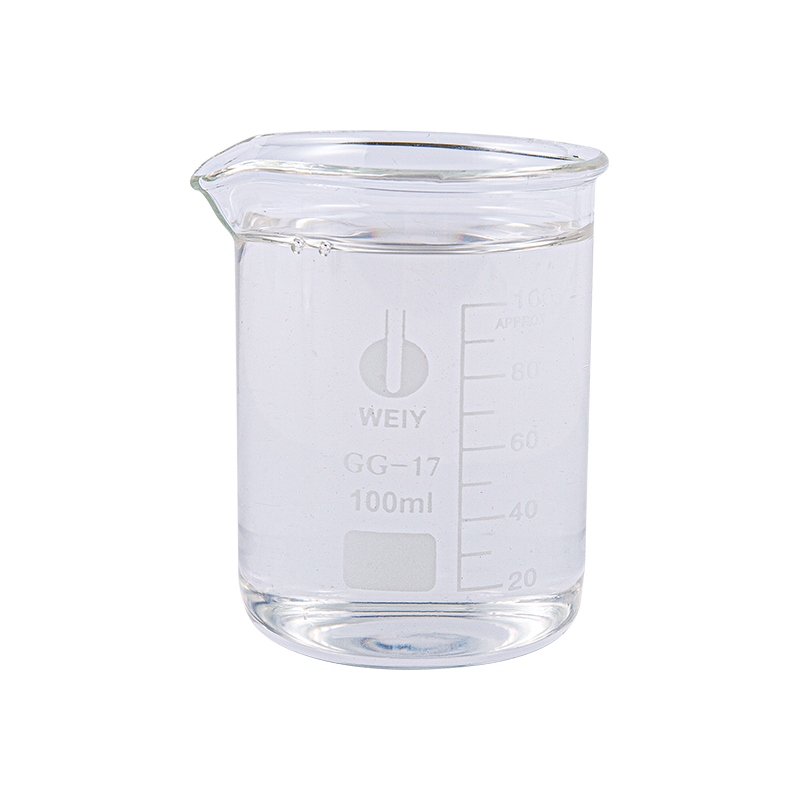
Sodium silicate (sodium water glass) model HLNAL-6, as beyond the national standard GB/T4209-2008 standard producti...
See Details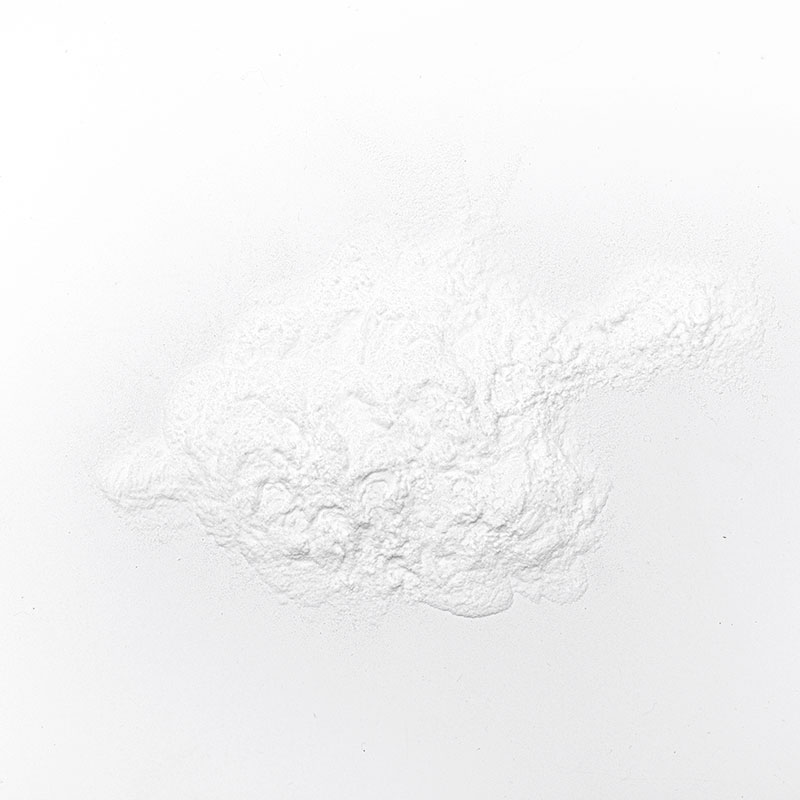
Powdered sodium silicate (model HLNAP-4 modulus 3.4±0.1) is a product made of liquid water glass by drying and spra...
See Details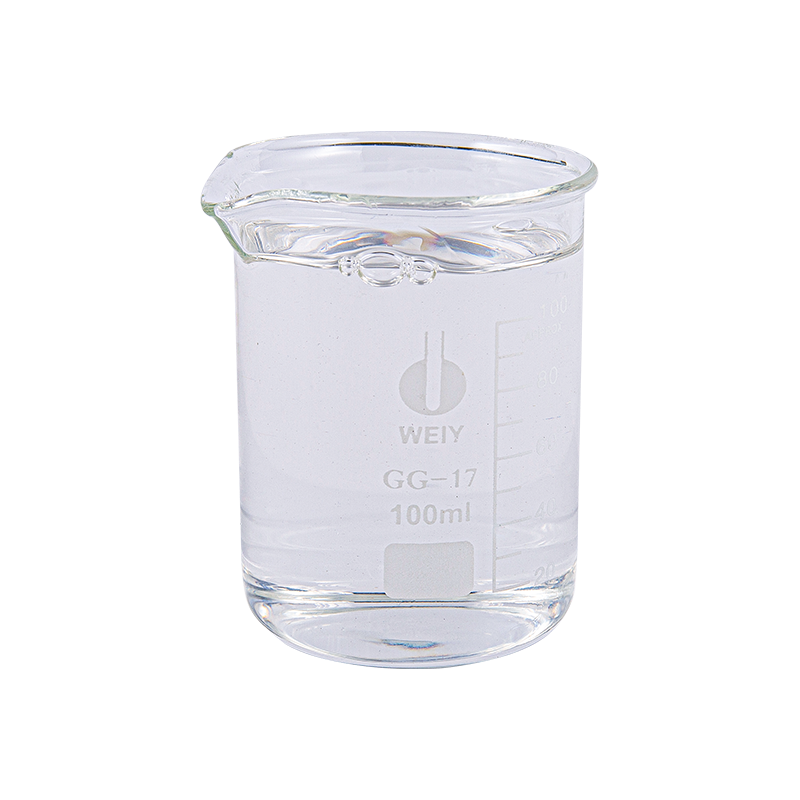
Liquid Potassium Silicate, Model HLKL-3 (Modulus 3.1-3.4), Potassium silicate solution has better appearance and tr...
See Details
Liquid potassium silicate, model HLKL-4 (modulus 3.6-3.8), potassium silicate solution has better appearance and tr...
See Details
Liquid Potassium Silicate, Model HLKL-5 (Modulus 4.8-5.0), this product is a customized product with ultra-high mod...
See Details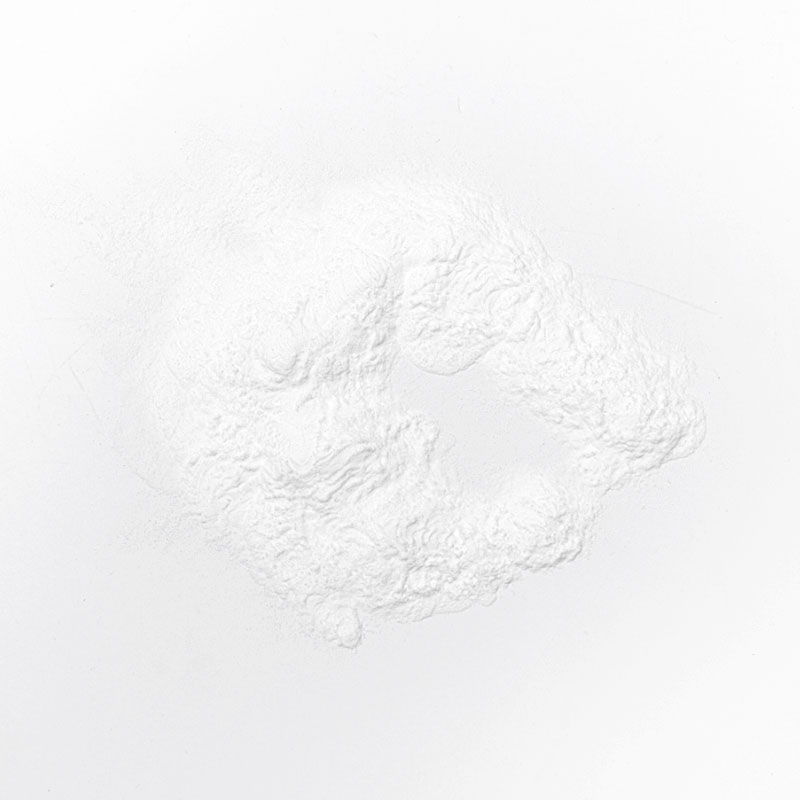
Powdered Potassium Silicate (Model HLKP-1 Mode 2.4±0.1) is a product made of liquid potassium silicate by drying an...
See Details
Products
Sodium Silicate Potassium Silicate Lithium Silicate Sodium Methylsilicate Potassium Methylsilicate Silica Sol Inorganic Coatings And Binders Flooring SystemContact
Add:No. 7 Jiaye Road, Tongxiang City, Zhejiang Province, China Phone:+86-15257095913 Tel: +86-0573-88980238 Mob: +86-0573-88980238 E-mail:[email protected]