
 English
 عربى
عربى Español

 English
 عربى
عربى Español
Sodium silicate(HLNAP-2)
Cat:Sodium Silicate Powder
Powdered sodium silicate (model HLNAP-2 modulus 2.4±0.1) is a product made of liquid water glass by drying and spra...
See Details
Silicate-based adhesives are renowned for their durability, thermal resistance, and environmental friendliness, making them an ideal choice for various industrial applications. One key ingredient that has gained attention in improving the performance of these adhesives is potassium methylsilicate.
Potassium methylsilicate is a chemical compound that contains silicon, oxygen, and potassium, combined with methyl groups. It is typically available in liquid form, often referred to as liquid potassium methylsilicate. This compound is primarily used as a binder and modifier in silicate-based adhesives.
Key properties:
Basic Chemical Properties of Potassium Methylsilicate
| Property | Value |
|---|---|
| Chemical Formula | K2O·SiO2·xCH3O |
| Appearance | Clear, colorless liquid |
| Solubility in Water | Soluble |
| pH (in solution) | Alkaline (typically 11-12) |
| Viscosity | Moderate to high (varies by concentration) |
Silicate-based adhesives often require a stable binder to form a robust adhesive bond. Potassium methylsilicate acts as an effective binder due to its ability to form strong chemical bonds with the surface materials it interacts with.
One of the standout qualities of silicate-based adhesives is their ability to withstand high temperatures and harsh environmental conditions. Potassium methylsilicate enhances these properties further by acting as a stabilizing agent.
Thermal and Environmental Resistance Comparison
| Property | Without Potassium Methylsilicate | With Potassium Methylsilicate |
|---|---|---|
| Thermal Stability | Moderate | High |
| Moisture Resistance | Moderate | Excellent |
| Chemical Resistance | Standard | Enhanced |
| UV Degradation | Moderate | Reduced |
In addition to improving the adhesive’s performance, potassium methylsilicate modifies the workability of silicate-based adhesives, making them easier to apply and handle during manufacturing processes.
Potassium methylsilicate contributes significantly to improving the mechanical properties of silicate-based adhesives, including:
Mechanical Properties Enhancement
| Property | Without Potassium Methylsilicate | With Potassium Methylsilicate |
|---|---|---|
| Bond Strength | Moderate | High |
| Elasticity | Low | Improved |
| Crack Resistance | Moderate | Excellent |
Potassium methylsilicate is widely used in the production of silicate-based adhesives for a variety of industries, including:
While potassium methylsilicate is effective in enhancing the performance of adhesives, proper handling and safety precautions are essential:
Q1: What is the primary function of potassium methylsilicate in silicate-based adhesives?
A1: Potassium methylsilicate acts as a binder and stabilizer, enhancing the adhesive’s bonding strength, thermal resistance, and environmental durability.
Q2: Can potassium methylsilicate improve the application process of silicate adhesives?
A2: Yes, it modifies the viscosity and workability of the adhesive, making it easier to apply and manage during the manufacturing process.
Q3: How does potassium methylsilicate affect the thermal resistance of adhesives?
A3: It improves the thermal stability of the adhesive, enabling it to withstand higher temperatures without losing its adhesive properties.
Q4: Is potassium methylsilicate used in any specific industries?
A4: Yes, it is widely used in industries such as construction, electronics, and automotive for bonding materials exposed to high temperatures and harsh environmental conditions.
Q5: Are there any safety precautions when using potassium methylsilicate?
A5: Yes, potassium methylsilicate should be handled with care, as it can be alkaline and cause skin or eye irritation. Proper storage and safety measures should be followed.
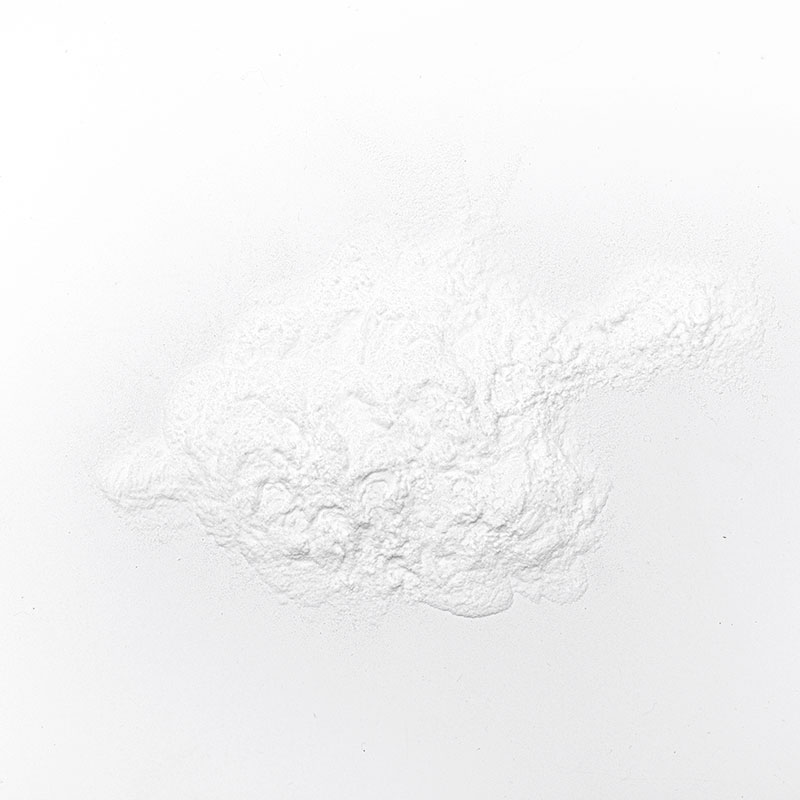
Powdered sodium silicate (model HLNAP-2 modulus 2.4±0.1) is a product made of liquid water glass by drying and spra...
See Details
Powdered sodium silicate (model HLNAP-3 modulus 2.9±0.1) is a product made of liquid water glass by drying and spra...
See Details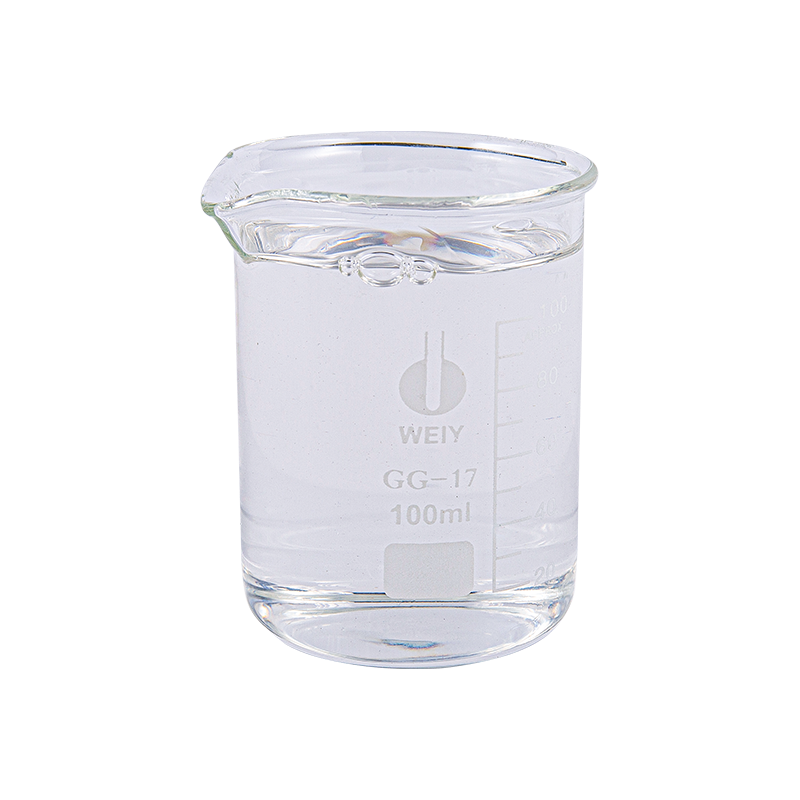
Liquid potassium silicate, model HLKL-1 (modulus 2.2-2.4), potassium silicate solution has better appearance and tr...
See Details
Liquid potassium silicate, model HLKL-4 (modulus 3.6-3.8), potassium silicate solution has better appearance and tr...
See Details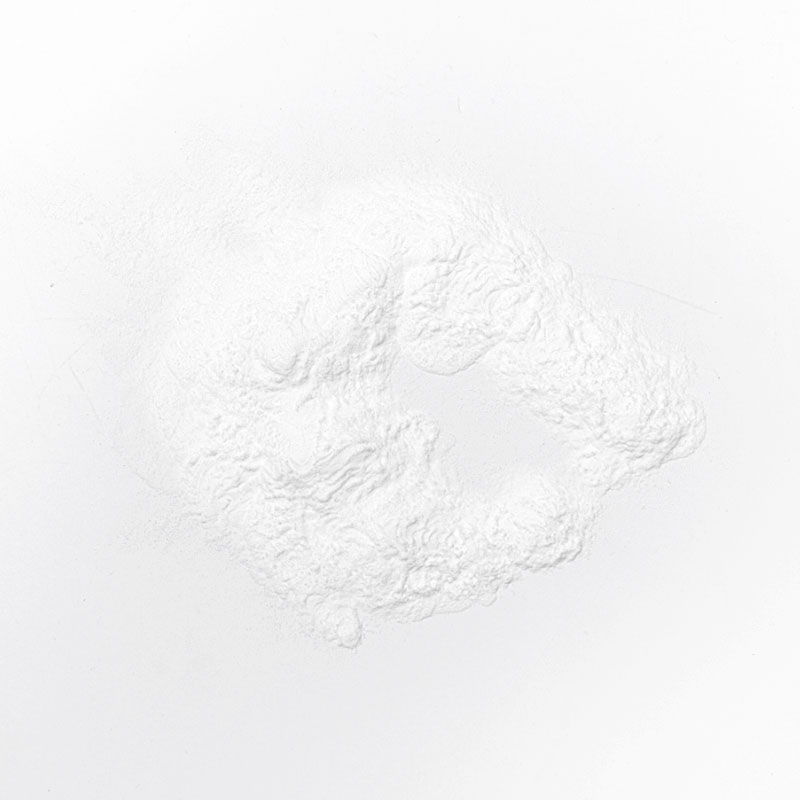
Powdered Potassium Silicate (Model HLKP-2 Modulus 3.3±0.1) is a product made of liquid potassium silicate by drying...
See Details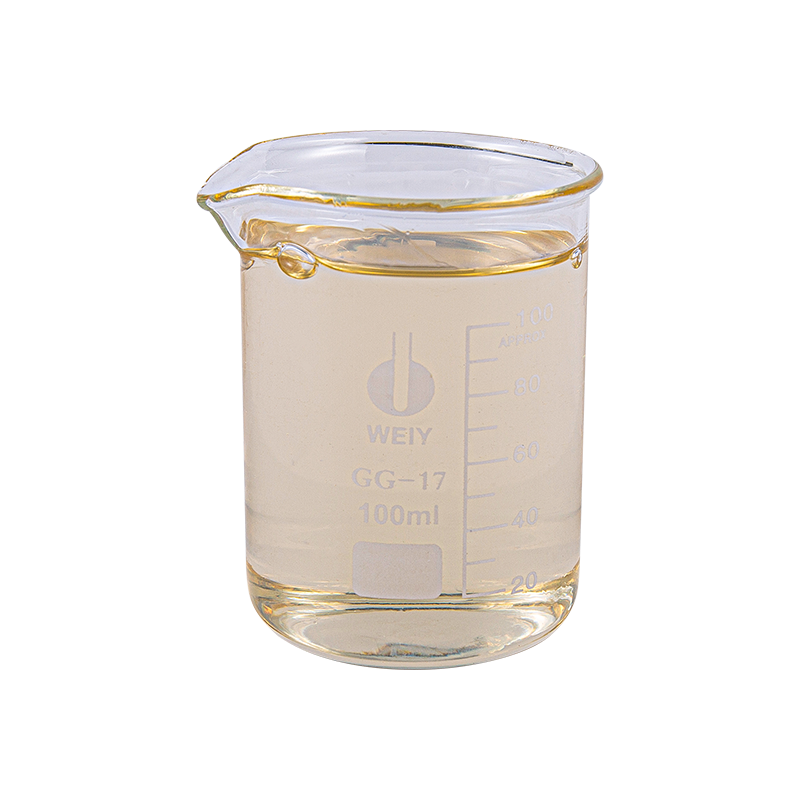
Sodium methyl silicate (model HLKNAL), this product is an organosilicon waterproofing agent, the active ingredient ...
See Details
Products
Sodium Silicate Potassium Silicate Lithium Silicate Sodium Methylsilicate Potassium Methylsilicate Silica Sol Inorganic Coatings And Binders Flooring SystemContact
Add:No. 7 Jiaye Road, Tongxiang City, Zhejiang Province, China Phone:+86-15257095913 Tel: +86-0573-88980238 Mob: +86-0573-88980238 E-mail:[email protected]