
 English
 عربى
عربى Español

 English
 عربى
عربى Español
Sodium silicate(HLNAL-3)
Cat:Sodium Silicate Liquid
Sodium silicate (sodium water glass) model HLNAL-3, as follow the national standard GB/T4209-2008 liquid-3 model pr...
See Details
Sodium silicate, often referred to as water glass, is a versatile chemical compound made up of sodium oxide and silica. Known for its wide range of industrial applications, it plays an essential role in industries such as construction, manufacturing, and even agriculture.
Sodium silicate is a group of compounds that consist of varying proportions of sodium oxide (Na₂O) and silicon dioxide (SiO₂). It is typically produced by melting silica sand with soda ash at high temperatures. Sodium silicate is available in various forms, including solid, liquid, and gel, depending on the concentration of its components. It is widely used for its adhesive, binding, and sealing properties.
Sodium silicate is highly soluble in water, forming a viscous solution. It has a wide range of chemical properties that make it suitable for diverse industrial uses. Some of these properties include:
Sodium silicate is employed in several industries due to its unique properties. Below are some of the key applications:
Sodium silicate is considered safe to use when handled properly, but like all chemicals, it can be hazardous if mishandled. In its concentrated form, sodium silicate can cause irritation to the skin, eyes, and respiratory tract. To ensure safety:
In the construction industry, sodium silicate plays a vital role in improving the strength and durability of materials. Some benefits include:
Yes, sodium silicate is extensively used in water treatment processes. It acts as a corrosion inhibitor, which helps prevent the buildup of scale in pipes, boilers, and other water-handling equipment. In addition, it also:
Sodium silicate is generally considered environmentally friendly compared to many other chemicals. Some positive environmental aspects include:
However, it is important to use sodium silicate in controlled quantities to prevent overuse or environmental imbalances.
| Product Form | Concentration | Applications | Properties |
|---|---|---|---|
| Liquid | 30%-40% | Water treatment, cleaning | Highly alkaline, water-soluble |
| Solid | 98% | Adhesive, binding, concrete | Hardens quickly, moisture-resistant |
| Gel | 60%-70% | Agriculture, mold production | Viscous, easily spreadable |
Sodium silicate is an indispensable product in a wide range of industrial applications. Its versatile properties, such as its alkalinity, thermal stability, and reactivity, make it suitable for diverse uses in industries from construction to agriculture. Understanding its applications, safety considerations, and environmental impact ensures that sodium silicate can be used effectively and responsibly.
Q1: How is sodium silicate produced?
Sodium silicate is produced by melting silica sand with soda ash at high temperatures. The mixture forms a glass-like substance, which is then dissolved in water to produce the solution.
Q2: Can sodium silicate be used for cleaning purposes?
Yes, sodium silicate is often used in detergents and industrial cleaning agents due to its ability to break down dirt and grease effectively.
Q3: Is sodium silicate harmful to plants in agriculture?
No, sodium silicate is safe for plants and is used as a soil conditioner. It can enhance plant growth and protect against certain pests.
Q4: What should I do if sodium silicate comes into contact with skin?
If sodium silicate comes into contact with skin, wash the affected area immediately with plenty of water. If irritation persists, seek medical attention.
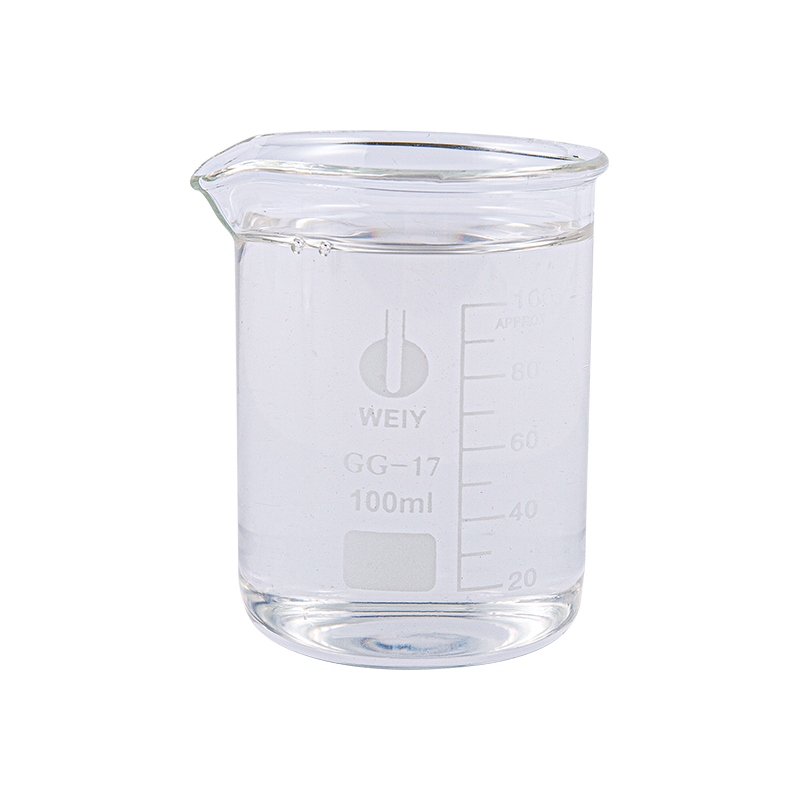
Sodium silicate (sodium water glass) model HLNAL-3, as follow the national standard GB/T4209-2008 liquid-3 model pr...
See Details
Sodium silicate (sodium water glass) model HLNAL-4, as follow the national standard GB/T4209-2008 liquid-4 model pr...
See Details
Sodium silicate (sodium water glass) model HLNAL-6, as beyond the national standard GB/T4209-2008 standard producti...
See Details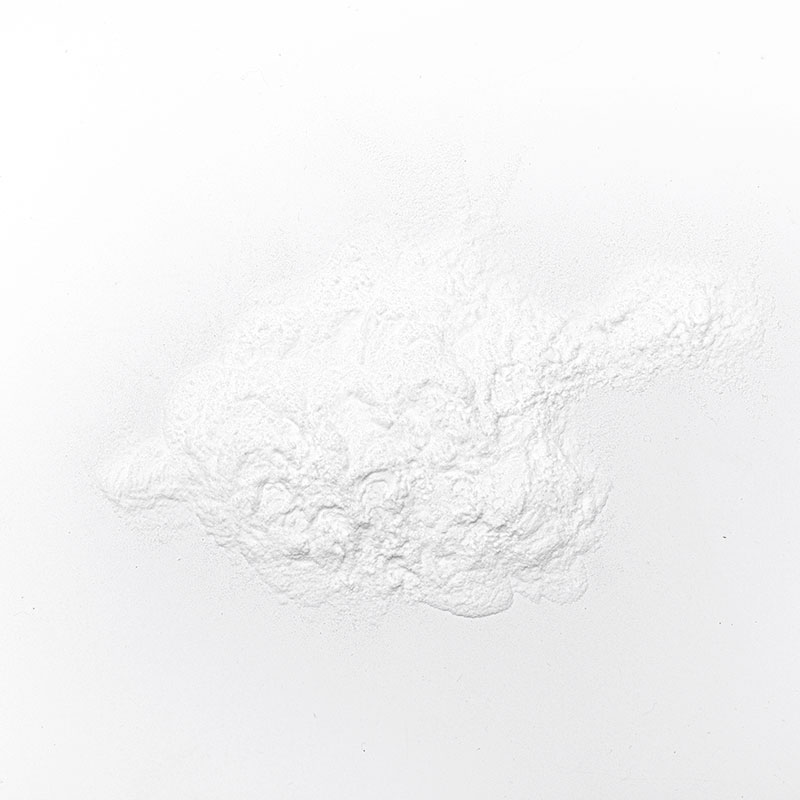
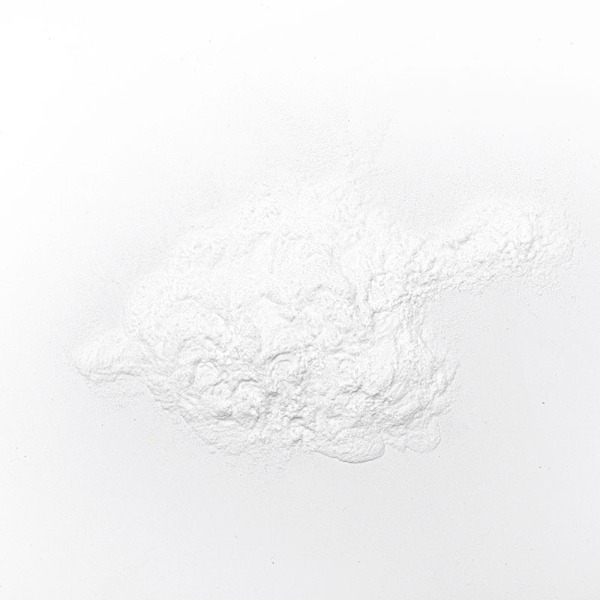
Powdered sodium silicate (model HLNAP-3 modulus 2.9±0.1) is a product made of liquid water glass by drying and spra...
See Details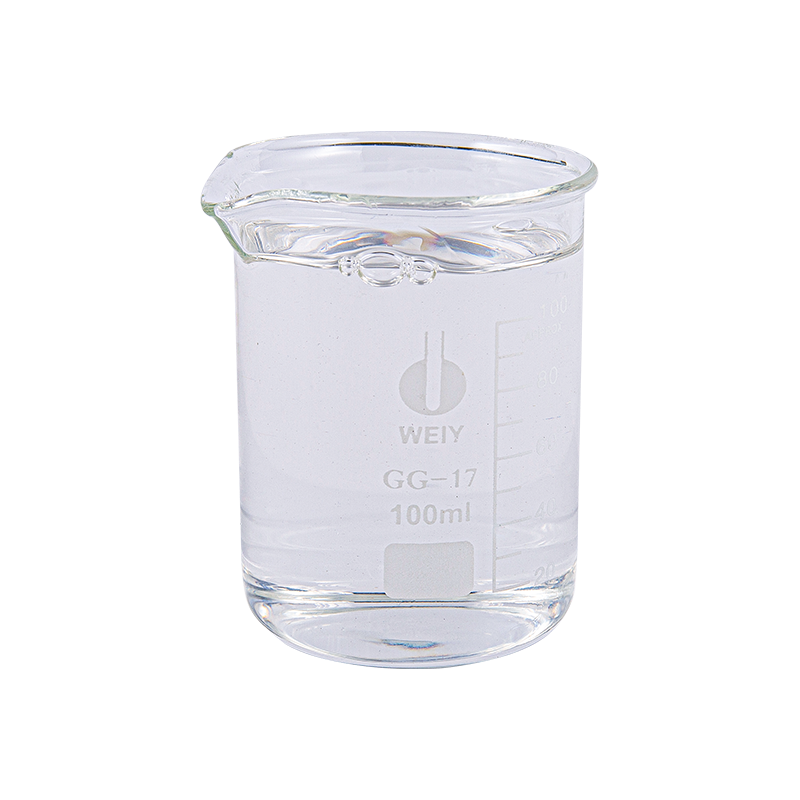
Liquid Potassium Silicate, Model HLKL-2 (Modulus 2.7-3.0), Potassium silicate solution has better appearance and tr...
See Details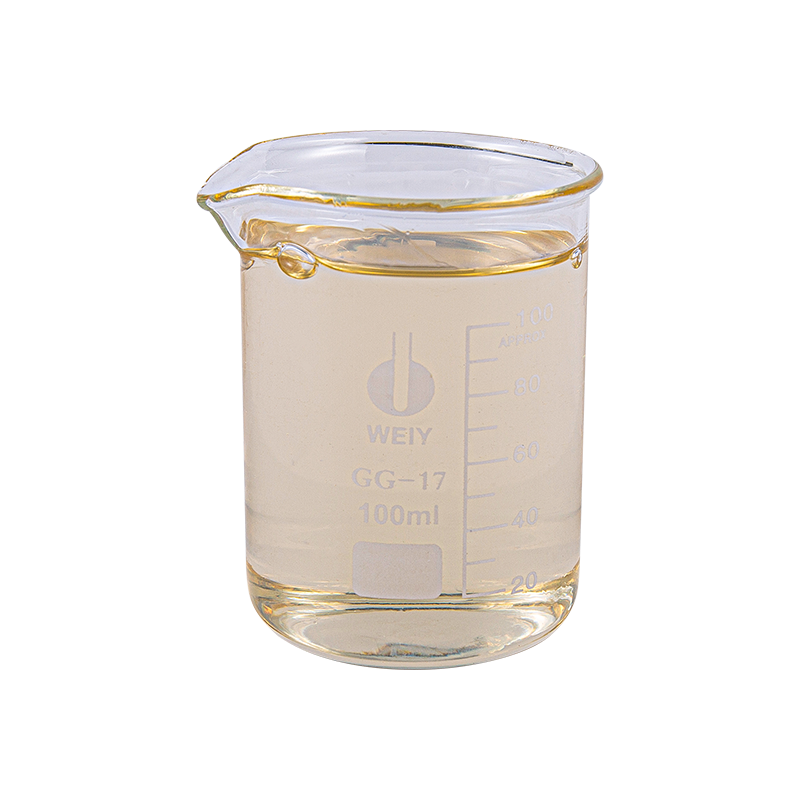
Hengli Potassium Methyl Silicate (Model HLKKL) is a highly efficient waterproofing material that reacts with CO2 or...
See Details
Products
Sodium Silicate Potassium Silicate Lithium Silicate Sodium Methylsilicate Potassium Methylsilicate Silica Sol Inorganic Coatings And Binders Flooring SystemContact
Add:No. 7 Jiaye Road, Tongxiang City, Zhejiang Province, China Phone:+86-15257095913 Tel: +86-0573-88980238 Mob: +86-0573-88980238 E-mail:[email protected]