
 English
 عربى
عربى Español

 English
 عربى
عربى Español
Sodium silicate(HLNAL-2)
Cat:Sodium Silicate Liquid
Sodium silicate (sodium water glass) model HLNAL-2, as follow the national standard GB/T4209-2008 liquid-2 model pr...
See Details
Inorganic silicates have long been recognized as vital components in various industrial processes, and their role in concrete production is no exception. Concrete, being one of the most widely used construction materials worldwide, has evolved over time to incorporate various additives and compounds to enhance its properties. Among these, inorganic silicates stand out for their ability to improve the durability, strength, and overall performance of concrete.
Inorganic silicates are chemical compounds composed of silicon, oxygen, and metal cations, such as sodium, potassium, or calcium. These compounds are often used as binders or additives in concrete to enhance its performance.
Chemically, inorganic silicates can be classified into various types, including sodium silicate, potassium silicate, and calcium silicate. These compounds are known for their ability to form strong bonds with other materials, making them ideal for use in concrete.
The basic structure of inorganic silicates involves a network of silicon-oxygen tetrahedra, where each silicon atom is bonded to four oxygen atoms. These structures can vary depending on the specific type of silicate compound used. In concrete, these compounds interact with other ingredients such as cement and water, leading to the formation of a hard, durable material.
Incorporating inorganic silicates into concrete mixtures offers several key advantages. Below are some of the primary benefits:
One of the main advantages of using inorganic silicates in concrete is their ability to increase the material’s resistance to environmental factors such as moisture, temperature fluctuations, and chemical attacks. This makes the concrete more durable and capable of withstanding harsh conditions.
Inorganic silicates contribute to the overall compressive strength of concrete by facilitating the formation of a denser microstructure. The silicate compounds react with calcium hydroxide (CH) in the cement matrix to form additional calcium silicate hydrate (C-S-H) gel, which is the primary binder in concrete. This results in concrete that is stronger and more resistant to mechanical stress.
The use of inorganic silicates in concrete can also help accelerate the curing process. By promoting the formation of C-S-H gel at a faster rate, these compounds reduce the time needed for concrete to set and gain strength. This is particularly beneficial in environments where quick curing is essential, such as in construction projects with tight deadlines.
Water resistance is a critical property for concrete, particularly in areas exposed to high moisture levels, such as foundations and dams. Inorganic silicates help reduce water permeability by reacting with calcium hydroxide to form additional hydrated compounds, which fill the pores and prevent water from penetrating the material.
Inorganic silicates are used in a variety of concrete applications, each serving a specific purpose to enhance the material’s performance. Below are some of the key applications:
Inorganic silicates are often used in the production of high-performance concrete (HPC), which is designed to meet the demands of modern construction. HPC is characterized by its high compressive strength, durability, and resistance to environmental factors. The addition of inorganic silicates helps achieve these properties, making it ideal for use in structures such as bridges, skyscrapers, and tunnels.
Inorganic silicates are commonly used in concrete sealers to improve water resistance and protect the surface from damage. These sealers penetrate the concrete, reacting with the calcium hydroxide to form additional hardened compounds, which seal the surface and prevent moisture infiltration.
An emerging area of research in concrete technology is the development of self-healing concrete. Inorganic silicates play a role in this process by reacting with water and air to form compounds that can fill microcracks in the concrete. This self-healing property helps extend the lifespan of concrete structures and reduces the need for repairs.
In environments with high levels of chemical exposure, such as wastewater treatment plants or chemical storage facilities, concrete must be resistant to chemical attacks. Inorganic silicates can improve the chemical resistance of concrete by reducing its porosity and making it less susceptible to degradation by acids and other aggressive substances.
While inorganic silicates offer numerous benefits, it is essential to compare them with other common additives used in concrete production. Below is a comparison table that outlines the key differences between inorganic silicates and other popular concrete additives.
| Property/Feature | Inorganic Silicates | Fly Ash | Silica Fume | Superplasticizers |
|---|---|---|---|---|
| Compressive Strength | High | Moderate | Very High | Moderate to High |
| Durability | High | High | High | Moderate |
| Curing Time | Accelerated | Slower | Moderate | Quick |
| Water Resistance | Improved | Moderate | High | Variable |
| Cost | Moderate | Low | High | Variable |
While inorganic silicates offer significant benefits, there are some challenges and considerations when incorporating them into concrete production.
The effectiveness of inorganic silicates in concrete depends on the proper dosage. Too little may not provide the desired benefits, while excessive amounts could affect the mix’s workability and overall performance. Therefore, careful measurement and formulation are required.
Inorganic silicates must be compatible with other ingredients in the concrete mix, such as cement, aggregates, and water. Improper mixing or incompatible additives can result in poor performance and reduced effectiveness of the silicates.
Q1: What are the key advantages of using inorganic silicates in concrete?
A1: The main advantages include enhanced durability, improved compressive strength, accelerated curing, and better water resistance.
Q2: Can inorganic silicates be used in all types of concrete?
A2: Inorganic silicates are versatile and can be used in most concrete types, particularly in high-performance and durable applications.
Q3: How do inorganic silicates accelerate the curing process of concrete?
A3: They promote the faster formation of calcium silicate hydrate (C-S-H) gel, which strengthens the concrete matrix more quickly.
Q4: Are there any risks associated with using inorganic silicates in concrete production?
A4: The primary risk is improper dosage, which can lead to poor performance. Careful formulation and mixing are crucial.
Q5: How do inorganic silicates compare to other concrete additives?
A5: Inorganic silicates offer high durability and strength benefits, and they accelerate curing, making them ideal for high-performance concrete.
Sodium silicate (sodium water glass) model HLNAL-2, as follow the national standard GB/T4209-2008 liquid-2 model pr...
See Details
Sodium silicate (sodium water glass) model HLNAL-5, as a super high modulus (3.8-4.0) product produced beyond the n...
See Details
Powdered sodium silicate (model HLNAP-1 modulus 2.0±0.1) is a product made of liquid water glass by drying and spra...
See Details
Liquid Potassium Silicate, Model HLKL-2 (Modulus 2.7-3.0), Potassium silicate solution has better appearance and tr...
See Details
Liquid Potassium Silicate, Model HLKL-5 (Modulus 4.8-5.0), this product is a customized product with ultra-high mod...
See Details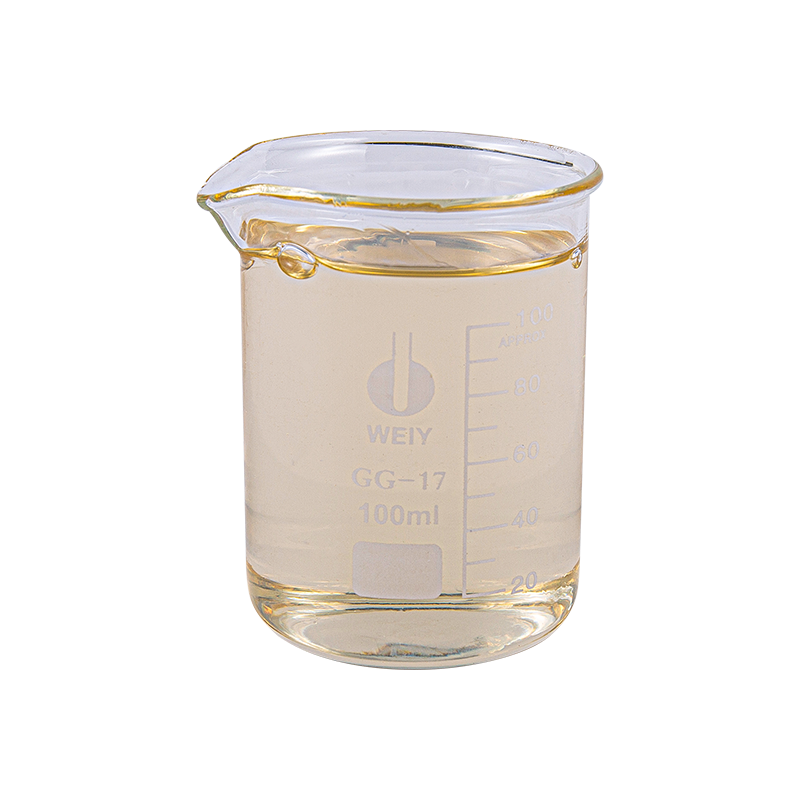
Sodium methyl silicate (model HLKNAL), this product is an organosilicon waterproofing agent, the active ingredient ...
See Details
Products
Sodium Silicate Potassium Silicate Lithium Silicate Sodium Methylsilicate Potassium Methylsilicate Silica Sol Inorganic Coatings And Binders Flooring SystemContact
Add:No. 7 Jiaye Road, Tongxiang City, Zhejiang Province, China Phone:+86-15257095913 Tel: +86-0573-88980238 Mob: +86-0573-88980238 E-mail:[email protected]