
 English
 عربى
عربى Español

 English
 عربى
عربى Español
Sodium silicate(HLNAL-4)
Cat:Sodium Silicate Liquid
Sodium silicate (sodium water glass) model HLNAL-4, as follow the national standard GB/T4209-2008 liquid-4 model pr...
See Details
In the world of coating formulations, durability is a key factor in ensuring that products stand up to environmental stressors, physical wear, and chemical reactions. Among the various additives used to enhance coating performance, potassium methylsilicate has emerged as a critical component.
Potassium methylsilicate is a silicate compound derived from potassium and methyl groups, commonly used in coatings, adhesives, and sealants. It has excellent properties such as high temperature resistance, corrosion resistance, and bonding strength. Its unique chemical structure allows it to cross-link with various substances, forming strong bonds that enhance the durability and performance of coatings.
Potassium methylsilicate is a soluble, inorganic silicate that possesses several key characteristics, making it an ideal candidate for use in coatings. Some of its important properties include:
Chemical Structure: Potassium methylsilicate is typically composed of potassium oxide (K2O), silica (SiO2), and methyl groups (CH3). This combination allows it to interact effectively with organic and inorganic materials.
Water Resistance: Potassium methylsilicate’s chemical structure is highly resistant to water, ensuring that coatings maintain their protective qualities even under humid conditions.
Thermal Stability: The compound is highly stable at elevated temperatures, making it suitable for coatings that need to withstand extreme heat.
Alkaline Nature: It exhibits a mild alkalinity, which helps in enhancing the adhesion of coatings to various substrates.
Potassium methylsilicate contributes significantly to the adhesion of coatings to a variety of surfaces, including metal, concrete, and plastic. Its ability to form strong bonds at the molecular level allows the coating to remain intact, even in challenging environmental conditions. When incorporated into a formulation, it ensures that coatings adhere better to substrates, reducing the likelihood of peeling or chipping over time.
Corrosion is one of the primary factors that compromise the durability of coatings. Potassium methylsilicate offers excellent corrosion resistance, especially in environments exposed to moisture, chemicals, and atmospheric pollutants. The compound forms a protective layer on the surface, preventing the penetration of corrosive agents, thereby prolonging the lifespan of the coating.
Coatings fortified with potassium methylsilicate exhibit enhanced scratch and abrasion resistance. This is particularly beneficial for surfaces that experience frequent physical wear, such as floors, machinery, and outdoor structures. The compound’s ability to cross-link with other materials creates a tougher, more resilient surface that can withstand everyday use.
Another important aspect of durability is UV resistance. Exposure to UV rays can cause coatings to degrade, leading to discoloration, fading, and cracking. Potassium methylsilicate enhances UV stability in coatings, ensuring that they retain their appearance and functionality for a longer time.
Coatings containing potassium methylsilicate are more resistant to harsh environmental conditions, including high humidity, saltwater exposure, and extreme temperatures. This makes it particularly valuable for outdoor applications, including marine coatings, industrial machinery, and infrastructure.
By improving the durability of coatings, potassium methylsilicate extends their lifespan, reducing the need for frequent reapplications and maintenance.
Although potassium methylsilicate is an advanced chemical additive, its incorporation into coatings can lead to long-term savings by reducing maintenance costs and improving product longevity.
Potassium methylsilicate helps coatings become more environmentally friendly by reducing the need for harmful solvents and chemicals. This makes it a viable option for eco-conscious formulations.
The compound is compatible with a variety of resins and other additives, making it suitable for use in a wide range of coatings, including automotive, industrial, architectural, and protective coatings.
| Property | Coating Without Potassium Methylsilicate | Coating With Potassium Methylsilicate |
|---|---|---|
| Adhesion Strength | Moderate | High |
| Corrosion Resistance | Low | Excellent |
| Abrasion Resistance | Moderate | High |
| UV Resistance | Low | High |
| Environmental Resistance | Moderate | Excellent |
Potassium methylsilicate is commonly used in a variety of coating applications where durability is crucial. Some key areas where it is applied include:
1. What is the role of potassium methylsilicate in coatings?
2. Can potassium methylsilicate be used in all types of coatings?
3. How does potassium methylsilicate improve scratch resistance?
4. Is potassium methylsilicate environmentally friendly?
5. How does potassium methylsilicate contribute to UV protection in coatings?
Potassium methylsilicate is a valuable additive in coating formulations due to its ability to enhance durability, improve performance, and extend the lifespan of coatings. Its unique chemical properties, such as high corrosion resistance, increased adhesion, and environmental stability, make it a preferred choice for various industrial and commercial applications. By incorporating potassium methylsilicate into coatings, manufacturers can produce more reliable, longer-lasting products that can withstand the challenges of both indoor and outdoor environments.
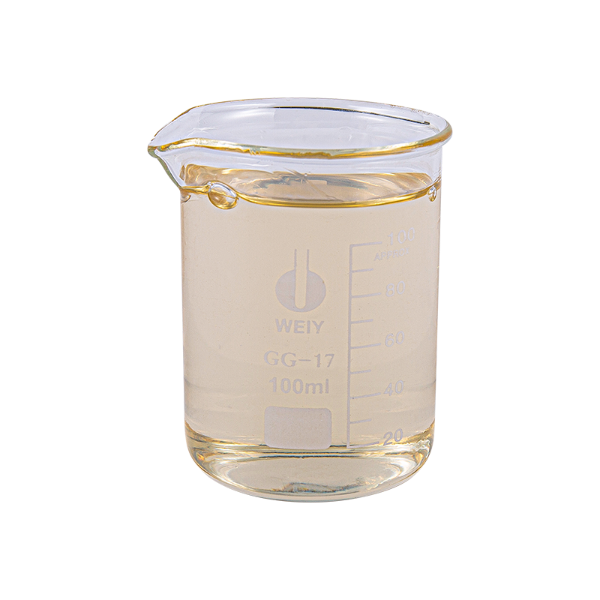
Sodium silicate (sodium water glass) model HLNAL-4, as follow the national standard GB/T4209-2008 liquid-4 model pr...
See Details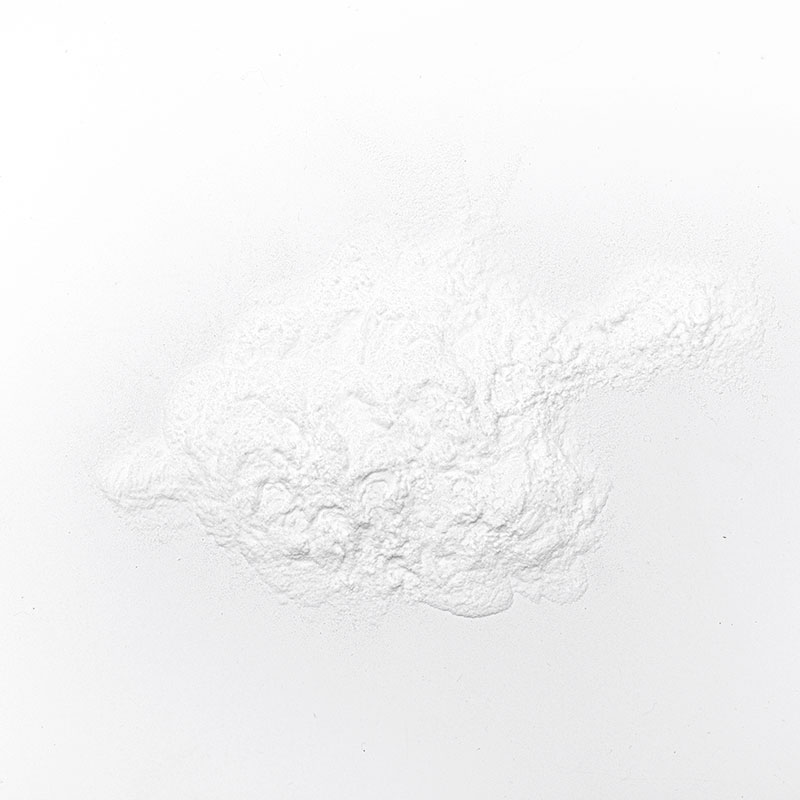
Powdered sodium silicate (model HLNAP-2 modulus 2.4±0.1) is a product made of liquid water glass by drying and spra...
See Details
Liquid Potassium Silicate, Model HLKL-2 (Modulus 2.7-3.0), Potassium silicate solution has better appearance and tr...
See Details
Liquid Potassium Silicate, Model HLKL-3 (Modulus 3.1-3.4), Potassium silicate solution has better appearance and tr...
See Details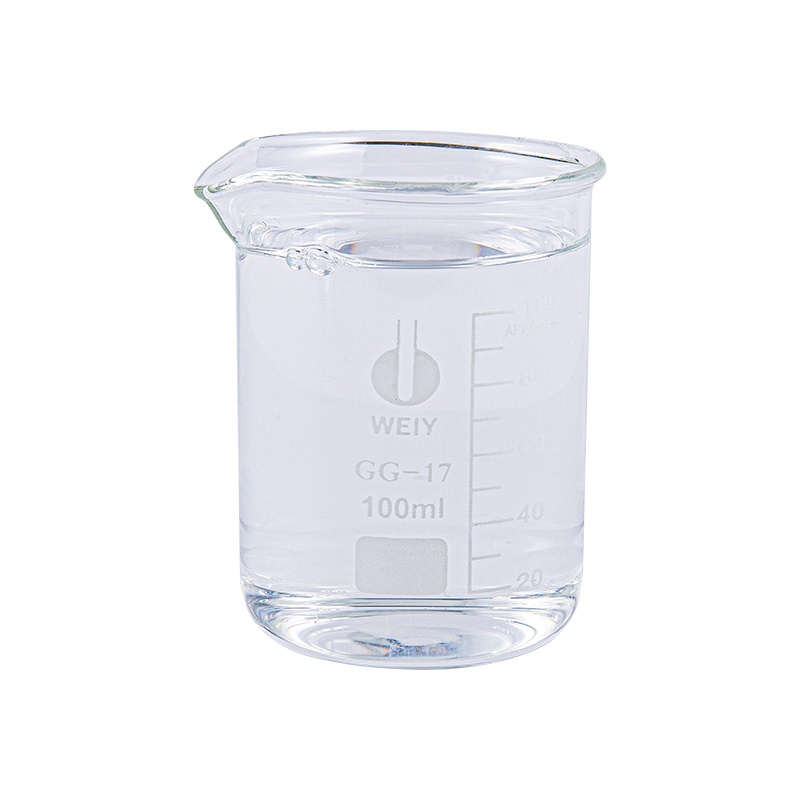
Liquid Lithium Silicate, Model HLLL-1, As an important member of the silicate family, lithium silicate does have a ...
See Details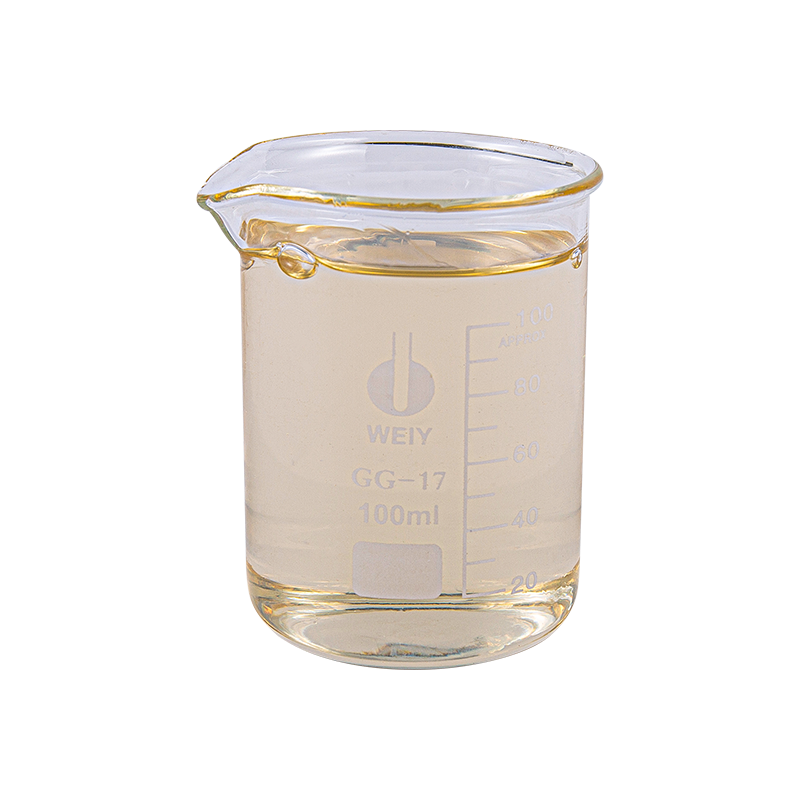
Hengli Potassium Methyl Silicate (Model HLKKL) is a highly efficient waterproofing material that reacts with CO2 or...
See Details
Products
Sodium Silicate Potassium Silicate Lithium Silicate Sodium Methylsilicate Potassium Methylsilicate Silica Sol Inorganic Coatings And Binders Flooring SystemContact
Add:No. 7 Jiaye Road, Tongxiang City, Zhejiang Province, China Phone:+86-15257095913 Tel: +86-0573-88980238 Mob: +86-0573-88980238 E-mail:[email protected]