
 English
 عربى
عربى Español

 English
 عربى
عربى Español
Sodium silicate(HLNAL-2)
Cat:Sodium Silicate Liquid
Sodium silicate (sodium water glass) model HLNAL-2, as follow the national standard GB/T4209-2008 liquid-2 model pr...
See Details
Potassium silicate, often referred to as water glass, is a compound with remarkable properties that play a crucial role in enhancing the strength and durability of various construction materials. In the construction industry, strengthening materials is essential for ensuring the longevity, safety, and efficiency of structures.
Potassium silicate is a compound composed of potassium oxide (K2O) and silica (SiO2), often produced by dissolving silica in an alkaline solution. Its unique properties, including water resistance, thermal stability, and the ability to bond well with other materials, make it highly beneficial for use in construction applications.
Understanding the chemical nature of potassium silicate is essential to appreciating its role in construction. It forms a stable structure that contributes to:
One of the most common applications of potassium silicate is as an additive in concrete. When mixed with cement, potassium silicate acts as a binding agent, improving the concrete’s compressive strength and durability. The compound:
Effect of Potassium Silicate on Concrete Properties
| Property | Without Potassium Silicate | With Potassium Silicate |
|---|---|---|
| Compressive Strength (MPa) | 30 | 40 |
| Permeability (cm/s) | 0.5 | 0.2 |
| Freeze-Thaw Durability (%) | 80% | 95% |
| Shrinkage (%) | 0.3 | 0.1 |
In cement and mortar mixtures, potassium silicate is often added to improve workability, bonding strength, and curing times. Its inclusion can result in:
Waterproofing is an essential aspect of construction, especially for foundations, basements, and external walls. Potassium silicate’s ability to form a barrier against water makes it an effective waterproofing agent. It:
Another important property of potassium silicate is its ability to enhance the fire resistance of construction materials. When added to materials like concrete and steel, potassium silicate forms a silica-based shield that:
Sustainability in construction is becoming a major focus as industries aim to reduce their environmental impact. Potassium silicate contributes to more sustainable practices by:
Potassium silicate offers several environmental benefits, particularly in terms of resource conservation and pollution reduction. It:
Despite its advantages, there are some challenges associated with the use of potassium silicate in construction. These include:
Potassium silicate is a versatile and valuable compound in the construction industry. Its ability to strengthen materials, improve durability, and offer environmental benefits positions it as a crucial component in modern construction practices.
1. What is potassium silicate, and how does it benefit construction materials?
Potassium silicate is a compound made from potassium oxide and silica. It enhances the strength, durability, and water resistance of concrete, cement, and mortar, improving their performance and longevity.
2. How does potassium silicate affect the curing process of concrete?
Potassium silicate accelerates the hydration process in concrete, leading to faster curing times and increased compressive strength.
3. Can potassium silicate be used for waterproofing?
Yes, potassium silicate acts as an effective waterproofing agent, sealing porous materials and preventing water ingress, thereby protecting structures from moisture-related damage.
4. Is potassium silicate environmentally friendly?
Potassium silicate is made from natural, abundant materials and has minimal environmental impact. It helps reduce the need for harmful chemical additives and contributes to the longevity of buildings, reducing material waste.
5. What are the potential challenges in using potassium silicate in construction?
Some challenges include compatibility issues with certain materials and the need for careful handling, as potassium silicate can be corrosive or reactive in specific formulations.
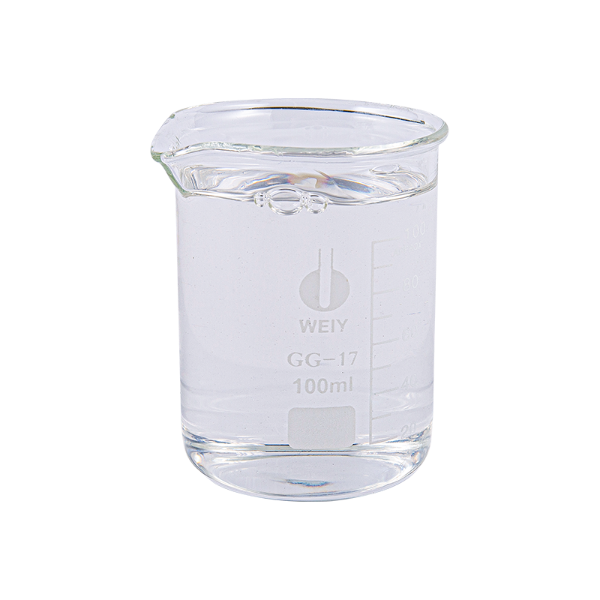
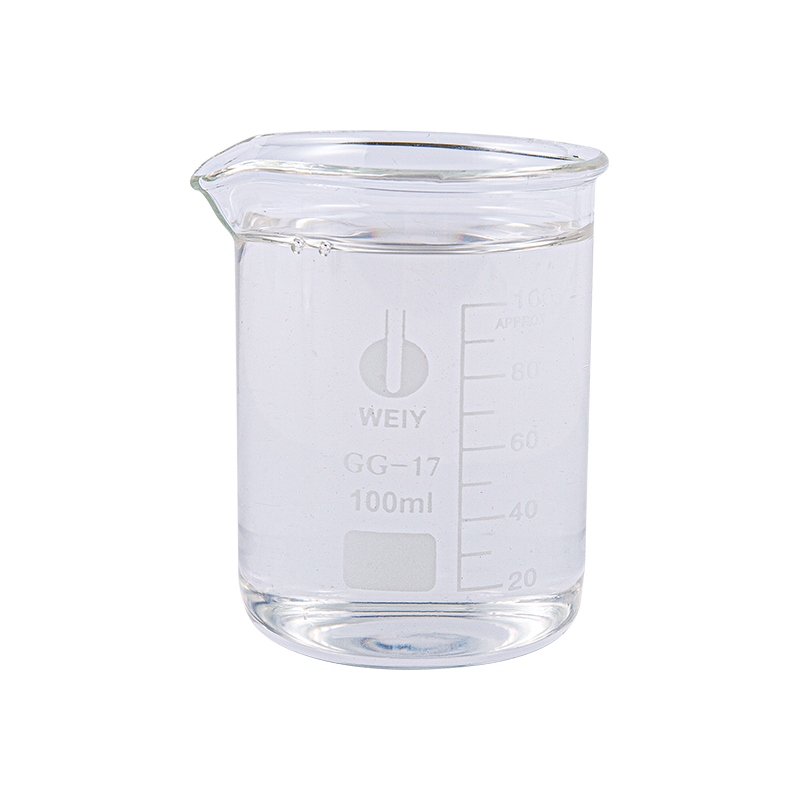
Sodium silicate (sodium water glass) model HLNAL-2, as follow the national standard GB/T4209-2008 liquid-2 model pr...
See Details
Sodium silicate (sodium water glass) model HLNAL-4, as follow the national standard GB/T4209-2008 liquid-4 model pr...
See Details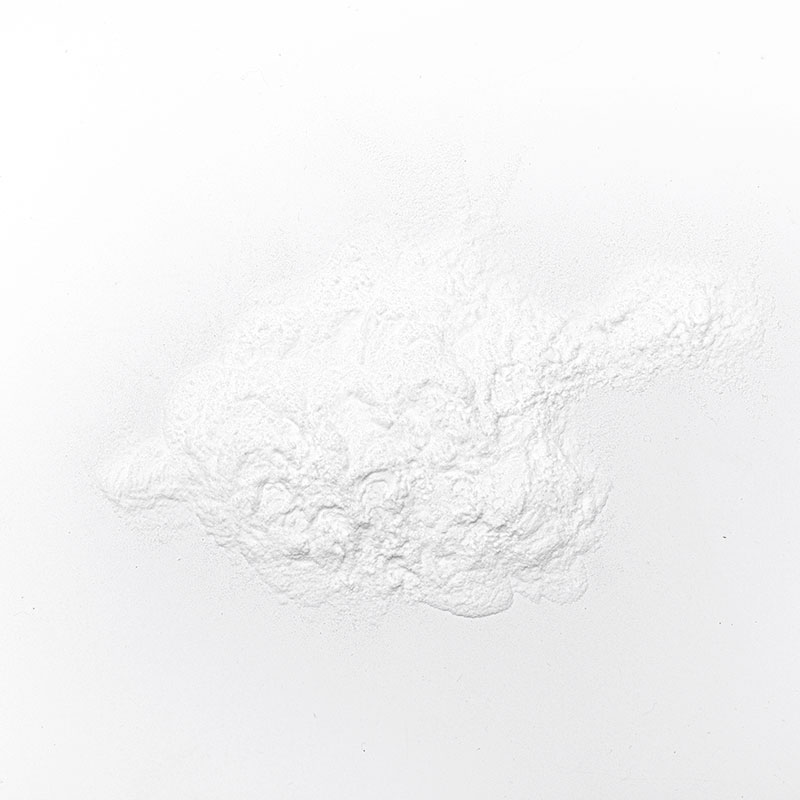
Powdered sodium silicate (model HLNAP-2 modulus 2.4±0.1) is a product made of liquid water glass by drying and spra...
See Details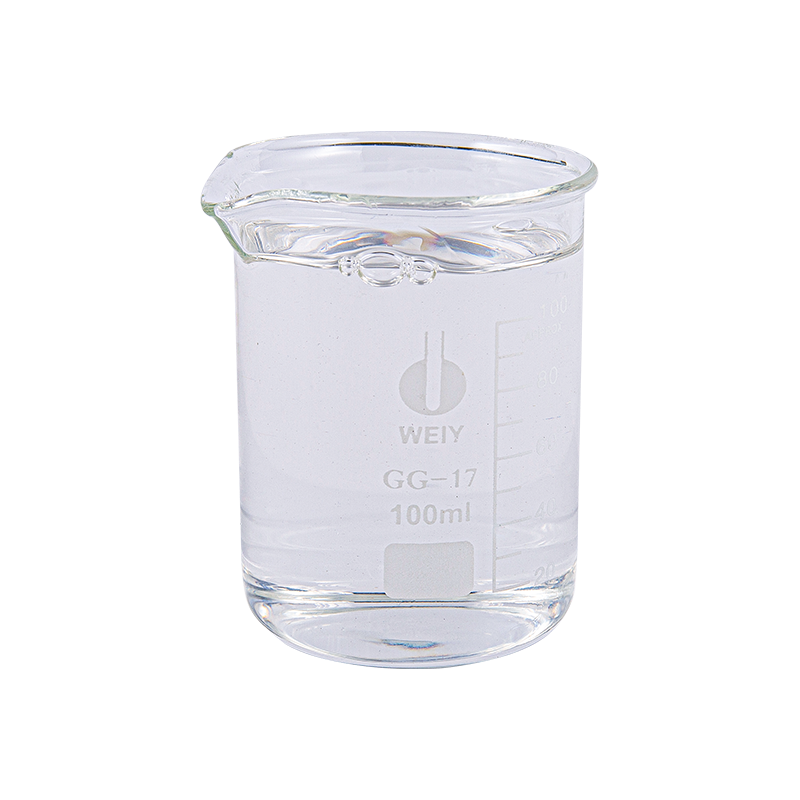
Liquid potassium silicate, model HLKL-4 (modulus 3.6-3.8), potassium silicate solution has better appearance and tr...
See Details
Liquid Potassium Silicate, Model HLKL-5 (Modulus 4.8-5.0), this product is a customized product with ultra-high mod...
See Details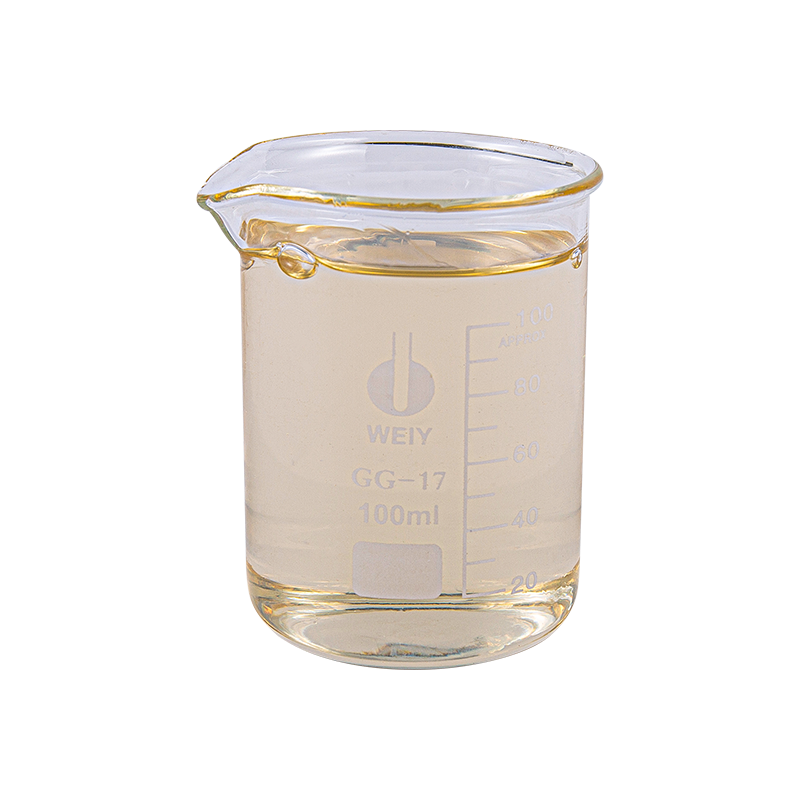
Sodium methyl silicate (model HLKNAL), this product is an organosilicon waterproofing agent, the active ingredient ...
See Details
Products
Sodium Silicate Potassium Silicate Lithium Silicate Sodium Methylsilicate Potassium Methylsilicate Silica Sol Inorganic Coatings And Binders Flooring SystemContact
Add:No. 7 Jiaye Road, Tongxiang City, Zhejiang Province, China Phone:+86-15257095913 Tel: +86-0573-88980238 Mob: +86-0573-88980238 E-mail:[email protected]