
 English
 عربى
عربى Español

 English
 عربى
عربى Español
Sodium silicate(HLNAL-2)
Cat:Sodium Silicate Liquid
Sodium silicate (sodium water glass) model HLNAL-2, as follow the national standard GB/T4209-2008 liquid-2 model pr...
See Details
In the field of fire protection, the development of advanced and effective fireproofing materials is critical. One such material that has gained significant attention is sodium silicate. Also known as water glass, sodium silicate plays a key role in enhancing the fire-resistant properties of various materials.
Sodium silicate is a chemical compound made from sodium oxide (Na2O) and silica (SiO2). It is often produced by heating silica sand with sodium carbonate. The resulting substance forms a highly viscous liquid, which can be further processed into various solid forms, including powders and crystals. Sodium silicate is a versatile material with a broad range of applications in industries such as construction, automotive, and fire protection.
In fireproofing, sodium silicate is primarily used as a binder or filler in fire-resistant coatings and sprays. Its ability to form a stable, heat-resistant layer when exposed to high temperatures makes it a crucial component in the development of fireproofing solutions.
Sodium silicate’s primary mechanism of action as a fireproofing agent involves the formation of a barrier when exposed to heat. When the material is exposed to flames, sodium silicate reacts by forming a glassy layer that provides thermal insulation. This glassy layer helps to insulate the material beneath it, protecting it from direct exposure to heat and reducing the risk of ignition.
Furthermore, sodium silicate contributes to the creation of intumescent coatings. These coatings expand when exposed to heat, creating a thick insulating foam layer that protects underlying substrates from fire damage.
Sodium silicate has numerous applications in the fireproofing industry. Some of the most common uses include:
Sodium silicate is commonly used in fireproof coatings for structural steel, wood, and other building materials. These coatings form a protective layer that helps maintain the integrity of structures during a fire. The glass-like layer created by sodium silicate can withstand extreme temperatures and prevent the material from combusting.
Sodium silicate is also used in the production of fire-resistant insulation materials. When incorporated into insulation boards or sprays, it helps to enhance their thermal resistance. These materials are used in building construction, automotive applications, and industrial machinery to prevent heat transfer and protect sensitive components from fire.
Sodium silicate is often added to cement and mortar mixtures to increase their fire resistance. This is particularly useful in the construction of fireproof walls, floors, and ceilings. The addition of sodium silicate helps to improve the durability of cement and mortar under high temperatures, ensuring the safety of structures in fire-prone areas.
In addition to coatings and insulation, sodium silicate is used in fire-resistant sealants. These sealants are applied to gaps, joints, and seams in building materials to prevent the spread of fire. They are particularly effective in high-temperature environments where traditional sealants may fail.
The use of sodium silicate in fireproofing materials offers several advantages:
Cost-effective: Sodium silicate is relatively inexpensive compared to other fire-resistant materials, making it an affordable option for large-scale applications.
Non-toxic: Unlike some fireproofing agents, sodium silicate is non-toxic and does not release harmful fumes when exposed to high temperatures.
Durability: Sodium silicate-based fireproofing materials are highly durable and can withstand prolonged exposure to heat and fire without degrading.
Ease of application: Sodium silicate can be easily incorporated into a wide range of fireproofing products, including sprays, coatings, and sealants.
While sodium silicate is an effective fireproofing agent, it is not the only option available. Other fire-resistant materials such as intumescent paints, fire-retardant chemicals, and mineral-based coatings are also commonly used in fireproofing applications. However, sodium silicate stands out due to its versatility, cost-effectiveness, and ease of application.
| Property | Sodium Silicate | Intumescent Coatings | Fire-retardant Chemicals | Mineral-based Coatings |
|---|---|---|---|---|
| Heat Resistance | High | Very High | Moderate to High | High |
| Cost | Low | High | Moderate | Moderate |
| Durability | High | High | Moderate | High |
| Toxicity | Non-toxic | Non-toxic | Potentially toxic | Non-toxic |
| Ease of Application | Easy | Moderate | Easy | Moderate |
| Best For | General use, Coatings | Structural Steel, Fireproofing | Wood, Fabric, and Plastics | Structural Materials |
Sodium silicate is an indispensable component in modern fireproofing materials, offering a reliable, cost-effective, and non-toxic solution for enhancing fire resistance. Its diverse applications, including coatings, insulation, and sealants, make it a versatile option for a wide range of industries. As fire safety remains a top priority in construction, manufacturing, and industrial operations, sodium silicate will continue to play a pivotal role in protecting lives and properties from fire hazards.
1. What is sodium silicate used for in fireproofing?
Sodium silicate is used in fireproofing materials such as coatings, insulation, sealants, and fireproof cement to provide heat resistance and protect structures from fire.
2. Is sodium silicate safe to use in fireproofing?
Yes, sodium silicate is non-toxic and does not release harmful fumes when exposed to heat, making it a safe option for fireproofing applications.
3. How does sodium silicate work to protect against fire?
When exposed to heat, sodium silicate forms a glassy, heat-resistant layer that insulates underlying materials and prevents combustion.
4. Can sodium silicate be used in all types of construction?
Sodium silicate is versatile and can be used in a wide range of construction projects, including fireproofing steel, wood, and other building materials.
5. What are the advantages of using sodium silicate for fireproofing?
Sodium silicate is cost-effective, durable, easy to apply, and non-toxic, making it a preferred choice for fireproofing materials in many industries.
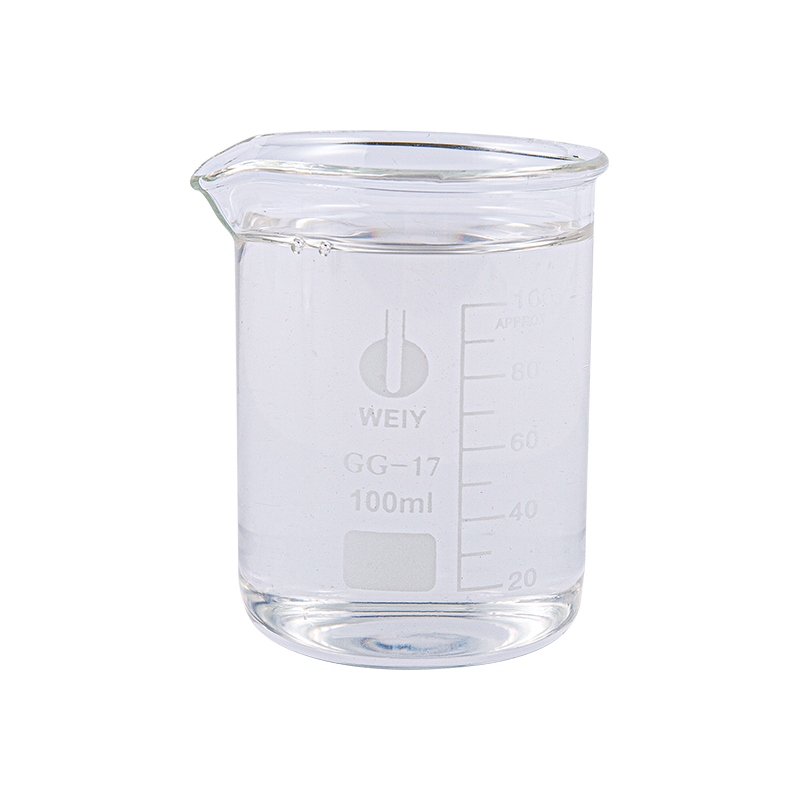
Sodium silicate (sodium water glass) model HLNAL-2, as follow the national standard GB/T4209-2008 liquid-2 model pr...
See Details
Sodium silicate (sodium water glass) model HLNAL-3, as follow the national standard GB/T4209-2008 liquid-3 model pr...
See Details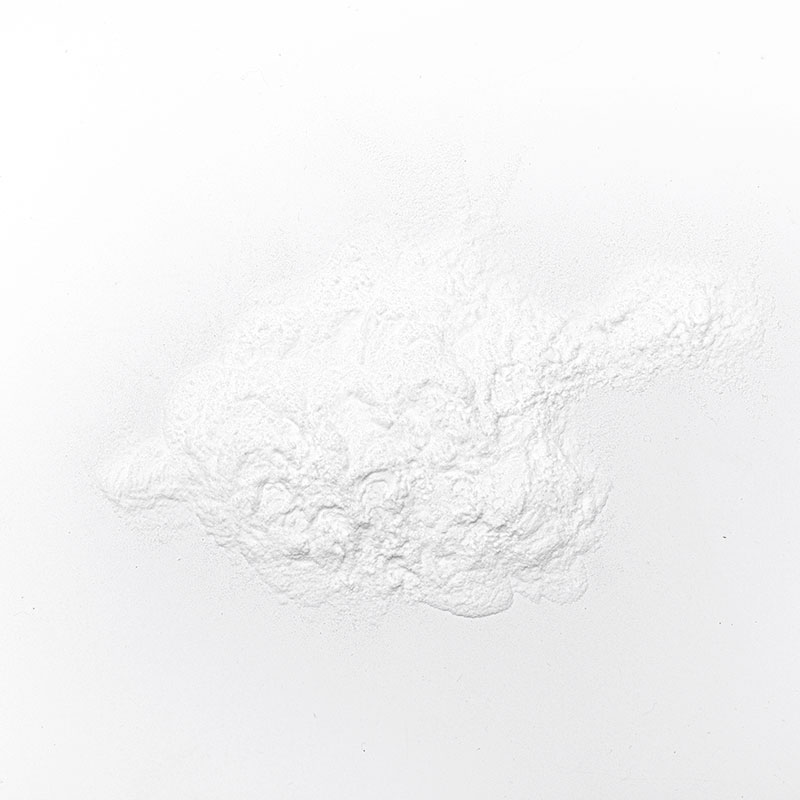
Powdered sodium silicate (model HLNAP-3 modulus 2.9±0.1) is a product made of liquid water glass by drying and spra...
See Details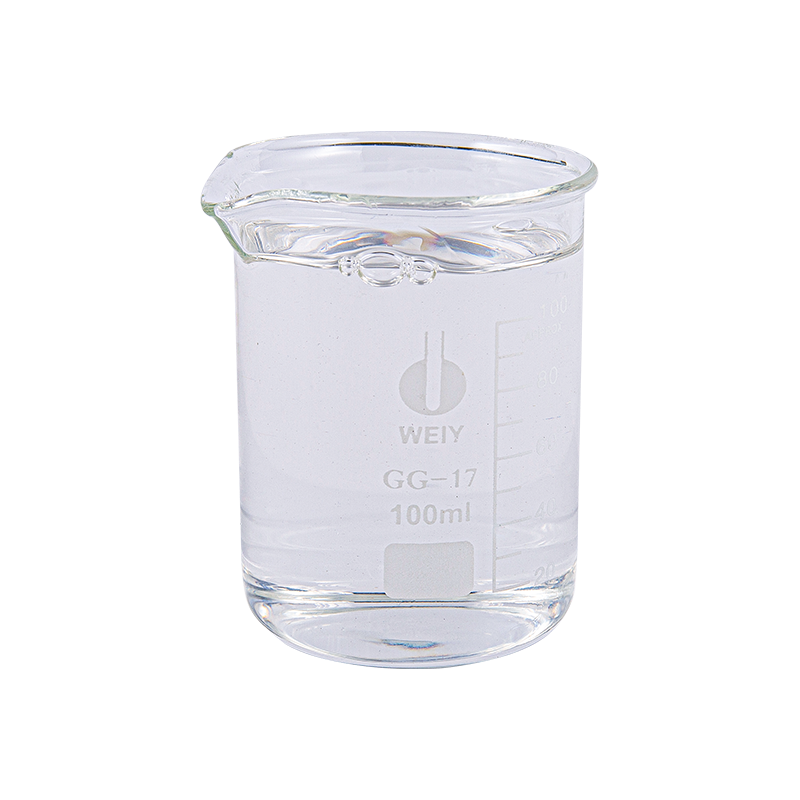
Liquid Potassium Silicate, Model HLKL-5 (Modulus 4.8-5.0), this product is a customized product with ultra-high mod...
See Details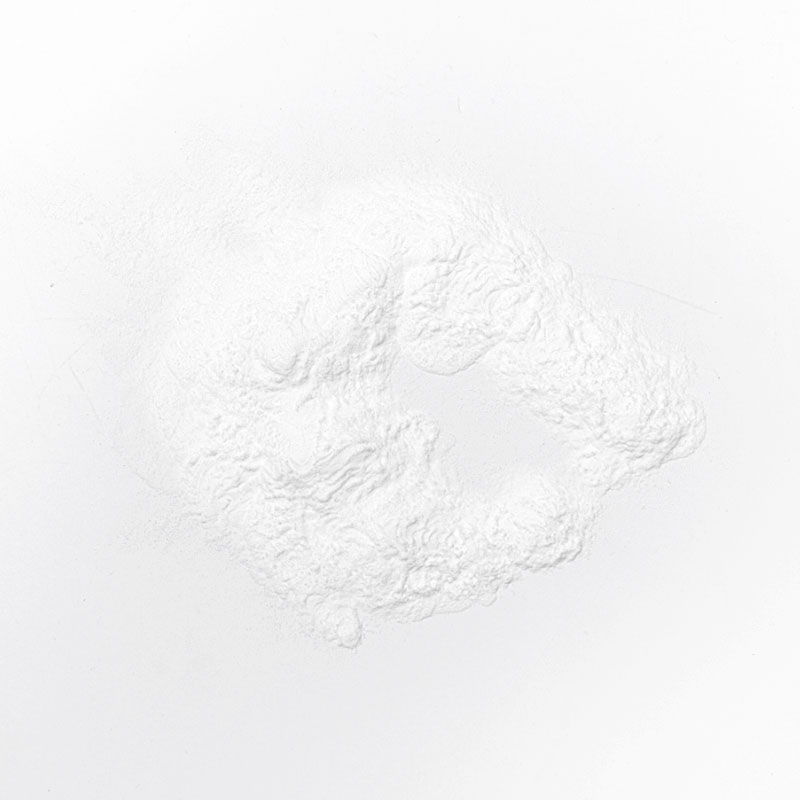
Powdered Potassium Silicate (Model HLKP-2 Modulus 3.3±0.1) is a product made of liquid potassium silicate by drying...
See Details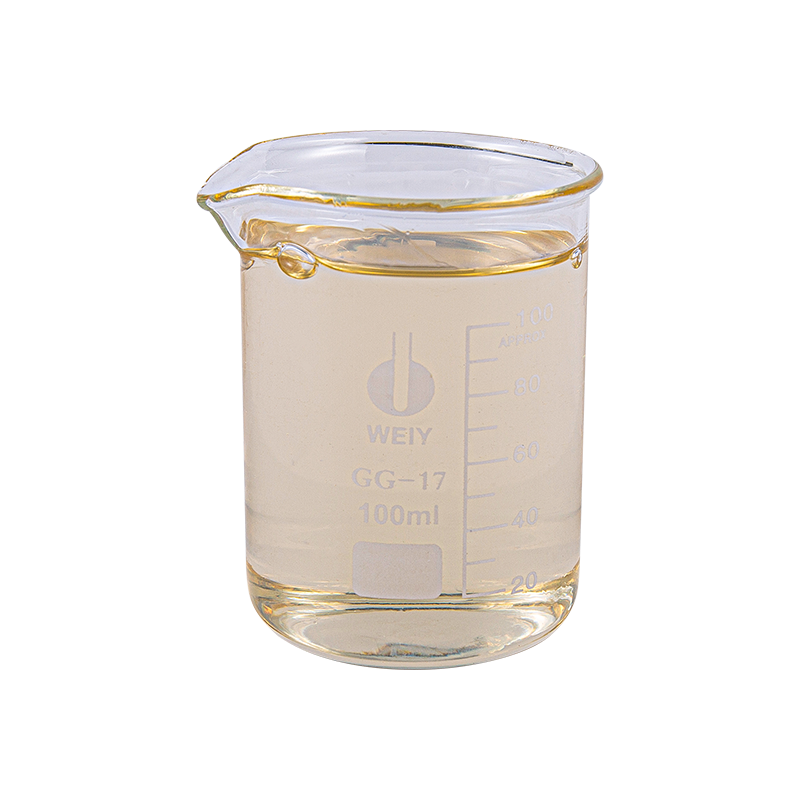
Sodium methyl silicate (model HLKNAL), this product is an organosilicon waterproofing agent, the active ingredient ...
See Details
Products
Sodium Silicate Potassium Silicate Lithium Silicate Sodium Methylsilicate Potassium Methylsilicate Silica Sol Inorganic Coatings And Binders Flooring SystemContact
Add:No. 7 Jiaye Road, Tongxiang City, Zhejiang Province, China Phone:+86-15257095913 Tel: +86-0573-88980238 Mob: +86-0573-88980238 E-mail:[email protected]