
 English
 عربى
عربى Español

 English
 عربى
عربى Español
Sodium silicate(HLNAL-2)
Cat:Sodium Silicate Liquid
Sodium silicate (sodium water glass) model HLNAL-2, as follow the national standard GB/T4209-2008 liquid-2 model pr...
See Details
In the world of industrial chemicals, sodium silicate and silica gel are often used interchangeably, but they serve very different purposes. Both of these substances are derived from silica (SiO₂), yet their chemical composition, properties, and applications set them apart.
Sodium silicate, also known as water glass or liquid glass, is a chemical compound made by dissolving silica dioxide in an alkaline solution, typically sodium hydroxide. It has a glass-like structure and appears as a colorless, viscous liquid or a solid, depending on its form. The chemical formula for sodium silicate can vary, but it is generally represented as Na₂SiO₃, a combination of sodium oxide (Na₂O) and silica (SiO₂).
The key characteristics of sodium silicate include:
Due to its ability to form strong bonds and withstand high temperatures, sodium silicate is widely used in a variety of industrial processes, from cement manufacturing to detergents and even fireproofing materials.
Silica gel, on the other hand, is a granular, porous form of silica, often found in small packets labeled “Do Not Eat,” which are commonly seen in packaging to prevent moisture buildup. Unlike sodium silicate, silica gel is produced through a process called sol-gel, where silicon dioxide is polymerized in a gel form. Silica gel appears as small, granular beads, typically clear or translucent.
Key properties of silica gel include:
Silica gel is primarily known for its desiccant properties, meaning it can absorb and hold water vapor, making it an essential material in various moisture-sensitive applications, such as in packaging, pharmaceuticals, and electronics.
Sodium silicate is widely used in numerous applications due to its unique properties, including:
Cement and Concrete: Sodium silicate acts as a binder in cement, enhancing the durability and strength of concrete. It is also used in the production of lightweight concrete and as a sealant in some construction applications.
Detergents and Cleaning Agents: Sodium silicate is a key ingredient in many cleaning products, such as dishwashing detergents and industrial cleaners. It helps break down grease and oils, improving the cleaning performance of these products.
Fireproofing: Sodium silicate is used in the manufacturing of fireproofing materials, as it can withstand high temperatures and form a heat-resistant barrier.
Water Treatment: Due to its ability to remove impurities, sodium silicate is sometimes used in water treatment to flocculate suspended particles.
Silica gel is most famous for its moisture-absorbing abilities, making it crucial in various fields:
Desiccants for Packaging: The primary use of silica gel is as a desiccant, where it prevents moisture from damaging products during storage and transportation. This is particularly important in electronics, pharmaceuticals, and food products.
Catalysts in Chemical Reactions: Silica gel is used in chemical reactions as a catalyst or support material. Its high surface area and porous structure make it effective in supporting other materials in reactions.
Chromatography: Silica gel plays an essential role in chromatography, especially thin-layer chromatography (TLC) and column chromatography, for separating mixtures.
Paints and Coatings: Silica gel is sometimes used in coatings to improve durability and resistance to wear and tear.
| Property | Sodium Silicate | Silica Gel |
|---|---|---|
| Chemical Composition | Na₂SiO₃ (Sodium Silicate) | SiO₂ (Silicon Dioxide, porous form) |
| Form | Liquid or Solid | Granular or Beads |
| Primary Use | Binding agent, sealant, fireproofing | Desiccant (moisture absorber) |
| Temperature Resistance | High (used in fireproofing) | Low (not resistant to high temperatures) |
| Moisture Absorption | Low (not used for moisture control) | High (used for moisture control) |
| Main Applications | Cement, detergents, water treatment, etc. | Packaging, pharmaceuticals, catalysis, etc. |
Sodium silicate is generally considered non-toxic but can pose hazards when improperly handled. The compound is alkaline, and prolonged exposure to its concentrated form can irritate the skin and eyes. It is also essential to avoid inhaling its dust, which can irritate the respiratory system. Proper handling and storage are crucial to minimizing risks.
Silica gel, while non-toxic and safe for handling, can pose a risk if ingested. It can cause mild gastrointestinal irritation if swallowed, but this is rare as silica gel is usually packaged in small quantities with warnings. The environmental impact of silica gel is relatively low as it is made from abundant silica, although its disposal should be monitored to ensure it doesn’t contribute to waste issues.
Both sodium silicate and silica gel are essential in their respective industries. While sodium silicate is valuable for its binding and heat-resistant properties, silica gel excels in moisture absorption and desiccation. Understanding their differences is crucial for selecting the right compound for specific industrial applications. By knowing these distinctions, manufacturers and professionals can make informed decisions on which material best suits their needs, whether for cement, packaging, or chemical reactions.
1. What are the main industrial applications of sodium silicate?
Sodium silicate is used in cement production, water treatment, fireproofing, and detergents.
2. Can silica gel be reused after absorbing moisture?
Yes, silica gel can be regenerated by heating it to release absorbed moisture.
3. Is sodium silicate safe to handle?
Sodium silicate is generally safe but should be handled with care, especially in its concentrated form.
4. What is the primary difference between sodium silicate and silica gel?
Sodium silicate is used for binding and heat resistance, while silica gel is primarily used for moisture absorption.
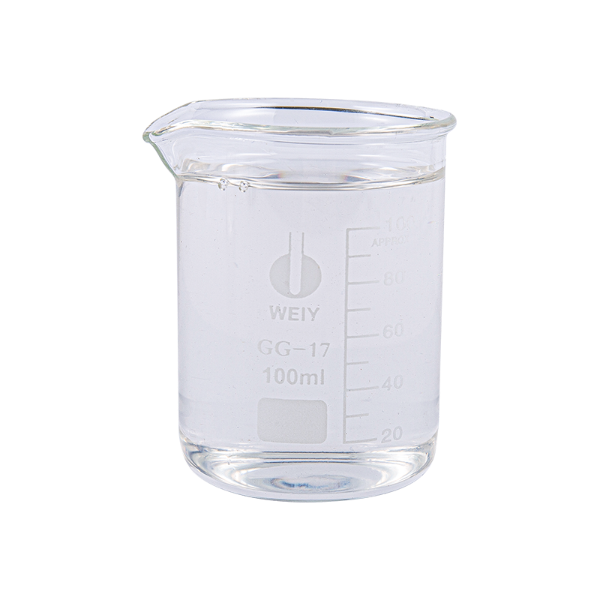
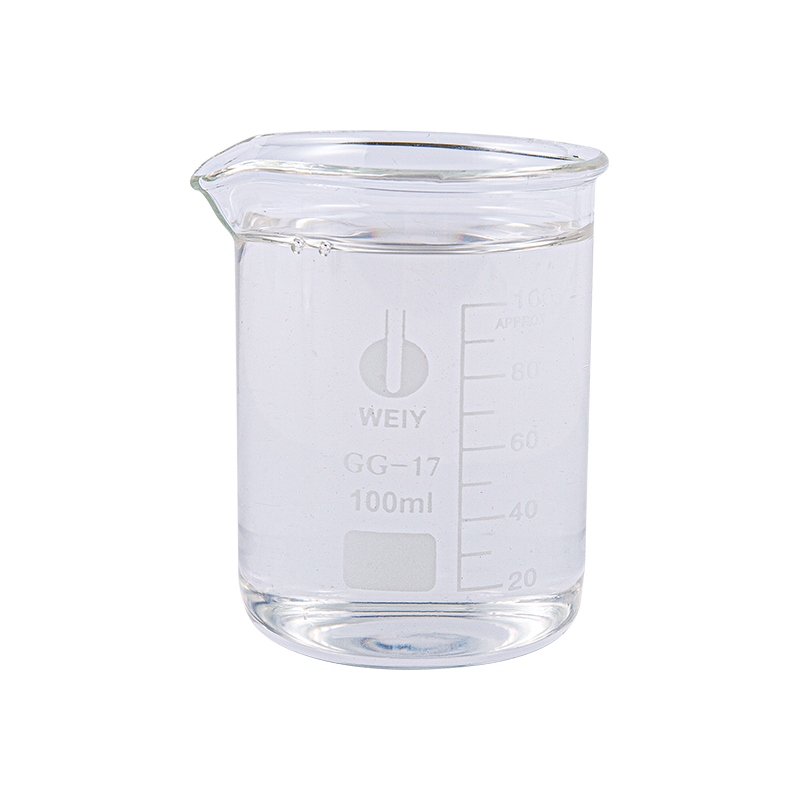
Sodium silicate (sodium water glass) model HLNAL-2, as follow the national standard GB/T4209-2008 liquid-2 model pr...
See Details
Sodium silicate (sodium water glass) model HLNAL-5, as a super high modulus (3.8-4.0) product produced beyond the n...
See Details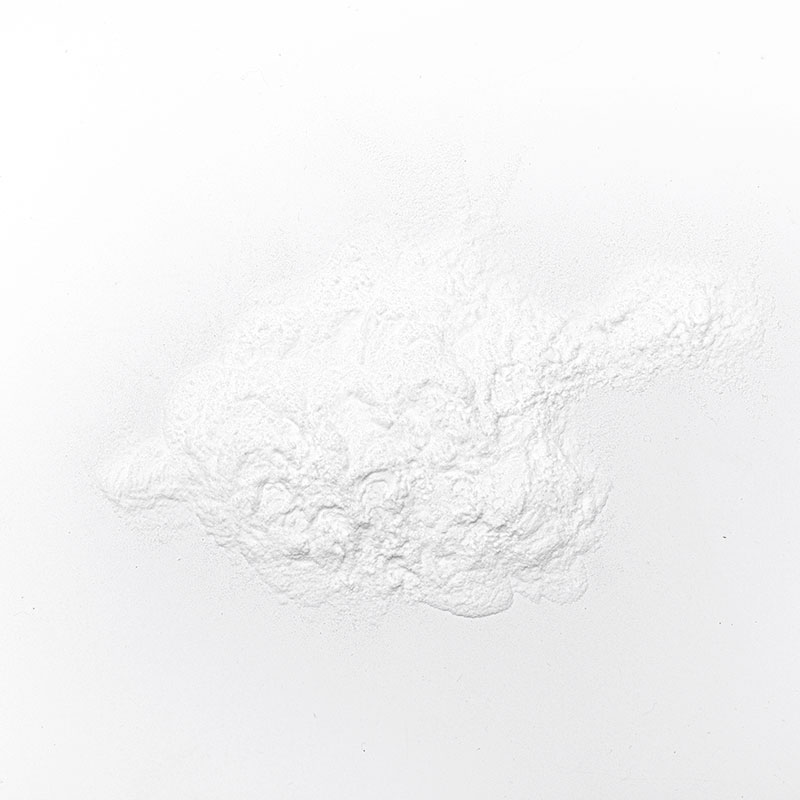
Powdered sodium silicate (model HLNAP-3 modulus 2.9±0.1) is a product made of liquid water glass by drying and spra...
See Details
Powdered sodium silicate (model HLNAP-4 modulus 3.4±0.1) is a product made of liquid water glass by drying and spra...
See Details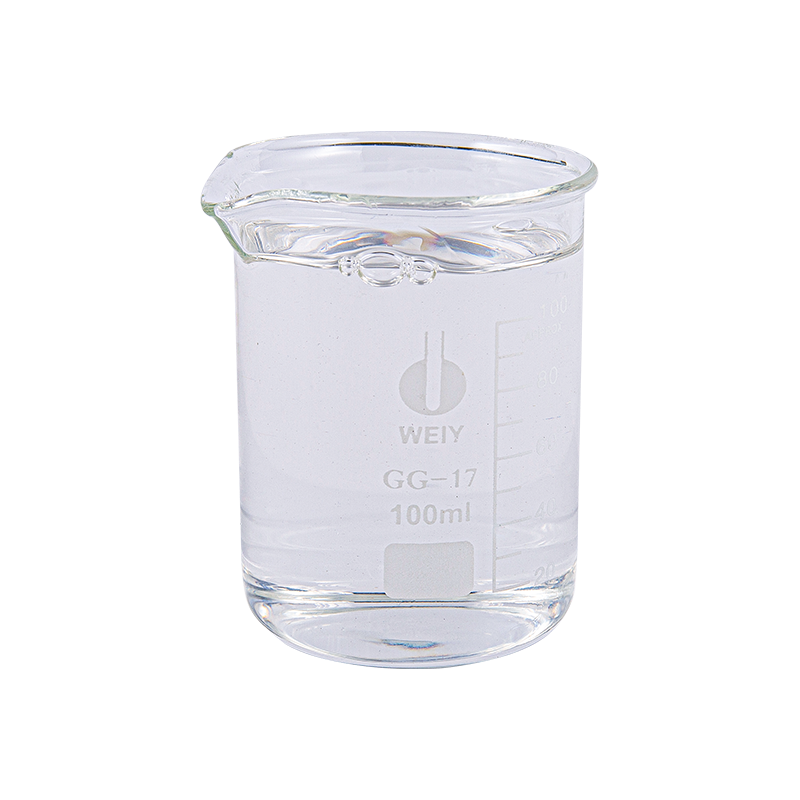
Liquid Potassium Silicate, Model HLKL-2 (Modulus 2.7-3.0), Potassium silicate solution has better appearance and tr...
See Details
Liquid Potassium Silicate, Model HLKL-3 (Modulus 3.1-3.4), Potassium silicate solution has better appearance and tr...
See Details
Products
Sodium Silicate Potassium Silicate Lithium Silicate Sodium Methylsilicate Potassium Methylsilicate Silica Sol Inorganic Coatings And Binders Flooring SystemContact
Add:No. 7 Jiaye Road, Tongxiang City, Zhejiang Province, China Phone:+86-15257095913 Tel: +86-0573-88980238 Mob: +86-0573-88980238 E-mail:[email protected]