
 English
 عربى
عربى Español

 English
 عربى
عربى Español
Sodium silicate(HLNAL-1)
Cat:Sodium Silicate Liquid
Sodium silicate (sodium water glass) model HLNAL-1, as follow the national standard GB/T4209-2008 liquid-1 model pr...
See Details
Potassium silicate, a compound composed of potassium oxide and silica, plays a critical role in improving fire resistance and chemical stability in various materials. Its unique properties make it an essential component in industries that require high-performance products, including construction, manufacturing, and coatings.
Potassium silicate is highly valued for its ability to enhance fire resistance. The compound undergoes a process where it forms a silicate-based network that strengthens materials and makes them more resistant to high temperatures. When exposed to heat, potassium silicate-based products release water vapor, which helps cool the surface and prevent combustion.
Potassium silicate provides fire resistance through several mechanisms:
The incorporation of potassium silicate in fireproof materials, such as fire-resistant coatings, insulations, and cementitious products, enhances the safety and durability of structures. These materials are used in industries ranging from construction to transportation, providing added protection against fire hazards.
The robust silicate structure of potassium silicate makes it highly stable in various chemical environments. Its resistance to acidic and alkaline conditions is especially beneficial in industrial applications where exposure to aggressive chemicals is common.
Due to its chemical stability, potassium silicate is used in corrosion-resistant coatings and treatments. It provides a protective barrier that shields metals and surfaces from chemical attack, ensuring the longevity of industrial equipment and infrastructure.
Potassium silicate is widely used in the construction industry, where its fire-resistant and chemically stable properties enhance the performance of various building materials. It is incorporated into cement, concrete, and coatings, improving the material’s ability to withstand extreme environmental conditions.
In the coatings and paints industry, potassium silicate serves as a binder for inorganic coatings, offering both durability and fire resistance. It ensures that paints and coatings maintain their integrity under high temperatures and chemical exposure, making them suitable for harsh industrial settings.
Potassium silicate is also utilized in agriculture, where it is applied as a soil amendment. Its role in enhancing plant resistance to diseases and extreme temperatures is well-documented, helping crops thrive in challenging conditions.
Potassium silicate contributes to the durability of fire-resistant coatings by preventing cracking, erosion, and degradation when exposed to high temperatures. The compound also helps extend the lifespan of the coated materials, reducing the need for frequent maintenance or reapplication.
In applications such as steel and concrete protection, potassium silicate enhances structural integrity. The material provides a protective layer that maintains its stability even in the face of intense fire exposure, preventing structural collapse and minimizing damage.
Potassium silicate is considered an environmentally friendly solution due to its natural composition and non-toxic nature. Its use in fire-resistant and chemically stable materials contributes to sustainable manufacturing practices by reducing the need for harmful chemicals and promoting the use of renewable resources.
Unlike some synthetic fire-resistant materials, potassium silicate-based products have a low environmental footprint. They are biodegradable and can be safely disposed of, minimizing their impact on ecosystems.
| Property | Potassium Silicate | Other Chemical Stabilizers |
|---|---|---|
| Fire Resistance | Excellent | Varies |
| Chemical Stability | High | Moderate |
| Environmental Impact | Low | High |
| Water Solubility | Low | Varies |
| Durability in Harsh Conditions | High | Moderate |
1. What is potassium silicate used for?
Potassium silicate is primarily used in fire-resistant coatings, corrosion protection, cement, and concrete formulations due to its fire resistance and chemical stability.
2. How does potassium silicate enhance fire resistance?
It forms a protective silicate network that prevents the spread of fire, absorbs heat, and releases water vapor to cool surfaces.
3. Can potassium silicate be used in chemical environments?
Yes, potassium silicate exhibits excellent resistance to both acidic and alkaline environments, making it ideal for use in various industrial applications.
4. Is potassium silicate environmentally friendly?
Yes, potassium silicate is non-toxic, biodegradable, and has a low environmental footprint, making it a sustainable option for many applications.
5. What industries benefit most from potassium silicate?
Potassium silicate is widely used in construction, coatings, agriculture, and manufacturing industries, providing fire resistance and chemical stability in a variety of materials.
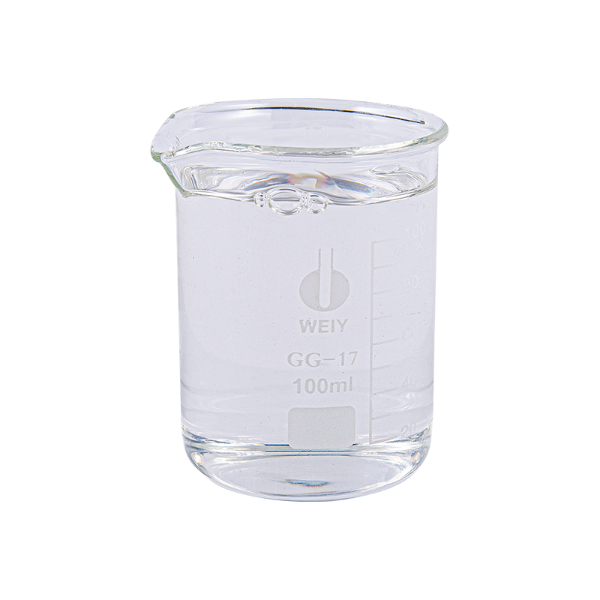
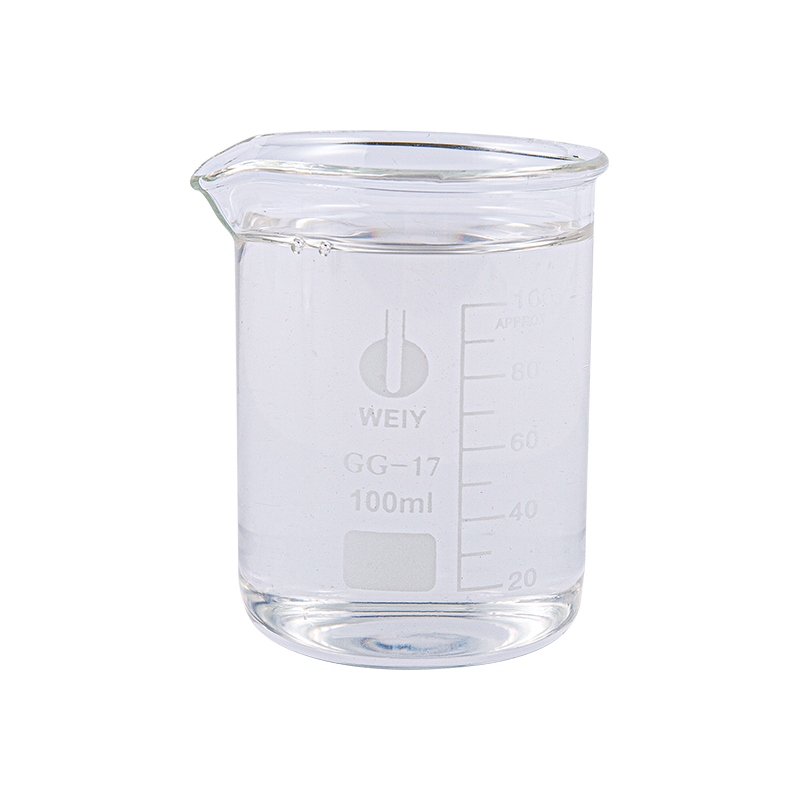
Sodium silicate (sodium water glass) model HLNAL-1, as follow the national standard GB/T4209-2008 liquid-1 model pr...
See Details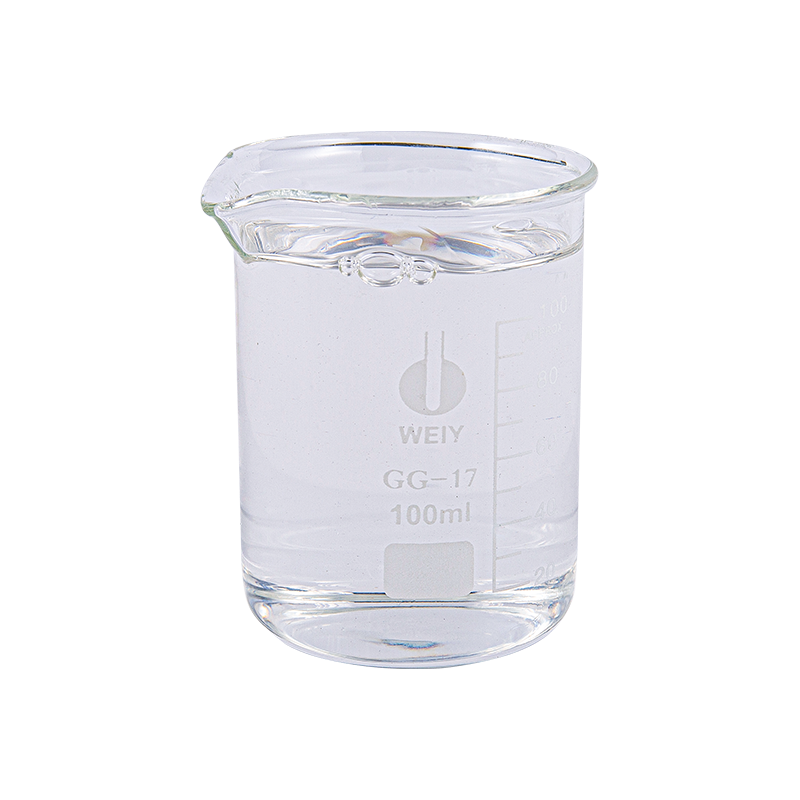
Liquid Potassium Silicate, Model HLKL-2 (Modulus 2.7-3.0), Potassium silicate solution has better appearance and tr...
See Details
Liquid Potassium Silicate, Model HLKL-3 (Modulus 3.1-3.4), Potassium silicate solution has better appearance and tr...
See Details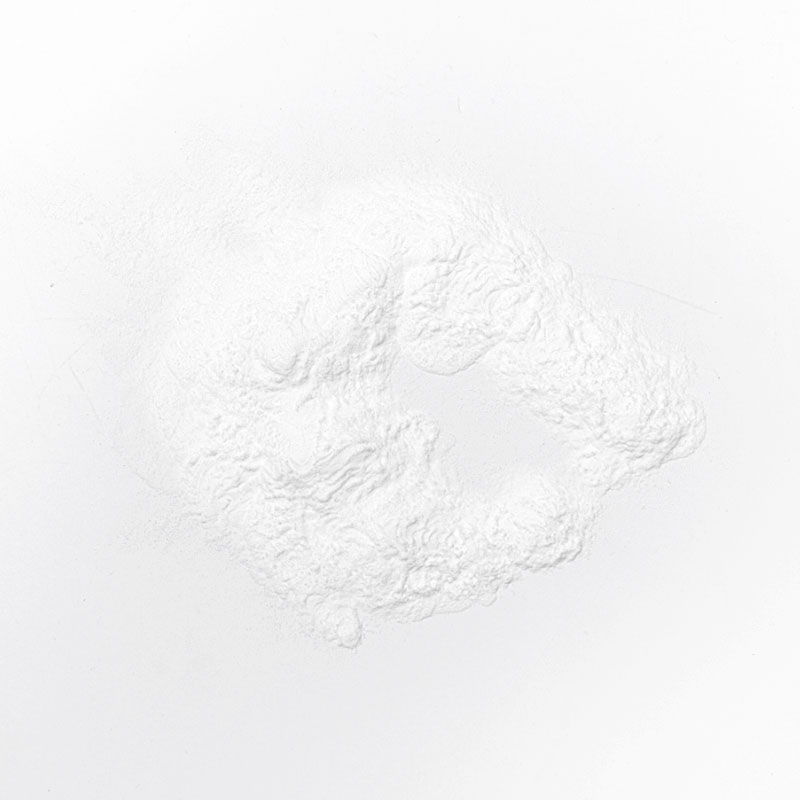
Powdered Potassium Silicate (Model HLKP-1 Mode 2.4±0.1) is a product made of liquid potassium silicate by drying an...
See Details
Powdered Potassium Silicate (Model HLKP-2 Modulus 3.3±0.1) is a product made of liquid potassium silicate by drying...
See Details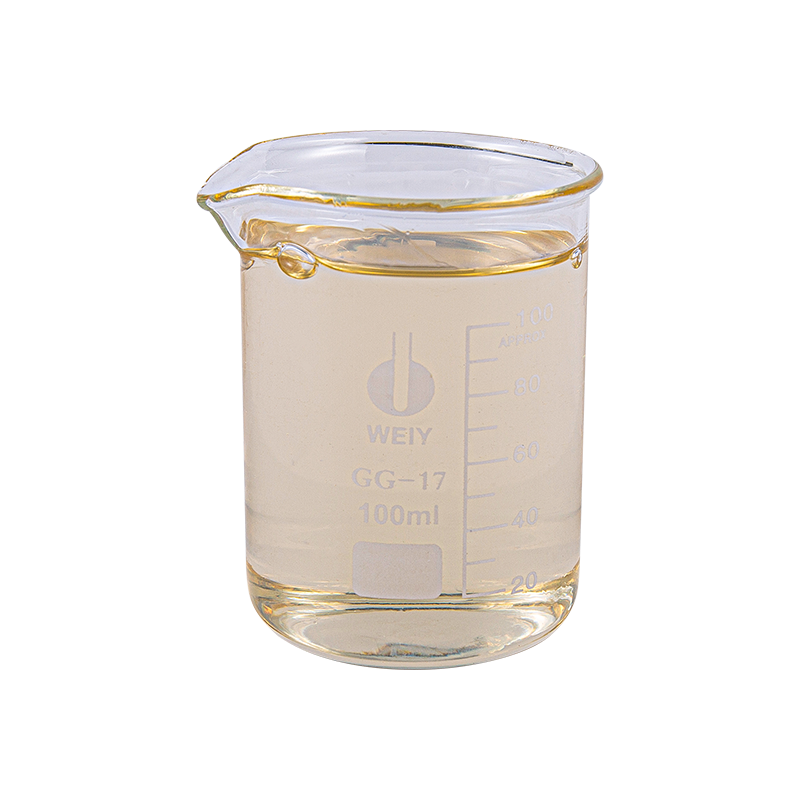
Sodium methyl silicate (model HLKNAL), this product is an organosilicon waterproofing agent, the active ingredient ...
See Details
Products
Sodium Silicate Potassium Silicate Lithium Silicate Sodium Methylsilicate Potassium Methylsilicate Silica Sol Inorganic Coatings And Binders Flooring SystemContact
Add:No. 7 Jiaye Road, Tongxiang City, Zhejiang Province, China Phone:+86-15257095913 Tel: +86-0573-88980238 Mob: +86-0573-88980238 E-mail:[email protected]