
 English
 عربى
 Español


 English
 عربى
 Español
Sodium silicate(HLNAL-6)
Cat:Sodium Silicate Liquid
Sodium silicate (sodium water glass) model HLNAL-6, as beyond the national standard GB/T4209-2008 standard producti...
See Details
Many inorganic materials fail long before their structure is designed to. Surfaces chalk, substrates absorb water, edges crack under thermal cycling and fine particles drift away after a few seasons of weathering. In most of these cases the weak point is not the aggregate or the base material but the binding system that holds everything together. potassium silicate is widely used as an inorganic binder and reinforcing agent because it addresses these failure modes at the level of the network that forms inside the material.
This article explains how potassium silicate works, which performance properties it improves, where it is applied in industry, and which technical parameters buyers should review before requesting a quotation. The goal is to give engineers, formulators and procurement teams enough detail to judge whether this chemistry fits their project.
Potassium silicate is an inorganic silicate solution in which potassium oxide and silica are combined in a defined ratio. It belongs to the same broad family as soluble glass, the general name for alkali silicate solutions, but the potassium-based variant behaves differently from its sodium counterpart in several practical respects. Its films are generally more water resistant, its surface tends to show less efflorescence and it forms a more stable matrix when exposed to humidity over long periods.
Two parameters dominate purchasing decisions. The first is the modulus, which is the molar ratio of silica to alkali oxide. A higher modulus generally produces a harder, more water resistant film but a slower setting behavior, while a lower modulus gives better wetting and faster reactivity. The second is solid content, which determines how much active silicate is delivered per unit of volume. Together these two values define how a given grade will perform on a substrate.
The question of how potassium silicate improves material performance is best answered by looking at what happens during application and curing. Once the solution is applied to a porous or particulate system, water evaporates and the silicate species progressively condense into a three-dimensional inorganic network. That network is what gives the finished material its improved resistance to moisture, heat, and chemical attack.
As the solution dries, silicate units link together through condensation reactions, producing a continuous glassy network that fills capillary pores and micro-cracks. Because the network is inorganic, it does not swell or soften with humidity in the way many organic binders do. The practical result is a measurable reduction in water absorption, which in turn slows freeze-thaw damage, salt migration and biological growth on the surface.
In coatings, mortars and refractory bodies, the silicate network acts as a continuous matrix that holds aggregates and fillers in place. This reduces dusting, sanding and particle loss, which are among the most common complaints in service. Adhesion to mineral substrates is also improved because the silicate chemistry is compatible with the silica and alumina surfaces commonly found in these materials.
An inorganic film does not undergo the chain scission and oxidation that degrade polymeric systems under sunlight. Field observations across a range of exterior projects consistently show that silicate-bound surfaces retain gloss, color and integrity for longer periods than comparable organic finishes, particularly in high ultraviolet or high temperature environments. Thermal cycling stability is also favorable because the inorganic matrix has a lower tendency to delaminate when temperatures rise and fall repeatedly.
Efflorescence, the white crystalline deposit that forms when soluble salts migrate to a surface, is a frequent cause of aesthetic and structural complaints in cementitious work. A well-formed silicate film reduces the pathways available for salt migration and binds free alkalis within the network. Practical trials in construction repair often report a clear reduction in surface salt deposits within the first curing cycle when the substrate has been properly sealed.
Beyond the mechanism itself, buyers evaluate potassium silicate by the properties it delivers in the finished product. The following table summarizes the main benefits and the test conditions where they are typically verified.
| Performance Property | Typical Improvement | Common Verification Method |
|---|---|---|
| Water resistance | Lower water absorption after curing | Capillary absorption or water immersion test |
| Thermal stability | Retained structure at elevated service temperature | Heating cycle and visual or strength inspection |
| Chemical resistance | Better tolerance to mild acids and alkalis | Spot exposure test and surface assessment |
| Fire performance | Non-combustible inorganic composition | Reaction-to-fire classification where required |
| Environmental profile | Low volatile organic content formulation | Supplier declaration and product data review |
The dense network described earlier is the main reason for improved water resistance. Buyers should understand, however, that the degree of protection depends on film thickness, number of coats and proper curing. A single thin application will not produce the same barrier as two or three well-cured layers on a porous substrate.
In refractory applications, potassium silicate serves as a binder that retains bonding strength during heating. Because the matrix is inorganic, it does not release the volatile decomposition products associated with organic resins. This makes it suitable for linings, castables and repair compounds that must maintain integrity under repeated thermal loading.
The silicate network tolerates many mild acidic and alkaline environments that would attack carbonated or poorly sealed cementitious surfaces. Resistance is not unlimited, and strong hydrofluoric or concentrated acids will attack the network, so exposure conditions should always be reviewed against the actual service chemistry.
Because the binder is inorganic, the finished material contributes no combustible organic load and emits minimal volatile organic compounds during service. These characteristics help projects meet fire classification and indoor air quality requirements, which many industrial and public building specifications now include.
Each application has its own failure mode, and potassium silicate is valuable when it addresses the specific weakness of that system. The following sections describe where the binder is most commonly specified.
Performance is not determined by the binder alone. Several variables interact during formulation and application, and buyers who understand them tend to achieve more consistent results.
Sodium silicate is the more common and lower-cost alkali silicate, and it performs well in many general applications. Potassium silicate is usually selected when the project places greater emphasis on long-term water resistance, film clarity or resistance to efflorescence. The table below outlines the typical differences.
| Characteristic | Potassium Silicate | Sodium Silicate |
|---|---|---|
| Water resistance of dried film | Generally higher | Moderate, more sensitive to moisture |
| Efflorescence tendency | Lower on most mineral substrates | Higher in some humid conditions |
| Film appearance | Clearer and more uniform | Can show haze or whitening |
| Typical cost | Higher | Lower |
| Best suited for | Long-term stability and demanding finishes | General-purpose and cost-sensitive work |
The choice is therefore a trade-off between performance requirements and budget. For projects where the service life and appearance of the surface are critical, the additional cost of potassium silicate is often recovered through reduced maintenance and rework. Tell us your requirement and we will advise on the most suitable product for your application.
Service life depends on the substrate, exposure environment, film thickness and maintenance. Properly formulated and cured systems commonly maintain their barrier and structural performance for many years in typical indoor and outdoor conditions, although a site-specific trial is the most reliable way to confirm expected durability.
Yes, it is widely used in exterior coatings and mineral finishes because the inorganic film resists ultraviolet degradation and weathering. Suitability should still be confirmed against local rainfall, temperature cycling and any aggressive airborne contaminants at the site.
Refractory applications typically require a grade with a modulus and solid content that balance early bonding strength with controlled drying. The right choice depends on the refractory composition, forming method and maximum service temperature, so technical review of the formula is recommended.
Pricing varies with modulus, solid content, order volume, packaging format and logistics requirements. Because these factors change the cost significantly, the most accurate figure comes from submitting your specification and quantity for a current quotation.
If you need to improve the durability and stability of your materials, we supply potassium silicate in several modulus and solid content grades. Send us your application, target formula and order quantity, and our team will provide technical support together with a competitive quotation.
Contact us to request a datasheet, sample and pricing for potassium silicate tailored to your project.
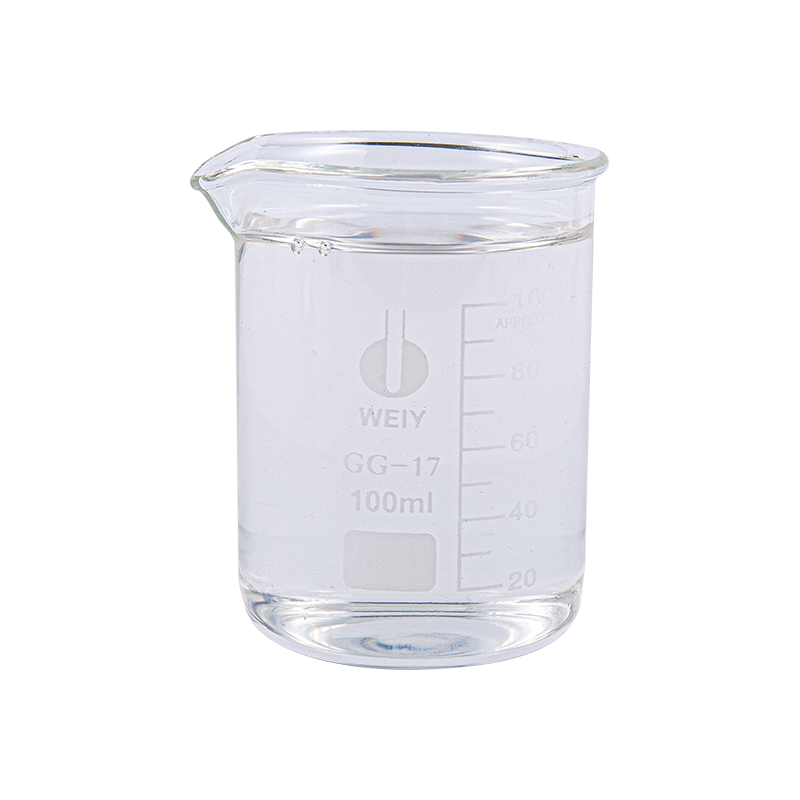
Sodium silicate (sodium water glass) model HLNAL-6, as beyond the national standard GB/T4209-2008 standard producti...
See Details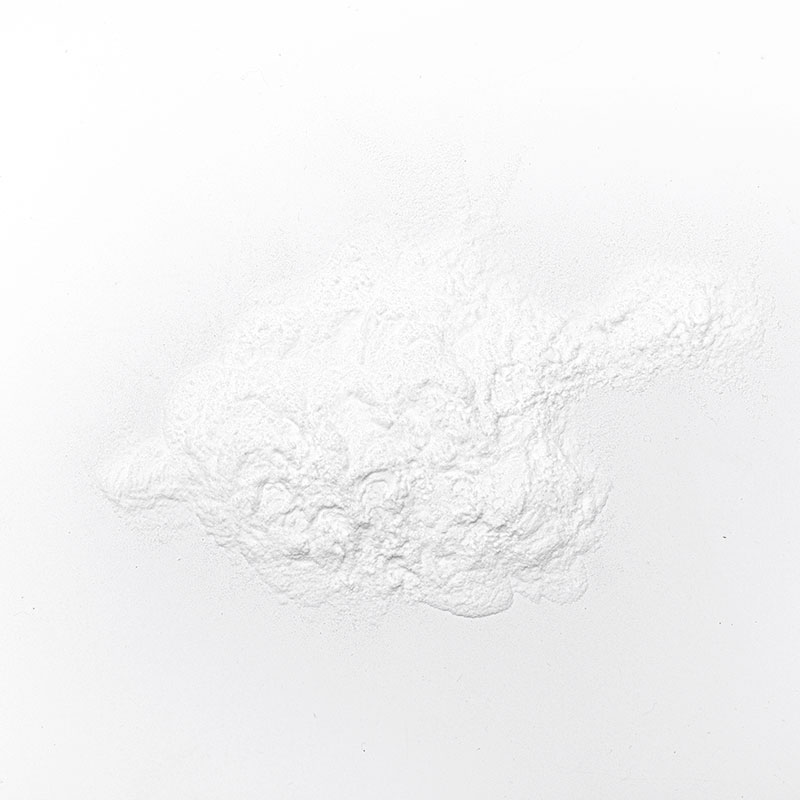
Powdered sodium silicate (model HLNAP-1 modulus 2.0±0.1) is a product made of liquid water glass by drying and spra...
See Details
Powdered sodium silicate (model HLNAP-3 modulus 2.9±0.1) is a product made of liquid water glass by drying and spra...
See Details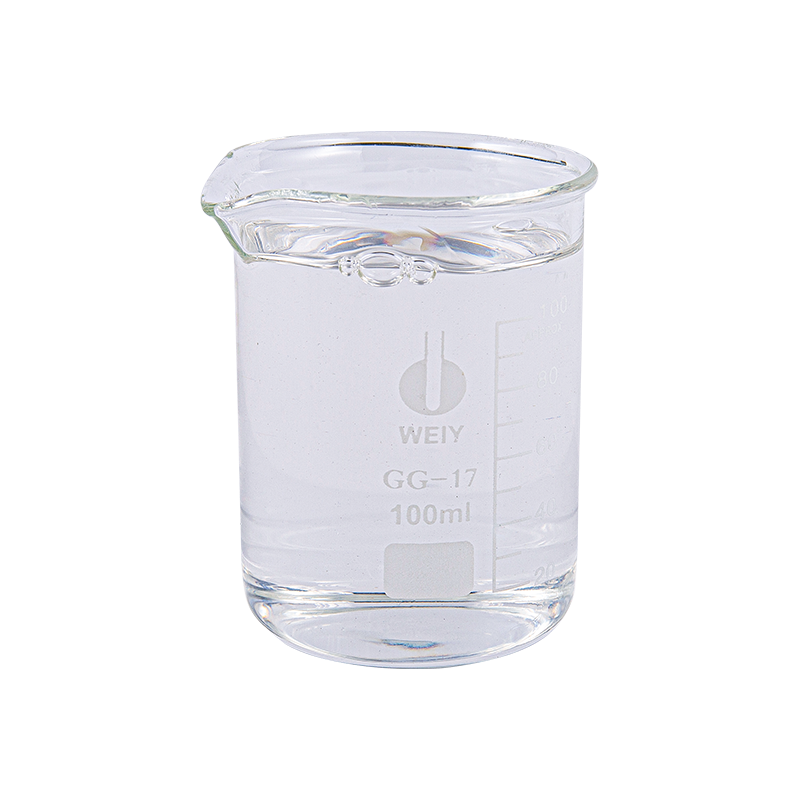
Liquid potassium silicate, model HLKL-1 (modulus 2.2-2.4), potassium silicate solution has better appearance and tr...
See Details
Liquid Potassium Silicate, Model HLKL-3 (Modulus 3.1-3.4), Potassium silicate solution has better appearance and tr...
See Details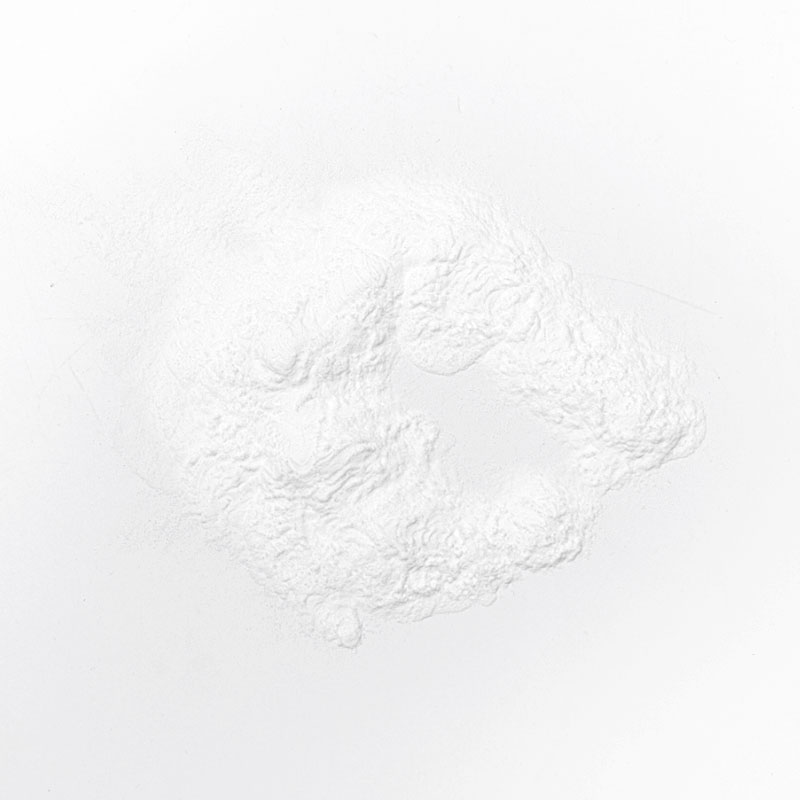
Powdered Potassium Silicate (Model HLKP-2 Modulus 3.3±0.1) is a product made of liquid potassium silicate by drying...
See Details
Products
Sodium Silicate Potassium Silicate Lithium Silicate Sodium Methylsilicate Potassium Methylsilicate Silica Sol Inorganic Coatings And Binders Flooring SystemContact
Add:No. 7 Jiaye Road, Tongxiang City, Zhejiang Province, China Phone:+86-15257095913 Tel: +86-0573-88980238 Mob: +86-0573-88980238 E-mail:[email protected]