
 English
 عربى
عربى Español

 English
 عربى
عربى Español
Sodium silicate(HLNAP-3)
Cat:Sodium Silicate Powder
Powdered sodium silicate (model HLNAP-3 modulus 2.9±0.1) is a product made of liquid water glass by drying and spra...
See Details
Inorganic silicates have become a staple in modern construction, valued for their versatility, durability, and sustainability. These materials, which include silicate-based compounds such as sodium silicate, potassium silicate, and lithium silicate, offer numerous benefits when applied in the construction sector.
Inorganic silicates are compounds that primarily contain silicate ions (SiO₄) and metal cations such as sodium, potassium, or calcium. These materials are typically derived from minerals like feldspar and clay and are widely used in various industrial applications, including construction, because of their chemical stability and resistance to degradation.
In construction, inorganic silicates are used in several forms, such as:
The adoption of inorganic silicates in construction brings several key benefits:
Here is a breakdown of the key steps to follow when incorporating inorganic silicates into construction projects.
The first step in using inorganic silicates is selecting the right type for your specific application. Consider factors like:
Preparation is crucial for ensuring optimal adhesion and performance of inorganic silicates. Follow these general steps:
The application method varies depending on the product and surface type, but common techniques include:
After applying inorganic silicates, allow the treated surface to cure. Curing times may vary based on the specific product and environmental conditions. Typically, it’s essential to:
Inorganic silicates are used in a variety of construction applications, including:
While inorganic silicates offer numerous benefits, there are also some important considerations to keep in mind:
Q1: How long does it take for inorganic silicates to cure?
A1: The curing time for inorganic silicates can vary depending on the product, environmental conditions, and surface type. Generally, it can take anywhere from a few hours to 24 hours for the product to fully cure.
Q2: Can inorganic silicates be applied to all types of concrete?
A2: Yes, inorganic silicates can generally be applied to most types of concrete. However, the surface must be clean and free of contaminants for the best results.
Q3: How do inorganic silicates improve concrete durability?
A3: Inorganic silicates react with calcium hydroxide in concrete to form calcium silicate hydrate (C-S-H), a compound that helps to fill pores and enhance the strength and durability of the concrete.
Q4: Are inorganic silicates environmentally friendly?
A4: Yes, inorganic silicates are considered environmentally friendly as they are derived from natural minerals and do not emit harmful fumes or toxins during application.
Q5: What are the primary uses of potassium silicate in construction?
A5: Potassium silicate is commonly used for water-resistant coatings, sealants, and as an additive in cement mixtures to improve strength and durability.
Powdered sodium silicate (model HLNAP-3 modulus 2.9±0.1) is a product made of liquid water glass by drying and spra...
See Details
Powdered sodium silicate (model HLNAP-4 modulus 3.4±0.1) is a product made of liquid water glass by drying and spra...
See Details
Liquid Potassium Silicate, Model HLKL-3 (Modulus 3.1-3.4), Potassium silicate solution has better appearance and tr...
See Details
Liquid potassium silicate, model HLKL-4 (modulus 3.6-3.8), potassium silicate solution has better appearance and tr...
See Details
Powdered Potassium Silicate (Model HLKP-2 Modulus 3.3±0.1) is a product made of liquid potassium silicate by drying...
See Details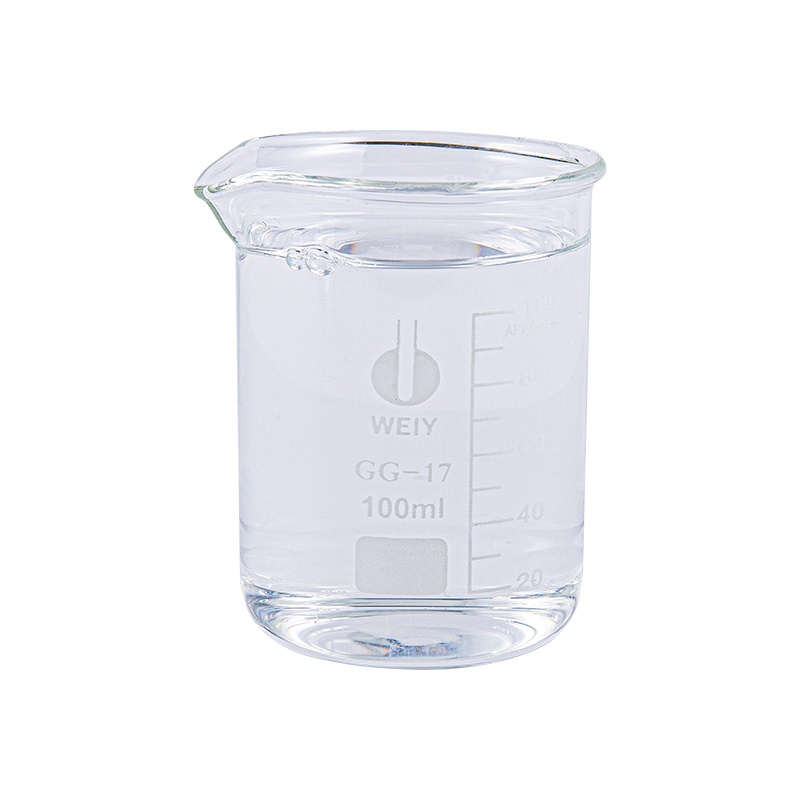
Liquid Lithium Silicate, Model HLLL-1, As an important member of the silicate family, lithium silicate does have a ...
See Details
Products
Sodium Silicate Potassium Silicate Lithium Silicate Sodium Methylsilicate Potassium Methylsilicate Silica Sol Inorganic Coatings And Binders Flooring SystemContact
Add:No. 7 Jiaye Road, Tongxiang City, Zhejiang Province, China Phone:+86-15257095913 Tel: +86-0573-88980238 Mob: +86-0573-88980238 E-mail:[email protected]