
 English
 عربى
عربى Español

 English
 عربى
عربى Español
Sodium silicate(HLNAL-6)
Cat:Sodium Silicate Liquid
Sodium silicate (sodium water glass) model HLNAL-6, as beyond the national standard GB/T4209-2008 standard producti...
See Details
Sodium silicate stands as one of the most critical inorganic silicates in modern detergent formulation. For production engineers and purchasing teams, selecting the correct silicate grade directly impacts cleaning efficacy, cost structure, and equipment longevity. This guide provides formulators with actionable insights into modulus selection, technical specifications, and procurement strategies that bridge the gap between chemistry and commercial viability.
The distinction between high-modulus and low-modulus silicates determines whether your formulation will perform optimally in powder detergents, liquid cleaners, or specialized applications. Understanding these nuances prevents costly reformulation cycles and ensures consistent product performance across production batches.
Sodium silicate functions as a potent alkaline buffer in detergent solutions, maintaining pH levels between 9.5 and 11.5. This sustained alkalinity accelerates saponification of fats and enhances the ionization of anionic surfactants, resulting in superior soil removal from fabrics. The buffering capacity prevents pH drift during storage and transport, ensuring consistent cleaning performance throughout the product lifecycle.
Once soil particles detach from fabric surfaces, sodium silicate creates a hydrophilic barrier around these particles. This mechanism prevents re-adhesion to cleaned fabrics during the rinse cycle. Research indicates that formulations without adequate silicate builders experience 15-25% higher redeposition rates, resulting in visible graying on white textiles and color dulling on colored garments over repeated wash cycles.
Silicate species in alkaline solution form a protective oxide layer on aluminum, steel, and zinc components within washing machinery. This corrosion-inhibition property extends appliance lifespan and prevents metal ion contamination that could cause fabric spotting or yellowing. The protective film thickness typically ranges from 10 to 50 nanometers, depending on silicate concentration and water hardness.
Sodium silicate enhances the degreasing capacity of anionic and nonionic surfactants through electrostatic interactions. The silicate anion reduces the critical micelle concentration (CMC) of surfactants, meaning formulations require less active surface-active agent to achieve equivalent cleaning power. This synergy typically reduces required surfactant levels by 10-15% without sacrificing cleaning performance.
Key Insight: A detergent formulation containing 2-3% sodium silicate typically delivers 20-30% more effective soil removal compared to formulations relying solely on surfactants and builders like sodium carbonate.
The modulus ratio, expressed as SiO2:Na2O, represents the molecular structure of sodium silicate and directly determines its physical and chemical properties. Understanding modulus ratios eliminates most formulation challenges and sourcing confusion.
A modulus of 3.3 indicates that for every molecule of sodium oxide, approximately 3.3 molecules of silicon dioxide exist in the silicate structure. This ratio determines the strength of siloxane bonds (Si-O-Si) within the silicate network. Higher modulus correlates with stronger siloxane networks, affecting alkalinity release rate, water solubility, and performance in different formulation types.
High-modulus silicates contain elevated silicon dioxide content, creating rigid three-dimensional networks. These grades excel in powder detergent formulations where controlled alkalinity release is essential. The silicate dissolves slowly during the wash cycle, providing sustained pH buffering and preventing early alkalinity exhaustion.
These grades occupy the middle ground between high-modulus solids and low-modulus liquids. Medium-modulus silicates work effectively in compact powder detergents and pre-mixed concentrate systems where formulators need balanced alkalinity release and reasonable solubility.
Low-modulus silicates contain proportionally more sodium oxide, creating looser silicate networks that dissolve rapidly in water. These liquid-stable grades excel in liquid detergent and dishwashing formulations where immediate alkalinity and anti-redeposition action are critical.
| Property | High-Modulus (3.0-3.5) | Medium-Modulus (2.0-2.8) | Low-Modulus (1.6-2.0) |
|---|---|---|---|
| Best Application | Powder detergents | Compact powders, concentrates | Liquid detergents, dishwashing |
| Dissolution Speed | Slow (30-60 minutes) | Moderate (10-30 minutes) | Rapid (under 5 minutes) |
| Alkalinity Release | Sustained and delayed | Balanced | Immediate and rapid |
| Anti-Redeposition | Moderate | Good | Excellent |
| Cost Index | Low | Medium | High |
| Storage Stability | Excellent (solid) | Good | Requires careful handling |
When sourcing sodium silicate, specifications must address the following parameters to ensure compatibility with your formulation requirements and production equipment:
Expressed as percentage by weight, solid content in liquid silicates typically ranges from 28% to 40%. Higher solid content reduces water transport costs but requires more sophisticated storage and handling equipment. Powder silicates typically maintain 95-99% solid content.
This hydrometer scale measures liquid density and correlates directly with solid content. Typical ranges: 38-42°Bé for industrial-grade liquid sodium silicate. The Baume reading helps production teams verify raw material consistency upon delivery without laboratory analysis.
Expressed as decimal values: 3.3, 2.5, 1.6, etc. This ratio must match your formulation specifications exactly to ensure reproducible performance. Variation of 0.1 in modulus can significantly impact alkalinity release and product stability.
Liquid sodium silicate solutions typically exhibit pH 11.5-13.0. The pH directly correlates with stability and dilution characteristics. Formulations designed for neutral pH applications require specific pH buffers when adding silicate.
Maximum acceptable levels: less than 200 ppm for most detergent applications. Excess iron acts as a pro-oxidant, accelerating degradation of fragrances and colorants while potentially causing fabric spotting in wash water.
Typically specified at less than 1% by weight. Insoluble silica particles can clog nozzles in spray-drying operations and impair the homogeneity of liquid formulations.
Sodium silicate carries CAS number 1344-09-8 for the pentasodium trisilicate form and is frequently referenced by this identifier in regulatory databases and procurement platforms. Understanding regulatory classification ensures your supply chain remains compliant with evolving standards.
Sodium silicate falls under REACH Regulation (EC 1907/2006) as a registered substance. Suppliers must provide Safety Data Sheets compliant with GHS (Globally Harmonized System) classification. In the European Union, sodium silicate is not classified as hazardous for environmental or human health at typical industrial concentrations, simplifying regulatory documentation for formulated products.
Most industrial sodium silicate products carry no GHS hazard classification or minimal classification (typically Skin Irritation Category 2 for high-pH liquid solutions). However, the classification depends on concentration and modulus. Formulation chemists must review supplier-specific SDS documents before incorporating silicate into final products intended for sensitive applications.
When sodium silicate is intended for cleaning compounds used on food-contact surfaces, verification of food-grade designation becomes essential. Not all sodium silicate suppliers produce food-grade materials. This distinction requires explicit confirmation during procurement.
Procurement Tip: Request suppliers provide both a Certificate of Analysis and a Technical Data Sheet. The Certificate of Analysis confirms the specific batch meets your modulus, alkalinity, and purity requirements, while the Technical Data Sheet provides formulation guidance and application recommendations.
Before initiating supplier inquiries, internal teams must align on five fundamental parameters. This pre-inquiry alignment prevents extended sourcing cycles and ensures suppliers provide accurate quotations.
This question drives all downstream decisions. Review your formulation development reports or consult with your R&D chemist to identify the exact modulus specified in your product formula. Document the range (e.g., "3.2 to 3.4") to allow suppliers slight flexibility for production variations while maintaining performance targets.
Liquid silicates (1.6-2.0 modulus) integrate readily into liquid detergent bases and concentrate systems. Solid silicates (2.8-3.5 modulus) suit powder formulations and dry-blend applications. Some formulators require both forms for different product lines. Specifying the exact form eliminates supplier confusion and ensures faster delivery of appropriate materials.
Standard packaging options include 200-kilogram plastic drums for liquid silicate, 25-kilogram paper bags for powder silicate, and bulk tanker delivery for large-volume requirements exceeding 20,000 kilograms per month. Your supply chain logistics, warehouse storage capacity, and monthly consumption rates determine optimal packaging selection. Tanker delivery reduces per-unit costs but requires adequate storage infrastructure and consistent monthly volume commitments.
This question determines not only modulus selection but also influences discussions around production compatibility. Powder detergent formulations using high-modulus silicates benefit from the builder's integration into agglomerated particles. Liquid detergent formulations require low-modulus, readily soluble silicates that maintain clarity and prevent phase separation during extended storage.
Reputable suppliers maintain technical support capabilities and customize documentation for your specific applications. Confirm whether suppliers can provide formulation recommendations, application notes for your specific product category, or technical consultation during new product development phases. This support often influences long-term supplier relationships more significantly than unit pricing.
Before committing to large-volume supplier agreements, validation testing confirms that candidate silicate materials deliver specified performance in your formulation matrix. Standard testing protocols include:
Prepare wash water solutions at 40°C with your candidate silicate at specified dosages. Measure pH at 0, 15, 30, and 60 minutes to document alkalinity decline rates. Formulations requiring sustained pH above 10.0 for full wash cycle duration typically benefit from higher-modulus silicates that release alkalinity gradually.
Conduct soil suspension and redeposition trials using standard clay and carbon black suspensions. After wash, rinse cycles, and centrifugal separation, quantify the soil remaining suspended in rinse water versus soil redeposited on fabric surfaces. Effective silicate additions maintain 85% or greater soil suspension throughout rinse cycles.
Submerge steel and aluminum coupons in wash solutions containing your silicate for 24 hours at elevated temperature (60°C). Post-exposure, measure metal surface degradation through mass loss or visual inspection for corrosion products. High-performance silicates typically maintain metal mass loss below 5 milligrams per coupon under standard test conditions.
Beyond laboratory validation, confirm that candidate silicate materials integrate smoothly into your existing production equipment without causing processing disruptions:
While price negotiations occupy significant attention during sourcing processes, the true value of supplier partnerships emerges through technical consistency, responsive support, and formulation expertise. Consider these factors alongside unit cost:
Suppliers with ISO 9001 certification and in-house quality control laboratories maintain tighter specification ranges compared to commodity suppliers. Batch-to-batch variation in modulus, alkalinity, or iron content directly translates to formulation performance variation in your finished products. Consistent quality supplies reduce your own quality control workload and minimize batch rejections.
Leading suppliers maintain technical teams capable of collaborating on new product development, optimizing modulus selection for specific applications, or troubleshooting performance issues. This expertise often proves invaluable when launching new product lines or addressing unexpected compatibility challenges during manufacturing scale-up.
Suppliers with strategically located warehousing can accommodate rush shipments and flexible volume arrangements without premium pricing. This logistical flexibility reduces your carrying costs and enables lean manufacturing practices aligned with just-in-time procurement philosophies.
Forward-thinking suppliers invest in sustainable production methods, waste minimization, and transparent supply chain documentation. These practices increasingly influence regulatory compliance requirements and corporate sustainability initiatives, making supplier selection strategically important beyond immediate production needs.
For both powder and liquid laundry products, sodium silicate serves multiple simultaneous roles. In powder formulations, high-modulus silicate (3.0-3.5) integrates into agglomerated particles where it dissolves progressively throughout the wash cycle. Typical dosage: 5-8% by weight. This gradual release prevents excessive alkalinity at wash initiation, protecting delicate fabrics and synthetic fibers. The sustained alkalinity improves fatty soil removal during the main wash period while maintaining effective anti-redeposition throughout rinse cycles.
In liquid laundry detergents, low-modulus silicate (1.6-2.0) dissolves immediately upon dilution into wash water. Typical dosage: 2-4% by weight. The rapid pH elevation accelerates surfactant ionization, delivering strong initial cleaning action. Low-modulus silicate excels in cold-water formulations where rapid alkaline activation compensates for reduced chemical reaction kinetics at lower temperatures.
Dishwasher products require extremely rapid soil removal within 90-120 second wash cycles, necessitating immediate and sustained high alkalinity. Low-modulus sodium silicate (1.5-1.8) provides instantaneous pH elevation to 12.5-13.0, creating intensely alkaline conditions that dissolve protein films and saponify grease deposits within the tight time constraints. Typical dosage: 3-5% by weight in dishwashing tablets or powders.
For industrial and institutional cleaning applications on kitchen surfaces and equipment, medium to low-modulus silicates provide sustained alkalinity without generating visible residue. Sodium silicate enhances penetration of surfactants into biofilm deposits and prevents re-adhesion of soil particles to cleaned surfaces. This anti-redeposition function proves especially valuable in high-volume institutional kitchens where frequent surface cleaning prevents buildup of stubborn residues.
Wool and silk cleaning formulations require carefully controlled alkalinity to prevent fiber damage. Medium-modulus silicate (2.2-2.6) provides adequate builder function while allowing formulators to reduce overall alkalinity compared to standard laundry products. This specialized formulation prevents the excessive swelling and felting that sodium carbonate-based builders can induce in delicate protein fibers.
Root cause analysis typically reveals insufficient anti-redeposition capacity or inadequate silicate alkalinity maintenance through rinse cycles. Solution: Transition to lower-modulus silicate (1.8-2.0) that provides more sustained alkalinity throughout rinse cycles. Alternatively, increase total silicate dosage while maintaining modulus, ensuring adequate sequestration of soil particles. Laboratory testing should quantify soil suspension rates to validate reformulation effectiveness before commercial rollout.
High-modulus silicates (above 3.0) exhibit reduced solubility in liquid systems and often precipitate during storage, causing visible cloudiness. Solution: Reformulate using low-modulus silicate (1.6-1.9) specifically engineered for liquid detergent applications. These silicates maintain molecular dissolution even at elevated temperatures and during extended storage. If product cost concerns arise, consider transitioning to a medium-modulus silicate (2.0-2.3) with careful validation of storage stability at minimum and maximum expected warehouse temperatures.
Silicate additions that increase slurry viscosity beyond equipment design parameters cause nozzle restriction and frequent cleaning cycles. Solution: Request technical consultation from silicate suppliers regarding viscosity profiles of candidate grades. High-modulus silicates typically contribute less viscosity increase compared to low-modulus alternatives. Additionally, reduce slurry solid content slightly or incorporate viscosity-reducing formulation additives to compensate for silicate incorporation.
Excessive iron content in silicate batches can catalyze oxidative degradation of optical brighteners and yellowing of delicate fabrics. Solution: Establish iron content specifications (ideally below 100 ppm) in supplier contracts and require Certificates of Analysis documenting iron levels. Consider transitioning to premium-grade silicates from suppliers with rigorous raw material verification programs. This specification change typically adds 5-10% to material costs but eliminates customer complaints and product returns related to yellowing.
While theoretically possible with careful formulation adjustments, using identical silicate grades across powder and liquid applications introduces inefficiency. High-modulus silicate in liquid products may precipitate during storage, while low-modulus silicate in powder formulations dissolves too rapidly, depleting alkalinity before the full wash cycle completes. Industry best practice involves selecting modulus grades optimized for each application category: high-modulus (3.0-3.5) for powders and low-modulus (1.6-2.0) for liquids. This optimization delivers superior performance and reduces overall formulation cost per unit of cleaning power delivered.
High-modulus silicates exhibit excellent storage stability in solid form and maintain performance characteristics unchanged for 2-3 years under standard warehouse conditions. Low-modulus liquid silicates require more careful storage management, as exposure to carbon dioxide gradually reduces pH and can induce precipitation. Store liquid silicates in sealed containers away from direct atmospheric exposure, at temperatures between 5-35 degrees Celsius. Under optimal storage conditions, liquid silicates remain stable for 12-18 months. Extremely rapid pH and alkalinity decline suggests product degradation or contamination; suspect batches should be confirmed through re-testing before use in production.
Generally, high-modulus silicates cost 15-25% less per kilogram compared to low-modulus alternatives, due to lower sodium oxide content and more efficient manufacturing processes. However, lower unit cost does not necessarily indicate lower total cost per finished product. Low-modulus silicates provide superior anti-redeposition at lower dosage rates, often delivering equivalent performance at 20-30% lower total silicate addition levels. Detailed cost modeling should incorporate dosage requirements specific to your formulation, not merely comparing base material unit prices.
Sodium silicate classified under REACH regulations in the European Union carries no hazard classification at typical industrial use concentrations. In the United States, FDA regulations permit sodium silicate in cleaning compounds used on food-contact surfaces. Environmental degradation of sodium silicate occurs naturally; excess silicate releases silicon species that integrate into aquatic sediments through established geochemical processes. From a human health perspective, sodium silicate exhibits extremely low toxicity; animal testing indicates even high ingestion doses produce minimal systemic effects. However, high-pH liquid silicate solutions warrant standard occupational handling precautions including skin and eye protection during manufacturing and handling operations.
Optimal dosage depends on several formulation variables: the specific soil types targeted (fatty soils, proteinaceous soils, particulate soils), water hardness in anticipated use markets, fabric types in the target consumer segment, and desired product cost structure. Laboratory formulation work typically involves preparing test batches with silicate dosages ranging from 1% to 8% (depending on application), then conducting standardized soil removal and anti-redeposition testing. The minimum dosage delivering target performance specifications represents the economically optimal choice. Exceeding optimal dosage levels rarely provides additional performance benefit and increases raw material cost unnecessarily. Reputable silicate suppliers can provide dosage recommendations based on your specific application category, accelerating formulation development and reducing laboratory workload.
Minimum documentation includes: (1) Certificate of Analysis confirming modulus ratio, solid content, alkalinity, iron content, and insoluble matter for the specific batch; (2) Technical Data Sheet providing formulation guidance, typical dosage ranges, and application recommendations; (3) Safety Data Sheet compliant with GHS standards and local regulatory requirements; (4) Documentation of regulatory certifications (ISO 9001, REACH registration status, etc.); and (5) Specification confirmation letter confirming the quoted material meets your purchase specifications regarding modulus, form (liquid or solid), and packaging configuration. This documentation collection typically requires 5-10 business days; reputable suppliers provide complete packages promptly without requiring individual requests for each component.
Transition periods should incorporate staged testing and validation rather than abrupt switchover. Initially, procure small sample quantities (25-50 kg) from the candidate supplier and conduct laboratory compatibility testing using your existing formulation. Prepare wash trials and performance validation following your standard testing protocols. If sample performance matches existing products, transition gradually by blending materials from both suppliers during the initial production batches. A 75% existing / 25% new supplier blend in the first batch, transitioning to 50/50 in the second batch, and finally to 100% new supplier material in the third batch, allows detection of any subtle performance variations while minimizing market risk. Complete documentation of all transition testing protects quality records and supports root cause analysis if unexpected performance issues emerge.

Sodium silicate (sodium water glass) model HLNAL-6, as beyond the national standard GB/T4209-2008 standard producti...
See Details
Powdered sodium silicate (model HLNAP-1 modulus 2.0±0.1) is a product made of liquid water glass by drying and spra...
See Details
Powdered sodium silicate (model HLNAP-2 modulus 2.4±0.1) is a product made of liquid water glass by drying and spra...
See Details
Liquid Potassium Silicate, Model HLKL-2 (Modulus 2.7-3.0), Potassium silicate solution has better appearance and tr...
See Details
Powdered Potassium Silicate (Model HLKP-1 Mode 2.4±0.1) is a product made of liquid potassium silicate by drying an...
See Details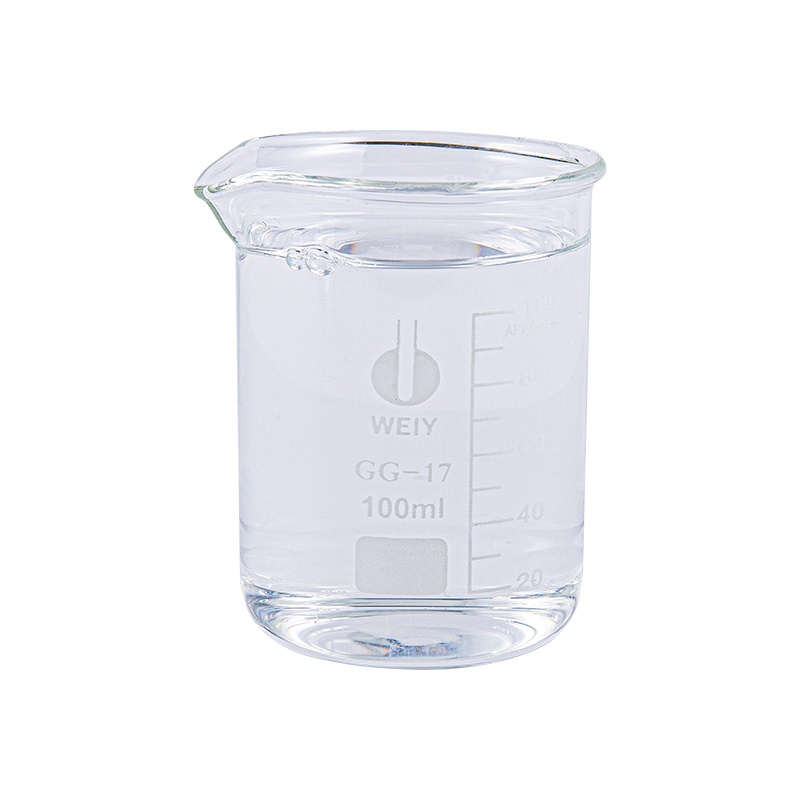
Liquid Lithium Silicate, Model HLLL-1, As an important member of the silicate family, lithium silicate does have a ...
See Details
Products
Sodium Silicate Potassium Silicate Lithium Silicate Sodium Methylsilicate Potassium Methylsilicate Silica Sol Inorganic Coatings And Binders Flooring SystemContact
Add:No. 7 Jiaye Road, Tongxiang City, Zhejiang Province, China Phone:+86-15257095913 Tel: +86-0573-88980238 Mob: +86-0573-88980238 E-mail:[email protected]