
 English
 عربى
عربى Español

 English
 عربى
عربى Español
Sodium silicate(HLNAL-4)
Cat:Sodium Silicate Liquid
Sodium silicate (sodium water glass) model HLNAL-4, as follow the national standard GB/T4209-2008 liquid-4 model pr...
See Details
The industrial coatings and sealants sector continually seeks advanced materials that deliver superior protection with environmental sustainability. Potassium methylsilicate has emerged as a critical component in this landscape, offering unique properties that enhance coating durability, adhesion, and water resistance. This silicate-based compound functions as both a binder and protective agent, creating a molecular framework that bonds with substrate surfaces at the atomic level.
Modern manufacturing facilities require coating systems that withstand harsh environmental conditions including UV exposure, thermal cycling, moisture penetration, and chemical attack. The integration of potassium methylsilicate addresses these demands by providing a protective layer that continues to strengthen over time through a process known as polycondensation.
The effectiveness of potassium methyl silicate derives from its chemical structure and reactivity with substrate materials. Unlike organic polymeric coatings that remain essentially unchanged after application, potassium methylsilicate undergoes a gradual chemical transformation that enhances its protective characteristics.
When applied to mineral substrates such as concrete, masonry, or metal, potassium methylsilicate initiates a condensation reaction. This process involves the gradual release of water molecules as siloxane bonds form between the coating and the substrate surface. The result is a rigid, inorganic ceramic-like layer that becomes increasingly resistant to environmental degradation.
This chemical integration distinguishes potassium methylsilicate from conventional organic coatings. Rather than sitting as a film on the surface, the compound actually becomes part of the substrate's chemical matrix. Industrial operations have documented that coatings enhanced with potassium methylsilicate demonstrate increased durability when subjected to accelerated weathering tests compared to conventional formulations.
Understanding the specific application environments helps determine the optimal formulation and application methodology for potassium methylsilicate systems. Different industrial settings present unique challenges that demand tailored approaches.
Concrete structures face continuous moisture infiltration that leads to reinforcement corrosion and structural degradation. When potassium methylsilicate waterproofing products are applied to concrete surfaces, they penetrate microscopic pores and establish a water-repellent barrier. Industrial case studies have shown that treated concrete surfaces maintain structural integrity for extended periods compared to untreated controls, with measurable reductions in water absorption rates ranging from sixty to eighty percent.
Metal surfaces in industrial environments require protection against corrosion, oxidation, and environmental contamination. Potassium methylsilicate-enhanced coatings create a passivation layer that prevents moisture and oxygen from reaching the metal substrate. This is particularly valuable in offshore installations, chemical processing facilities, and manufacturing environments where metal degradation accelerates operational downtime and maintenance costs.
Restoration professionals utilize potassium methylsilicate because it does not alter the appearance of historical masonry and stone while providing essential water repellency. The compound allows substrates to maintain their original aesthetic character while gaining modern protective benefits.
The performance benefits of potassium methylsilicate depend significantly on correct application methodology. Even superior formulations will underperform if application protocols are not rigorously followed.
Substrate cleanliness directly impacts the bonding efficiency of potassium methylsilicate. Dust, oils, loose debris, and weathered surface layers must be removed before application. Industry standards recommend the following preparation sequence:
Inadequate surface preparation represents one of the most common causes of coating performance deficiency in field applications. Technicians in high-performance coating operations allocate thirty to forty percent of total project time to surface preparation, recognizing that this investment directly determines system longevity.
Temperature, humidity, and substrate moisture content significantly influence polycondensation kinetics and coating formation. Optimal performance typically occurs when ambient temperatures range between fifteen and twenty-five degrees Celsius and relative humidity remains between forty and seventy-five percent. Substrate surface temperature should be at least three degrees Celsius above the dew point to prevent moisture condensation during application and early cure phases.
Unlike organic coatings where thickness provides proportional protective benefits, potassium methylsilicate systems operate according to different principles. Excessive thickness can actually impede the polycondensation process and create stresses within the coating matrix. Industry recommendations typically specify application rates between one hundred and two hundred grams per square meter for optimal performance characteristics.
Post-application environmental conditions substantially affect the development and maturation of potassium methylsilicate coatings.
| Environmental Factor | Optimal Range | Impact on Performance |
|---|---|---|
| Temperature | 15-25°C | Controls polycondensation rate |
| Humidity | 40-75% RH | Enables water release during cure |
| UV Exposure | Intermittent | Strengthens inorganic matrix |
| Moisture Availability | Moderate | Facilitates condensation reactions |
Potassium methylsilicate coatings do not cure through solvent evaporation like conventional organic coatings. Instead, they develop through a gradual chemical transformation that extends over weeks and months. Initial water resistance becomes apparent within seven to fourteen days of application. However, full strength development typically requires sixty to ninety days under normal environmental conditions. Industrial operations that must open treated surfaces to service before complete cure should apply temporary protective measures to prevent mechanical damage or contamination.
As the polycondensation process progresses, the coating becomes progressively more resistant to environmental stresses. Research data from long-term exposure monitoring indicates that potassium methylsilicate-enhanced coatings show continued strengthening even after the first year of service. This distinguishes them from organic coatings that typically reach maximum hardness within two to four weeks and then remain static.
When environmental conditions prevent adequate polycondensation, coatings may not develop expected hardness or water repellency. This typically results from application during periods of very low humidity or extremely high temperature. The solution involves either selecting application windows with appropriate environmental conditions or adjusting substrate moisture content to compensate for dry conditions.
Substrates with varying porosity absorb potassium methylsilicate at different rates, potentially creating uneven coating appearance and inconsistent protection. Pre-wetting the substrate with deionized water creates uniform dampness that moderates absorption rates and improves coating uniformity. This technique, standard in professional masonry restoration, requires careful timing to achieve optimal surface moisture without standing water.
White crystalline deposits sometimes appear on newly treated surfaces as salts migrate through the substrate and crystallize at the surface. This represents a temporary condition that typically resolves within weeks as the coating develops complete water repellency. Gentle brushing can accelerate the removal of efflorescence crystals without compromising coating integrity.
Potassium methylsilicate coatings require minimal maintenance compared to organic alternatives, but strategic upkeep extends service life and maintains visual appearance.
Regular inspections identify emerging issues before they compromise coating performance. Annual inspections should assess surface appearance, water repellency, and signs of mechanical damage or substrate movement. Simple water contact angle testing using deionized water droplets provides quantitative data on coating water repellency condition.
Routine cleaning maintains appearance and removes environmental contaminants that could compromise performance. Gentle pressure washing with low-pressure spray (below two hundred bar) and neutral pH solutions preserves coating integrity. Abrasive cleaning methods or harsh chemical cleaners should be avoided as they may damage the protective layer.
In environments with extreme environmental stress, potassium methylsilicate coatings may eventually require reapplication after fifteen to twenty-five years of service. Determining reapplication timing involves assessing water contact angles, visual condition, and specific performance requirements of the application. Existing coatings do not require complete removal before reapplication; light surface preparation and application of new potassium methylsilicate material creates an enhanced protective layer.
Understanding how potassium methylsilicate compares to other protective systems helps specify the most appropriate solution for specific applications.
Potassium methylsilicate formulations typically contain minimal or zero volatile organic compounds, making them environmentally superior to many organic coating systems. The inorganic nature of the cured coating eliminates emissions and degradation products that characterize organic polymeric systems. This environmental advantage, combined with exceptional longevity, results in reduced lifecycle environmental impact despite potentially higher initial material costs.
Effective potassium methylsilicate water repellent coatings reduce substrate water absorption to levels below five percent by mass, compared to thirty to forty percent for unprotected substrates. Standard testing involves immersing coated samples in deionized water and measuring mass gain at specific time intervals. Performance data from industrial evaluations demonstrates that properly applied coatings maintain water repellency through extended exposure periods.
Bond strength between potassium methylsilicate coatings and substrate materials varies based on substrate type and surface preparation quality. Adhesion testing using standardized pull-off methods typically reports values exceeding two megapascals for properly prepared surfaces. This strength level ensures that mechanical stresses do not cause coating delamination during thermal cycling or substrate movement.
The ceramic-like coating that develops through potassium methylsilicate polycondensation achieves compression strengths comparable to natural stone over extended cure periods. This mechanical property contributes to the coating's ability to resist mechanical damage and environmental stresses that would degrade softer organic coatings.
Successful potassium methylsilicate applications require careful project planning that accounts for extended cure periods. Scheduling should allocate sufficient time for surface preparation, application, and initial curing before surfaces are exposed to operational stresses. Rush schedules that bypass adequate preparation or allow surface use before fifteen-day curing periods typically result in suboptimal performance.
Establishing rigorous quality control procedures ensures consistent performance across all treated surfaces. Key control measures include:
Personnel applying potassium methylsilicate systems require training on proper application techniques, safety procedures, and environmental condition management. Training programs should emphasize the importance of surface preparation, the extended curing timeline, and the unique performance characteristics that distinguish these systems from conventional coatings. Proper safety equipment including protective eyewear and gloves should be employed throughout application and initial curing phases.
The coating industry continues advancing potassium methylsilicate technology through research addressing specific performance limitations and expanding application possibilities.
Researchers have developed specialized additives that accelerate polycondensation rates, enabling faster cure times while maintaining performance characteristics. These innovations reduce project timelines without compromising the long-term durability that makes potassium methylsilicate systems attractive for demanding applications.
While potassium methylsilicate coatings are primarily clear or translucent, emerging formulations incorporate mineral pigments that provide aesthetic variation without sacrificing water repellency or environmental resistance. This development expands market applications to situations where visual appearance must complement functional requirements.
Experimental formulations incorporate indicators that visually demonstrate coating health and water repellency status. These smart coating systems enable facility managers to assess coating condition without performing invasive testing procedures.
Initial water repellency develops within seven to fourteen days of application under normal environmental conditions. However, maximum performance characteristics typically emerge after sixty to ninety days as polycondensation reactions progress. In cold or low-humidity environments, full development may extend to one hundred twenty days. This extended development period distinguishes potassium methylsilicate from rapid-curing organic coatings and requires project planning that accommodates delayed service exposure.
Direct application over conventional organic coatings typically fails because potassium methylsilicate cannot establish adequate adhesion to organic surfaces. The compound requires contact with mineral substrates to initiate the polycondensation process. If existing organic coatings are present, they must be completely removed before potassium methylsilicate application. Light surface preparation and cleaning may suffice for previous potassium methylsilicate applications that have cured completely.
Potassium methylsilicate performs optimally on mineral substrates including concrete, masonry, stone, brick, and cementitious materials. Metals can be treated with appropriate surface preparation and primers. The compound performs poorly on plastics, rubber, and other non-mineral materials that lack reactive surface chemistry necessary for polycondensation bonding.
Humidity influences polycondensation reactions by providing the water necessary for controlled chemical transformation. Extremely low humidity below thirty percent inhibits cure progression and may prevent complete strength development. Conversely, high humidity above eighty-five percent can trap water within the coating and create stresses. The optimal humidity range between forty and seventy-five percent provides sufficient moisture for proper reactions while preventing excessive water retention.
Once potassium methylsilicate coatings achieve full cure and develop complete water repellency, adhesion of conventional organic coatings becomes problematic. The water-repellent surface prevents adhesion of water-based or solvent-based organic coatings. If aesthetic changes are desired after curing, high-adhesion primers specifically formulated for mineral surfaces should be applied before topcoat layers.
Annual visual inspections and gentle cleaning with low-pressure water maintain appearance and identify emerging issues. Water contact angle testing provides objective assessment of coating water repellency condition. Coatings should not be subjected to high-pressure washing or abrasive cleaning that might damage the protective layer. Strategic reapplication after fifteen to twenty-five years of service extends protection in demanding environments.
Potassium methylsilicate coatings resist degradation from most environmental pollutants including ozone, acid rain, industrial contaminants, and salt spray. The inorganic composition prevents oxidation and chemical breakdown that characterize organic coating degradation. However, aggressive pollutants including strong alkalis may affect coating appearance over extended periods without substantially compromising water repellency or protective functions.
While initial material costs may be higher than conventional coatings, lifecycle cost analysis typically favors potassium methylsilicate due to exceptional durability and minimal maintenance requirements. The twenty-five to thirty year service life compared to ten to fifteen years for organic systems reduces replacement frequency and associated labor costs. Environmental compliance advantages and reduced reapplication waste further improve the economic case for potassium methylsilicate systems in long-term applications.
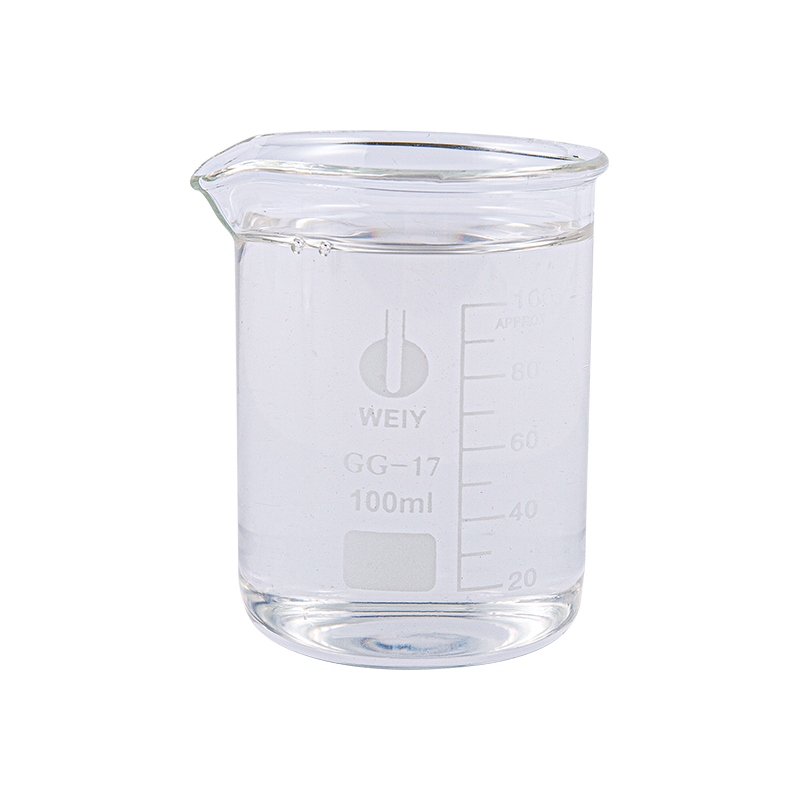
Sodium silicate (sodium water glass) model HLNAL-4, as follow the national standard GB/T4209-2008 liquid-4 model pr...
See Details
Sodium silicate (sodium water glass) model HLNAL-5, as a super high modulus (3.8-4.0) product produced beyond the n...
See Details
Sodium silicate (sodium water glass) model HLNAL-6, as beyond the national standard GB/T4209-2008 standard producti...
See Details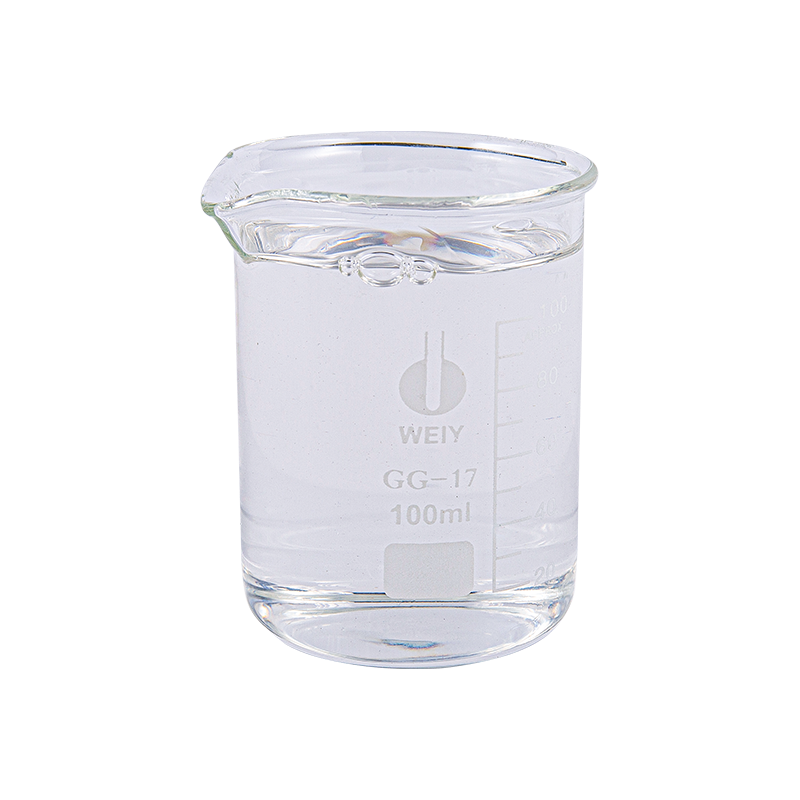
Liquid Potassium Silicate, Model HLKL-3 (Modulus 3.1-3.4), Potassium silicate solution has better appearance and tr...
See Details
Liquid Potassium Silicate, Model HLKL-5 (Modulus 4.8-5.0), this product is a customized product with ultra-high mod...
See Details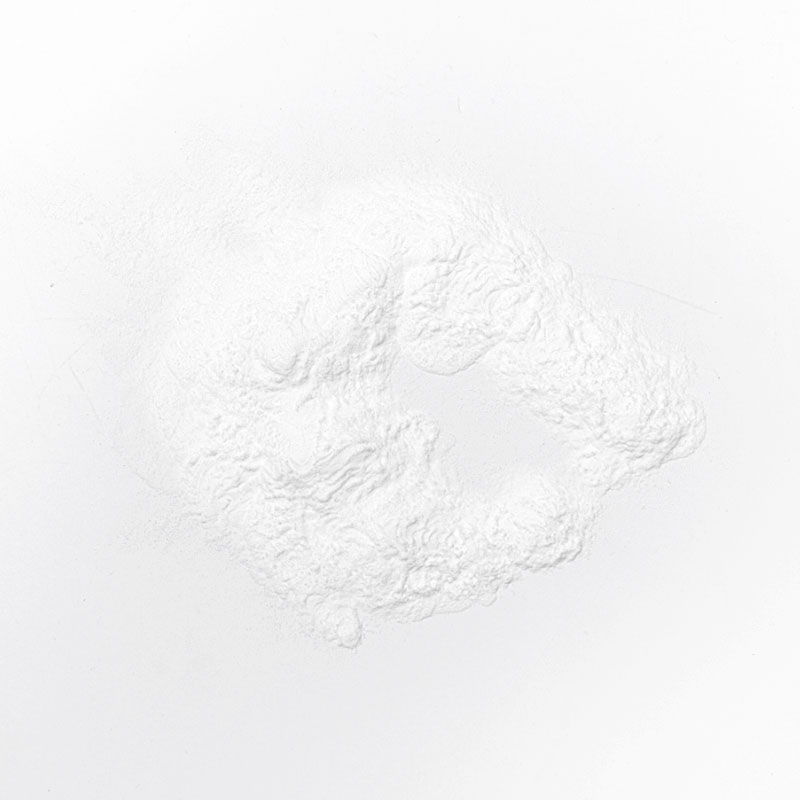
Powdered Potassium Silicate (Model HLKP-1 Mode 2.4±0.1) is a product made of liquid potassium silicate by drying an...
See Details
Products
Sodium Silicate Potassium Silicate Lithium Silicate Sodium Methylsilicate Potassium Methylsilicate Silica Sol Inorganic Coatings And Binders Flooring SystemContact
Add:No. 7 Jiaye Road, Tongxiang City, Zhejiang Province, China Phone:+86-15257095913 Tel: +86-0573-88980238 Mob: +86-0573-88980238 E-mail:[email protected]