
 English
 عربى
عربى Español

 English
 عربى
عربى Español
Sodium silicate(HLNAL-2)
Cat:Sodium Silicate Liquid
Sodium silicate (sodium water glass) model HLNAL-2, as follow the national standard GB/T4209-2008 liquid-2 model pr...
See Details
Sodium silicate powder is one of those raw materials that quietly shows up across a dozen industries at once — cement, foundry sand, detergent bases, paper pulp, water treatment. Its value comes from a simple chemistry trick: dissolve it in water and it forms an alkaline silicate solution that bonds, stabilizes, or protects almost anything it touches. Choosing the wrong grade, though, means inconsistent dissolution, weak bonding, or a formulation that fails in the field. This guide covers what the powder actually is, how it performs, and what to check before locking in a supplier.
A crisp working definition: sodium silicate powder is a dried, soluble silicate compound combining sodium oxide (Na2O) and silicon dioxide (SiO2), engineered to a specific ratio for controlled dissolution and bonding strength.
The powder is produced by reacting silica-bearing material with a sodium-based compound under controlled heat, then cooling, grinding, and classifying the result into a fine white powder. What separates one grade from another is the SiO2-to-Na2O ratio, known as the modulus, which determines how the material dissolves, how alkaline the resulting solution is, and how strong the eventual bond becomes.
Once dissolved, sodium silicate ions react with the surrounding material to build an inorganic bonded structure as the mixture dries or cures. In a foundry mold this means a rigid sand shell. In a cement blend it means improved compressive strength and chemical resistance. In a detergent formulation it means controlled alkalinity that boosts cleaning performance without damaging surfaces.
Six industries account for most global demand, each drawing on a different side of the same chemistry.
Before comparing suppliers, get clarity on the numbers that actually govern how the material behaves in your process.
| Parameter | Why It Matters |
| SiO2 / Na2O Modulus | Controls dissolution speed and bond strength |
| Purity Level | Affects consistency across production batches |
| Moisture Content | Impacts storage stability and shelf life |
| Particle Size | Determines dissolution rate in water |
| Solubility Rate | Governs processing time and mixing efficiency |
Chemical specifications only tell half the story. Manufacturing consistency and support capability determine whether a supplier can hold that spec batch after batch.
It sets the balance between silica and sodium oxide, which directly governs how fast the powder dissolves and how strong the resulting bond becomes once cured.
Yes, powder ships without the weight and temperature-control requirements liquid silicate needs, which lowers freight cost and storage complexity.
It does. Its heat-resistant properties make it a common choice for foundry core binders and fireproofing formulations that need to hold strength under heat.
Reliable manufacturers test SiO2 and Na2O content, modulus, purity, and dissolution performance on every production run before packaging.
Working with a manufacturer that can hold tight modulus control and consistent purity turns sodium silicate powder from a generic commodity input into a dependable, formulation-specific raw material.
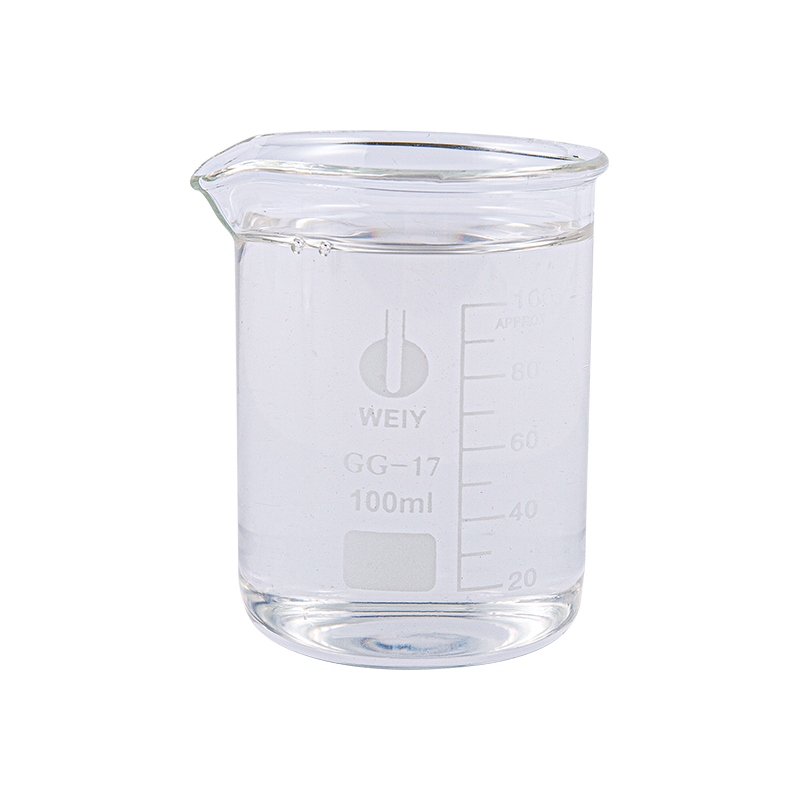
Sodium silicate (sodium water glass) model HLNAL-2, as follow the national standard GB/T4209-2008 liquid-2 model pr...
See Details
Sodium silicate (sodium water glass) model HLNAL-3, as follow the national standard GB/T4209-2008 liquid-3 model pr...
See Details
Sodium silicate (sodium water glass) model HLNAL-4, as follow the national standard GB/T4209-2008 liquid-4 model pr...
See Details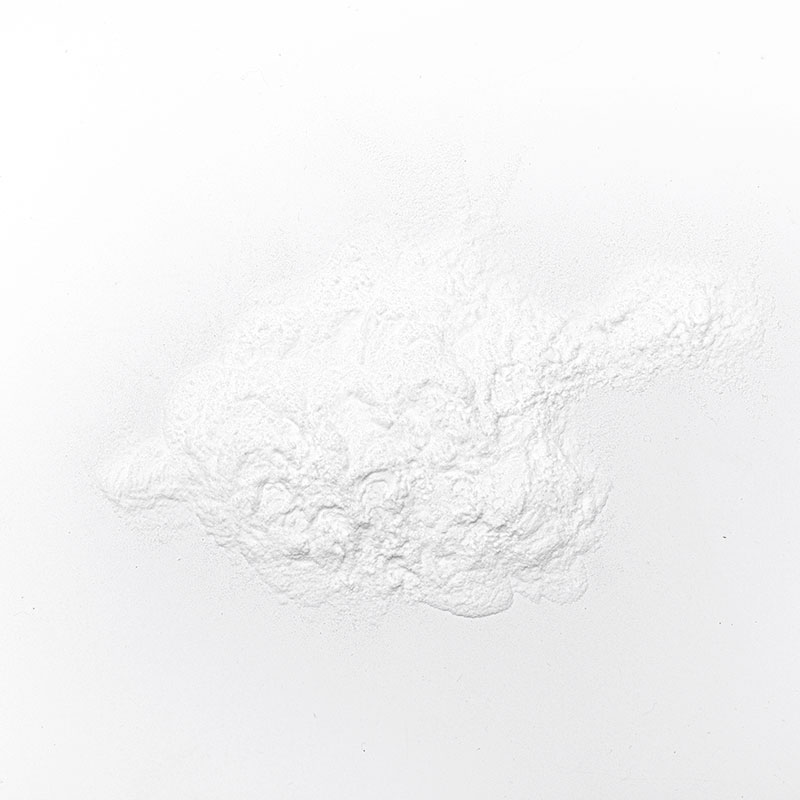
Powdered sodium silicate (model HLNAP-1 modulus 2.0±0.1) is a product made of liquid water glass by drying and spra...
See Details
Powdered sodium silicate (model HLNAP-3 modulus 2.9±0.1) is a product made of liquid water glass by drying and spra...
See Details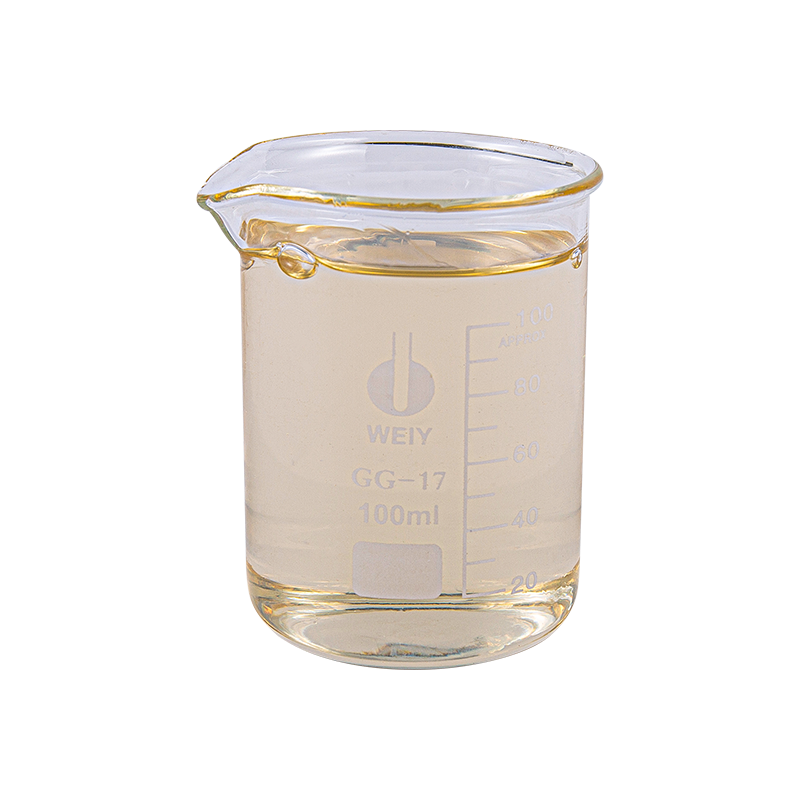
Sodium methyl silicate (model HLKNAL), this product is an organosilicon waterproofing agent, the active ingredient ...
See Details
Products
Sodium Silicate Potassium Silicate Lithium Silicate Sodium Methylsilicate Potassium Methylsilicate Silica Sol Inorganic Coatings And Binders Flooring SystemContact
Add:No. 7 Jiaye Road, Tongxiang City, Zhejiang Province, China Phone:+86-15257095913 Tel: +86-0573-88980238 Mob: +86-0573-88980238 E-mail:[email protected]