
 English
 عربى
عربى Español

 English
 عربى
عربى Español
Sodium silicate(HLNAL-3)
Cat:Sodium Silicate Liquid
Sodium silicate (sodium water glass) model HLNAL-3, as follow the national standard GB/T4209-2008 liquid-3 model pr...
See Details
Anyone formulating powder detergents, dishwashing tablets, or industrial cleaning concentrates eventually runs into one compound that keeps showing up across very different product categories: sodium silicate. It is not a single fixed substance but a family of compounds built from sodium oxide and silicon dioxide combined in varying ratios. Depending on that ratio, the material can behave as a builder, a corrosion inhibitor, a binder, or a structural agent inside a finished detergent.
In practical terms, formulators care less about the raw chemistry and more about what the compound does inside the wash. It adjusts alkalinity, helps keep dirt particles suspended once they are removed from a surface, and protects metal parts inside washing equipment from pitting and corrosion. Those three functions alone explain why the material appears in laundry powders, automatic dishwashing products, and many industrial degreasing formulas.
Quick definition: sodium silicate is a soluble compound of sodium oxide and silica, supplied either as a liquid solution or as a solid that dissolves in water. The ratio between the two oxides determines viscosity, alkalinity, and how the material performs once it is diluted into a wash liquor.
Water glass is the common name given to the liquid form of sodium silicate. The term dates back to a period when the material was valued for forming a glassy, transparent film once water evaporated from a coated surface. Today the name is used loosely across several industries, but in the context of cleaning chemistry it almost always refers to a viscous, alkaline liquid sold at a defined solids concentration.
Three properties define a given batch of water glass, and each one has a direct effect on detergent performance:
Lower-ratio grades are more alkaline and dissolve faster, which suits detergent builders that need to raise pH quickly. Higher-ratio grades are less alkaline and form firmer films, which is why they are favored in binder and coating applications rather than in wash formulas.
Industrial production follows one of two established routes. The first, and by far the most common for detergent-grade material, fuses silica sand with sodium carbonate at high temperature to produce a solid glass, which is then dissolved under pressure to yield a liquid solution. The second route reacts silica directly with sodium hydroxide in solution, skipping the furnace step entirely and producing a liquid product with tighter control over ratio and purity.
After dissolving, the liquid passes through filtration to remove unreacted particles, then is graded by density and ratio into the specific product lines that detergent manufacturers purchase. Some of that liquid is spray-dried into powder or crystal form, which is the basis for sodium metasilicate used in solid detergent formulas and dishwasher tablets.
Inside a wash formula, sodium silicate rarely acts alone. It works alongside surfactants, enzymes, and other builders, but it carries a set of jobs that few other single ingredients can replace as economically.
| Function | How It Works | Typical Product Type |
|---|---|---|
| Alkalinity builder | Raises wash liquor pH to improve grease and fatty soil removal | Laundry powder, industrial degreaser |
| Anti-corrosion barrier | Forms a thin protective film on aluminum and steel machine parts | Automatic dishwashing detergent |
| Soil anti-redeposition | Keeps removed particles suspended so they do not settle back onto fabric | Laundry powder |
| Structural binder | Helps hold powder or tablet particles together during compaction | Detergent tablets, powder granules |
| Buffering agent | Stabilizes pH across the wash cycle as soils and hardness ions are introduced | Hard surface cleaners |
The corrosion-inhibiting role deserves particular attention because it is often the deciding factor for automatic dishwashing formulas. Machine-washing exposes aluminum cookware and stainless components to repeated alkaline exposure, and without a silicate barrier, pitting and discoloration develop within weeks of regular use. A properly dosed sodium silicate solution interrupts that corrosion pathway by depositing a protective layer on exposed metal surfaces during each cycle.
Cost-effective alkalinity
Delivers pH adjustment at lower cost per unit of alkalinity compared with several alternative builders.
Water softening support
Contributes to sequestering hardness ions, reducing scale buildup on heating elements.
Process compatibility
Blends readily with common surfactant systems without destabilizing the finished formula.
Storage stability
Maintains consistent viscosity and pH over typical shelf-life periods when stored correctly.
These advantages are why the material has remained a standard builder for decades even as detergent chemistry has otherwise moved toward more concentrated, enzyme-driven formulas. Its low cost relative to the alkalinity and protection it provides keeps it economically difficult to fully replace, particularly in high-volume industrial and institutional cleaning products.
Not every silicate grade suits every formula. Detergent chemists typically choose between sodium metasilicate and lower or higher ratio soluble silicate grades depending on the required balance between alkalinity and film-forming behavior.
| Grade | Ratio Range | Alkalinity | Best Fit |
|---|---|---|---|
| Sodium metasilicate | Approximately 1.0 | High | Powder detergent, degreasers |
| Neutral soluble silicate | 2.0 to 2.5 | Moderate | Dishwashing tablets, balanced builders |
| High-ratio silicate | 3.0 and above | Low | Coatings, binders, non-wash uses |
Metasilicate grades are usually supplied as anhydrous or hydrated crystals rather than liquid, which makes them easier to incorporate into powder blends and compressed tablets. Liquid grades remain the standard choice wherever a formula is mixed and dosed in liquid form, such as industrial cleaning concentrates.
Sodium silicate is classed as an alkaline irritant rather than a toxic hazard. Concentrated solutions can irritate skin and eyes on direct contact, and the dust from solid grades can irritate the respiratory tract if inhaled in quantity, but the compound does not accumulate in the body and breaks down into naturally occurring silica and sodium compounds. This profile is one reason it remains acceptable in household and institutional cleaning products where consumer contact is expected.
Standard handling precautions for concentrated liquid grades include gloves, eye protection, and adequate ventilation during transfer and dosing. Once diluted to the concentrations used in finished detergents, the irritation risk drops substantially.
Regulatory bodies in most regions classify it as generally recognized for use in household cleaning products at formulated concentrations, though safety data sheets should always be consulted for the specific grade and concentration being handled at an industrial scale.
Formulators working with an industrial sodium silicate supplier typically evaluate three things before committing to a batch: consistency of ratio between shipments, filtration quality that avoids sediment in the finished liquid, and the technical support available for adjusting dosage across different wash chemistries. A sodium silicate manufacturer with in-house quality control tends to deliver tighter ratio tolerances than a trading intermediary, which matters most for formulas running close to a corrosion-protection threshold.
Buyers sourcing at volume also look at logistics. A sodium silicate factory located closer to the point of use reduces transport cost for a material that is largely water by weight, and a reliable bulk sodium silicate supplier should be able to provide certificates of analysis for each batch covering ratio, density, and iron content, since iron impurities can discolor light-colored detergent formulas.
It is worth noting that soluble silicates are not limited to detergent chemistry. The same base chemistry, at different ratios and concentrations, is also supplied as sodium silicate for concrete hardener applications, where it densifies and dust-proofs concrete surfaces. This shared supply chain is one reason silicate producers often serve both construction and cleaning product industries from the same production lines.
It is a soluble compound made from sodium oxide and silicon dioxide, supplied as either a liquid solution or a solid powder, used across cleaning, construction, and industrial applications for its alkalinity and binding properties.
Water glass is the common name for the liquid form of sodium silicate, valued historically and industrially for the glassy film it forms once water evaporates from a treated surface.
It is produced either by fusing silica sand with soda ash at high temperature and then dissolving the resulting glass under pressure, or by reacting silica directly with sodium hydroxide in solution.
In detergents it functions as an alkalinity builder, corrosion inhibitor for washing machine metal parts, soil anti-redeposition agent, and structural binder in powders and tablets.
At the concentrations used in finished household and institutional cleaning products, it is considered safe for normal use, though concentrated raw material requires standard protective handling.
It is not classified as a toxic substance. It can cause irritation on direct contact with concentrated forms, but it does not accumulate in the body and breaks down into naturally occurring components.
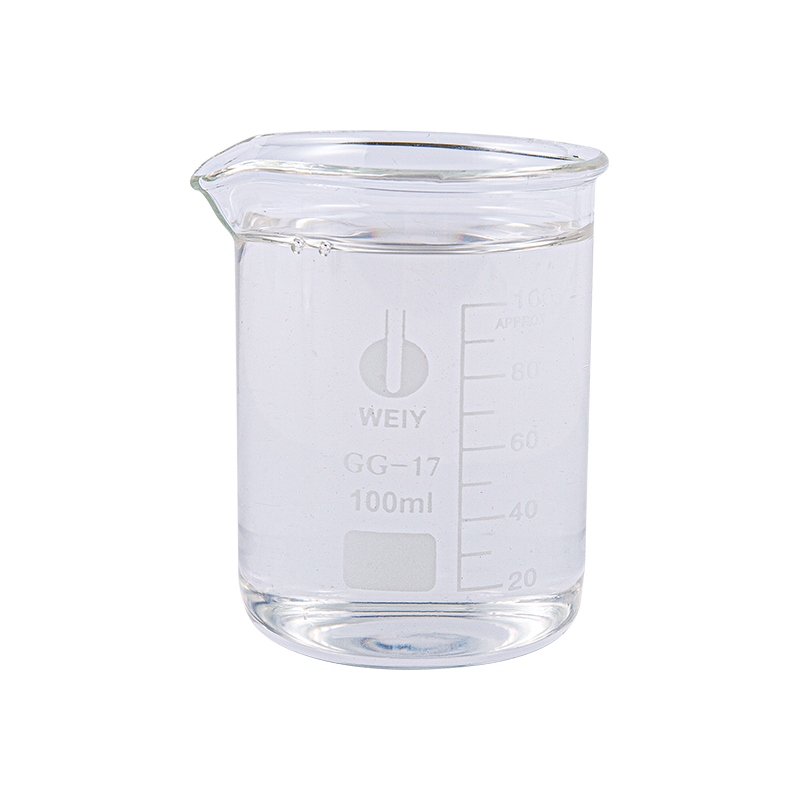
Sodium silicate (sodium water glass) model HLNAL-3, as follow the national standard GB/T4209-2008 liquid-3 model pr...
See Details
Sodium silicate (sodium water glass) model HLNAL-4, as follow the national standard GB/T4209-2008 liquid-4 model pr...
See Details
Sodium silicate (sodium water glass) model HLNAL-5, as a super high modulus (3.8-4.0) product produced beyond the n...
See Details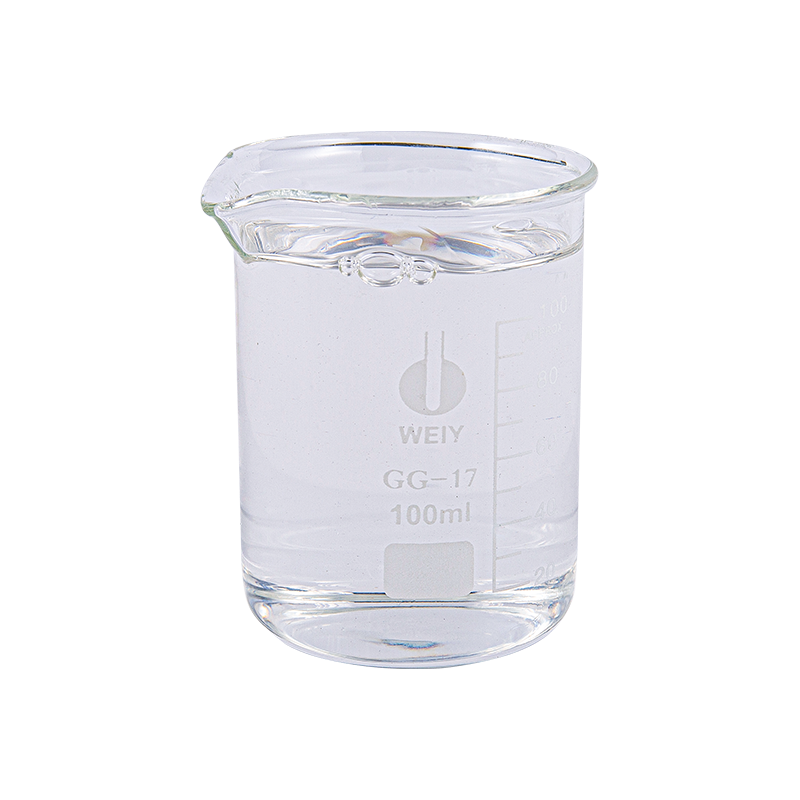
Liquid Potassium Silicate, Model HLKL-3 (Modulus 3.1-3.4), Potassium silicate solution has better appearance and tr...
See Details
Liquid Potassium Silicate, Model HLKL-5 (Modulus 4.8-5.0), this product is a customized product with ultra-high mod...
See Details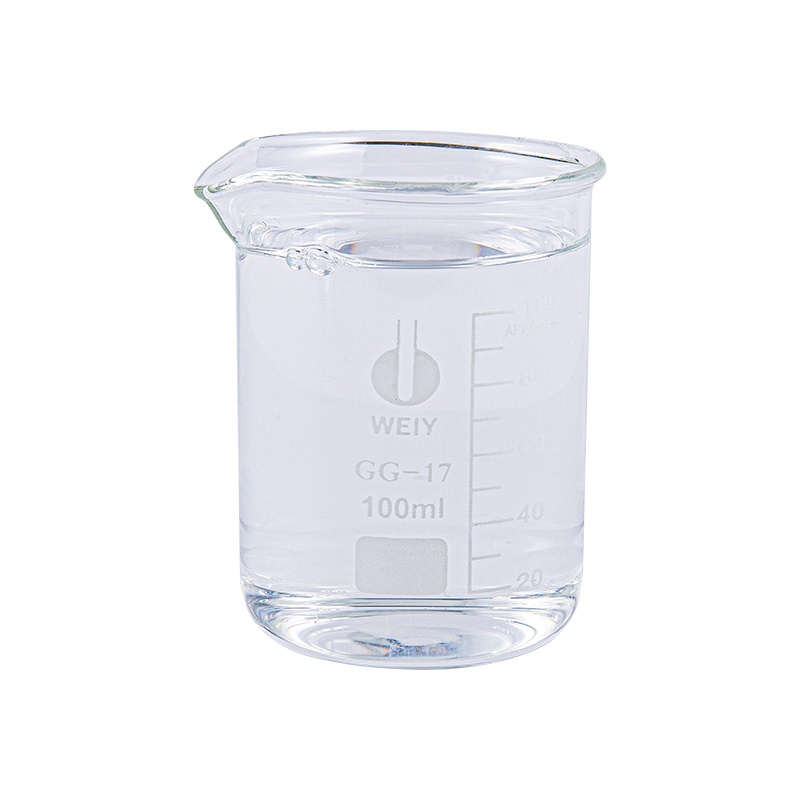
Liquid Lithium Silicate, Model HLLL-1, As an important member of the silicate family, lithium silicate does have a ...
See Details
Products
Sodium Silicate Potassium Silicate Lithium Silicate Sodium Methylsilicate Potassium Methylsilicate Silica Sol Inorganic Coatings And Binders Flooring SystemContact
Add:No. 7 Jiaye Road, Tongxiang City, Zhejiang Province, China Phone:+86-15257095913 Tel: +86-0573-88980238 Mob: +86-0573-88980238 E-mail:[email protected]