
 English
 عربى
عربى Español

 English
 عربى
عربى Español
Sodium silicate(HLNAL-4)
Cat:Sodium Silicate Liquid
Sodium silicate (sodium water glass) model HLNAL-4, as follow the national standard GB/T4209-2008 liquid-4 model pr...
See Details
Manufacturing powder potassium silicate starts with molten silicate glass and ends with a dry, water-soluble binder engineered for tight ratios of silicon dioxide to potassium oxide. The process determines whether the finished powder dissolves cleanly, bonds reliably under heat, and holds a consistent formulation batch after batch.
Powder potassium silicate is a dry alkaline silicate composed primarily of potassium oxide and silicon dioxide, produced by converting molten or liquid silicate into a stable solid form through controlled drying. It functions as an inorganic binder, offering high-temperature stability, strong adhesion, and clean water solubility for reformulation on demand.
The material's performance is governed by its silica-to-potassium ratio, moisture content, and particle size. Adjusting these three variables allows manufacturers to tune bonding strength, dissolution speed, and thermal tolerance for a specific end use.
Forms stable inorganic bonds across mineral and metal substrates.
Retains structural integrity under sustained high-temperature exposure.
Resists degradation across a wide range of environmental conditions.
Dissolves cleanly for on-site mixing into liquid formulations.
Producing powder potassium silicate requires five controlled stages, moving raw silica and potassium compounds through a high-temperature reaction before drying them into a stable powder.
Potassium compounds and silica are first proportioned and blended into a homogeneous mixture. This charge is melted at high temperature to form a fused silicate glass, which is then cooled and solidified into a solid block. The block is dried, crushed, and sized to the target particle range before quality inspection and moisture-protected packaging.
Powder and liquid potassium silicate serve the same chemical function but differ significantly in storage, transport, and application flexibility.
A well-controlled SiO2/K2O ratio is the single factor most likely to determine whether powder potassium silicate performs consistently across refractory, coating, and welding electrode formulations.
The material appears across construction, refractory, welding, coatings, ceramics, and agricultural formulations, wherever an inorganic binder needs to hold up under heat or chemical exposure.
Buyers should confirm the silica-to-potassium ratio, purity level, particle size distribution, and moisture content against their target application before ordering. Equally important is confirming that a manufacturer can hold consistent quality control across production batches and support custom formulation requests for specific bonding strength or thermal resistance requirements.
Most industrial-grade material falls between a 2.0 and 3.3 ratio, with the exact figure adjusted depending on whether the application prioritizes bonding strength or dissolution speed.
Properly sealed and kept dry, the powder form maintains stable performance for extended periods, since its low moisture content prevents the premature hydration that limits liquid silicate shelf life.
It dissolves more efficiently in warm water, though formulation-grade material is typically engineered for controlled dissolution rates matched to specific mixing equipment.
Refractory manufacturing, welding electrode production, and mineral coatings account for the largest share of industrial demand, given the material's heat resistance and strong inorganic bonding.
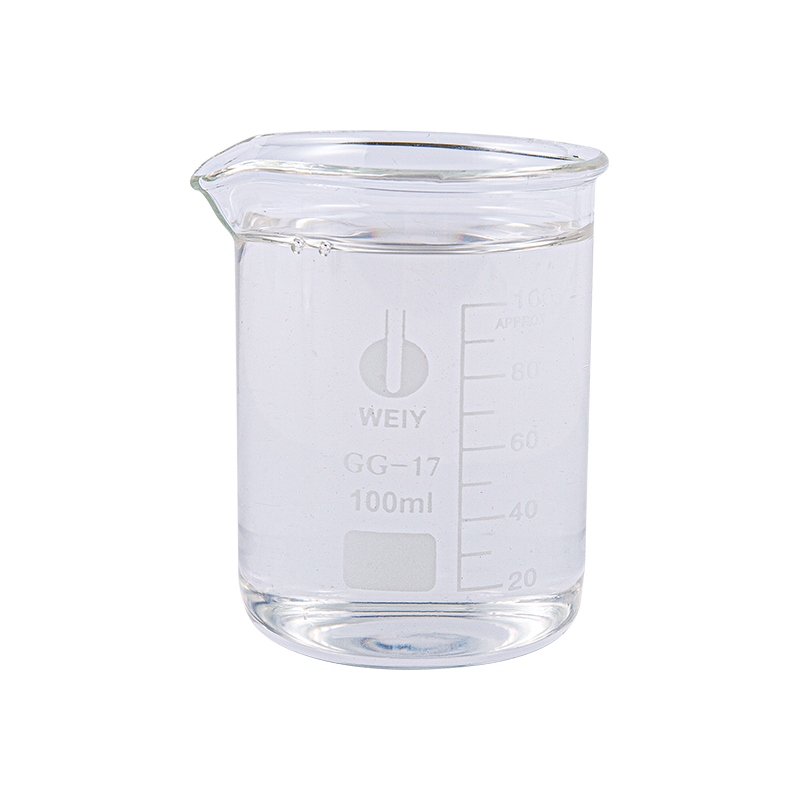
Sodium silicate (sodium water glass) model HLNAL-4, as follow the national standard GB/T4209-2008 liquid-4 model pr...
See Details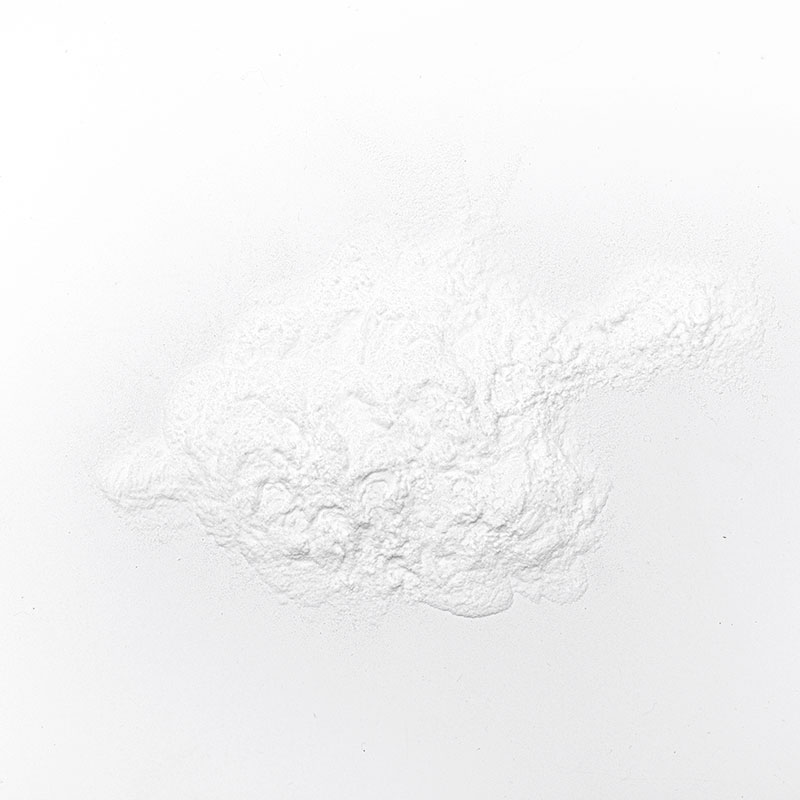
Powdered sodium silicate (model HLNAP-2 modulus 2.4±0.1) is a product made of liquid water glass by drying and spra...
See Details
Powdered sodium silicate (model HLNAP-4 modulus 3.4±0.1) is a product made of liquid water glass by drying and spra...
See Details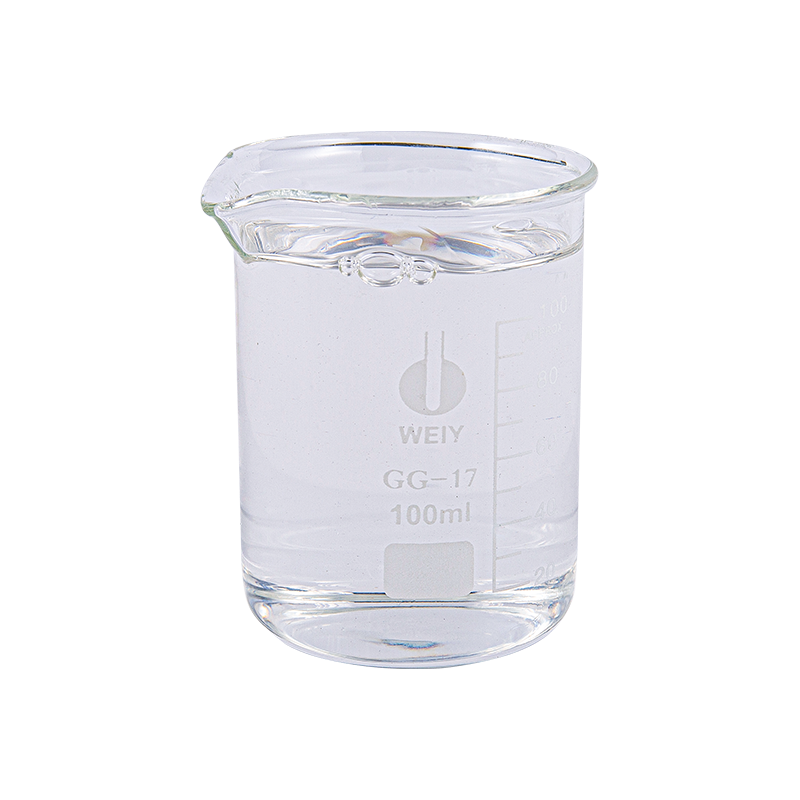
Liquid Potassium Silicate, Model HLKL-3 (Modulus 3.1-3.4), Potassium silicate solution has better appearance and tr...
See Details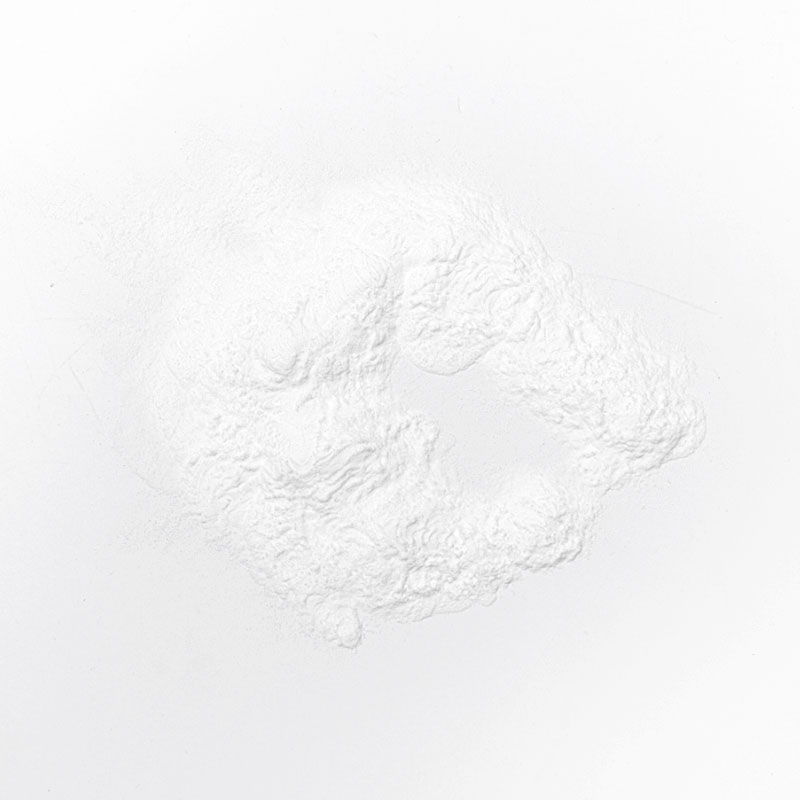
Powdered Potassium Silicate (Model HLKP-2 Modulus 3.3±0.1) is a product made of liquid potassium silicate by drying...
See Details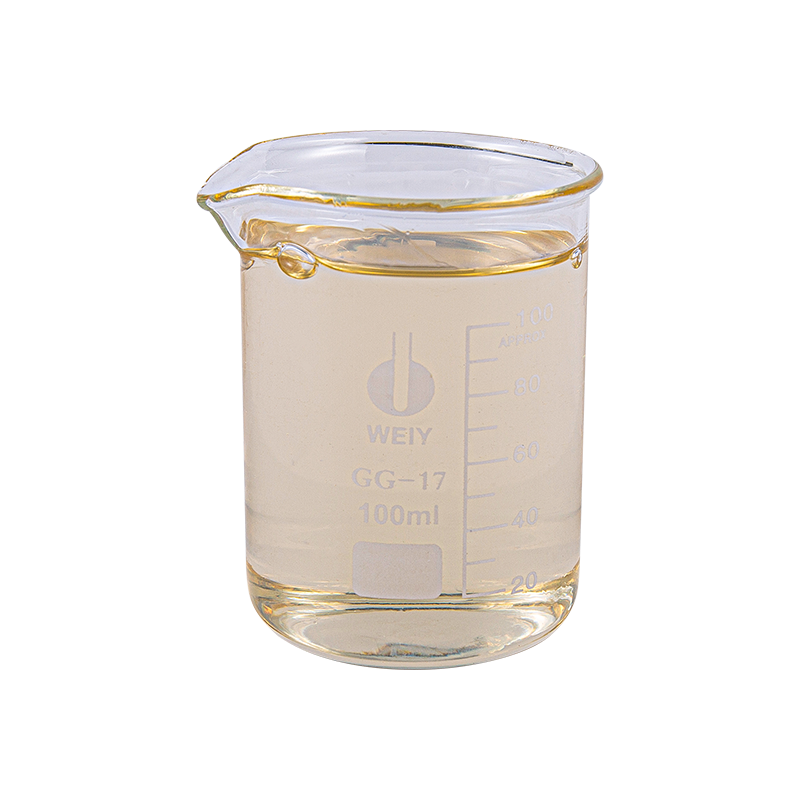
Sodium methyl silicate (model HLKNAL), this product is an organosilicon waterproofing agent, the active ingredient ...
See Details
Products
Sodium Silicate Potassium Silicate Lithium Silicate Sodium Methylsilicate Potassium Methylsilicate Silica Sol Inorganic Coatings And Binders Flooring SystemContact
Add:No. 7 Jiaye Road, Tongxiang City, Zhejiang Province, China Phone:+86-15257095913 Tel: +86-0573-88980238 Mob: +86-0573-88980238 E-mail:[email protected]