
 English
 عربى
عربى Español

 English
 عربى
عربى Español
Sodium silicate(HLNAL-1)
Cat:Sodium Silicate Liquid
Sodium silicate (sodium water glass) model HLNAL-1, as follow the national standard GB/T4209-2008 liquid-1 model pr...
See Details
Sodium silicate, often referred to as water glass, is a compound that plays a pivotal role in enhancing the durability of building materials. Its unique chemical properties make it an ideal additive for a wide range of construction applications.
Sodium silicate is a chemical compound composed of sodium oxide (Na₂O) and silica (SiO₂) in varying ratios. It is often used as a binder in the construction industry, particularly in cement and concrete formulations. When mixed with water, sodium silicate forms a gel-like substance that can significantly improve the structural integrity of materials. This section will explain its composition and basic properties.
Sodium silicate plays several key roles in building materials, contributing to their durability in the following ways:
Strengthening Concrete and Cement
Sodium silicate acts as a binder that enhances the strength of concrete and cement by promoting a denser, more compact structure. It reacts with calcium hydroxide (CH) in cement to form calcium silicate hydrate (C-S-H), which is the primary binding agent responsible for concrete’s strength.
Reducing Permeability
One of the most significant benefits of sodium silicate is its ability to reduce the permeability of concrete and other materials. By forming a dense network of silica chains, sodium silicate makes the material more resistant to water infiltration, helping to prevent damage from freeze-thaw cycles and moisture exposure.
Improving Chemical Resistance
Sodium silicate enhances the chemical resistance of building materials by providing a protective layer that resists acidic and basic environments. This is particularly useful in structures exposed to aggressive chemicals, such as those in industrial or marine environments.
Sodium silicate is used in various ways to enhance the performance of building materials. Below are some common applications:
| Application Area | Function of Sodium Silicate |
|---|---|
| Concrete Additives | Improves bonding and strength while reducing porosity |
| Waterproofing | Creates a barrier against water penetration |
| Cement Modifications | Enhances durability and sets faster |
| Fireproofing Materials | Increases fire resistance by improving thermal stability |
Increased Durability
Materials treated with sodium silicate have a longer service life due to the reduction in water absorption and the formation of a more robust chemical structure.
Cost Efficiency
Adding sodium silicate to cement or concrete mixtures is a cost-effective way to enhance material properties without the need for expensive additives.
Environmental Benefits
Sodium silicate is a more eco-friendly alternative to some other chemicals used in construction. Its natural composition and non-toxic nature make it a preferred choice for sustainable building practices.
Despite its numerous advantages, sodium silicate must be used carefully in construction. It can cause issues in certain environments, such as when mixed with incompatible materials. Additionally, the presence of excessive amounts can lead to brittleness, particularly in areas exposed to high stress.
When sodium silicate is incorporated into building materials, it can improve their long-term performance by preventing the breakdown of the material structure over time. It plays a crucial role in preventing the formation of cracks and leaks in concrete by reinforcing the material from within.
1. What is the primary function of sodium silicate in cement?
Sodium silicate enhances the binding strength of cement by reacting with calcium hydroxide to form calcium silicate hydrate (C-S-H), improving its overall strength.
2. Can sodium silicate prevent corrosion in concrete?
Yes, it reduces permeability, which helps prevent the ingress of harmful substances such as chlorides, which are a major cause of corrosion in reinforced concrete.
3. How does sodium silicate improve water resistance in building materials?
By filling the pores and forming a gel-like structure, sodium silicate reduces the ability of water to permeate concrete, making it more resistant to moisture and freeze-thaw damage.
4. Is sodium silicate environmentally friendly?
Yes, sodium silicate is an eco-friendly additive. It is non-toxic, and its natural composition makes it a more sustainable option compared to other chemical alternatives.
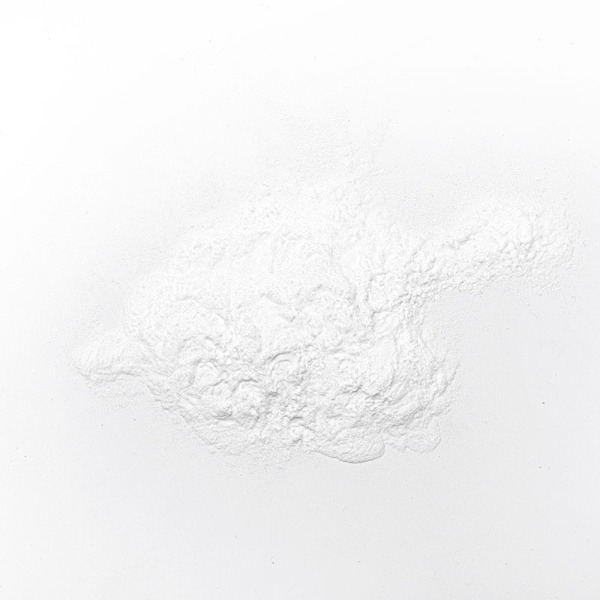
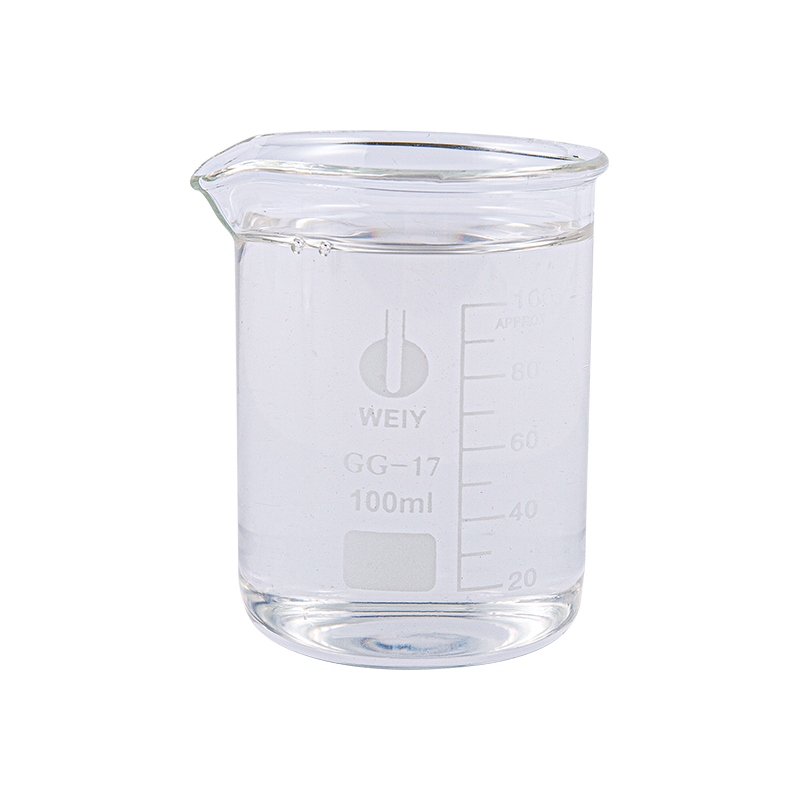
Sodium silicate (sodium water glass) model HLNAL-1, as follow the national standard GB/T4209-2008 liquid-1 model pr...
See Details
Sodium silicate (sodium water glass) model HLNAL-5, as a super high modulus (3.8-4.0) product produced beyond the n...
See Details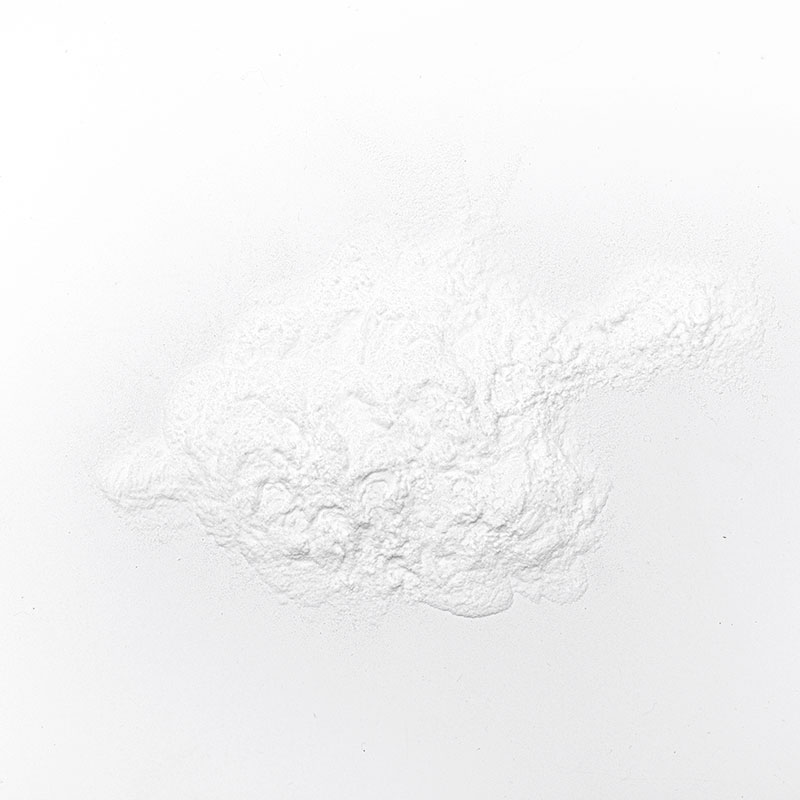
Powdered sodium silicate (model HLNAP-3 modulus 2.9±0.1) is a product made of liquid water glass by drying and spra...
See Details
Powdered sodium silicate (model HLNAP-4 modulus 3.4±0.1) is a product made of liquid water glass by drying and spra...
See Details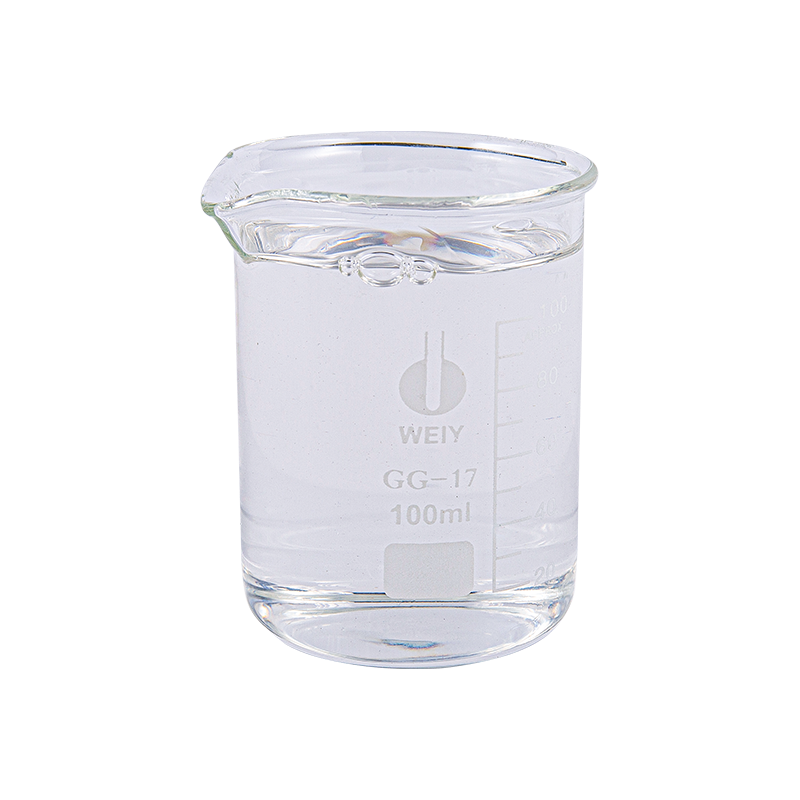
Liquid potassium silicate, model HLKL-4 (modulus 3.6-3.8), potassium silicate solution has better appearance and tr...
See Details
Powdered Potassium Silicate (Model HLKP-2 Modulus 3.3±0.1) is a product made of liquid potassium silicate by drying...
See Details
Products
Sodium Silicate Potassium Silicate Lithium Silicate Sodium Methylsilicate Potassium Methylsilicate Silica Sol Inorganic Coatings And Binders Flooring SystemContact
Add:No. 7 Jiaye Road, Tongxiang City, Zhejiang Province, China Phone:+86-15257095913 Tel: +86-0573-88980238 Mob: +86-0573-88980238 E-mail:[email protected]