
 English
 عربى
عربى Español

 English
 عربى
عربى Español
Sodium silicate(HLNAL-2)
Cat:Sodium Silicate Liquid
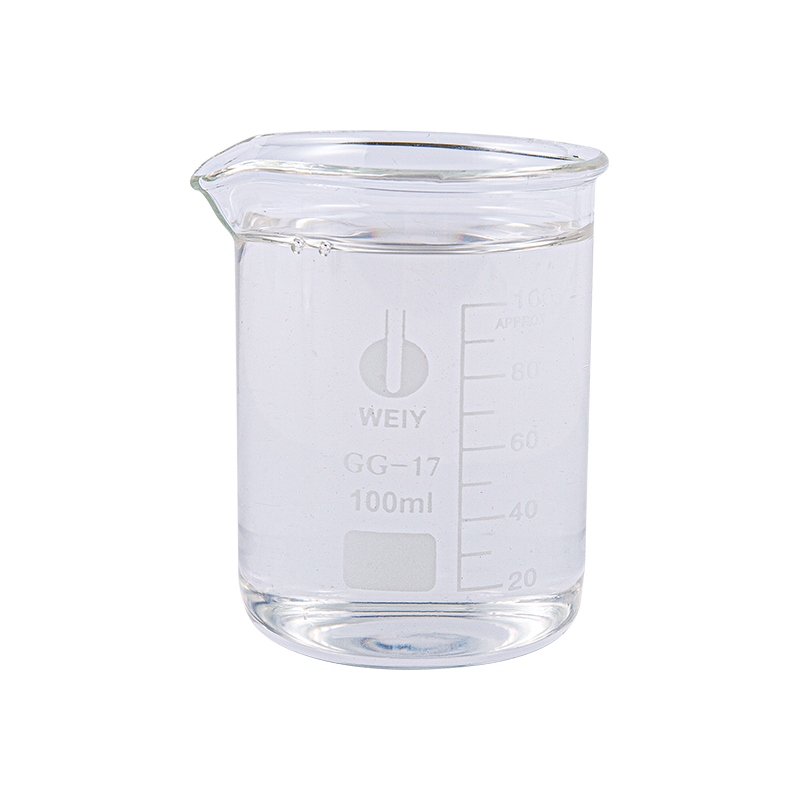
Sodium silicate (sodium water glass) model HLNAL-2, as follow the national standard GB/T4209-2008 liquid-2 model pr...
See Details
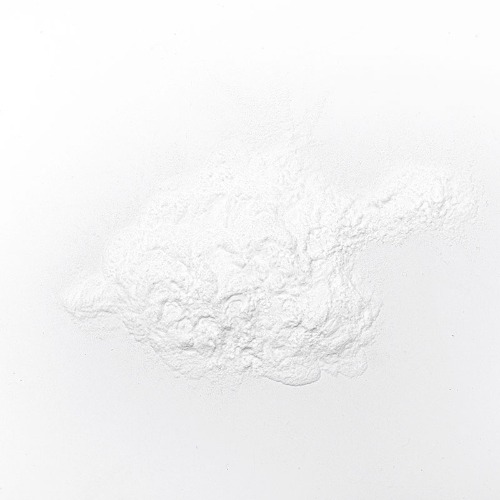
Sodium silicate powder, commonly referred to as water glass or liquid glass in its liquid form, is a highly versatile compound with a wide range of applications across multiple industries. This white or slightly yellowish powder is prized for its high purity, good solubility, and excellent adhesive properties. Its ability to strengthen and improve the durability of various products makes it an invaluable material in industries such as building materials, ceramics, textiles, and beyond.
Sodium silicate powder is a compound made from sodium oxide (Na₂O) and silica (SiO₂), typically obtained by heating sand and soda ash. Its appearance is usually white or slightly yellowish, and it has a high level of solubility in water, making it ideal for various applications. As a key industrial material, it offers excellent adhesive properties, acting as a binder in many products.
| Property | Description |
|---|---|
| Appearance | White or slightly yellowish powder |
| Purity | High purity |
| Solubility | Highly soluble in water |
| Adhesive Strength | Excellent adhesive properties |
| Stability | Stable at room temperature |
| Reactivity | Reacts with acids to form silicates |
These properties make sodium silicate powder an essential material in a wide variety of manufacturing processes, contributing to both the strength and durability of the final products.
Sodium silicate powder is widely used in the construction industry, particularly as a binder in cement and concrete formulations. It significantly enhances the strength, durability, and resistance of these materials to environmental stressors. Additionally, sodium silicate serves as an additive in the production of fireproof and water-resistant materials, ensuring structural integrity in demanding applications.
In the ceramics industry, sodium silicate powder is used as a binder and adhesive in the formation of ceramic bodies. It plays a critical role in ensuring the bonding of particles, resulting in stronger, more durable ceramic products. Similarly, it is used in the glass manufacturing process to improve the workability of molten glass and reduce energy consumption during production.
The textile industry also benefits from sodium silicate powder, where it is used as a dye fixative and to enhance the durability of fabrics. The compound’s ability to improve fabric strength makes it essential for textile applications, including those that require resistance to water, stains, and abrasion.
One of the most common uses of sodium silicate powder is in the production of detergents. It helps to enhance the performance of laundry detergents by softening water, thereby improving the cleaning efficiency. Additionally, sodium silicate acts as a builder in dishwasher tablets and other cleaning formulations.
Sodium silicate powder is a key ingredient in the formulation of fireproof coatings, where it enhances the fire resistance of materials such as wood, metal, and textiles. Its high heat resistance and ability to form a protective barrier when exposed to high temperatures make it indispensable for fireproofing applications in various sectors, including construction, automotive, and manufacturing.
One of the primary benefits of sodium silicate powder is its ability to enhance the strength and durability of materials. By acting as a binder, it ensures that products retain their structural integrity even under harsh environmental conditions, such as high temperatures or exposure to moisture.
Sodium silicate is often considered an eco-friendly material due to its natural origin and low environmental impact. Its use in detergents, construction materials, and ceramics also helps reduce the need for more harmful additives, providing a more sustainable solution for various industries. Additionally, its cost-effectiveness makes it an attractive option for manufacturers looking to reduce production costs.
Sodium silicate powder’s versatility is one of its greatest advantages. It is used in a wide range of applications, from construction and ceramics to detergents and fireproof coatings. This broad usability makes it a critical compound for industries that require multifunctional materials with specific performance characteristics.
Although sodium silicate powder is relatively easy to handle and transport, it is important to follow proper storage guidelines to ensure its effectiveness. Sodium silicate powder should be stored in dry conditions, as exposure to moisture can cause it to dissolve or form a gel-like substance. It should also be kept away from acidic substances, as it reacts with acids to form silicates, which could reduce its potency for certain applications.
| Storage Guidelines | Recommendations |
|---|---|
| Storage Conditions | Keep dry and cool |
| Avoid Contact | Keep away from acidic substances |
| Packaging | Store in airtight containers |
By adhering to these storage and transport guidelines, businesses can ensure that sodium silicate powder maintains its quality and remains effective for industrial use.
Despite its many benefits, the use of sodium silicate powder does come with certain challenges. One of the primary issues is its sensitivity to moisture, which can limit its application in certain environments. Furthermore, manufacturers must take care to ensure that sodium silicate powder is used in the correct proportions, as excessive amounts can lead to undesirable effects, such as overly rigid or brittle products.
Q1: What are the main uses of sodium silicate powder?
Sodium silicate powder is used in a variety of industries, including construction, ceramics, textiles, detergents, and fireproof coatings. It acts as a binder, adhesive, and durability enhancer in these applications.
Q2: How should sodium silicate powder be stored?
Sodium silicate powder should be stored in a dry, cool place, away from acidic substances. It should be kept in airtight containers to prevent moisture absorption.
Q3: Is sodium silicate powder eco-friendly?
Yes, sodium silicate powder is considered eco-friendly due to its natural origins and low environmental impact. It is widely used in sustainable products such as eco-friendly detergents and fire-resistant coatings.
Q4: Can sodium silicate powder be used in the textile industry?
Yes, sodium silicate powder is used in the textile industry to improve fabric durability and as a dye fixative, enhancing the resistance of fabrics to water and stains.
Q5: What are the benefits of sodium silicate powder in fireproof coatings?
Sodium silicate powder enhances the fire resistance of materials, forming a protective barrier when exposed to high temperatures, making it crucial for fireproof coatings in various sectors.
Sodium silicate powder is a crucial material that impacts many industrial sectors, from construction and ceramics to detergents and fireproof coatings. Its unique properties, such as excellent adhesive strength, solubility, and durability, make it a highly versatile compound.
Sodium silicate (sodium water glass) model HLNAL-2, as follow the national standard GB/T4209-2008 liquid-2 model pr...
See Details
Sodium silicate (sodium water glass) model HLNAL-3, as follow the national standard GB/T4209-2008 liquid-3 model pr...
See Details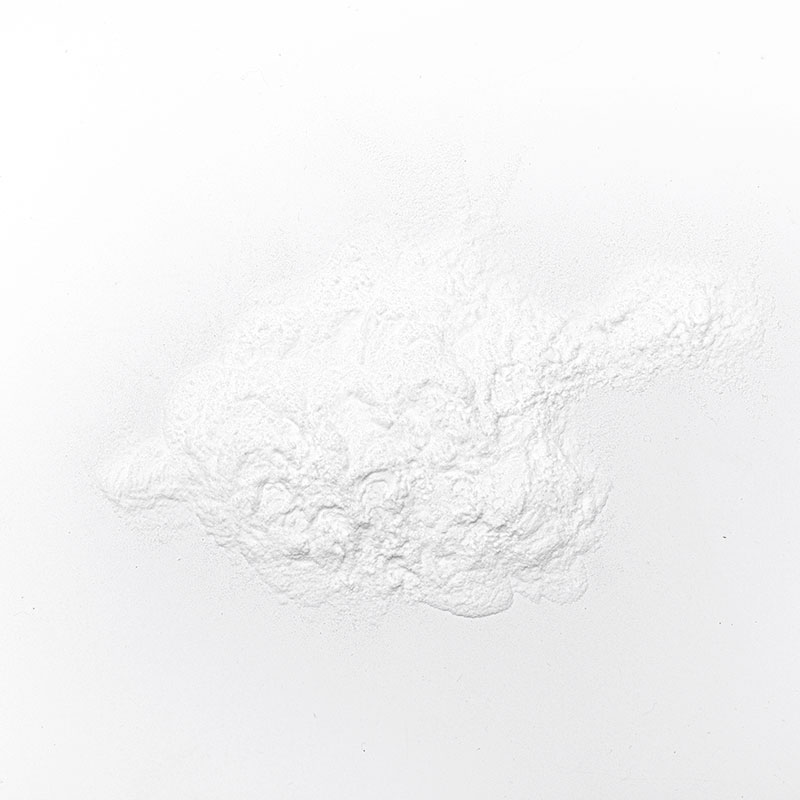
Powdered sodium silicate (model HLNAP-2 modulus 2.4±0.1) is a product made of liquid water glass by drying and spra...
See Details
Powdered sodium silicate (model HLNAP-3 modulus 2.9±0.1) is a product made of liquid water glass by drying and spra...
See Details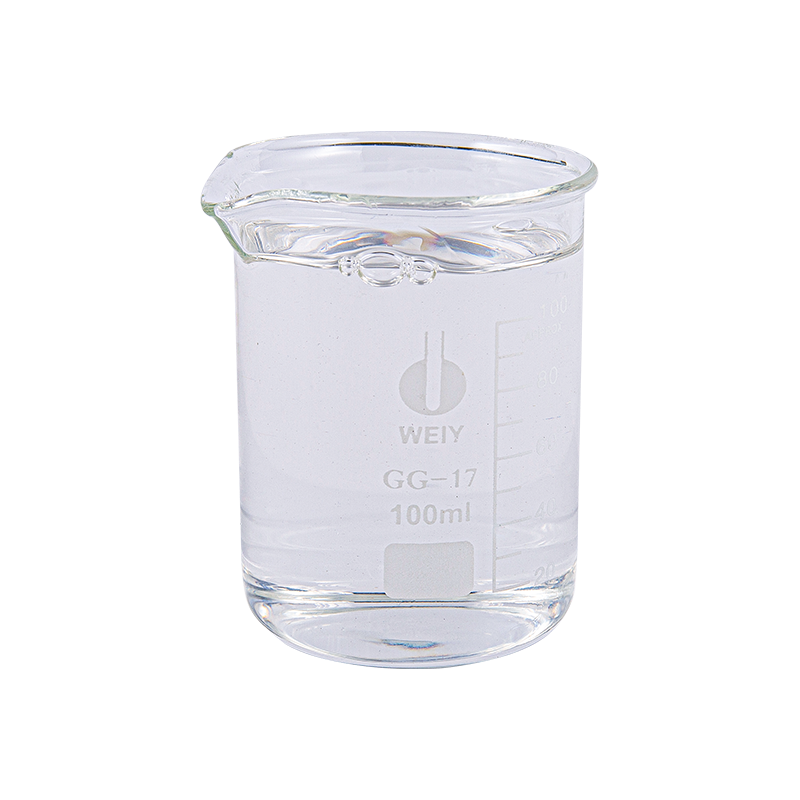
Liquid Potassium Silicate, Model HLKL-2 (Modulus 2.7-3.0), Potassium silicate solution has better appearance and tr...
See Details
Liquid Potassium Silicate, Model HLKL-3 (Modulus 3.1-3.4), Potassium silicate solution has better appearance and tr...
See Details
Products
Sodium Silicate Potassium Silicate Lithium Silicate Sodium Methylsilicate Potassium Methylsilicate Silica Sol Inorganic Coatings And Binders Flooring SystemContact
Add:No. 7 Jiaye Road, Tongxiang City, Zhejiang Province, China Phone:+86-15257095913 Tel: +86-0573-88980238 Mob: +86-0573-88980238 E-mail:[email protected]