
 English
 عربى
عربى Español

 English
 عربى
عربى Español
Sodium silicate(HLNAL-3)
Cat:Sodium Silicate Liquid
Sodium silicate (sodium water glass) model HLNAL-3, as follow the national standard GB/T4209-2008 liquid-3 model pr...
See Details
Engineers and procurement managers often treat sodium silicate powder as a convenience format of liquid water glass. That assumption causes specification mismatches, slow dissolution in production, and rejected batches. Spray-dried silicate powder is a distinct material with its own particle morphology, moisture profile, and dissolution kinetics. The chemistry is related, but the process behavior is not interchangeable.
Liquid sodium silicate is a viscous alkaline solution. When it is spray-dried, water is removed rapidly, and the resulting amorphous particles retain a high proportion of the original silica and soda content. The key difference lies in how those particles behave when reintroduced to water or to a dry mix. A powder with a modulus of 2.9 does not dissolve instantly by default. Dissolution speed depends on particle size distribution, bulk density, and the temperature and agitation of the receiving water. That is why a technical data sheet that lists only modulus and SiO2 content is incomplete for process design.
This article focuses on the practical variables that determine whether a powdered silicate will perform in detergent, cement, refractory, and leakage-plugging applications. It also covers the procurement questions that separate a reliable supply agreement from a costly experiment.
Core principle: match the powder grade to the process, not the other way around. A 100 mesh pass rate above 95 percent and a dissolving speed under 240 seconds are meaningful only when the receiving system can wet and disperse the particles effectively.
The modulus of sodium silicate is the molar ratio of silica to sodium oxide. A modulus of 2.9 sits in the middle range. Lower modulus grades are more alkaline and dissolve more readily. Higher modulus grades are more refractory and less soluble. The 2.9 grade is often selected because it balances alkalinity, binding strength, and thermal resistance. It is not the most soluble grade, and it is not the most refractory grade. That balance is precisely why it appears in detergents, cements, and refractory binders.
| Parameter | Typical Value | Process Implication |
|---|---|---|
| Modulus | 2.9 plus or minus 0.1 | Controls alkalinity and binding behavior |
| SiO2 content | 57 to 60 percent | Determines silica loading per kilogram |
| Na2O content | 20 to 22 percent | Affects pH and detergent performance |
| Moisture | Below 5 percent | Reduces caking and transport weight |
| Bulk density | 0.6 to 0.9 grams per cubic centimeter | Influences mixing and conveying |
| Particle size | 100 mesh pass rate 95 percent or higher | Controls dissolution rate and dust |
| Dissolving speed | 240 seconds or less at 60 degrees Celsius | Determines batch cycle time |
| CAS number | 1344-09-8 | Regulatory and safety reference |
Two powders with identical modulus and SiO2 content can behave differently on the production floor. A powder with a narrow particle size distribution and a high 100 mesh pass rate dissolves faster because the total surface area is greater and the diffusion path for water is shorter. A powder with a broad distribution and a high proportion of fines may dissolve quickly but generate dust and handling losses. A powder with coarse agglomerates may dissolve slowly and leave undissolved gel particles that clog filters and nozzles.
When sodium silicate powder meets water, three stages occur. First, water wets the particle surface. Second, the alkaline components begin to dissolve, creating a localized high-pH film. Third, the silica network hydrates and disperses. Agitation accelerates all three stages. Temperature accelerates the second and third stages. Without enough agitation, particles can gel together before they fully disperse. That is why a dissolving speed specification measured under ideal laboratory conditions may not translate directly to a production vessel with poor mixing.
Powdered silicate is selected over liquid silicate when transport cost, storage stability, or dry-mix compatibility is the deciding factor. The following applications represent the largest volume uses, but each one imposes different demands on the powder grade.
In detergent formulations, sodium silicate powder functions as a builder, a buffering agent, and a corrosion inhibitor for metal surfaces. It softens water by precipitating calcium and magnesium ions, which improves surfactant efficiency. The modulus 2.9 grade is preferred because it provides sufficient alkalinity without excessive harshness. A powder with a high 100 mesh pass rate disperses quickly in dry blending lines and dissolves readily when the detergent is added to water. Moisture content below 5 percent is critical because detergent powders are sensitive to caking during storage.
In cement systems, powdered sodium silicate acts as a quick-drying additive and a refractory binder. When added to dry cement mixes, it reacts with calcium hydroxide to form calcium silicate hydrate, which accelerates setting and increases early strength. The powder format allows precise dosing in dry mortars and grouts without the water contribution that liquid silicate would introduce. For refractory applications, the modulus 2.9 grade provides a binding phase that retains strength at elevated temperatures. Particle size matters here because coarse particles may not fully react, while excessive fines can reduce flowability.
One of the most demanding applications is industrial leakage plugging. When sodium silicate solution contacts an acidic or high-calcium environment, it gels rapidly. Powdered silicate can be mixed on site with water to create a plugging slurry that sets within minutes. This is used in tunnels, mines, and utility trenches where groundwater intrusion must be stopped quickly. The powder format is advantageous because it can be stored indefinitely and mixed only when needed. Dissolving speed becomes a safety and productivity factor: a powder that dissolves in under 240 seconds allows a crew to prepare a batch and apply it before the gel time window closes.
Refractory binders based on sodium silicate powder are used in castables, gunning mixes, and mold coatings. The silicate forms a glassy phase that bonds ceramic particles at high temperatures. The modulus controls the melting behavior and the amount of liquid phase formed. A 2.9 modulus powder offers a compromise between green strength and high-temperature performance. In these applications, low moisture content is essential because residual water causes steam spalling during the first heat-up.
Application note: the same powder grade can perform well in one application and poorly in another. Always validate dissolution and set behavior in the actual process, not only from a certificate of analysis.
Purchasing sodium silicate powder is not a commodity transaction. The lowest price per kilogram can lead to the highest total cost if the powder dissolves slowly, generates dust, or requires special storage. Procurement teams should evaluate suppliers on five dimensions.
| Region | Storage Recommendation | Reason |
|---|---|---|
| Northern dry climates | Keep bags at least 20 centimeters above floor | Prevents ground moisture migration |
| Southern humid and rainy seasons | Keep bags at least 30 centimeters above floor and away from walls | Reduces condensation and caking risk |
| Coastal or high-humidity warehouses | Use pallets with moisture barrier and control humidity | Prevents lump formation and weight gain |
These recommendations are not arbitrary. Sodium silicate powder absorbs moisture from the air. When it absorbs enough water, particles stick together and form hard lumps that do not dissolve at the expected rate. In extreme cases, the powder can partially gel in the bag. A supplier that understands this and provides clear storage guidance is more likely to deliver a product that performs as specified.
A structured sample evaluation prevents expensive mistakes. The following procedure can be completed with standard laboratory equipment and requires less than one day.
The goal is not to replicate the supplier quality control laboratory. The goal is to confirm that the powder behaves acceptably in your specific equipment and formulation. A powder that passes every supplier test but fails in your mixer is not a suitable powder for your process.
The choice between powdered and liquid sodium silicate is not about which is better. It is about which format fits the process, the logistics, and the cost structure. The following comparison highlights the trade-offs.
| Factor | Powdered Silicate | Liquid Silicate |
|---|---|---|
| Transport cost per unit SiO2 | Lower because water is removed | Higher because water is shipped |
| Storage stability | Long shelf life if kept dry | Limited shelf life, can gel |
| Dissolving equipment | Requires mixer and water control | Ready to use or dilute |
| Dust and handling | Requires dust control | No dust |
| Dosing accuracy in dry mixes | High | Not applicable |
| Freeze sensitivity | None | Can freeze or separate |
For detergent dry blending, cement additives, and refractory dry mixes, powder is the practical choice. For applications that already use liquid silicate and have no dry mixing capability, switching to powder may require capital investment in dissolving equipment. The decision should be based on total cost of ownership, not unit price alone.
The most common modulus for detergent applications is 2.9, although grades between 2.0 and 3.2 are also used. A modulus of 2.9 provides a balance between alkalinity for water softening and compatibility with other detergent components.
Dissolving speed depends on particle size, water temperature, and agitation. A fine powder with a 100 mesh pass rate above 95 percent can dissolve in under 240 seconds at 60 degrees Celsius with good mixing. Cold water and poor agitation will extend the time significantly.
It is classified as non-flammable and non-toxic for transport purposes. However, it is alkaline and can cause irritation to skin and eyes. Proper personal protective equipment should be used during handling. It is also hygroscopic, so packaging must remain sealed.
Yes. When mixed with water and introduced into a leakage path, it reacts with calcium or acidic groundwater to form a gel that blocks flow. The powder format is convenient because it can be stored on site and mixed in small batches as needed.
Minimum order quantities vary by supplier and packaging format. For standard 25 kilogram bags, a common minimum is one pallet or one metric ton. For customized modulus or packaging, the minimum may be higher. Always confirm with the supplier before planning a trial.
Keep bags at least 30 centimeters above the floor and away from exterior walls. Use pallets with a moisture barrier and maintain warehouse humidity as low as practical. Inspect bags regularly for lumps or weight gain, which indicate moisture ingress.
The powder itself remains chemically stable if kept dry. The main risk is moisture absorption, which causes caking and slows dissolution. Properly stored powder retains its specified modulus and SiO2 content for extended periods.
Sodium silicate powder with a modulus of 2.9 is a versatile industrial material, but versatility does not mean universal suitability. The powder format offers advantages in transport, storage, and dry mixing that liquid silicate cannot match. It also introduces variables such as particle size distribution, moisture content, and dissolution behavior that must be managed. Technical teams should evaluate samples under production conditions. Procurement teams should look beyond unit price to consistency, packaging, and supplier support. When both perspectives are combined, the result is a supply agreement that delivers predictable performance rather than occasional surprises.
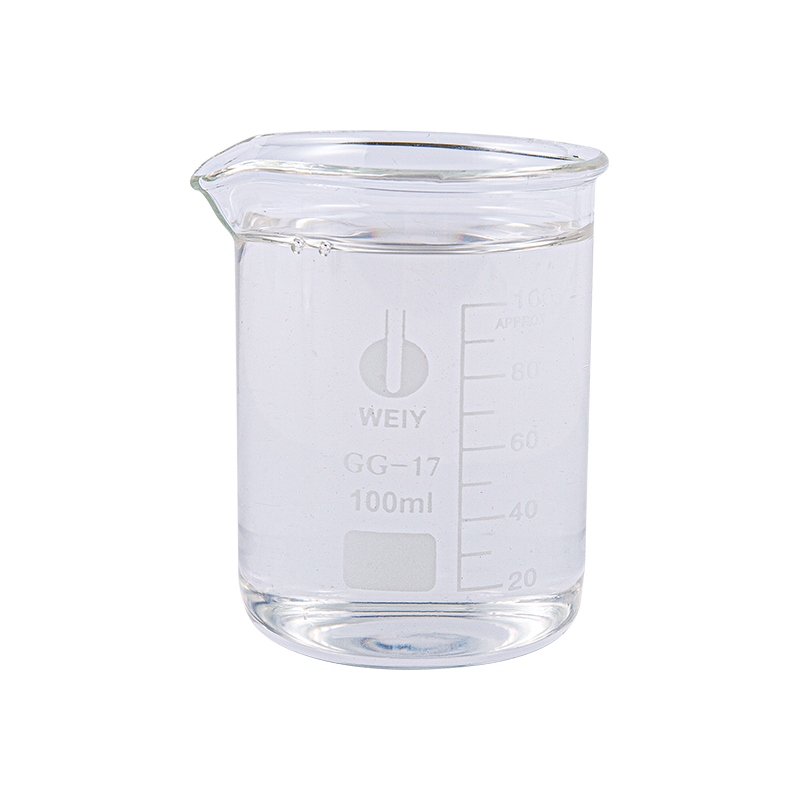
Sodium silicate (sodium water glass) model HLNAL-3, as follow the national standard GB/T4209-2008 liquid-3 model pr...
See Details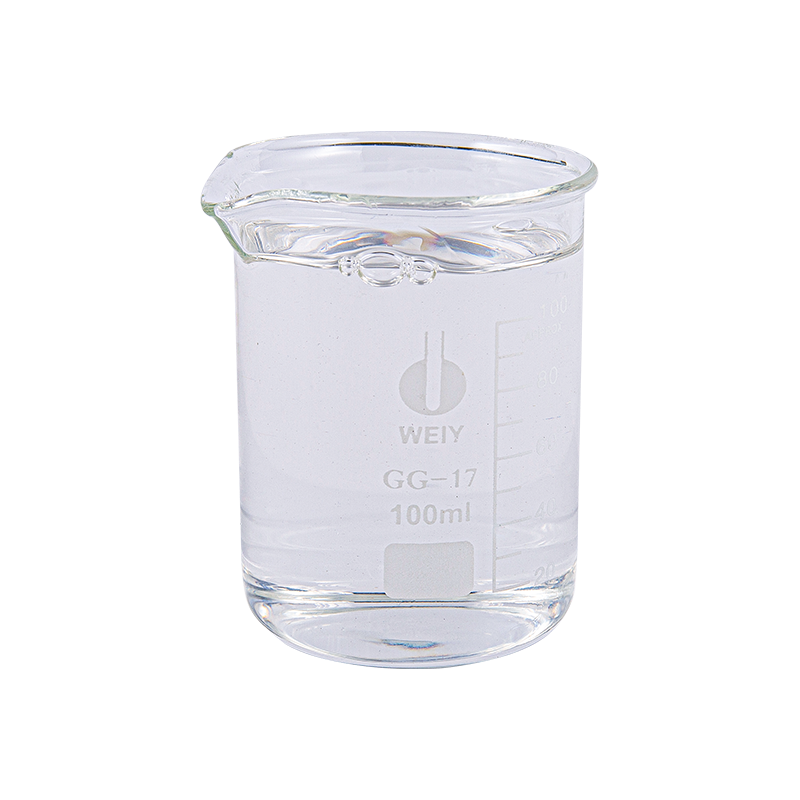
Liquid potassium silicate, model HLKL-1 (modulus 2.2-2.4), potassium silicate solution has better appearance and tr...
See Details
Liquid Potassium Silicate, Model HLKL-2 (Modulus 2.7-3.0), Potassium silicate solution has better appearance and tr...
See Details
Liquid Potassium Silicate, Model HLKL-3 (Modulus 3.1-3.4), Potassium silicate solution has better appearance and tr...
See Details
Liquid Potassium Silicate, Model HLKL-5 (Modulus 4.8-5.0), this product is a customized product with ultra-high mod...
See Details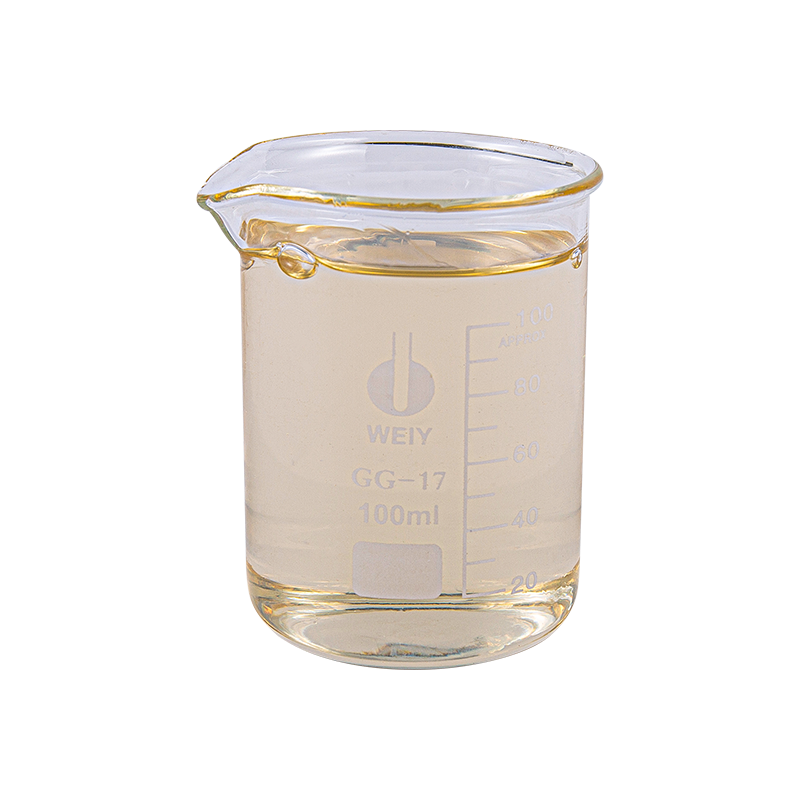
Sodium methyl silicate (model HLKNAL), this product is an organosilicon waterproofing agent, the active ingredient ...
See Details
Products
Sodium Silicate Potassium Silicate Lithium Silicate Sodium Methylsilicate Potassium Methylsilicate Silica Sol Inorganic Coatings And Binders Flooring SystemContact
Add:No. 7 Jiaye Road, Tongxiang City, Zhejiang Province, China Phone:+86-15257095913 Tel: +86-0573-88980238 Mob: +86-0573-88980238 E-mail:[email protected]