
 English
 عربى
عربى Español

 English
 عربى
عربى Español
Sodium silicate(HLNAL-1)
Cat:Sodium Silicate Liquid
Sodium silicate (sodium water glass) model HLNAL-1, as follow the national standard GB/T4209-2008 liquid-1 model pr...
See Details
Inorganic silicates, including sodium silicate, potassium silicate, lithium silicate, silica sol, potassium methyl siliconate, and inorganic high-temperature adhesives, provide unmatched thermal resilience (up to 1200°C), outstanding chemical passivation, and near-zero VOC emissions. Their versatile chemistry delivers robust adhesion, anti-corrosion barriers, and water-repellent properties. Across construction, refractory coatings, foundry, and advanced surface treatments, silicates outperform organic alternatives in extreme environments. This guide delivers actionable insights into each silicate type, performance metrics, selection guidelines, and industrial flow processes.
Each inorganic silicate possesses distinctive molecular structures (SiO₂/M₂O ratio, particle morphology) that determine viscosity, binding strength, and temperature tolerance. Below are the primary industrial grades and their quantified attributes.
Available in modulus (SiO₂/Na₂O) ranging from 1.6 to 3.5. Lower modulus (1.6–2.2) offers rapid solubility and alkaline reactivity; higher modulus (2.8–3.5) yields stronger film hardness and better weathering resistance. Typical solids content: 35–48%. Used heavily in cements, detergents, and passive fireproofing.
Modulus typically between 2.5 and 4.0 with lower efflorescence compared to sodium form. pH ~11.5, promotes flexible ceramic coatings and zinc-rich primers. Continuous service temperature up to 1000°C, excellent arc resistance and CO₂ curing ability.
Low viscosity, high reactivity, and improved film density. Lithium silicate solutions have silica particle sizes of 4–8 nm, providing outstanding water repellency after curing and superior bonding to glass and metals. Ideal for investment casting and protective coatings with thermal stability beyond 1050°C.
Stable dispersion of amorphous SiO₂ particles (5–100 nm). Provides high surface area (200–300 m²/g) and binder-free film formation. Used as precision casting binder, catalyst support, and polishing media. pH adjustable (acidic/alkaline).
Organosilicon-inorganic hybrid, forming water-repellent gel upon CO₂ absorption. Effective mass loss on ignition ≤5%, drastically reduces water absorption (up to 90% reduction on porous substrates). Used in concrete waterproofing, stone preservation, and anti-graffiti treatments.
Blends of silicates with refractory fillers (alumina, zirconia) and setting agents. Withstand long-term exposure from 800°C to 1400°C. Bond metals, ceramics, and glass without outgassing. Non-flammable and chemically inert after curing.
The following table summarizes pivotal parameters for each type (industry-typical ranges):
| Silicate Type | Modulus (Molar Ratio SiO₂/M₂O) | Typical Solids (%) | Max Service Temp (°C) | Primary Attribute |
|---|---|---|---|---|
| Sodium Silicate | 1.6 – 3.5 | 35 – 48% | 600 – 900 | Cost-effective, strong alkalinity |
| Potassium Silicate | 2.5 – 4.0 | 38 – 44% | 1000+ | Low efflorescence, flexible films |
| Lithium Silicate | 2.0 – 4.8 | 20 – 30% | 1050+ | Dense, water-repellent coatings |
| Silica Sol | — | 25 – 50% | 800 (as binder) | Nanoparticle, high surface area |
| Potassium Methyl Siliconate | — | 20 – 30% (active) | 400 – 600 | Hydrophobic, breathable barrier |
| Inorganic High-Temp Adhesives | Variable | 55 – 75% (solid paste) | 1200 – 1400 | Ultra-high thermal stability |
Performance data and specific industrial fields demonstrate the superiority of tailored inorganic silicates. Below are measurable advantages documented across manufacturing sectors.
Sodium silicate accelerates setting and densifies concrete, reducing permeability by up to 85%. Potassium methyl siliconate delivers long-lasting hydrophobicity, cutting capillary water absorption below 5 mm·h⁻¹/², extending structure lifetime. Lithium silicate hardens floors, generating a durable polished surface with abrasion resistance improvement >200% over untreated concrete.
Potassium and lithium silicates are fundamental for intumescent and ceramic coatings. For instance, lithium-based coatings maintain adhesion and integrity after exposure to 1100°C for 2 hours, with less than 5% mass loss. Inorganic high-temperature adhesives bond furnace linings and exhaust components with shear strength >4 MPa after thermal cycling (20–1000°C).
Potassium silicate binders form a self-healing silicate network, providing cathodic protection to steel structures. Field tests show salt spray resistance exceeding 3000 hours in NSS (neutral salt spray) for silicate-based zinc-rich coatings, compared to 1500 hours for organic epoxy alternatives.
Sodium silicate is the standard for no-bake sand cores, achieving tensile strengths of 0.8–1.5 MPa with CO₂ gassing. Silica sol is employed in precision investment casting shells, offering green strength and high permeability while avoiding toxic silica dust issues. Colloidal silica shells survive metal pouring at 1600°C without cracking.
Potassium methyl siliconate penetrates deeply into mineral substrates, creating a hydrophobic lining while remaining vapor permeable. Treated limestone absorbs ≤0.5 wt% water under 48-hour immersion tests, effectively preventing freeze-thaw damage and efflorescence.
Data-driven comparison validates the superior environmental and functional profile of silicates. Inorganic silicate solutions contribute to sustainable industrial practices without compromising performance.
Such quantifiable advantages make inorganic silicates the prime choice for heavy-duty coatings, conservation, and modern eco-construction.
Selecting the optimal silicate depends on service temperature, substrate chemistry, curing mechanism, and required mechanical properties. This matrix simplifies decision-making for engineers and formulators.
| Application Scenario | Recommended Silicate Type | Key Decision Criteria / Data |
|---|---|---|
| Concrete densifier / floor hardener | Lithium Silicate or Sodium Silicate (mod. >3.0) | Reacts with calcium hydroxide; increases surface Mohs hardness from 4 to 7+. |
| High-temperature resistant coating (>1000°C) | Potassium Silicate + refractory fillers | Provides thermal shock resistance and low sintering shrinkage ≤1%. |
| Waterproof breathable treatment for masonry | Potassium Methyl Siliconate (20–30% sol.) | Deep penetration; reduces water uptake by ≥85% while allowing vapor diffusion. |
| Investment casting shell system | Silica sol (colloidal silica, 30–40% solid) | Provides high green strength (0.7 MPa) and uniform particle packing. |
| Zinc-rich anti-corrosive primer (C5 environment) | Potassium Silicate (modulus 3.2–3.8) | Ensures excellent cathodic protection; adhesion to steel >5 MPa after 2000h salt spray. |
| Bonding furnace brick / ceramic repair | Inorganic High-Temp Adhesive (silicate-alumina base) | Withstands 1300°C cyclic heating; compressive strength up to 18 MPa after curing. |
For demanding requirements such as combined extreme thermal cycling and underwater curing, consult technical references; however, general industry consensus confirms silicates offer broad adaptability when formulated with proper modifiers.
The production sequence of inorganic silicates involves fusion or hydrothermal processing, followed by customizing the modulus and stabilizers. The flowchart below summarizes key stages and respective industrial outputs.
Flow insight: Over 30 distinct industrial silicate products originate from flexible control of modulus, particle size, and chemical functionality — enabling custom solutions for construction, foundry, coatings, and ultra-high temperature sectors.
High-performance potassium silicate and lithium silicate systems, especially when combined with refractory fillers, maintain structural integrity up to 1200–1400°C. Pure silicate films without fillers sustain up to 850°C continuously. They are used in chimney liners, stoves, and industrial exhausts.
Yes. Inorganic silicates release zero VOCs, contain no heavy metals, and are generally recognized as non-hazardous. They degrade into inert silica and alkali carbonates, posing no long-term environmental persistence. Many formulations comply with EU Ecolabel and Green Seal standards.
Potassium methyl siliconate is water-soluble and reacts with atmospheric CO₂ to form a stable, resinous silicone network inside pores. Unlike silane/siloxane emulsions, it provides integral waterproofing and remains functional after surface abrasion, making it ideal for concrete, brick, and natural stone.
Absolutely. Silica sol is the leading binder for investment casting shells due to its controllable viscosity, low sodium content, and excellent high-temperature strength. Shells made with colloidal silica exhibit high permeability and thermal stability, suitable for casting superalloys at 1500–1650°C.
Properly stored in sealed containers (above 5°C), sodium and potassium silicates remain stable for 12–24 months. Avoid prolonged exposure to CO₂, which can cause gelation. High-modulus grades are more prone to thickening over time but can be re-stabilized by mild agitation and viscosity adjustment.
Lithium silicate offers superior bonding to aluminum, steel, and galvanized surfaces due to its small particle size (4–8 nm) and high reactivity, achieving adhesive strength > 6 MPa in pull-off tests after thermal cure. It is widely used in heat-exchange coatings and engine components.
When formulated as intumescent coatings, potassium silicate swells under fire to form a thick, insulating ceramic char layer that protects steel from exceeding critical temperature (500°C). Fire ratings can reach 120 minutes for 2 mm dry film thickness, significantly exceeding standard organic intumescents.
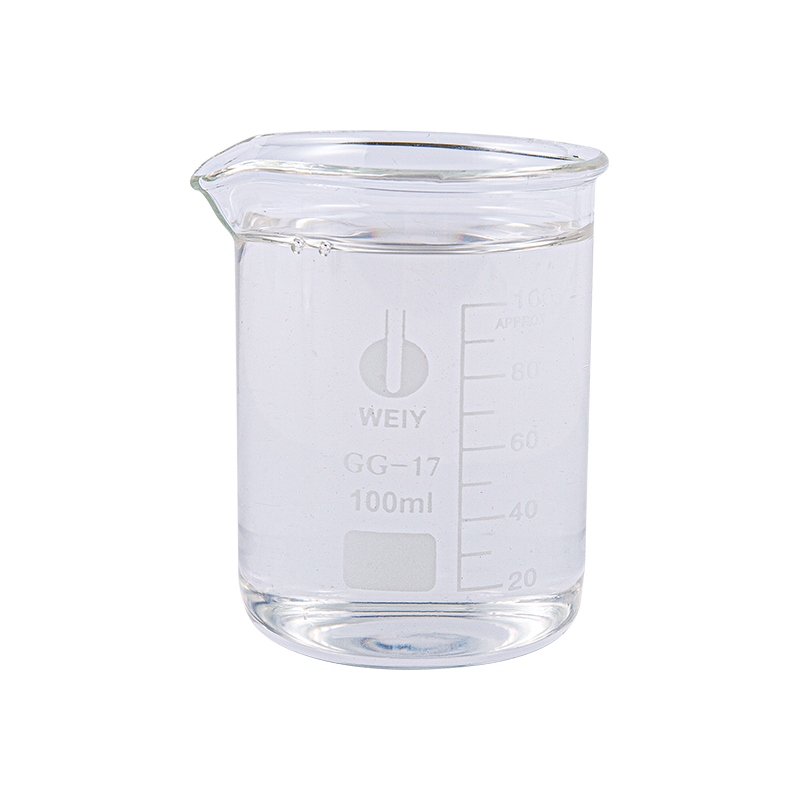
Sodium silicate (sodium water glass) model HLNAL-1, as follow the national standard GB/T4209-2008 liquid-1 model pr...
See Details
Sodium silicate (sodium water glass) model HLNAL-2, as follow the national standard GB/T4209-2008 liquid-2 model pr...
See Details
Sodium silicate (sodium water glass) model HLNAL-4, as follow the national standard GB/T4209-2008 liquid-4 model pr...
See Details
Sodium silicate (sodium water glass) model HLNAL-5, as a super high modulus (3.8-4.0) product produced beyond the n...
See Details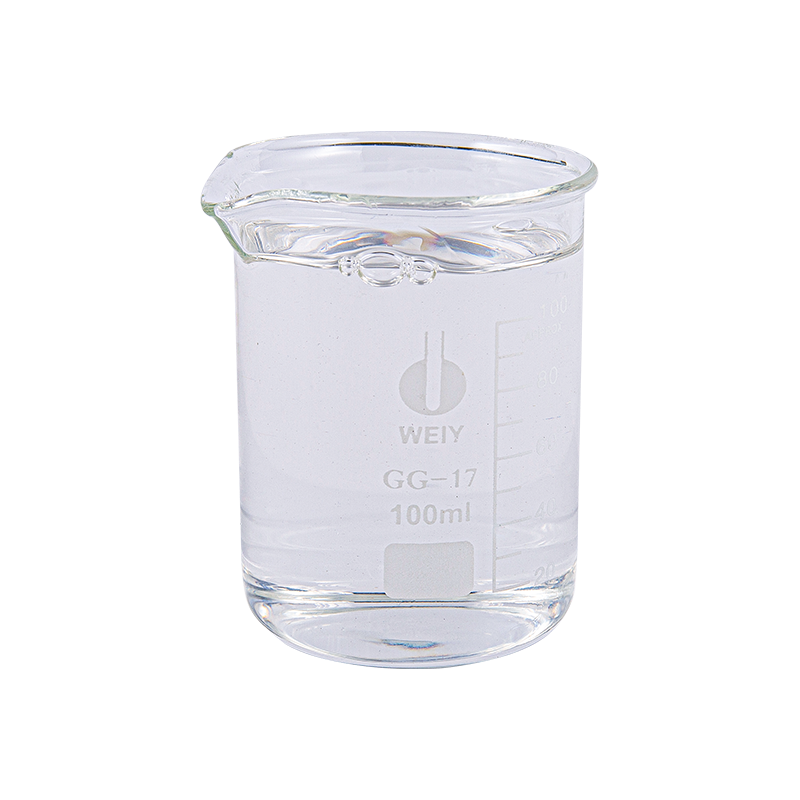
Liquid Potassium Silicate, Model HLKL-5 (Modulus 4.8-5.0), this product is a customized product with ultra-high mod...
See Details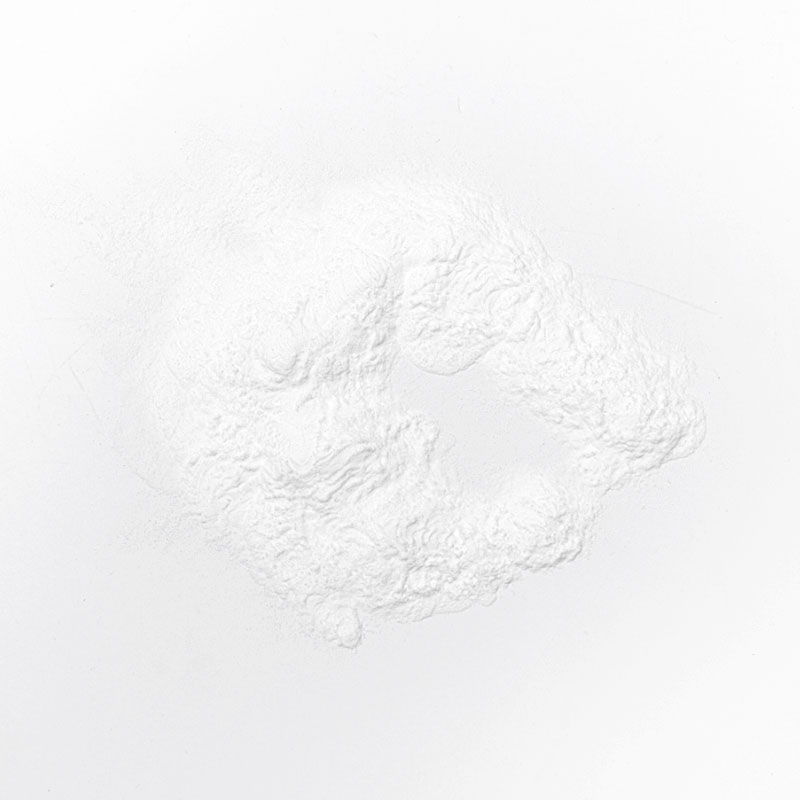
Powdered Potassium Silicate (Model HLKP-2 Modulus 3.3±0.1) is a product made of liquid potassium silicate by drying...
See Details
Products
Sodium Silicate Potassium Silicate Lithium Silicate Sodium Methylsilicate Potassium Methylsilicate Silica Sol Inorganic Coatings And Binders Flooring SystemContact
Add:No. 7 Jiaye Road, Tongxiang City, Zhejiang Province, China Phone:+86-15257095913 Tel: +86-0573-88980238 Mob: +86-0573-88980238 E-mail:[email protected]