
 English
 عربى
عربى Español

 English
 عربى
عربى Español
Sodium silicate(HLNAL-1)
Cat:Sodium Silicate Liquid
Sodium silicate (sodium water glass) model HLNAL-1, as follow the national standard GB/T4209-2008 liquid-1 model pr...
See Details
Sodium Methylsilicate (SMS) is a cost-effective, water-soluble organosilicon waterproofing agent that penetrates porous mineral substrates to form a durable, breathable hydrophobic barrier. For industrial buyers, SMS delivers proven performance—typically reducing capillary water absorption by over 90% in treated concrete and masonry, with contact angles exceeding 130°. This guide provides direct, actionable answers for procurement and formulation decisions.
Sodium Methylsilicate—also known as sodium methyl siliconate, sodium methylsilanetriol, or methylsilanetriol sodium salt—is an organosilicon compound with the CAS number 16589-43-8 and molecular formula CH₃Na₃O₃Si. Commercially, it is supplied as a colorless to light yellow, alkaline aqueous liquid with a solid content of approximately 30% and a pH value between 12 and 13.
Chemically, SMS contains sodium ions and methyl-substituted silicate anions. This unique structure enables it to function as a one-component, curable silicone resin precursor that reacts with atmospheric carbon dioxide and substrate surfaces to form a covalently bonded water-repellent layer.
Typical procurement specifications:
SMS waterproofing relies on a two-step chemical transformation that converts the water-soluble compound into an insoluble, cross-linked silicone resin.
After application, SMS reacts with carbon dioxide (CO₂) from the air to generate methylsilicic acid. This acidification step is essential and occurs rapidly under ambient conditions, typically within minutes to hours depending on humidity and temperature.
The resulting methylsilicic acid undergoes polycondensation, forming a three-dimensional silicone resin network through siloxane (Si–O–Si) bridges. Simultaneously, the resin forms chemical bonds with hydroxyl groups on the substrate surface (e.g., silanol groups on concrete or masonry), creating a permanent, hydrophobic layer that is only a few molecules thick.
Critical performance attributes of this mechanism:
Yes—Sodium Methylsilicate is highly effective as a water-repellent treatment, with documented performance metrics that are widely recognized in the construction chemicals industry.
Industry-standard test results typically show:
Important clarification: SMS provides water repellency (hydrophobicity) rather than a continuous impermeable membrane. It significantly reduces liquid water ingress while maintaining vapor permeability—a key advantage for exterior building materials where trapped moisture can cause structural damage.
SMS serves a broad spectrum of industrial uses, primarily in construction, infrastructure, and building material protection.
| Application Sector | Specific Uses |
| Concrete & Cementitious Materials | Integral waterproofing, surface impregnation, anti-efflorescence treatment, repair mortar bonding agent |
| Masonry & Natural Stone | Water repellent for brick, limestone, sandstone, granite, terracotta, and ceramic tiles |
| Building Envelope | Roofing substrates, exterior walls, basements, bathroom floors, and warehouse flooring |
| Infrastructure Projects | Bridges, tunnels, dams, culverts, retaining walls, and water treatment structures |
| Coatings & Additives | Modifier for latex paints, silicate-based coatings, adhesives, and joint fillers |
| Specialty Uses | Oil well drilling fluid additive, paper/fiberboard hydrophobization (with neutralization), wood preservation aid |
Industrial buyers often compare sodium methylsiliconate (SMS) with its potassium counterpart (PMS). The choice directly affects performance, compatibility, and cost.
| Property | Sodium Methylsiliconate (SMS) | Potassium Methylsiliconate (PMS) |
| pH Stability | More sensitive to pH drops; can precipitate in acidic environments | Broader stability range; maintains clarity in mixed systems |
| Penetration Depth | Adequate for most dense substrates; slightly lower than PMS | Deeper penetration; more uniform hydrophobic profile |
| Efflorescence Risk | Higher, especially with over-application or on high-alkali surfaces | Significantly lower; preferred for visible architectural surfaces |
| Compatibility | Suitable for general concrete, brick, and mortar | Better with cementitious blends and water-based polymer dispersions |
| Relative Cost | More economical – preferred for large-volume, non-visible applications | Higher cost – justified for premium or aesthetic-critical uses |
Recommendation: Select SMS for cost-driven bulk waterproofing of structural concrete, foundations, and industrial floors. Select PMS for façade treatments, historical restoration, and formulations requiring high clarity and low residue.
Procurement professionals should verify the following technical parameters and documentation before finalizing any SMS order.
Yes. SMS provides durable water repellency, reducing capillary water absorption by over 90% in most mineral substrates. It is not a surface film but a penetrating hydrophobic treatment that is highly effective against liquid water ingress.
Sodium silicate is an inorganic glass-forming compound that deposits a hard, brittle film on surfaces. Sodium Methylsilicate is an organosilicon compound that chemically reacts with substrates to form a flexible, breathable silicone resin that penetrates rather than coats. SMS offers better long-term adhesion and breathability.
SMS is suitable for all porous mineral surfaces including concrete, mortar, brick, block, limestone, sandstone, terracotta, and unglazed ceramics. It is not effective on polished stone, glass, metal, plastics, or painted surfaces.
Efflorescence occurs when excess SMS is applied or when the substrate contains high soluble alkali content. The excess sodium salts crystallize on the surface during drying. Correct dilution and controlled application eliminate this issue. For high-risk substrates, PMS is a better alternative.
Since the silicone resin is chemically bonded to the substrate, it offers permanent protection as long as the substrate remains intact. Field experience shows effective water repellency for 10–20 years under normal conditions, with minimal degradation from UV or weathering.
Yes. SMS can be added to concrete or mortar mixes at 0.5% – 2.0% by weight of cement. It reduces water demand and improves workability while imparting uniform hydrophobicity throughout the matrix. This approach is common for precast elements and below-grade structures.
Full cure time: 24 hours at 20°C and 50% relative humidity
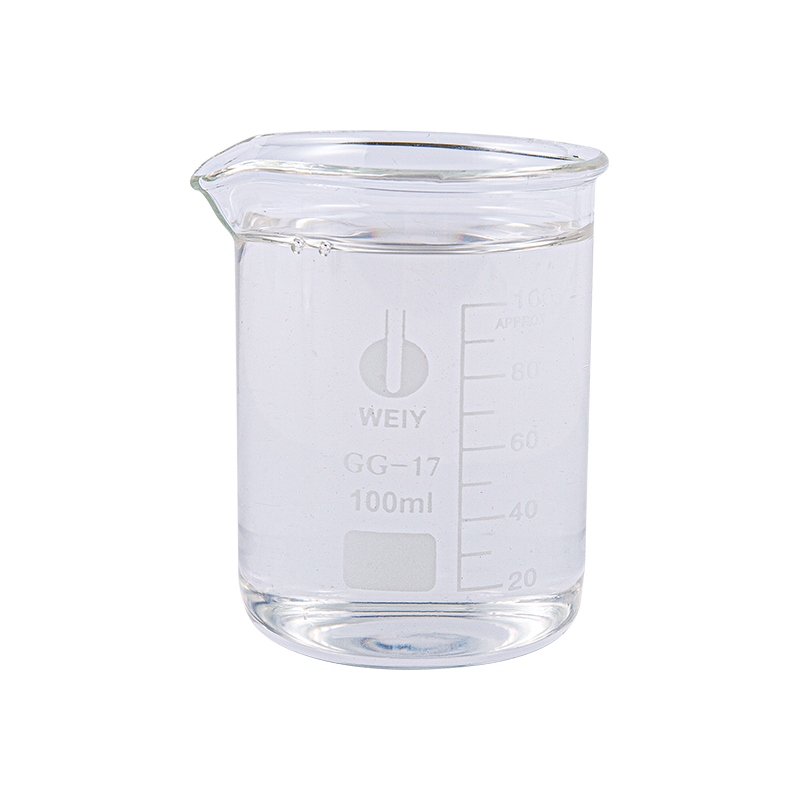
Sodium silicate (sodium water glass) model HLNAL-1, as follow the national standard GB/T4209-2008 liquid-1 model pr...
See Details
Sodium silicate (sodium water glass) model HLNAL-5, as a super high modulus (3.8-4.0) product produced beyond the n...
See Details
Sodium silicate (sodium water glass) model HLNAL-6, as beyond the national standard GB/T4209-2008 standard producti...
See Details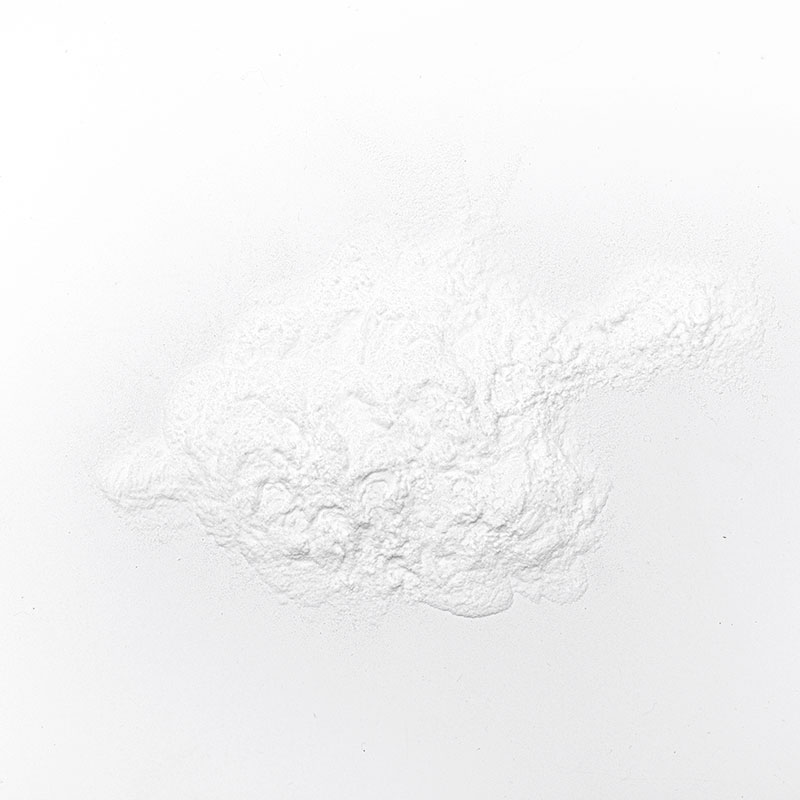
Powdered sodium silicate (model HLNAP-1 modulus 2.0±0.1) is a product made of liquid water glass by drying and spra...
See Details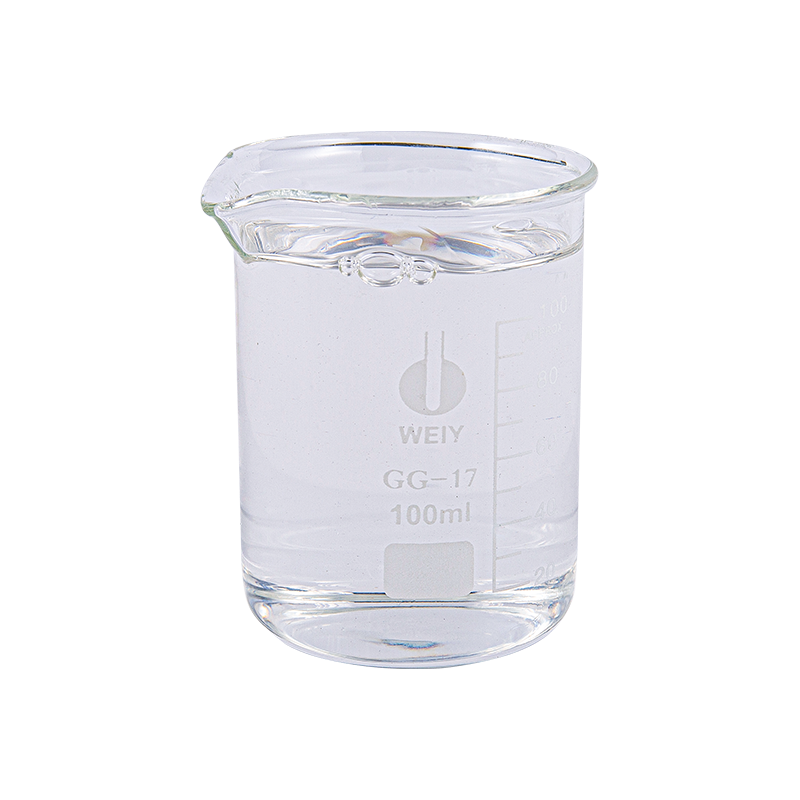
Liquid potassium silicate, model HLKL-4 (modulus 3.6-3.8), potassium silicate solution has better appearance and tr...
See Details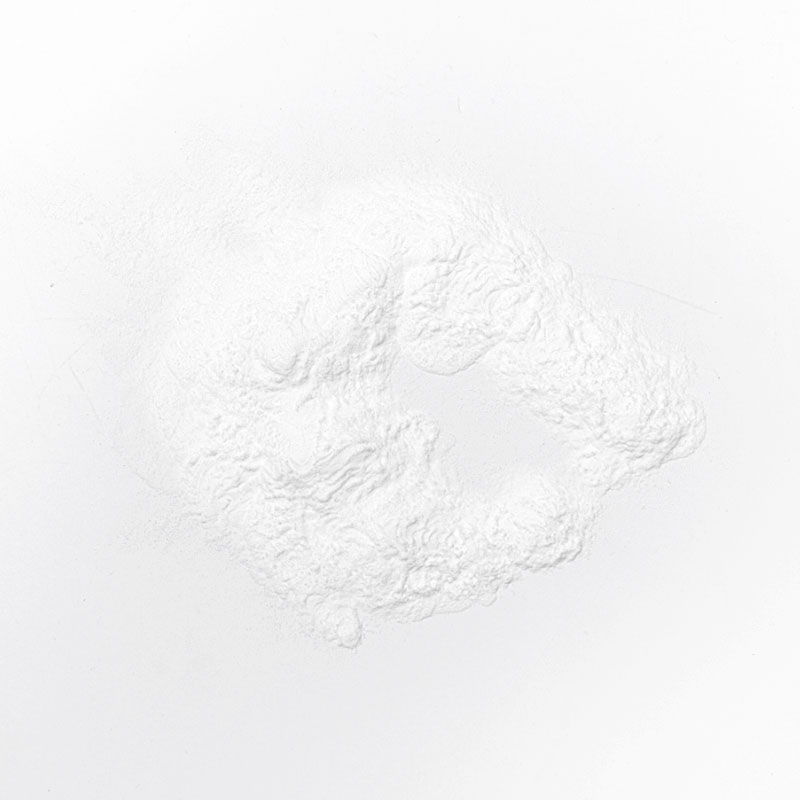
Powdered Potassium Silicate (Model HLKP-2 Modulus 3.3±0.1) is a product made of liquid potassium silicate by drying...
See Details
Products
Sodium Silicate Potassium Silicate Lithium Silicate Sodium Methylsilicate Potassium Methylsilicate Silica Sol Inorganic Coatings And Binders Flooring SystemContact
Add:No. 7 Jiaye Road, Tongxiang City, Zhejiang Province, China Phone:+86-15257095913 Tel: +86-0573-88980238 Mob: +86-0573-88980238 E-mail:[email protected]