
 English
 عربى
عربى Español

 English
 عربى
عربى Español
Sodium silicate(HLNAL-4)
Cat:Sodium Silicate Liquid
Sodium silicate (sodium water glass) model HLNAL-4, as follow the national standard GB/T4209-2008 liquid-4 model pr...
See Details
Soil fertility depends on far more than nitrogen, phosphorus, and potassium. Silicon, while often overlooked in standard fertility programs, plays a measurable role in how plants withstand stress, resist pests, and maintain structural strength. Inorganic silicates have become a practical tool for agronomists and soil scientists looking to close this gap, offering a mineral-based approach to improving both soil chemistry and plant physiology.
Unlike organic amendments that rely on decomposition to release nutrients, inorganic silicate compounds interact directly with soil pH, cation exchange capacity, and micronutrient availability. This makes them a distinct category worth understanding on their own terms, separate from conventional macronutrient fertilizers.
Silicon is classified as a beneficial element for plants rather than an essential one, yet field data consistently shows measurable gains in stress tolerance where soluble silicate sources are applied.
Inorganic silicates are mineral compounds built from silicon and oxygen atoms bonded with metal cations such as sodium, potassium, or calcium. They occur naturally in rock-forming minerals like feldspar and mica, and they can also be manufactured industrially for controlled, soluble application in agricultural and industrial settings.
In an agricultural context, the term usually refers to soluble or semi-soluble silicate compounds that release silicon in a form plants can absorb through root uptake, typically as monosilicic acid once dissolved in soil water.
Beyond agriculture, industrial silicates serve a wide range of purposes, from detergents to construction materials. Within farming systems specifically, their applications concentrate around three areas: soil conditioning, plant defense support, and nutrient management.
Silicate application can help stabilize soil aggregates, improving water infiltration and reducing surface crusting in fine-textured soils.
Silicon deposition in plant tissue has been associated with improved resistance to drought, salinity, and temperature extremes in multiple field trials.
Silicified cell walls create a physical barrier that can reduce penetration by fungal pathogens and piercing insects.
Alkali silicates can moderate soil acidity, supporting more stable nutrient availability across a growing season.
Not all silicates behave the same way once introduced to soil. Solubility, cation type, and application form determine how quickly silicon becomes available and how the compound affects surrounding soil chemistry.
| Type | Common Cation | Typical Form | Primary Agricultural Role |
|---|---|---|---|
| Sodium silicate | Sodium | Liquid or powder | Fast-acting silicon source, foliar and soil use |
| Potassium silicate | Potassium | Liquid concentrate | Dual silicon and potassium supply |
| Calcium silicate | Calcium | Granular | Soil pH correction plus silicon release |
| Lithium silicate | Lithium | Specialty liquid | Niche industrial and research applications |
| Magnesium silicate | Magnesium | Powder | Combined magnesium and silicon correction |
Among these, soluble silicates such as sodium and potassium silicate are most widely adopted in liquid fertigation systems because of their rapid dissolution and ease of blending with other inputs.
Understanding the uptake pathway helps explain why solubility matters so much when selecting a silicate source.
The distinction between organic and inorganic silicates comes down to molecular structure and how silicon is bound.
| Aspect | Inorganic Silicates | Organic Silicon Sources |
|---|---|---|
| Structure | Mineral-based, silicon bonded to metal cations | Silicon bonded within carbon-based compounds |
| Solubility | Ranges from highly soluble to slow-release | Generally requires microbial breakdown first |
| Speed of Availability | Can be fast, especially in liquid forms | Typically slower, tied to decomposition rate |
| Common Sources | Sodium silicate, potassium silicate, calcium silicate | Plant residues, biochar, certain composts |
Inorganic silicate manufacturer processes typically standardize concentration and purity, which allows for more predictable dosing compared with organic sources where silicon content can vary by batch and origin.
These two are the most commonly compared soluble silicates in agricultural use, and the choice between them often depends on what other nutrients the soil or crop needs alongside silicon.
Selecting between sodium and potassium silicate often comes down to existing soil sodium levels and whether supplemental potassium is agronomically beneficial for the target crop.
Successful use of alkali silicates in agriculture depends on matching the compound to soil conditions, irrigation method, and crop sensitivity.
Inorganic silicates are mineral compounds formed from silicon and oxygen bonded with metal cations such as sodium, potassium, or calcium, used in agriculture to supply plant-available silicon and support soil structure.
They are used to improve soil aggregation, support plant stress tolerance, strengthen cell walls against pests and disease, and moderate soil pH depending on the specific compound applied.
Common agricultural types include sodium silicate, potassium silicate, calcium silicate, magnesium silicate, and lithium silicate, each differing in solubility and secondary nutrient contribution.
Inorganic silicates are mineral-based and often more immediately soluble, while organic silicon sources are bound within carbon-based material and typically release silicon more slowly through microbial breakdown.
Sodium silicate contributes sodium and is generally lower cost, while potassium silicate supplies potassium alongside silicon and is often preferred where sodium accumulation is a concern.
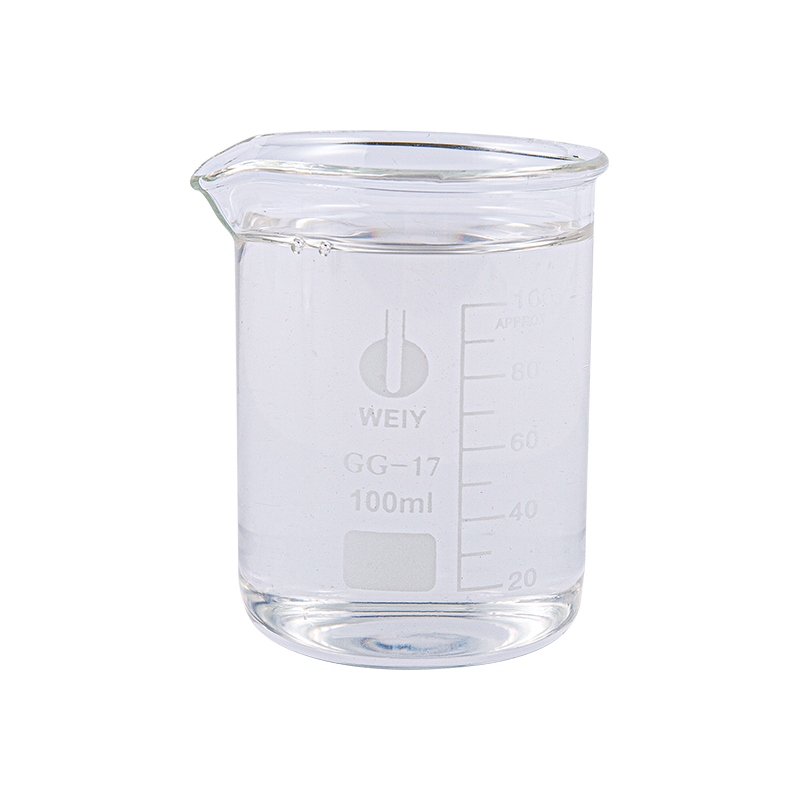
Sodium silicate (sodium water glass) model HLNAL-4, as follow the national standard GB/T4209-2008 liquid-4 model pr...
See Details
Sodium silicate (sodium water glass) model HLNAL-6, as beyond the national standard GB/T4209-2008 standard producti...
See Details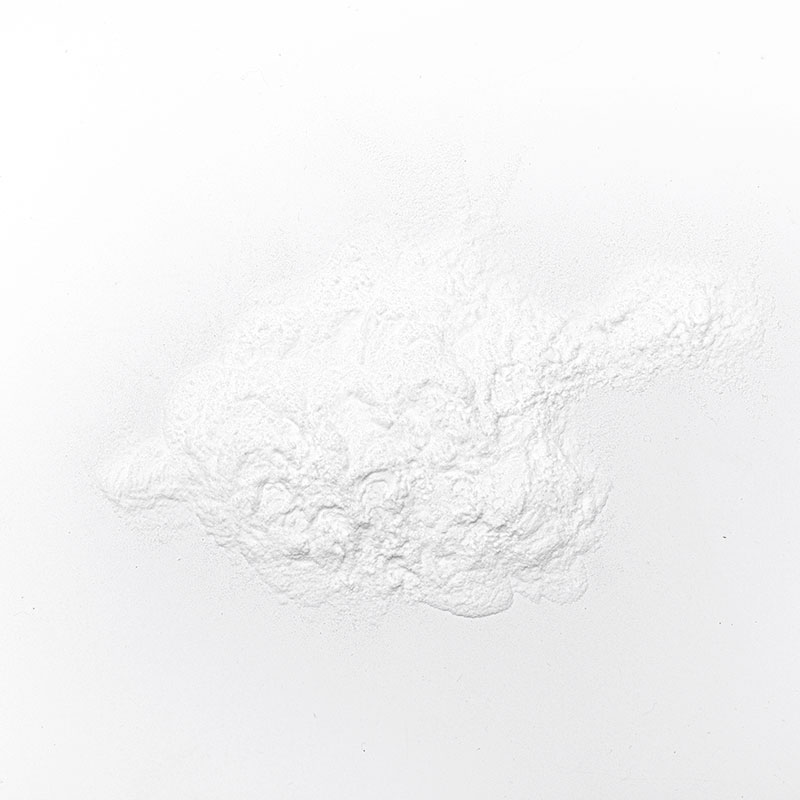
Powdered sodium silicate (model HLNAP-1 modulus 2.0±0.1) is a product made of liquid water glass by drying and spra...
See Details
Powdered sodium silicate (model HLNAP-2 modulus 2.4±0.1) is a product made of liquid water glass by drying and spra...
See Details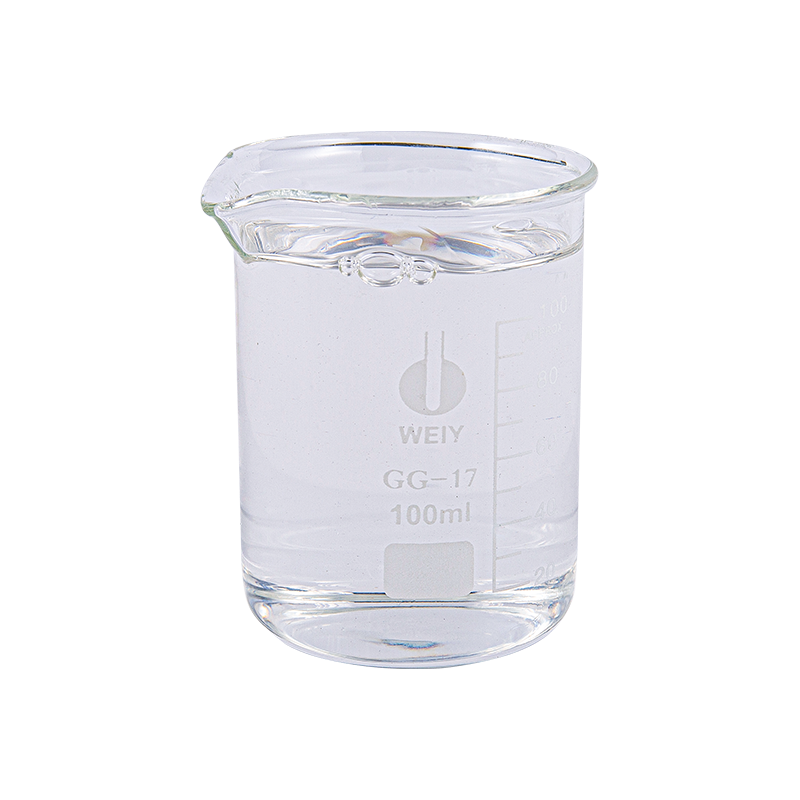
Liquid potassium silicate, model HLKL-4 (modulus 3.6-3.8), potassium silicate solution has better appearance and tr...
See Details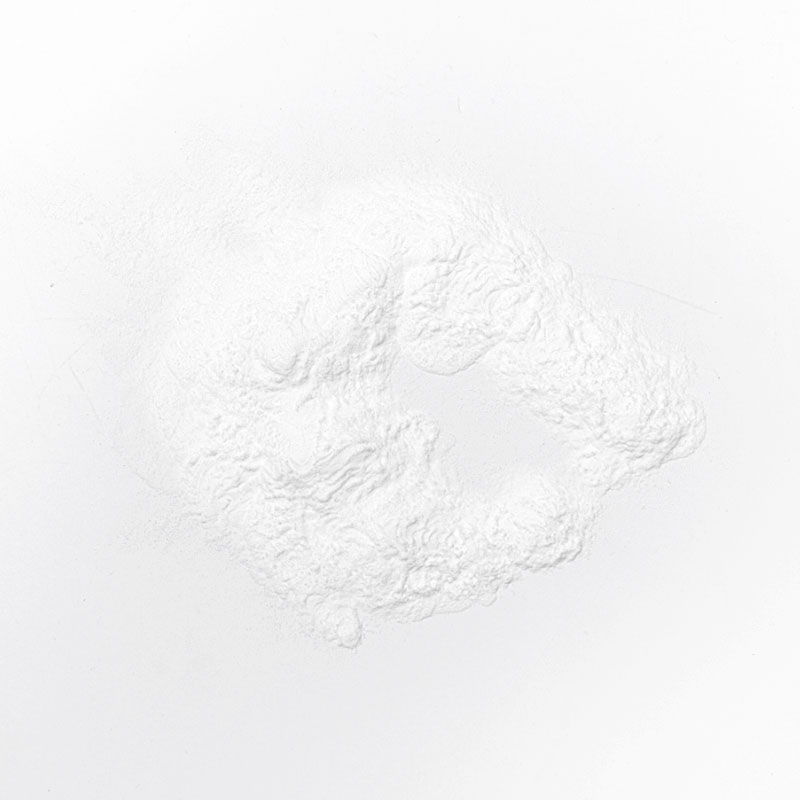
Powdered Potassium Silicate (Model HLKP-2 Modulus 3.3±0.1) is a product made of liquid potassium silicate by drying...
See Details
Products
Sodium Silicate Potassium Silicate Lithium Silicate Sodium Methylsilicate Potassium Methylsilicate Silica Sol Inorganic Coatings And Binders Flooring SystemContact
Add:No. 7 Jiaye Road, Tongxiang City, Zhejiang Province, China Phone:+86-15257095913 Tel: +86-0573-88980238 Mob: +86-0573-88980238 E-mail:[email protected]