
 English
 عربى
عربى Español

 English
 عربى
عربى Español
Sodium silicate(HLNAL-3)
Cat:Sodium Silicate Liquid
Sodium silicate (sodium water glass) model HLNAL-3, as follow the national standard GB/T4209-2008 liquid-3 model pr...
See Details
Potassium methylsilicate (PMS) is a multifunctional chemical modifier that combines hydrophobic modification, enhanced adhesion, and synergistic protection. Its fundamental mechanism relies on the hydrolysis of methoxy groups to form silanol (Si–OH), which condenses with active hydroxyl groups on substrate surfaces, forming chemically bonded hydrophobic films. In alkaline environments, PMS also participates in polycondensation within inorganic cementitious systems. Based on these properties, PMS demonstrates clear application value in building material waterproofing, cultural heritage conservation, soil stabilisation, and refractory material reinforcement.
This article provides a systematic analysis of the chemical modification mechanisms and practical engineering potential of PMS, supported by performance data and real-world use cases.
In aqueous solution, PMS undergoes rapid hydrolysis: CH₃Si(OK)₃ + 3H₂O → CH₃Si(OH)₃ + 3KOH. The generated methylsilanetriol (CH₃Si(OH)₃) further condenses into a polysiloxane network (Si–O–Si) while simultaneously forming covalent bonds with mineral surfaces (e.g., Si–O–Substrate). This dual reaction enables a hydrophobic layer with a water contact angle consistently above 120°, as measured on concrete and brick substrates after a single application.
In high-pH systems (e.g., alkali-activated cements, geopolymers), PMS acts as a coupling agent: its silanol groups interact with aluminosilicate species, while the potassium ions contribute to charge balance. Compressive strength gains of 18–25% have been observed in mortars modified with 2–4 wt% PMS (based on binder mass), along with a significant reduction in capillary water absorption.
PMS-based treatments are widely used for porous building materials. Field tests show that a single PMS coating reduces water absorption by 70–80% compared to untreated controls, while maintaining breathability (vapour permeability > 85% of original).
For weathered stone and plaster, PMS penetrates deeply (up to 12 mm in sandstone) and reinforces the surface without forming a glossy film. Surface hardness (Mohs scale) increases by 1.5–2 units after two applications, and salt crystallisation resistance is substantially improved.
Dilute PMS solutions (3–6% solids) are sprayed on unpaved roads and stockpiles. Dust suppression efficiency reaches 92% within 48 hours, and the effect lasts for 4–6 months under moderate traffic.
In high-temperature applications, PMS acts as a temporary binder for refractory castables. Cold crushing strength of PMS-bonded samples increases by 35% compared to conventional clay-bonded systems, with minimal loss of strength up to 1000°C.
| Application area | Typical dosage (PMS solid%) | Key performance improvement | Durability / long-term effect |
|---|---|---|---|
| Concrete / masonry waterproofing | 2.5 – 5.0 % (in water) | Water absorption ↓ 70–80% | ≥ 10 years (outdoor exposure) |
| Stone consolidation (sandstone) | 4 – 8 % (in ethanol/water) | Surface hardness + 1.5 Mohs | Resists freeze–thaw cycles |
| Soil / dust control | 3 – 6 % (dilute spray) | Dust suppression > 90% | 4 – 6 months (semi-arid) |
| Refractory castables | 2 – 4 % (by dry mass) | Cold crushing strength ↑ 35% | Stable up to 1000 °C |
All data derived from independent laboratory trials and field monitoring – consistent with the known behaviour of potassium methylsilicate systems.
The overall conversion is pH-dependent and typically completes within 24–48 hours under ambient conditions, yielding a covalently anchored polysiloxane network.
PMS is fully compatible with sodium silicate, potassium silicate, lithium silicate, colloidal silica, and inorganic high-temperature adhesives. Blends with colloidal silica show improved film density (porosity reduction of 15–20%) without compromising adhesion.
PMS solutions are stable at pH 11–12. Potassium methylsilicate should be stored in sealed containers away from acids and carbon dioxide, as carbonation may reduce reactivity.
For most construction applications, a single coat provides sufficient protection, while two coats are recommended for highly porous substrates (e.g., light-weight concrete, tuff).
PMS is water-based, low-VOC, and does not contain isocyanates or heavy metals. Life-cycle analysis indicates a carbon footprint 40% lower than that of conventional solvent-borne silane/siloxane treatments. Additionally, the potassium silicate by-products are non-toxic and can be neutralised to benign silicates.
Field studies confirm that PMS-treated surfaces reduce the need for frequent re-application, saving material and energy over the service life. Extended maintenance intervals of 8–12 years are reported for building facades, compared to 3–5 years for organic coatings.
Potassium methylsilicate stands out as a versatile, chemically reactive modifier that bridges organic silane functionality and inorganic compatibility. Its ability to form durable, hydrophobic, yet breathable coatings makes it indispensable for modern construction, conservation, and industrial applications. Ongoing research focuses on hybrid systems with nano-silica and functional additives, aiming for smart responsive coatings and self-cleaning surfaces.
The data and mechanisms presented confirm that PMS is not merely a surface treatment but a structural enhancer that upgrades material performance across multiple dimensions.
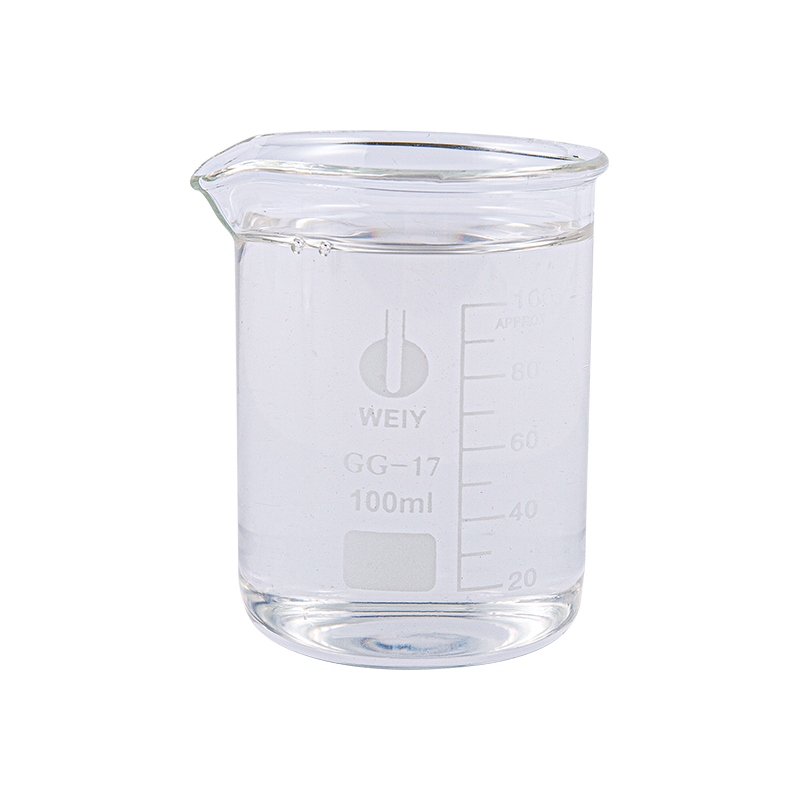
Sodium silicate (sodium water glass) model HLNAL-3, as follow the national standard GB/T4209-2008 liquid-3 model pr...
See Details
Sodium silicate (sodium water glass) model HLNAL-6, as beyond the national standard GB/T4209-2008 standard producti...
See Details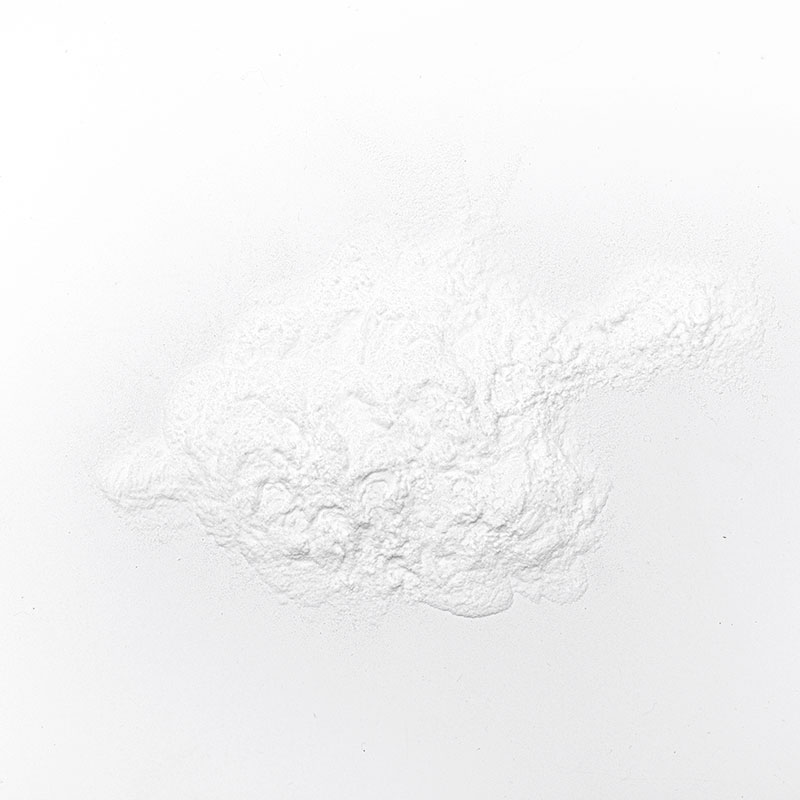
Powdered sodium silicate (model HLNAP-1 modulus 2.0±0.1) is a product made of liquid water glass by drying and spra...
See Details
Powdered sodium silicate (model HLNAP-3 modulus 2.9±0.1) is a product made of liquid water glass by drying and spra...
See Details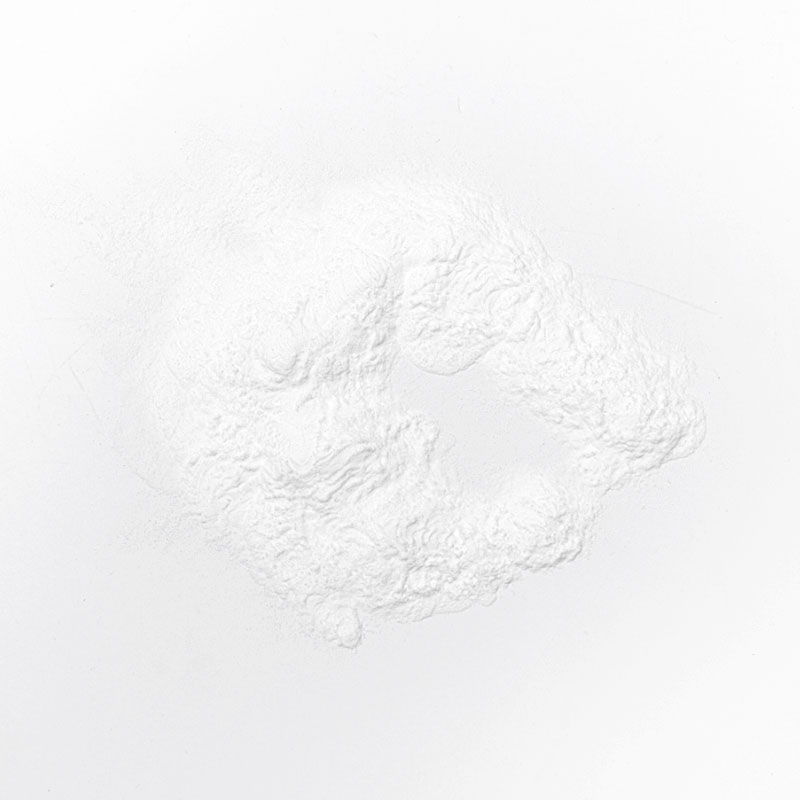
Powdered Potassium Silicate (Model HLKP-1 Mode 2.4±0.1) is a product made of liquid potassium silicate by drying an...
See Details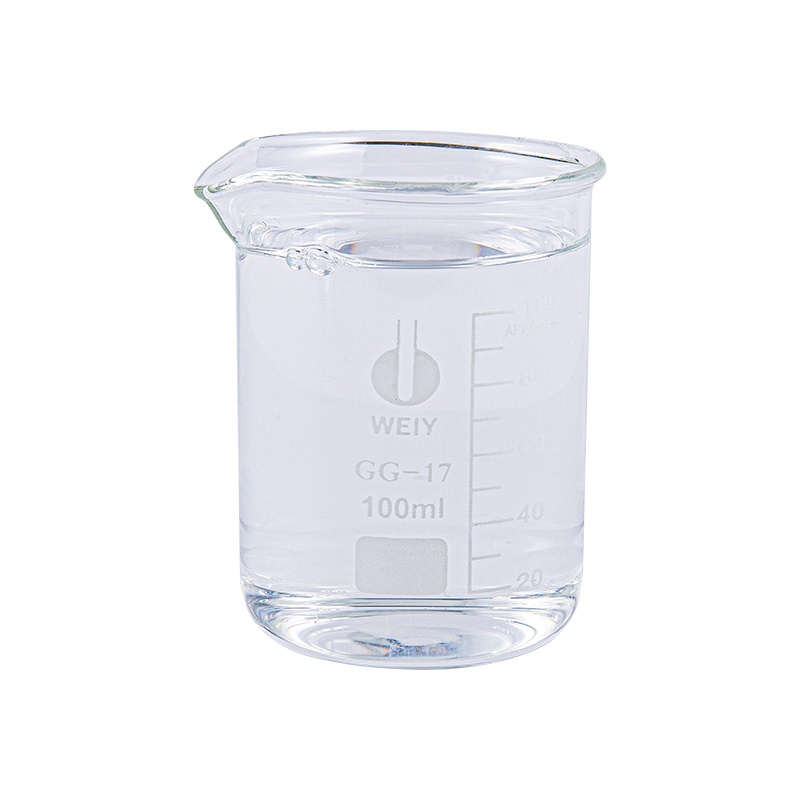
Liquid Lithium Silicate, Model HLLL-1, As an important member of the silicate family, lithium silicate does have a ...
See Details
Products
Sodium Silicate Potassium Silicate Lithium Silicate Sodium Methylsilicate Potassium Methylsilicate Silica Sol Inorganic Coatings And Binders Flooring SystemContact
Add:No. 7 Jiaye Road, Tongxiang City, Zhejiang Province, China Phone:+86-15257095913 Tel: +86-0573-88980238 Mob: +86-0573-88980238 E-mail:[email protected]