
 English
 عربى
عربى Español

 English
 عربى
عربى Español
Sodium silicate(HLNAL-3)
Cat:Sodium Silicate Liquid
Sodium silicate (sodium water glass) model HLNAL-3, as follow the national standard GB/T4209-2008 liquid-3 model pr...
See Details
The pricing structure for potassium methylsilicate represents a complex interplay of raw material costs, manufacturing processes, market demand, and supply chain logistics. Whether you are sourcing for small laboratory applications or evaluating bulk purchases for industrial operations, understanding the factors that influence pricing is essential for making informed procurement decisions.
Price fluctuations in this market segment are driven by multiple variables that extend beyond simple supply-and-demand economics. From production methodologies to geopolitical factors affecting chemical transportation, each element contributes to the final cost structure that suppliers present to customers.
The foundation of potassium methylsilicate pricing begins with the cost of precursor chemicals and raw materials required for synthesis. These foundational expenses directly translate into the base price that manufacturers establish before applying processing margins.
The production of potassium methylsilicate relies on specific chemical feedstocks. The availability and cost of these materials fluctuate based on global production capacity, extraction efficiency, and regulatory factors governing their sourcing. When input material costs increase, manufacturers face pressure to adjust output pricing accordingly.
Chemical markets experience periodic price adjustments based on several factors:
Organizations that track these input cost trends can better anticipate pricing movements and optimize procurement timing.
The conversion of raw materials into finished potassium methylsilicate involves sophisticated chemical engineering and quality control measures. The efficiency of this manufacturing process significantly impacts the cost per unit.
Manufacturing capacity utilization directly influences per-unit production costs. Facilities operating at high capacity can distribute fixed costs across larger production volumes, resulting in lower unit pricing. Conversely, lower production runs or facility underutilization increases the cost per kilogram.
Different application requirements demand varying levels of purity and specification adherence. Producing higher-purity grades requires additional purification steps, quality testing, and analytical verification, all of which increase production costs. The specifications required for your application directly correlate to the pricing tier you will encounter.
Suppliers utilizing modern production equipment and optimized processes can often deliver competitive pricing compared to facilities using older or less efficient methodologies. Innovation in manufacturing techniques can reduce costs by minimizing waste, improving yield rates, and reducing energy consumption during production.
The costs incurred after chemical synthesis significantly influence final pricing. Packaging materials, storage infrastructure, handling procedures, and transportation represent substantial components of the total cost structure.
Potassium methylsilicate is available in various packaging configurations, each with different cost implications:
| Packaging Format | Typical Volume | Cost Considerations |
|---|---|---|
| Laboratory containers | 1-5 kg | Higher per-unit packaging costs, individual container handling |
| Standard drums | 25-50 kg | Moderate packaging efficiency, standard industry format |
| Bulk containers | 200-1000 kg | Minimal per-unit packaging, economies of scale |
| Tank truck shipments | 5000+ kg | Lowest per-unit costs, specialized logistics required |
The distance between manufacturing facility and end-user location, chosen shipping method (ground, air, sea), and current fuel costs all influence the transportation component of pricing. International shipments incur additional customs, documentation, and handling fees that reflect in the quoted price.
Maintaining proper storage conditions for potassium methylsilicate requires climate control and compatible container materials. Suppliers must account for warehousing costs, climate control expenses, and inventory management when establishing pricing structures.
Like all chemical commodities, potassium methylsilicate pricing responds to fundamental supply-demand dynamics. Understanding these market forces provides context for pricing trends.
Certain applications for potassium methylsilicate experience seasonal variations. Construction-related uses may fluctuate with building seasons, while laboratory consumption patterns remain relatively stable. When demand surges, suppliers may increase pricing due to capacity constraints. During low-demand periods, competitive pressures often result in more favorable pricing.
The number of active suppliers and their production capacity relative to total market demand influences pricing power. Markets with limited suppliers may experience higher price levels, while regions with multiple competitive suppliers typically see more moderate pricing due to competitive pressure.
Supplier inventory levels provide signals about market conditions. High inventory may indicate weak demand and result in promotional pricing. Low inventory often precedes price increases as suppliers prioritize allocation and account for supply constraints.
The quantity you purchase directly determines the price per unit, following established tiered pricing models across the industry.
Most suppliers employ volume-based pricing where larger orders qualify for progressively lower per-unit costs:
Suppliers often provide additional discounts for multi-month or annual supply agreements where buyers commit to minimum purchase volumes. These contracts benefit suppliers through predictable demand and allow buyers to lock in favorable pricing for extended periods.
Organizations employing just-in-time procurement strategies pay higher per-unit costs due to frequent smaller orders but minimize storage expenses. Conversely, bulk purchasing reduces per-unit costs but requires investment in storage infrastructure and working capital.
Different suppliers maintain varying cost structures based on their operational characteristics, which directly influences the pricing they can competitively offer.
Suppliers located in regions with lower labor costs, favorable regulatory environments, or abundant natural resources often provide more competitive pricing. Regional variations reflect local operational expenses, currency valuations, and transportation distances to major markets.
Suppliers controlling multiple production stages from raw material processing through final packaging typically achieve lower costs compared to companies relying on external suppliers for intermediate materials. This integration efficiency often translates to more competitive pricing.
Suppliers maintaining certifications for quality management, environmental compliance, or industry-specific standards incur compliance-related costs. These investments ensure reliability but may be reflected in slightly higher pricing compared to non-certified competitors.
Suppliers investing in process improvement, purity enhancement, and application development often position themselves at premium price points based on superior product quality and consistency.
Different end-use applications demand varying purity levels and specifications, which create distinct pricing tiers within the market.
General-purpose applications often utilize standard-grade potassium methylsilicate with basic purity requirements. These products provide cost-effective solutions for applications where premium specifications are unnecessary.
Applications requiring elevated purity levels, reduced trace contaminants, or specialized properties demand premium-grade products. The additional purification steps, testing requirements, and quality assurance procedures increase production costs, resulting in higher pricing tiers.
When standard offerings do not meet specific application needs, custom formulations become necessary. These tailored products involve research, development, and validation processes that increase costs substantially compared to standard products.
Understanding recent pricing trends provides context for current market conditions and helps anticipate future price movements.
Several macro factors have influenced pricing trajectories over recent years. Energy costs affecting production and transportation, changes in labor market conditions, regulatory compliance expenses, and shifts in global supply chain patterns all contribute to observed price movements.
The competitive supplier base has evolved, with some players expanding production capacity while others have consolidated or exited the market. This restructuring impacts overall pricing through changes in available supply and competitive intensity.
Expanding applications for potassium methylsilicate in construction, preservation, and industrial processes have increased overall demand. This growing market supports supplier operations but also increases competition for customer volume, creating offsetting price pressures.
When comparing quotes from different suppliers, several key factors deserve your attention beyond the headline unit price.
Reputable suppliers provide detailed quotations that break down costs into clear components: product cost, packaging, shipping, and any applicable taxes or fees. This transparency enables meaningful comparisons and helps identify where value differs between options.
Confirm that quoted products meet your application requirements. Comparing prices for different purity grades or formulations without specification alignment can lead to misleading conclusions about true cost differences.
The financial terms offered alongside pricing significantly influence true cost. Early payment discounts, extended payment terms, or volume-based rebate structures may provide better value than a lower base price with unfavorable terms.
Expedited delivery options typically command premium pricing. Understanding standard lead times and associated costs helps evaluate whether faster delivery justifies the additional expense for your operational needs.
The level of technical support, product guarantees, and problem resolution capabilities provided by different suppliers varies considerably. Premium service levels may justify somewhat higher pricing through reduced operational risk.
Several practical approaches can help organizations achieve better pricing while maintaining quality and supply reliability.
Committing to extended supply relationships with volume commitments often unlocks volume discounts and price stability guarantees. These arrangements provide suppliers with predictable demand while giving buyers pricing protection against market fluctuations.
Organizations with multiple locations or departments can aggregate their potassium methylsilicate requirements into consolidated purchases, achieving larger volumes that qualify for better pricing tiers.
Monitoring industry pricing trends and placing orders during periods of lower demand or supplier inventory surplus can result in better pricing. However, this strategy must be balanced against storage costs and working capital requirements.
Particularly for large volume requirements, direct negotiations with suppliers can yield customized pricing arrangements beyond standard tiered structures. Demonstrating commitment to a supplier relationship often results in more favorable terms.
Consulting with technical specialists to confirm whether standard-grade products can meet requirements instead of premium grades can identify cost-saving opportunities without compromising functionality.
Buying directly from market offerings at prevailing prices provides maximum flexibility but exposes organizations to price volatility. This approach works well for small, infrequent requirements.
Formal supply agreements that fix prices for specified periods eliminate pricing uncertainty and typically provide volume discounts. These arrangements sacrifice flexibility but deliver pricing predictability.
Establishing framework agreements with suppliers that define pricing structures for multiple years provides a middle ground between spot purchases and rigid contracts. Organizations can adjust order quantities within agreed parameters while maintaining stable unit pricing.
For high-volume users, consignment arrangements where suppliers maintain inventory at customer facilities can reduce procurement costs while ensuring supply availability. These arrangements shift storage responsibility but require strong supplier relationships.
Potassium methylsilicate pricing exhibits regional variations reflecting local supply chain characteristics, transportation distances, and market structures.
The North American market features established supplier networks with competitive pricing resulting from multiple domestic and regional producers. Lead times are typically shorter and transportation costs are relatively moderate compared to global sourcing.
European markets incorporate strict regulatory compliance requirements and strong environmental standards, which influences supplier costs and pricing structures. Quality standards are consistently high across the region.
Asian producers often provide competitive pricing due to lower labor and production costs. However, longer lead times, larger minimum orders, and international shipping costs must be factored into total procurement cost analysis.
While international sourcing may offer lower unit prices, the true cost must account for longer lead times, customs and import duties, currency exchange fluctuations, and reduced flexibility in addressing urgent requirements.
Several developing trends suggest potential future directions for potassium methylsilicate pricing.
Increasing regulatory focus on environmental impact and sustainability is driving producers toward cleaner manufacturing processes. Implementation of sustainable practices increases production costs, likely resulting in upward price pressures over time.
Advances in manufacturing technology, such as improved purification methods and more efficient production processes, have the potential to reduce costs and enable pricing reductions. Early adopters of such innovations gain competitive advantages.
Consolidation among suppliers could reduce competitive intensity and support higher pricing, or alternatively, create efficiency gains that result in lower prices. Industry restructuring continues to reshape competitive dynamics.
Growing applications for potassium methylsilicate in emerging industries could increase demand significantly, potentially supporting price stability or increases as supply constraints become apparent.
Several practical approaches help organizations stay informed about potassium methylsilicate market conditions and pricing trends.
Chemical market intelligence services provide historical pricing data, market trend analysis, and supply chain information. These professional resources enable data-driven procurement decisions.
Maintaining regular communication with multiple suppliers and systematically tracking quotations over time reveals pricing patterns and market movements. This informal monitoring often provides valuable insights into market conditions.
Analyzing historical consumption patterns, seasonal variations, and application requirements enables more accurate forecasting and better timing of procurement activities.
Industry associations and professional networks often facilitate member discussions about market conditions and pricing trends. Participating in these communities provides valuable perspective on market developments.
Systematic documentation supports better procurement decisions and enables organizations to identify trends and patterns over time.
Maintaining organized records of quotations, accepted prices, and purchase history provides the foundation for pricing analysis. These records enable identification of favorable or unfavorable time periods for procurement and reveal supplier performance patterns.
Keeping detailed records of application requirements and accepted specifications ensures that price comparisons involve equivalent products. This prevents confusion and ensures that cost analysis reflects true differentiation.
Tracking quality metrics, delivery performance, and technical support quality from different suppliers enables balanced evaluation that extends beyond price alone. Superior performance may justify modest price premiums.
Recording relevant market conditions when making procurement decisions—such as supplier inventory situations, competitive dynamics, or regulatory changes—provides context for understanding why specific pricing emerged at particular times.
A structured approach to evaluating suppliers helps ensure consistent, objective decision-making:
| Evaluation Criteria | Weight Factor | Assessment Method |
|---|---|---|
| Unit Price | 30% | Direct quotation comparison |
| Total Cost of Ownership | 25% | Include shipping, handling, storage requirements |
| Delivery Reliability | 20% | Historical performance records, references |
| Product Consistency | 15% | Quality certifications, test reports, references |
| Technical Support | 10% | Response time, expertise assessment |
This framework ensures that price decisions account for all relevant factors, not just unit costs.
Potassium methylsilicate pricing typically ranges significantly based on order volume and purity specifications. Small laboratory quantities command higher per-unit prices, while bulk industrial orders may reflect substantially lower per-kilogram costs. Standard-grade products from established suppliers usually fall within mid-range pricing, with premium formulations priced higher and standard grades potentially available at lower costs depending on supplier and market conditions.
Volume discounts vary by supplier but typically range from 15-40 percent reduction when comparing small orders to bulk purchases. Organizations purchasing 500+ kilograms may achieve per-unit pricing 30-50 percent lower than small-quantity purchasers. The exact savings depend on supplier tier structures and current market conditions.
Yes, seasonal patterns exist but vary by geographic region and application sector. Construction-related demand typically peaks during building seasons, which can influence pricing dynamics. However, laboratory and industrial uses often maintain relatively stable demand patterns throughout the year, which may limit dramatic seasonal swings.
Long-term contracts provide pricing certainty and typically offer volume discounts, making them advantageous when supply is ample and prices are stable. However, if market conditions suggest potential price declines, shorter-term arrangements may provide better value. This decision depends on your specific situation, risk tolerance, and market outlook.
Obtaining quotations from multiple suppliers for identical product specifications and order quantities provides the most reliable basis for competitive assessment. Industry pricing databases and peer networking also provide helpful context. Ensure comparisons account for payment terms, delivery costs, and service levels, not just headline unit pricing.
Beyond the base product price, potential additional costs include packaging surcharges for specialty containers, expedited delivery fees, customs or import duties for international orders, environmental handling fees, and minimum order surcharges. Request itemized quotations that clearly identify all cost components.
Higher purity grades command significant price premiums reflecting additional purification and testing costs. Standard-grade products typically provide adequate performance for most applications at substantially lower cost. Confirming that standard grades meet your requirements can identify meaningful cost-saving opportunities.
Geographic location influences pricing through local production costs, labor expenses, energy availability, and transportation distances. Suppliers in regions with lower operational costs often provide more competitive pricing, though quality and service levels remain important differentiation factors.
Direct negotiation is definitely possible, particularly for large volume requirements or long-term commitments. Demonstrating genuine volume potential and willingness to establish stable supplier relationships often results in customized pricing beyond standard tiered structures offered to smaller customers.
For ongoing suppliers with established contracts, quarterly quotation requests help identify price trend patterns. For new supplier evaluation or when market volatility appears elevated, more frequent quotation cycles provide better market insight. Most organizations review pricing annually at minimum.
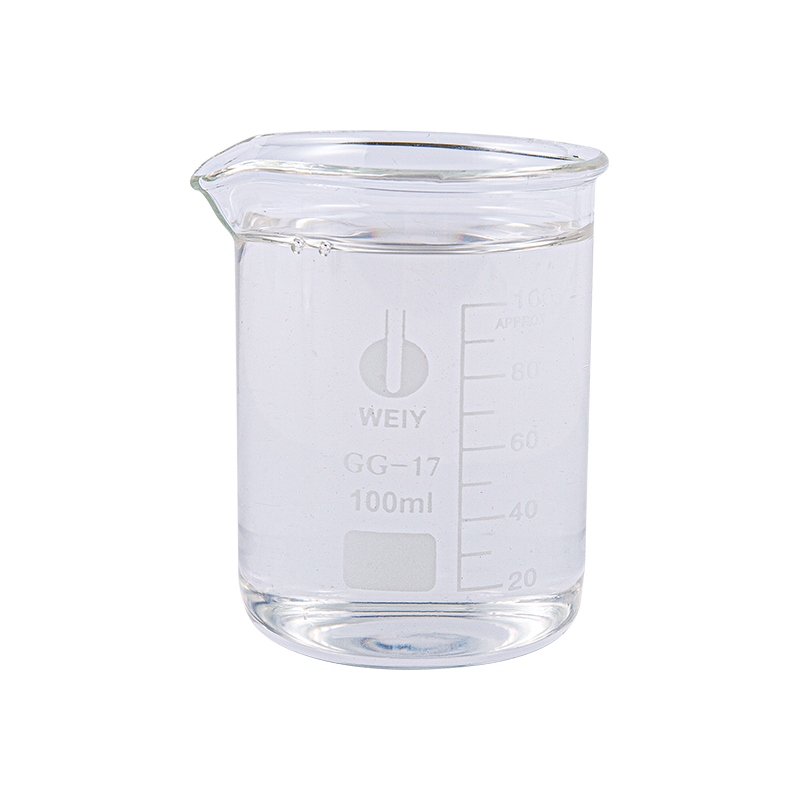
Sodium silicate (sodium water glass) model HLNAL-3, as follow the national standard GB/T4209-2008 liquid-3 model pr...
See Details
Sodium silicate (sodium water glass) model HLNAL-4, as follow the national standard GB/T4209-2008 liquid-4 model pr...
See Details
Sodium silicate (sodium water glass) model HLNAL-6, as beyond the national standard GB/T4209-2008 standard producti...
See Details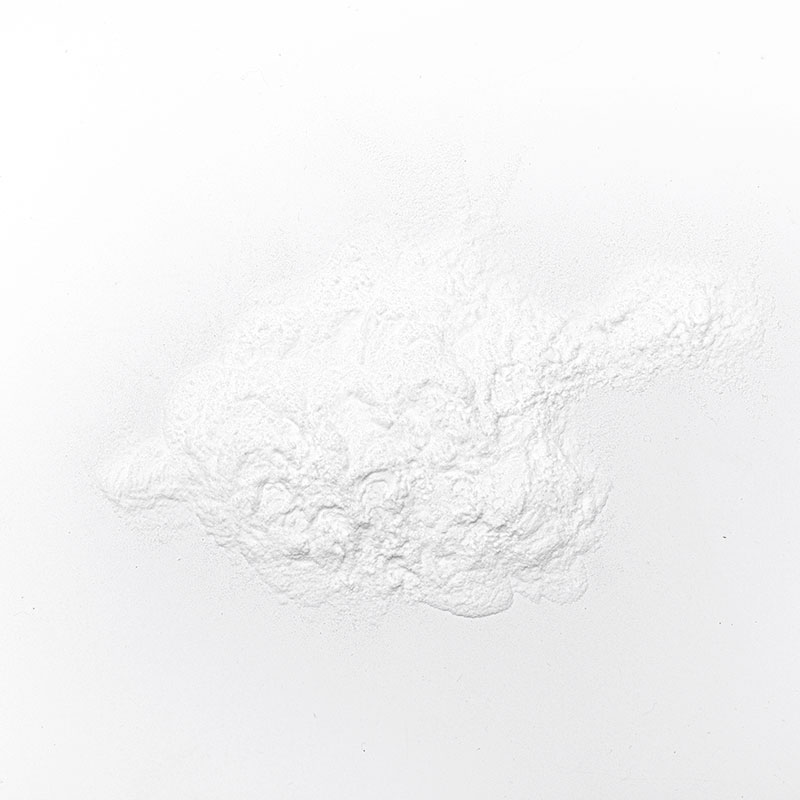
Powdered sodium silicate (model HLNAP-1 modulus 2.0±0.1) is a product made of liquid water glass by drying and spra...
See Details
Powdered sodium silicate (model HLNAP-2 modulus 2.4±0.1) is a product made of liquid water glass by drying and spra...
See Details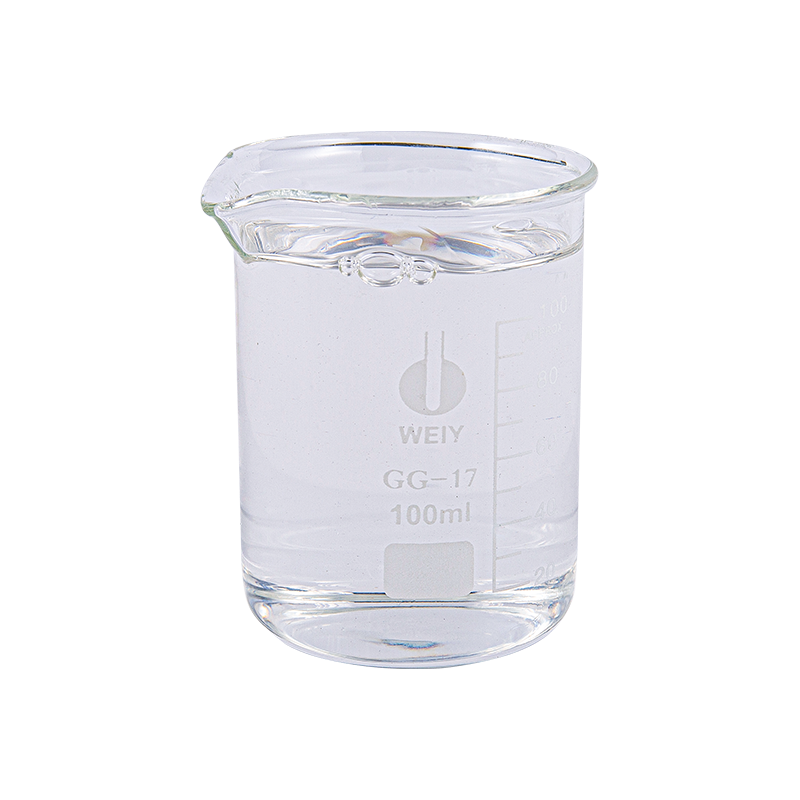
Liquid Potassium Silicate, Model HLKL-3 (Modulus 3.1-3.4), Potassium silicate solution has better appearance and tr...
See Details
Products
Sodium Silicate Potassium Silicate Lithium Silicate Sodium Methylsilicate Potassium Methylsilicate Silica Sol Inorganic Coatings And Binders Flooring SystemContact
Add:No. 7 Jiaye Road, Tongxiang City, Zhejiang Province, China Phone:+86-15257095913 Tel: +86-0573-88980238 Mob: +86-0573-88980238 E-mail:[email protected]